

Antique French Wooden Table
An antique french wooden table brings everyday utility and distinct regional character into a room.
Antique French Wooden Table
An antique french wooden table spans substantial dining formats, compact bedside versions, and specialist writing desks. These pieces originate from provincial farmhouses, chateaus, and urban workshops across periods ranging from the early nineteenth century through the early twentieth century.
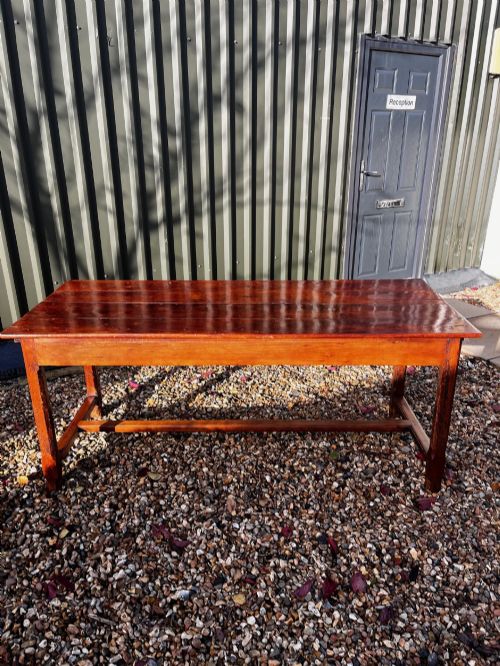
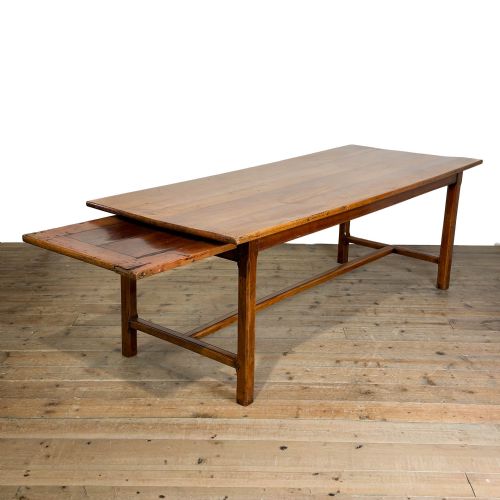
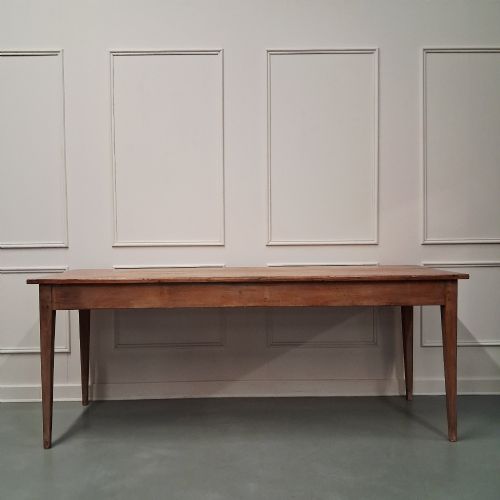
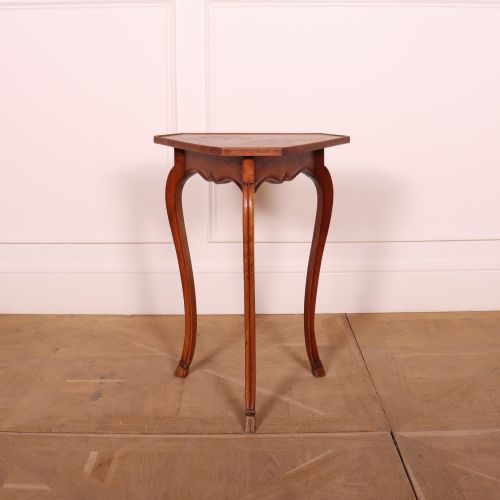
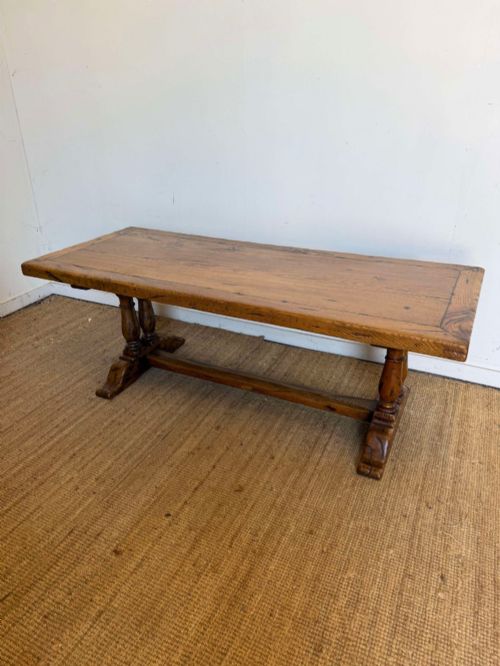
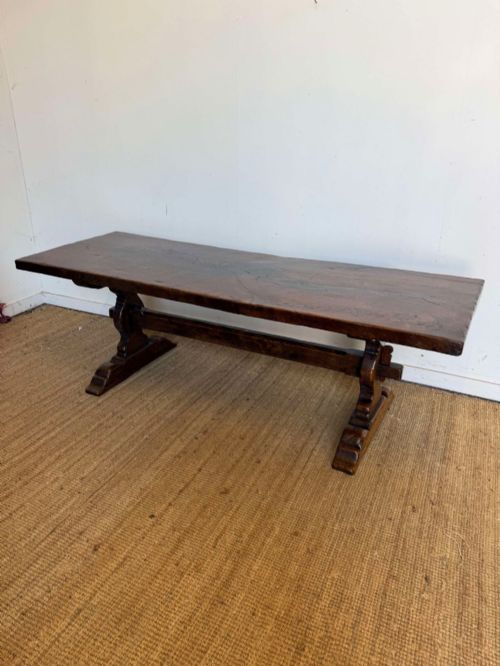
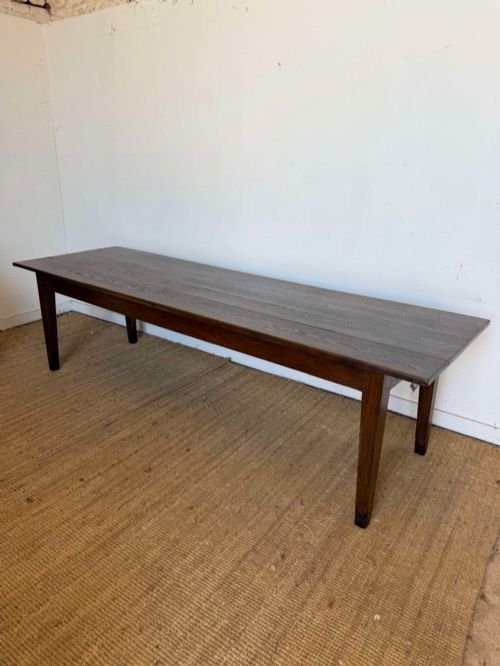
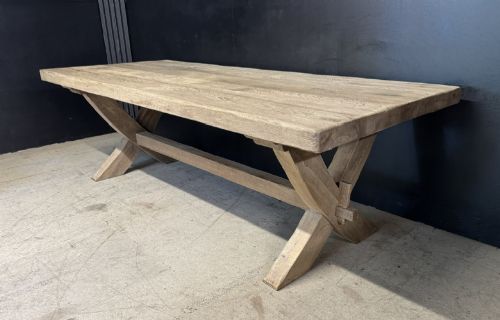
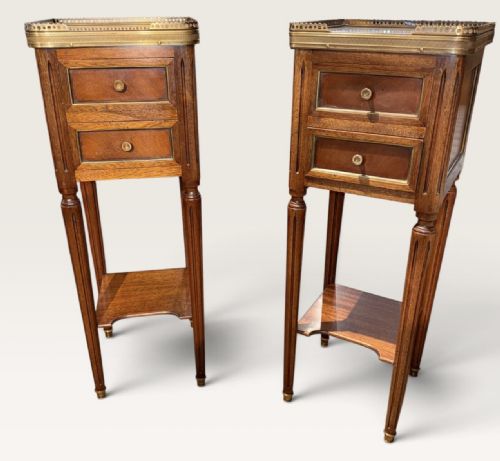
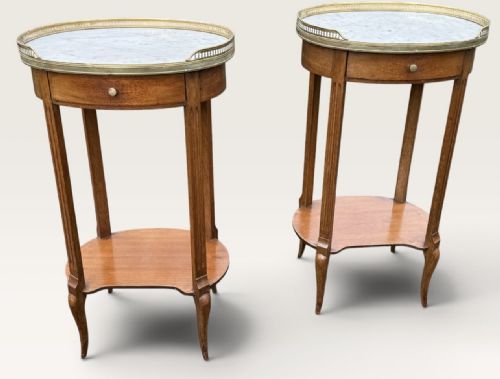
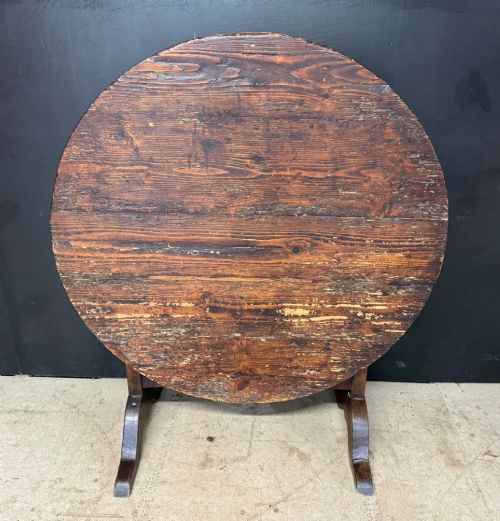
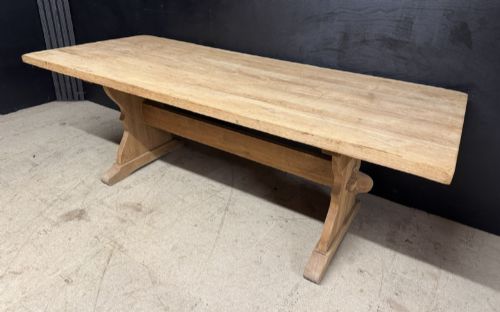
The most common examples on this page are sturdy farmhouse and refectory dining tables designed for communal use. Alongside these large dining pieces, buyers encounter smaller occasional furniture including wine tasting tables, coffee tables, and console tables.
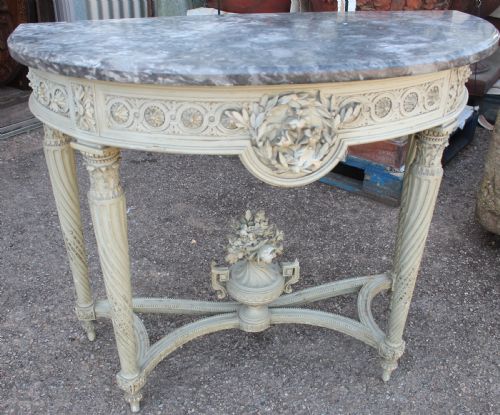
The regional variety encompasses rustic oak and fruitwood farmhouse designs alongside formal Louis XV and Louis XVI neoclassical styles. Dimensions range from small bedside cabinets to expansive timbers measuring several metres in length.
Materials and technique
Cabinet makers utilised dense hardwoods such as oak, walnut, cherrywood, and chestnut for structural longevity and surface grain. Softer woods like pine appeared frequently in provincial farmhouse tables intended for heavy daily service.
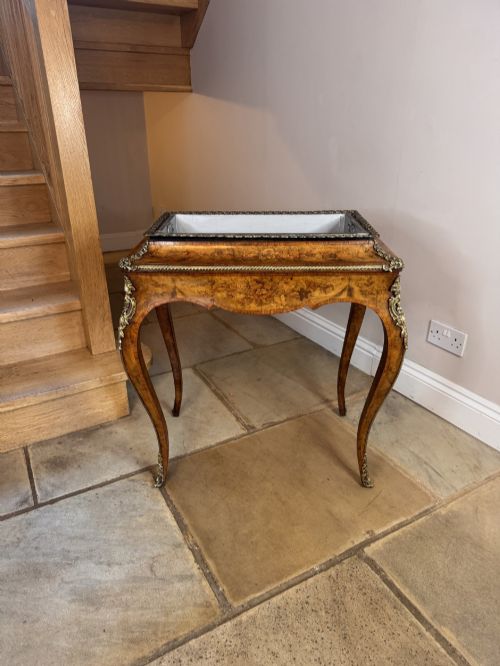
Construction techniques relied on pegged mortise and tenon joints, single planked tops, and dovetailed drawers. Decorative surface treatments incorporated floral marquetry, inlay, and occasional bronze or ormolu mounts on formal neoclassical pieces.
Antique French Wooden Table Retail Price Guide 2026
Typical asking prices for french wooden table among the pieces listed under this phrase on Sellingantiques today, from the lower quarter to the upper quarter. They describe what is for sale here now, not the wider market.
Evaluating construction and finish
Quality rests in the integrity of the timber selection, such as single planked top construction versus multi-board surfaces. Heavier gauge timbers and substantial undercarraments indicate robust utilitarian origins.
The finesse of the joinery and the subtlety of applied decorative elements like marquetry separate standard provincial output from finer urban cabinet work. Original patination and untouched surface wear reflect historical authenticity.
The Antique French Wooden Table Glossary
- Refectory table
- A long dining table traditionally used for communal meals in monastic or large domestic settings. These items feature sturdy linear stretchers supporting the main plank top.
- Marquetry
- The art of applying decorative pieces of veneer to a structure to form intricate geometrical or floral designs. This technique appears on the tops of occasional and lamp tables.
- Ormolu
- Gilt bronze ornamentation applied to the mounts, feet, or handles of formal nineteenth century furniture. It provides metallic contrast against dark walnut or mahogany surfaces.
- Console table
- A wall-mounted or freestanding table designed to stand against a vertical surface, frequently topped with marble or matching wood. They often feature carved legs in Louis XV or neoclassical styles.
Antique French Wooden Table: Frequently Asked Questions
How do I choose the right size dining table?
Consider both the available floor space in your room and the intended seating capacity for daily meals or gatherings. Large refectory formats provide generous proportions that suit spacious dining areas.
Measure the length and width carefully, leaving adequate clearance around the perimeter for chairs and movement. Smaller formats or extension designs offer flexibility for more compact interiors.
How are these tables cleaned and maintained?
Dust surfaces regularly with a soft, dry cloth to prevent the accumulation of grit on historic wood finishes. Avoid modern silicone polishes that can build up and soften traditional waxes.
Feed the timber periodically with appropriate beeswax or furniture polish to preserve the moisture and natural sheen of the grain. Keep wooden furniture away from direct heat sources and excessive moisture fluctuations.
What is the difference between provincial and formal styles?
Provincial and country furniture prioritises utilitarian strength, simpler lines, and locally available timbers like fruitwood, pine, and oak. These pieces reflect practical domestic life in rural regions.
Formal styles incorporate refined classical motifs, elaborate marquetry, ormolu mounts, and sophisticated cabinet woods such as walnut and kingwood. They were produced for urban salons and chateaus rather than working farmhouses.
Can antique tables be used for daily dining?
Sturdy hardwood construction makes many antique tables well-suited for everyday family life and frequent use. Solid joints and thick timber tops withstand regular activity without compromising stability.
Utilise protective table pads or mats for hot dishes and liquids to safeguard historic surfaces from accidental damage. Embracing minor historical wear allows you to enjoy the patina accumulated over generations.