




Antique French Wine Cooler
An antique french wine cooler brings functional elegance to the table, combining historic metalwork or timber with grand entertaining traditions.
Antique French Wine Cooler
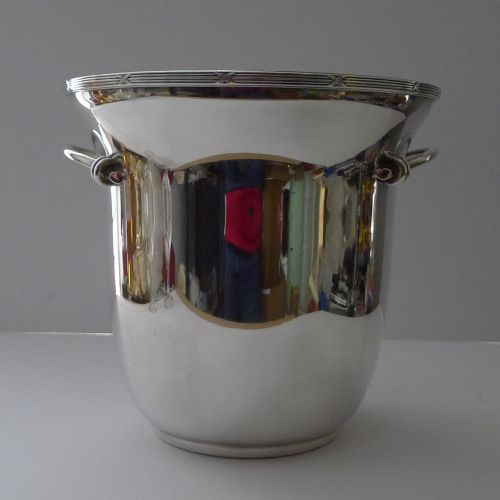
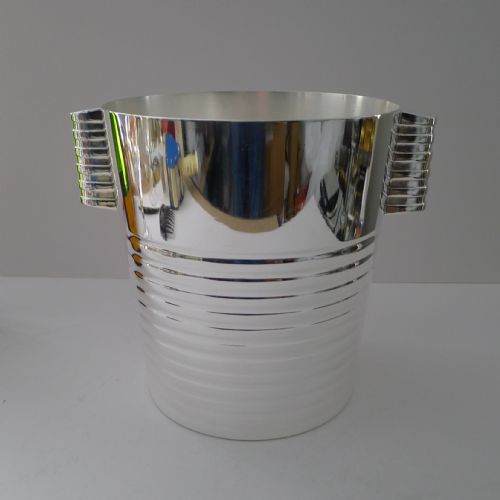
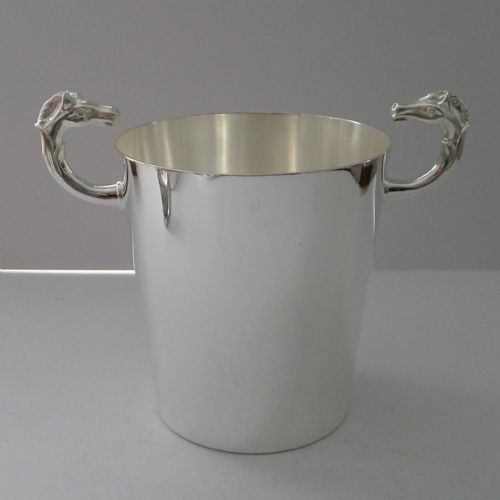
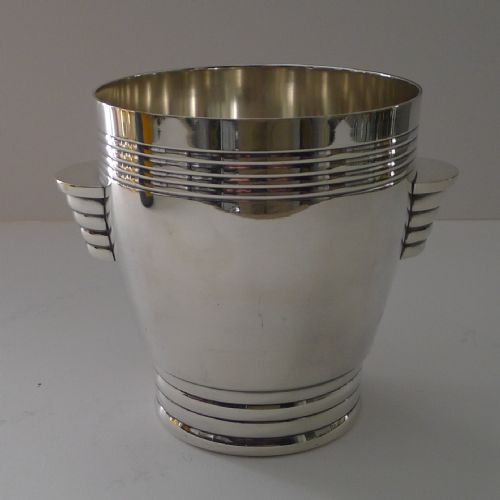
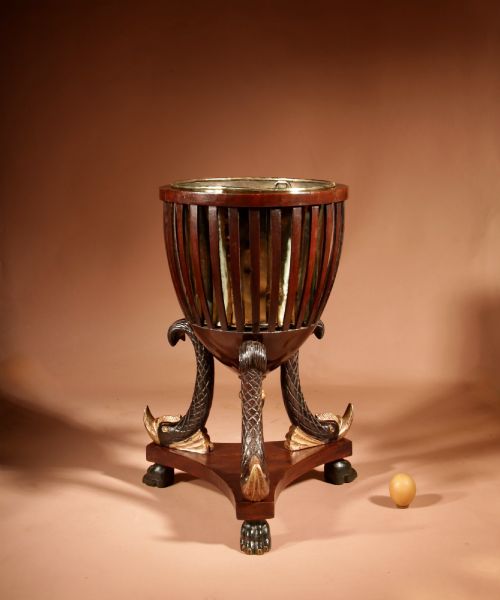
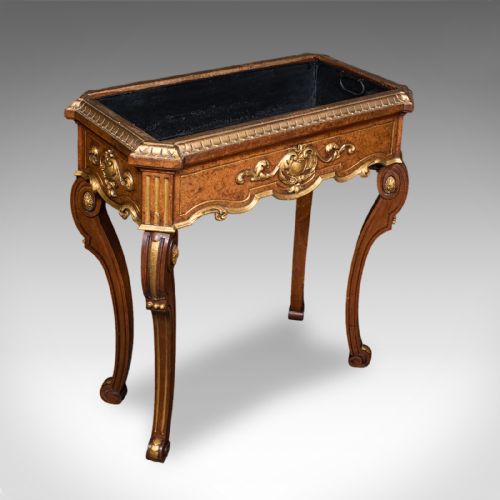
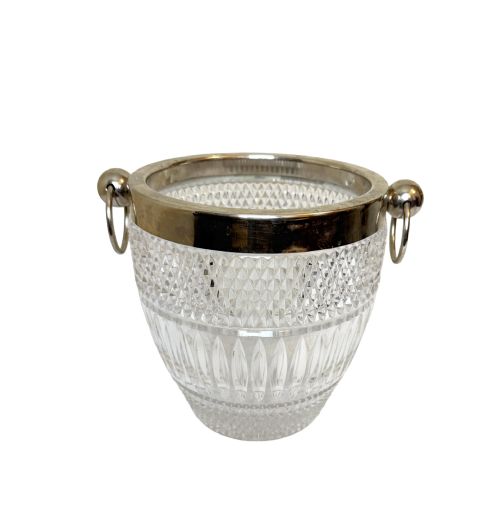
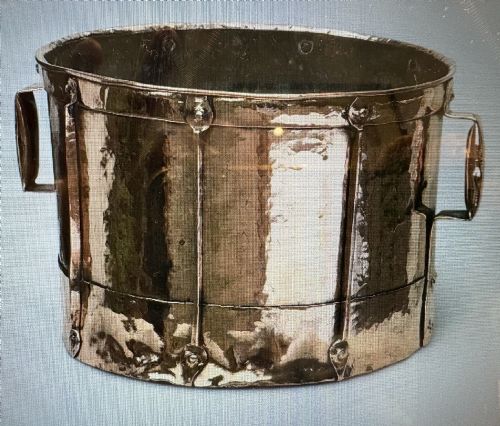
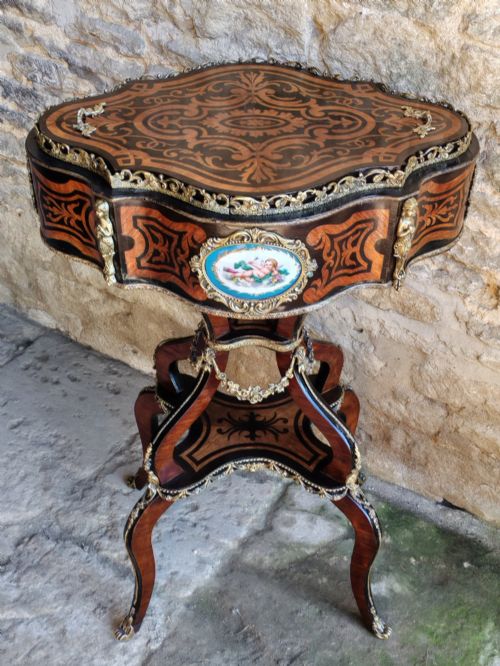
An antique french wine cooler encompasses everything from silver-plated champagne buckets and trophy vessels to substantial mahogany jardiniere tables and copper grain measures adapted for the dining room. These pieces range across the nineteenth century into the art deco era, showing styles from French Empire and Rococo Revival to clean geometric lines.
Buyers looking through this selection will encounter versatile forms such as two-handled trophy vases, campana-shaped cast bronze vessels, and occasional planter stands that double as decanter caddies. The assortment draws heavily on traditional French hospitality, blending practical cooling functions with decorative metal mounts and rich wood veneers.
Materials and methods
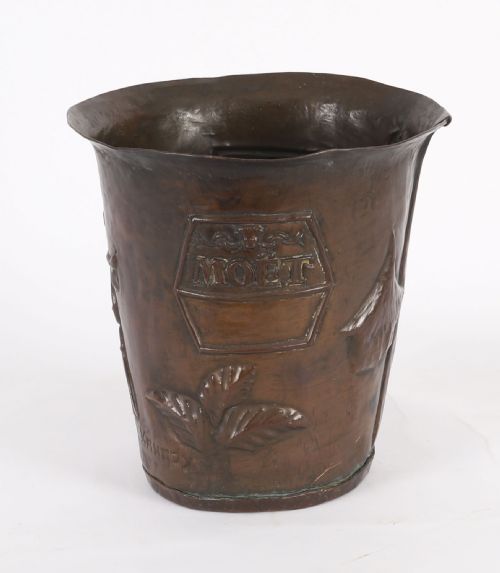
Makers utilised a diverse palette of metals, combining silver plate, brass, copper, ormolu, and chrome with heavy cast bronze for structural forms and decorative mounts. Silver-plated pieces often bear the marks of major Parisian workshops, while copper vessels display hand-beaten or embossed surfaces suited to utilitarian service.
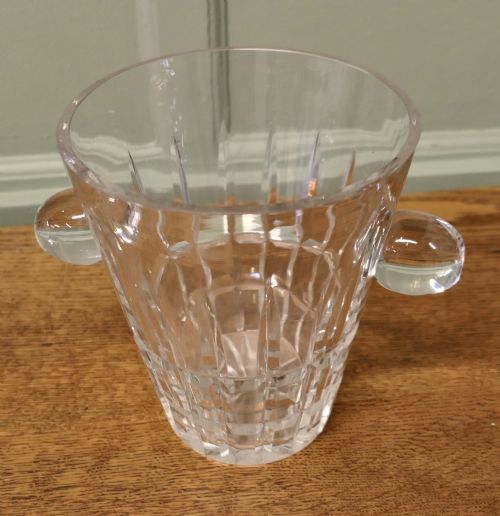
Wooden examples rely on dense cabinet timbers like mahogany, walnut, and ebonised wood, frequently enhanced by marquetry inlay or gilt bronze mounts. Glass elements appear as hand-blown and cut crystal inserts, providing a clear contrast to the heavy metal and timber bodies.
Antique French Wine Cooler Retail Price Guide 2026
Typical asking prices for french wine cooler among the pieces listed under this phrase on Sellingantiques today, from the lower quarter to the upper quarter. They describe what is for sale here now, not the wider market.
Listings feature silver plate, copper, brass, walnut, and mahogany across periods spanning the eighteenth century to the 1950s.
Assessing quality
Superior examples distinguish themselves through crispness of cast ornamentation and weight of metal, particularly in the deep relief of silver-plated trophy coolers and ormolu mounts. The precision of marquetry on walnut and mahogany bodies, alongside the clarity and depth of cut crystal liners, marks the upper tier of production.
The distinction between standard workshop output and exceptional pieces often rests on attribution to known designers or prominent Parisian houses, coupled with the survival of original liners and mounts. Proportion and balance in architectural forms, such as campana urns and jardiniere tables, separate masterwork execution from simpler utility items.
Christofle·Puiforcat·Luc Lanel
The Antique French Wine Cooler Glossary
- Jardiniere
- An ornamental stand or container designed for holding plants or flowers, frequently utilised as a wine cooler or ice bucket in nineteenth-century interiors.
- Ormolu
- Gilt bronze ornamentation applied to furniture and metalwork, created by fusing finely ground gold-mercury amalgam to a bronze base.
- Campana
- A bell-shaped vessel or vase form derived from classical antiquity, often cast in bronze or brass for use as a wine cooler.
- Cellarette
- A lockable cabinet or standalone container designed to hold bottles of wine near the dining table.
- Rafraichissoir
- A French serving table featuring inset metal coolers for chilling wine and champagne during meals.
Antique French Wine Cooler: Frequently Asked Questions
How were these coolers used originally?
These vessels were placed directly on dining tables, sideboards, or dedicated stands to chill wine and champagne in ice water during formal meals.
Larger variations also served as decorative planter stands or jardinieres for indoor greenery when dining rooms were not in use for entertaining.
What is the difference between a wine cooler and a jardiniere?
While wine coolers are built specifically to hold bottles and ice, jardinieres are designed to contain potted plants and soil.
Despite their original botanical purpose, many deep jardinieres and planter tables share identical waterproof metal linings that make them suitable for chilling wine.
How do I care for silver plated coolers?
Silver-plated and brass surfaces require gentle cleaning with non-abrasive metal polishes to preserve the integrity of the plating and embossed details.
Avoid leaving standing water or ice inside unlined metal vessels for extended periods to prevent tarnishing and corrosion of the inner walls.
How can I tell Art Deco pieces from earlier styles?
Art Deco coolers from the 1920s and 1940s favour streamlined geometric shapes, hammered chrome surfaces, and minimalist mounts produced by makers like Christofle.
Earlier nineteenth-century pieces lean towards ornate floral embossing, classical campana urn shapes, and heavy ormolu or gilt bronze mounts.