

Antique French Stool
When you search for an antique french stool, you uncover low seats and footstools shaped by court styles and rustic workshops alike.
Antique French Stool
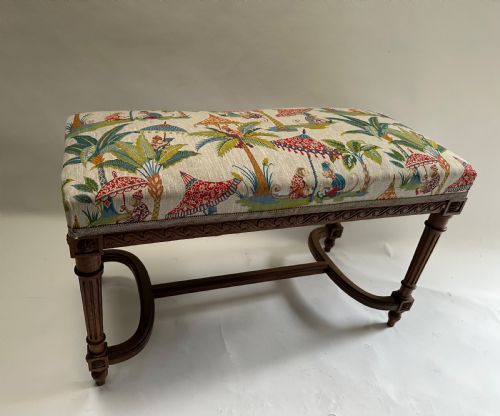
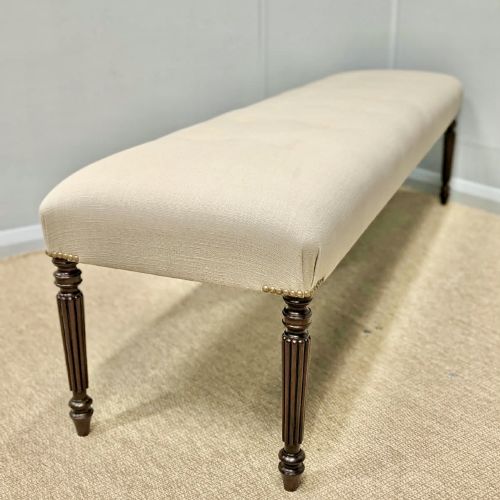
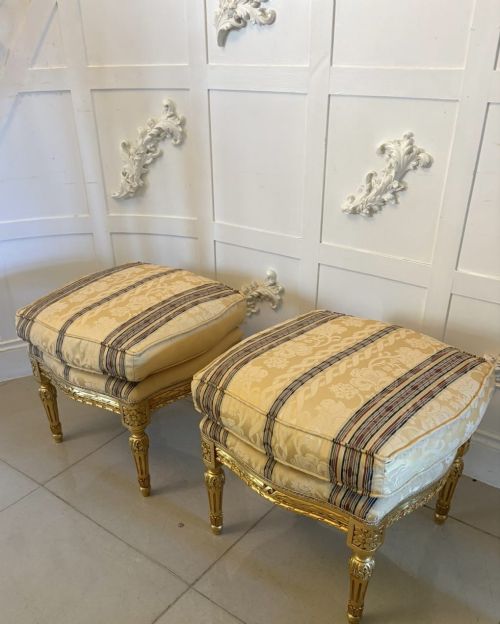
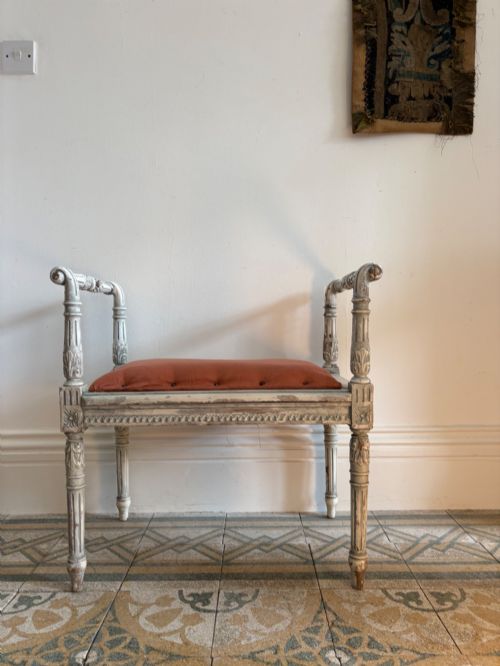
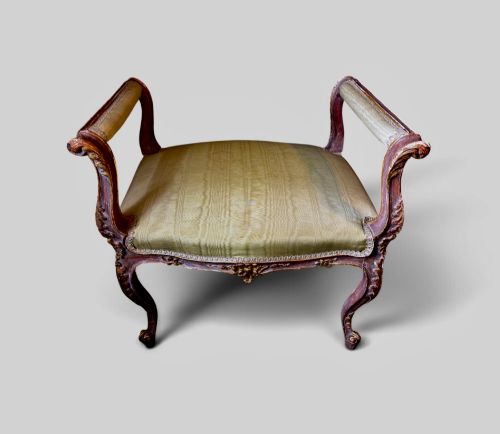
An antique french stool spans formal giltwood window seats and low footstools, alongside rustic milking blocks and elm chopping blocks. Pieces on this page trace lineages from the nineteenth century into the early twentieth, reflecting both chateau elegance and provincial utility.
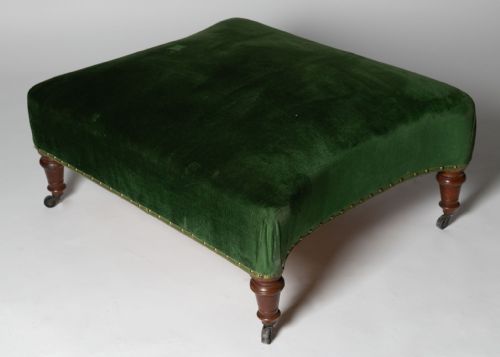
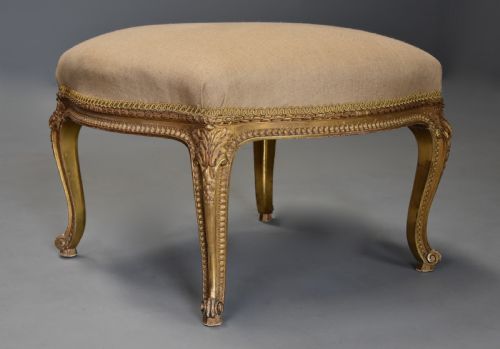
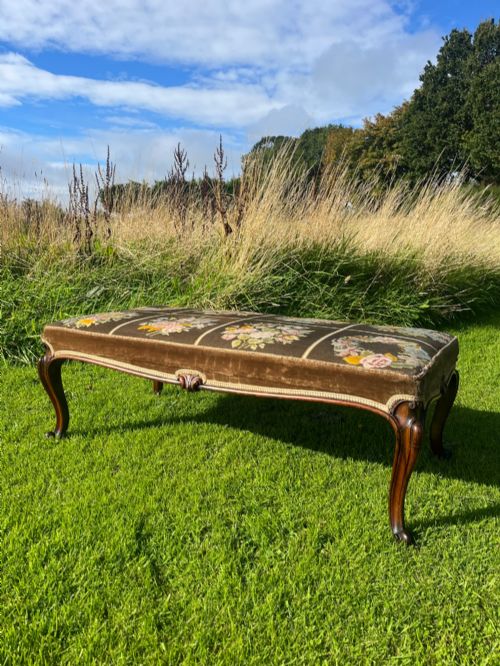
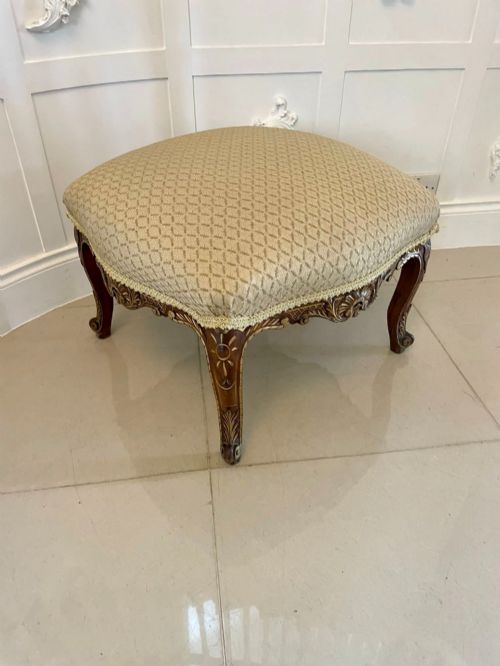
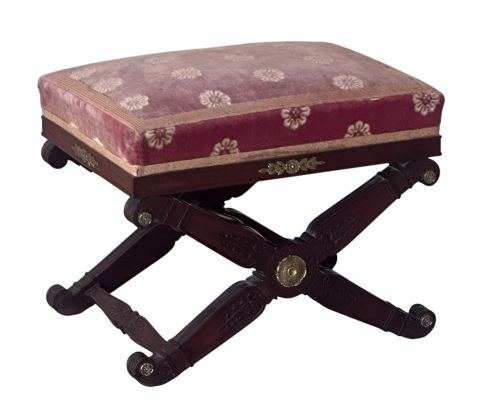
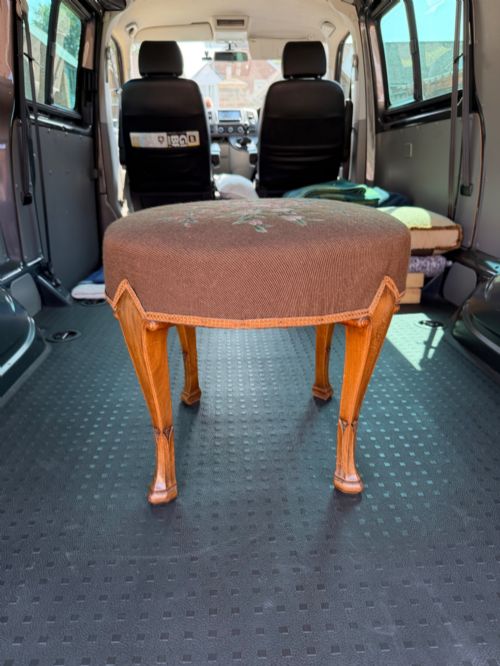
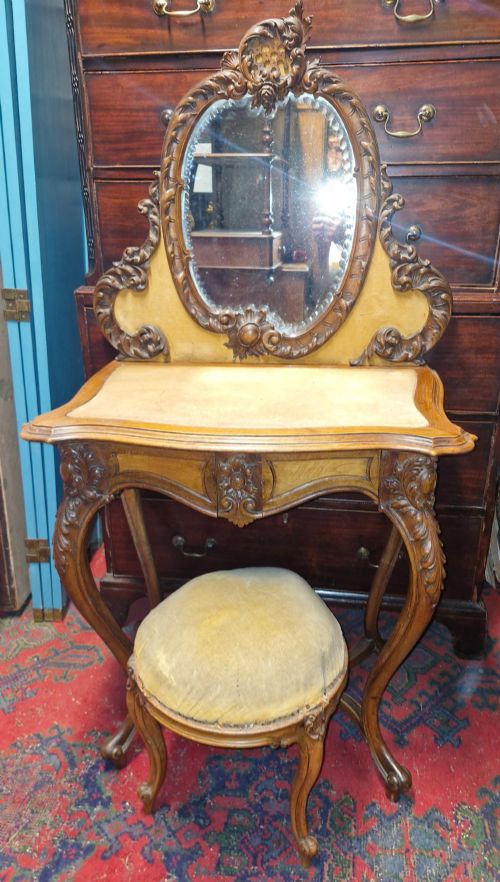
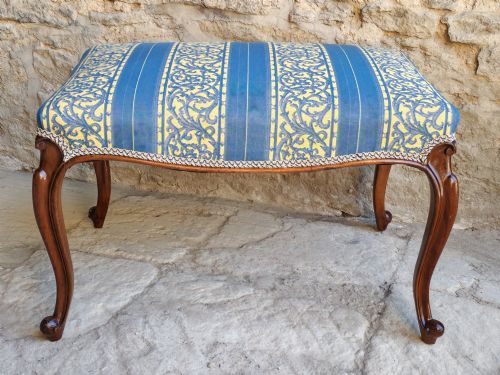
Makers drew on Louis styles, Rococo revival, and Empire designs, producing X-frame supports, cabriole legs, and long duet seats. Buyers encounter these forms upholstered in needlework, velvet, or silk, ready to function as footstools, ottomans, or low coffee tables.
Materials and Technique
Carpenters shaped frames from solid walnut, mahogany, beech, and giltwood, applying carved details and painted finishes. Joinery relied on traditional framing methods to support weight on compact forms.
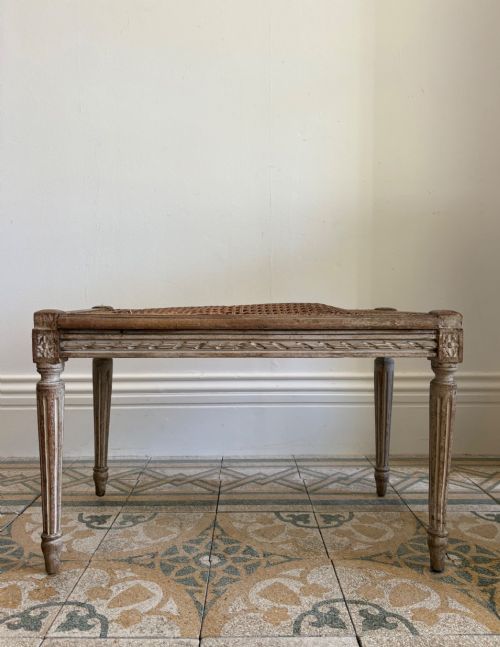
Upholstery utilised brass tacks, cane webbing, and needlepoint tapestry or original fabric over webbed bases. Gilded surfaces often employed gold leaf over gesso to catch the light in formal rooms.
Antique French Stool Retail Price Guide 2026
Typical asking prices for french stool among the pieces listed under this phrase on Sellingantiques today, from the lower quarter to the upper quarter. They describe what is for sale here now, not the wider market.
Several rustic blocks show heavy gnarled legs that likely spent decades beside provincial milking sheds before entering the market.
Judging Quality
The distinction between ordinary and exceptional pieces rests in the crispness of the hand-carved foliage, cabriole curves, and gilt surfaces. Finer examples retain their original gilding or tight cane work without structural compromise.
Proportion and wood selection dictate standing, as dense walnut and well-figured mahogany outlast softer timbers. The integrity of the frame joints determines whether a seat remains solid under daily use.
LOIDRAULT FRERES PARIS
The Antique French Stool Glossary
- Cabriole leg
- A furniture leg that bends outward in a convex curve and tapers inward to a foot, typical of Louis styles.
- Giltwood
- Timber coated with gold leaf or powder over a prepared ground, common in formal eighteenth and nineteenth-century seating.
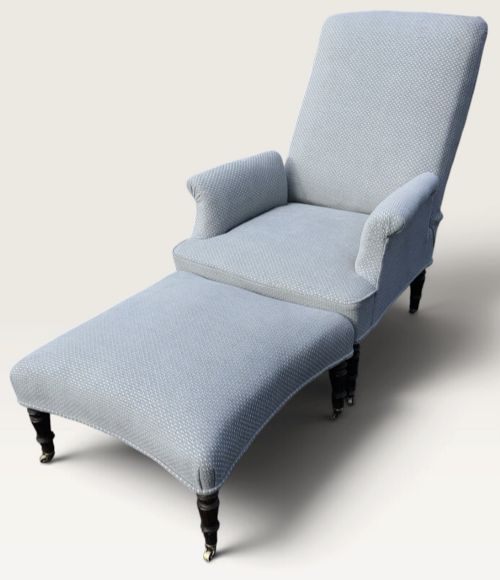
- Duchesse brisee
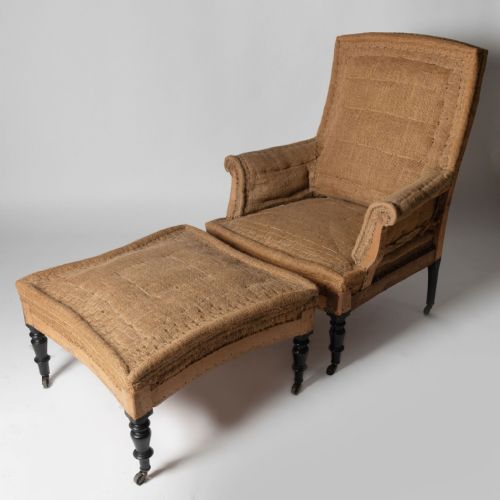
- A two or three-part chaise longue comprising an armchair and a matching long stool or footstool.
- Needlepoint
- Embroidery stitched on canvas mesh, frequently used to cover nineteenth-century footstools and tapestries.
Antique French Stool: Frequently Asked Questions
How are antique french stools used today?
These low seats function easily as footstools, ottomans, or occasional seats in living areas and bedrooms. Many buyers also utilise longer window seats as low coffee tables.
Their compact size permits placement at the foot of a bed or beside a fireplace without crowding the room.
How do I identify the period of a stool?
Dating relies upon stylistic cues like cabriole legs, carved crests, and the presence of Empire or Louis revival motifs. Wood types and joinery methods further clarify whether a piece originates from the mid nineteenth century or later.
Makers' stamps or marks occasionally appear on the underside of walnut frames to confirm exact origins.
Are original upholstery and fabrics common?
Some pieces retain early needlework or tapestry covers, while others require new fabric due to wear over time. Listings frequently note whether the webbing and stuffing remain original or ready for fresh upholstery.
Replacing fabric lets buyers match modern interiors while preserving the historic wooden frame underneath.
What is the difference between rustic and formal styles?
Formal pieces display giltwood finishes, carved walnut, and fine silk or velvet upholstery reflecting court aesthetics. Rustic versions utilise solid elm, beech, and painted surfaces designed for practical utility in rural homes.
Both categories share compact proportions but serve entirely different decorative environments.