

Antique French Side Chest
An antique french side chest brings regional European craftsmanship and practical surface space into a modern interior.
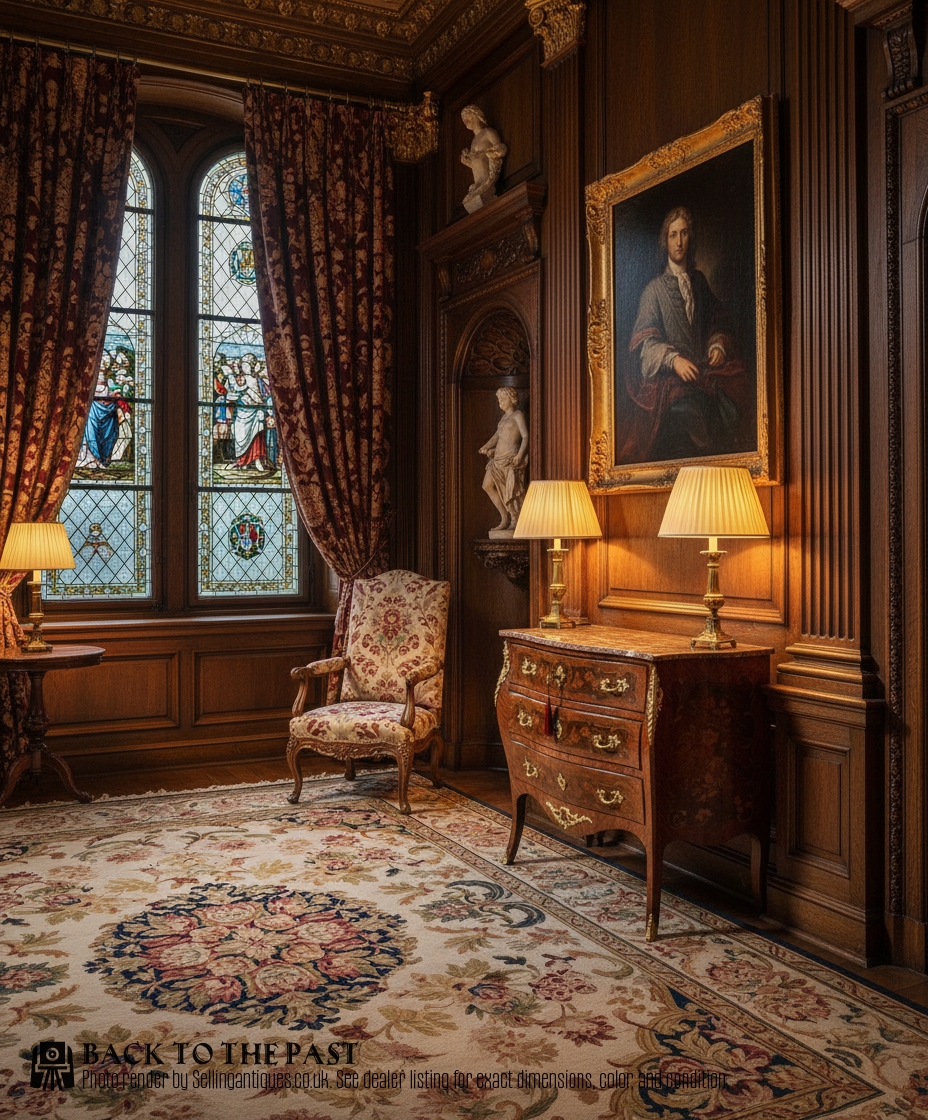
Antique French Side Chest
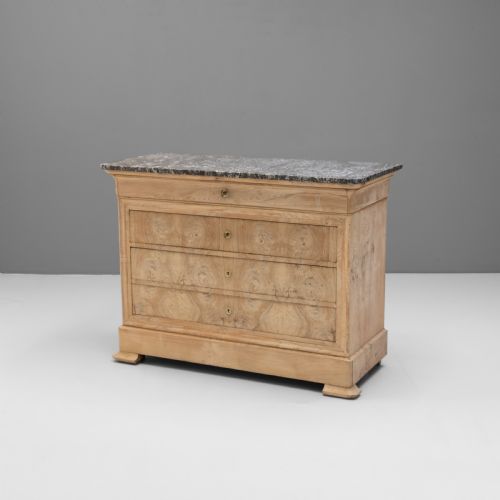
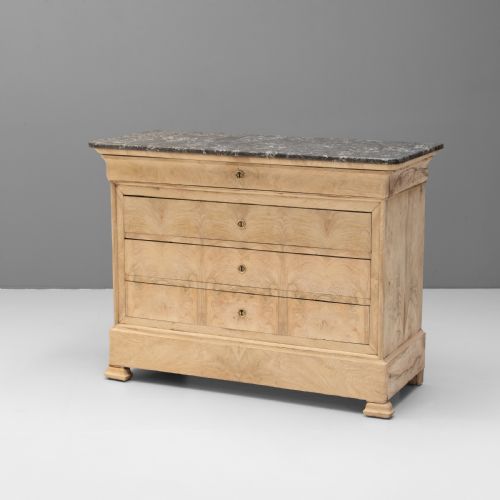
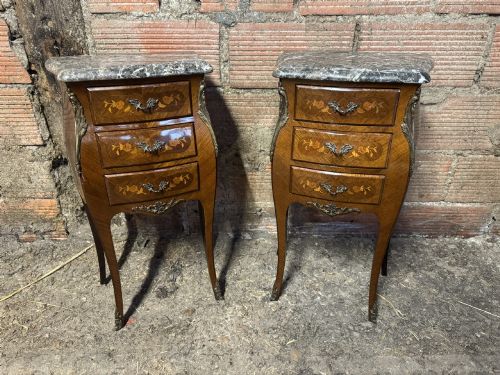
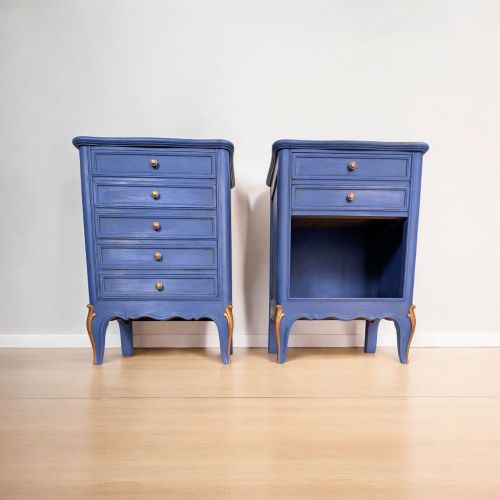
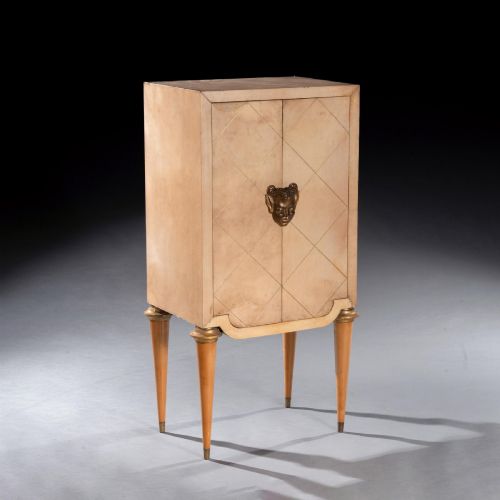
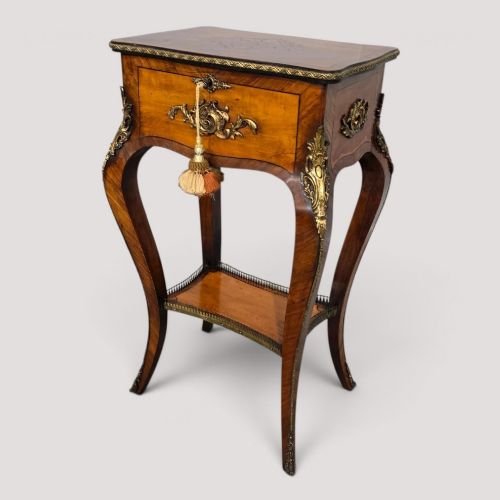
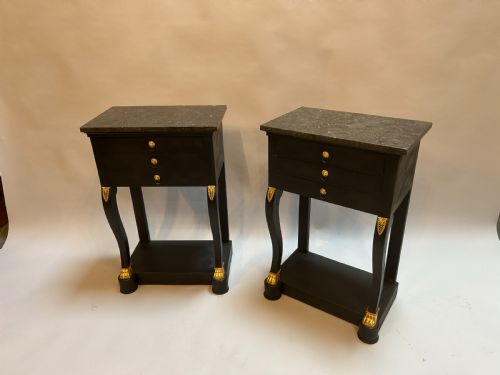
The term antique french side chest encompasses commodes, bedside cabinets, and small lamp tables originating from various European periods. These pieces serve primarily as compact storage solutions with flat upper surfaces suited for lamps or display items.
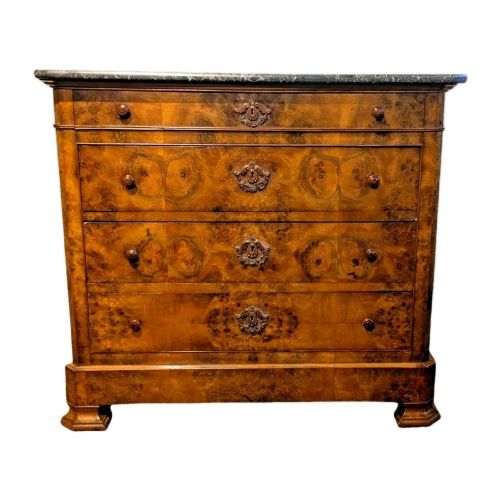
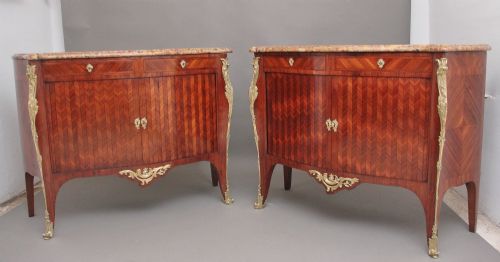
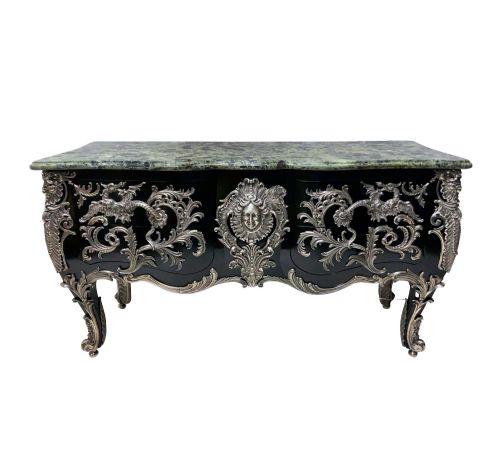
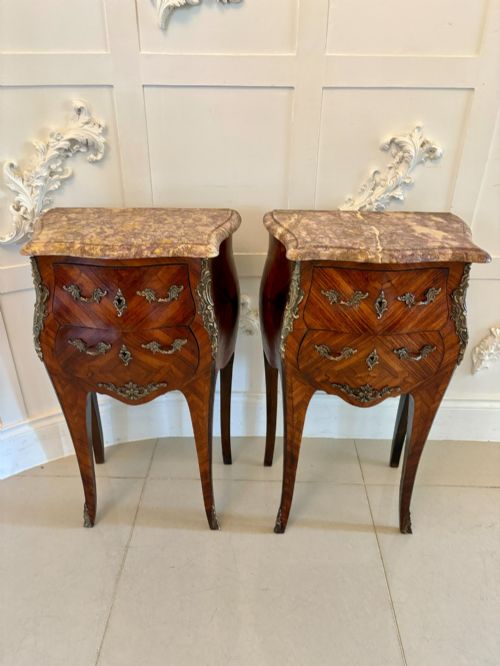
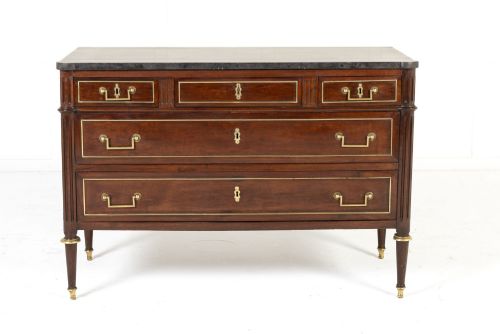
Commodes and bedside chests dominate the available selections, ranging from substantial eighteenth-century walnut and cherrywood iterations to lighter twentieth-century revival pieces. Buyers frequently encounter marble-topped variants alongside intricate marquetry and parquetry designs.
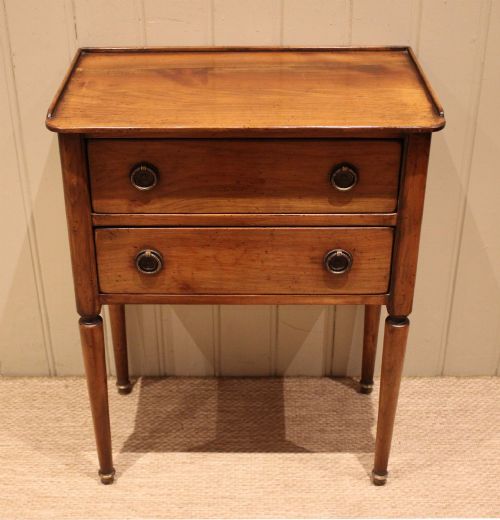
The form spans formal Louis-style court aesthetics through to simpler provincial and regional expressions. Proportions remain relatively compact compared to standard British storage furniture, fitting easily into smaller hallways or bedrooms.
Assessing craftsmanship and execution
The refinement of the surface marquetry and the precision of the veneer matching dictate the visual hierarchy of the piece. Superior examples display seamless grain transitions across drawer banks and complex geometric arrangements without visible gaps.
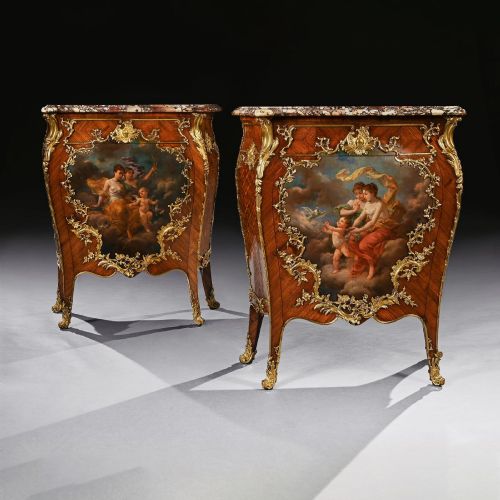
Quality reveals itself in the weight and detail of the cast ormolu mounts and bronze hardware. Hand-chased mounts with sharp definition separate exceptional workshop output from simpler, mass-produced decorative additions.
Structural integrity depends on the seasoning of the timber and the accuracy of the internal drawer construction. Smooth drawer operation and well-fitted marble slabs indicate meticulous initial carpentry.
Antique French Side Chest Retail Price Guide 2026
Typical asking prices for french side chest among the pieces listed under this phrase on Sellingantiques today, from the lower quarter to the upper quarter. They describe what is for sale here now, not the wider market.
Current selections feature walnut, kingwood, oak, and cherrywood materials across eighteenth and nineteenth-century periods.
E. Kahn
The Antique French Side Chest Glossary
- Commode
- A low chest of drawers or cabinet originating in France. These pieces typically feature multiple storage tiers and often carry marble tops.
- Ormolu
- Gilded bronze mounts utilised for decorative enrichment on furniture frames. The technique involves applying gold amalgam to cast bronze.
- Marquetry
- Inlaid wood veneers assembled to form decorative pictures or patterns. Artisans cut various contrasting timbers to fit precisely within a background veneer.
- Bombé
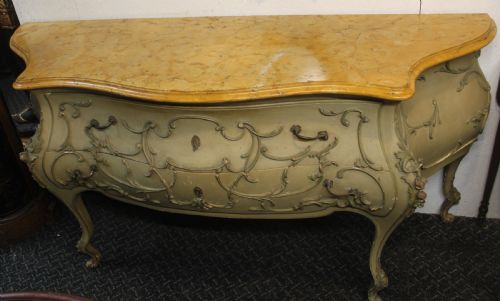
- A swelling, convex curved profile applied to the front and sides of a cabinet. This curved contour demands advanced woodworking skill to construct.
- Parquetry
- Geometric wood inlay patterns resembling mosaics. Squares, triangles, and diamonds combine to produce repetitive surface designs.
Antique French Side Chest: Frequently Asked Questions
What is an antique french side chest used for?
These pieces function as versatile storage units for small items while providing a sturdy surface for lamps or decorative objects. Their compact footprints allow them to fit easily beside beds or within narrow hallways.
Historically, they held personal items or bedside necessities, a purpose that translates well to modern domestic spaces as nightstands or occasional hallway tables.
How do I identify a Louis XV style chest?
Louis XV style pieces are defined by sweeping serpentine lines, cabriole legs, and asymmetrical rococo ornamentation. These items often incorporate floral marquetry and restrained ormolu mounts.
The overall silhouette avoids straight lines, favouring soft curves that reflect the decorative arts of the mid-eighteenth century and later revival periods.
Are marble tops original to these chests?
Marble tops are a standard feature on many continental commodes and bedside cabinets, serving both decorative and practical functions. They provide a durable, heat-resistant surface for daily use.
While most period examples retain their fitted stone surfaces, the presence of marble requires careful handling during transit and placement.
What is the difference between provincial and court styles?
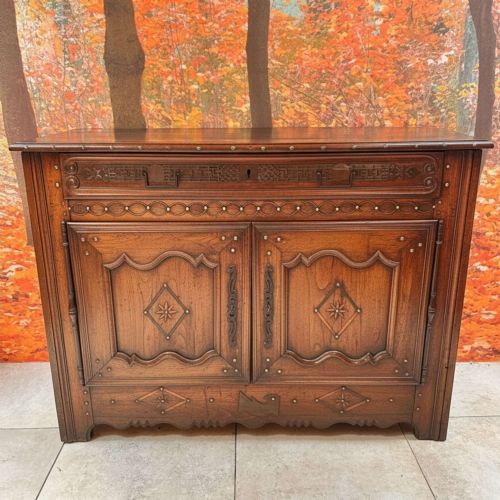
Provincial furniture draws on local traditions, utilising regional timbers like cherrywood, chestnut, and elm with simpler, sturdier construction. These pieces emphasise functional utility over elaborate ornamentation.
Court styles, including Louis XV and Empire designs, employ exotic veneers, intricate marquetry, and gilt bronze mounts to project formality and refined status.