
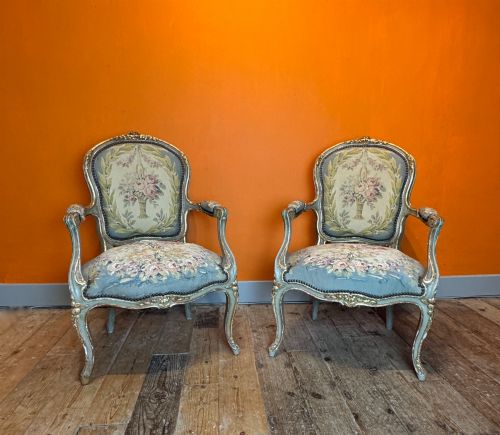
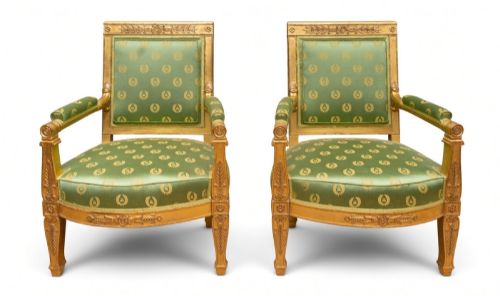
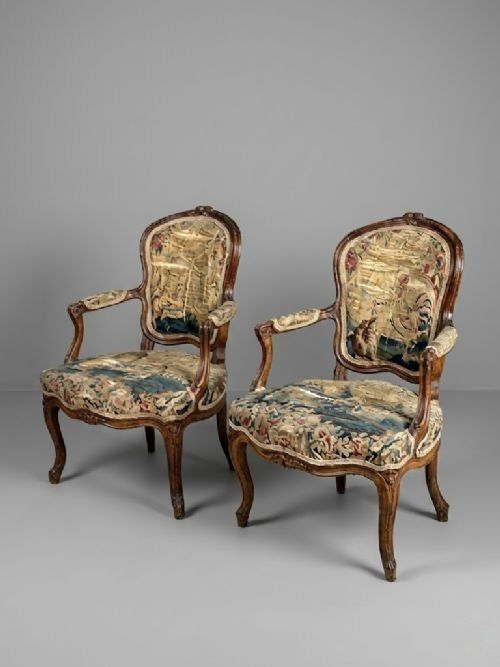
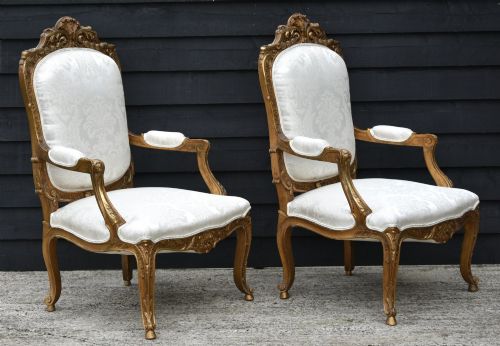
Antique French Salon Pair
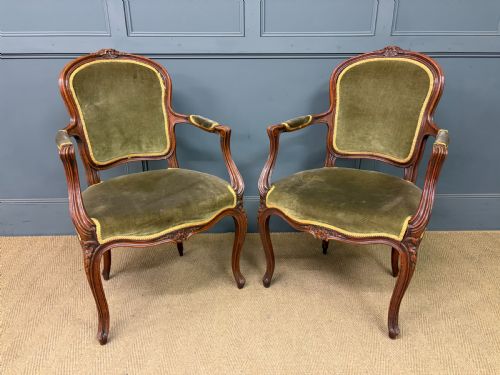
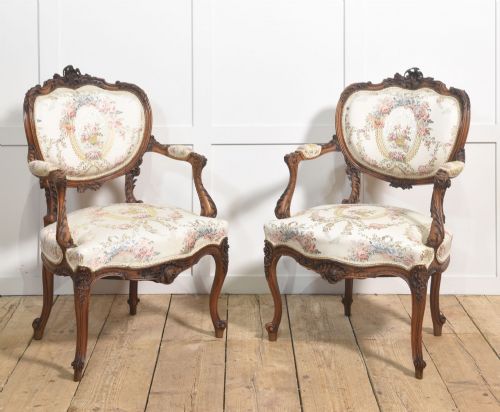
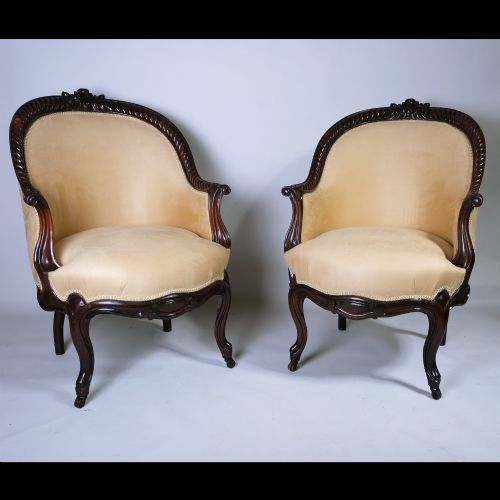
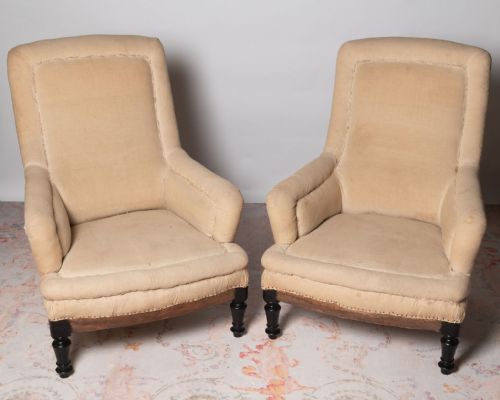
When you select an antique french salon pair, you acquire matching seating designed for formal reception rooms, spanning the eighteenth to the early twentieth centuries.
Antique French Salon Pair
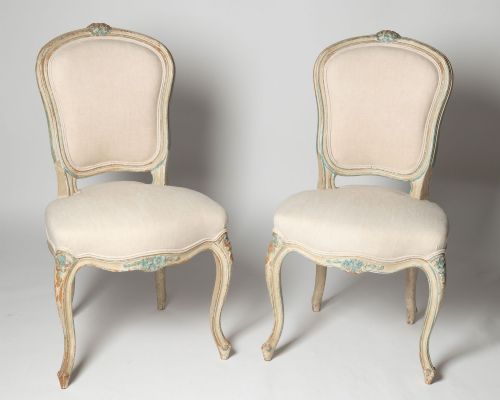
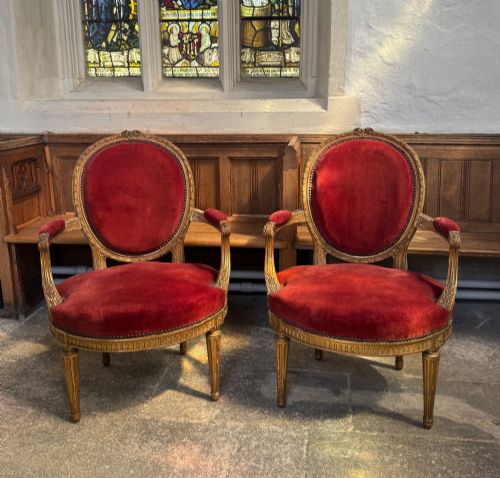
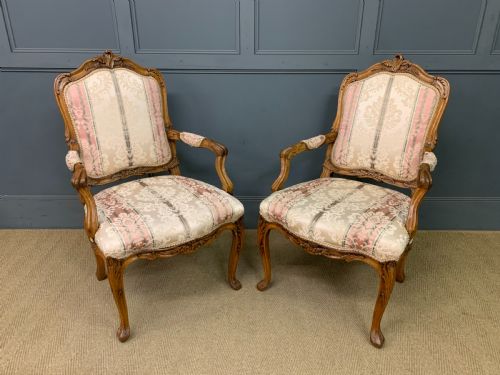
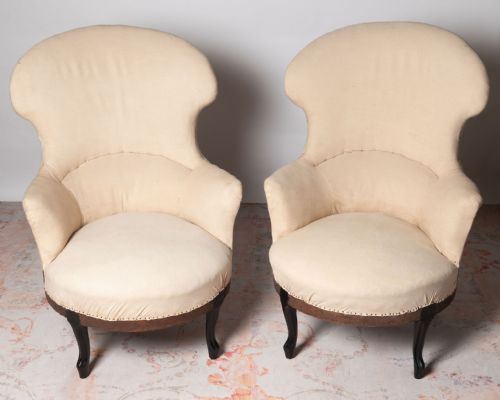
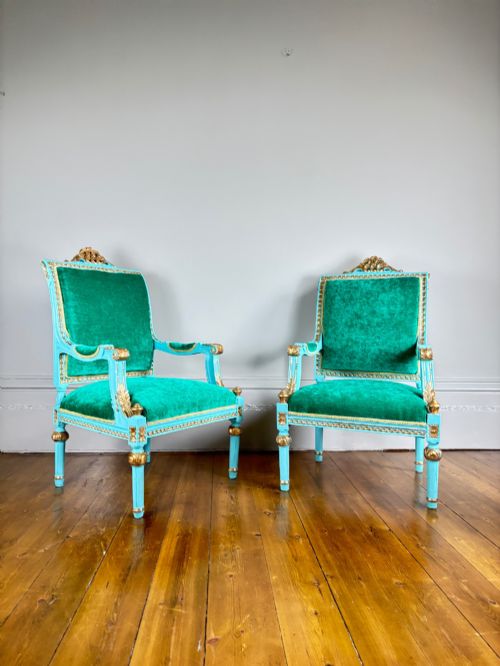
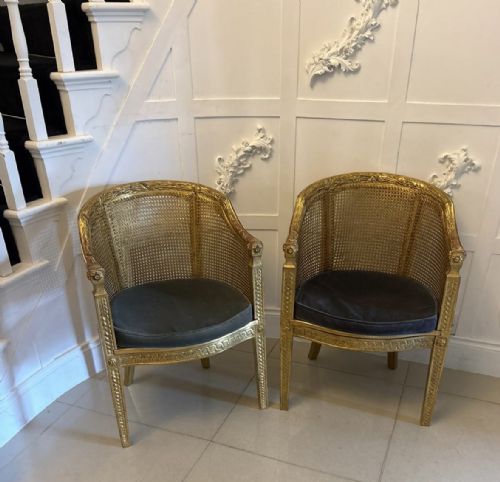
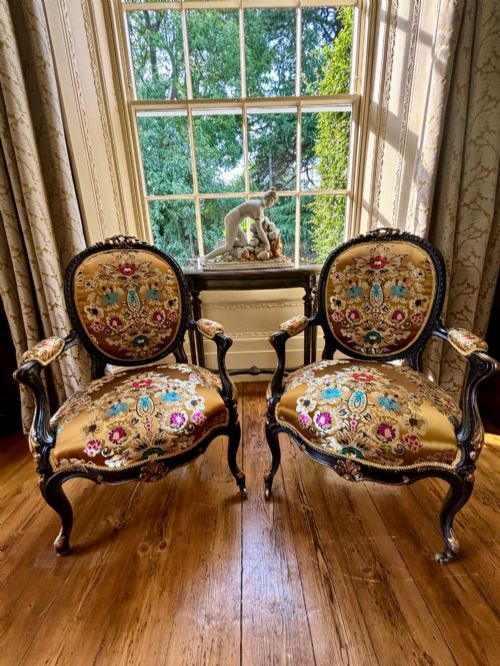
An antique french salon pair brings together two matching seats created for formal entertaining and interior display. These objects typically take the form of armchairs, fauteuils, side chairs, or smaller occasional seating designed for domestic reception rooms.
The selections available here reflect periods ranging from the late eighteenth century through the nineteenth century and into the Edwardian era and 1930s. Buyers will frequently encounter versions reflecting the revival of Louis XV and Louis XVI tastes alongside French chateau styles.
Makers often drew upon classic forms, producing pieces executed in walnut, giltwood, mahogany, and painted wood. The resulting duos provide balanced decoration for drawing rooms, bedrooms, and sitting areas.
Materials and Construction
Frame construction relies heavily on traditional timber selection, with walnut, beech, oak, and mahogany forming the structural backbone of these seats. Carvers shaped these woods into curved cabriole legs, fluted columns, and ornamented rails influenced by historical court designs.
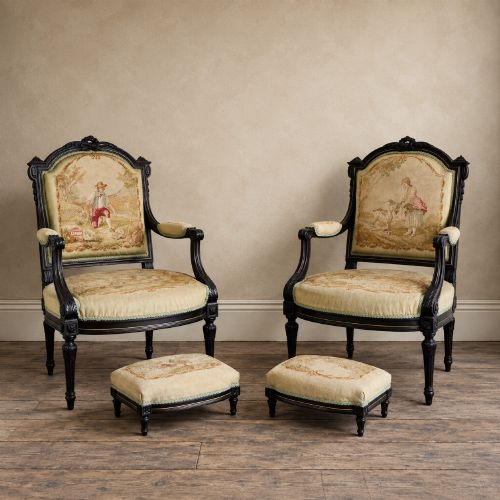
Surface finishes include hand-applied gilding, silver gilt, ebonisation, and painted or parcel-gilt treatments. Upholstery methods incorporate traditional stuffing and webbing covered in contemporary or period textiles such as silk, velvet, tapestry, and linen.
Upholstery choices documented across the archive include Aubusson tapestry, silk fabric, velvet, and plain linen.
Factors of Quality
The distinction between standard commercial production and superior examples rests in the crispness of the hand-carved ornamentation upon the wood frame. Fine pieces display deep, intentional relief work rather than shallow or mechanical pressing.
Proportion and structural integrity also dictate worth, as master workshops ensured balanced frames that maintain stability without heavy supplementary bracing. The quality of the original or renewed upholstery materials further elevates the finished standard of the seating.
Jacob-Desmalter·Holland & Sons
The Antique French Salon Pair Glossary
- Fauteuil
- An open-framed armchair with upholstered back and armrests, typically featuring exposed wood sides. This form became central to French interior seating from the seventeenth century onward.
- Giltwood
- Timber that has been coated with a thin layer of gold leaf or powder over a prepared gesso ground. This finish was widely utilised for formal salon furniture to catch candlelight.
- Louis XVI Style
- A neoclassical design vocabulary characterised by straight tapered legs, geometric symmetry, and classical motifs like acanthus leaves and ribbons. It emerged as a reaction against earlier rococo curves.
- Ormolu
- Gilded bronze mounts applied to furniture for decorative accent and edge protection. Makers fastened these metallic details onto mahogany and walnut frames during revival periods.
- Bergere
- An enclosed armchair featuring upholstered sides filled in with fabric, cane, or leather. This model offers a deeper seat than the standard open-armed fauteuil.
Antique French Salon Pair: Frequently Asked Questions
How were salon chairs used historically?
These seats were arranged around reception rooms to accommodate guests during formal gatherings, musical evenings, and social calls. Their lightweight construction allowed servants to reposition them easily within the room as conversation groups shifted.
Because they were meant for display as much as utility, owners placed them against walls or paired them symmetrically beneath mirrors and wall sconces when not occupied.
How do I distinguish Louis XV from Louis XVI style?
Louis XV pieces rely on asymmetrical curves, organic shell motifs, and flowing cabriole legs that sweep outward without sharp corners. The overall aesthetic mimics natural growth and undulating movement.
In contrast, Louis XVI items embrace neoclassical straight lines, right angles, and fluted columns derived from ancient architectural discoveries. Symmetry and restraint define this later decorative vocabulary.
Are these chairs suitable for daily seating?
Many examples are structurally robust enough for regular use, provided the internal webbing and upholstery have been properly maintained or restored. Walnut and mahogany frames offer strong support for everyday living spaces.
However, delicate giltwood finishes or antique silk textiles require more careful handling to prevent surface wear. Owners often balance practical placement with the preservation of fragile decorative elements.
What does parcel gilt mean?
Parcel gilt describes a decorative treatment where only specific carved details, such as floral motifs or edge mouldings, are highlighted with gold leaf. The rest of the wooden frame receives a contrasting painted, ebonised, or natural wood finish.
This technique creates visual depth and draws attention to the precision of the woodcarver's handiwork without overwhelming the entire piece in gold.