


Antique French Pottery Pair
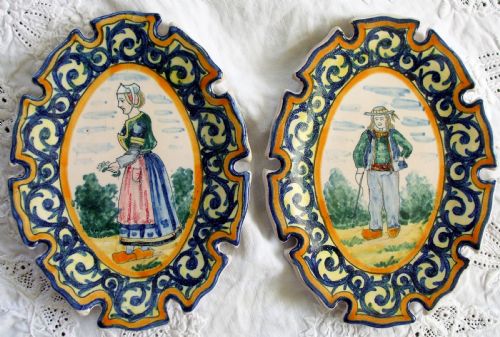
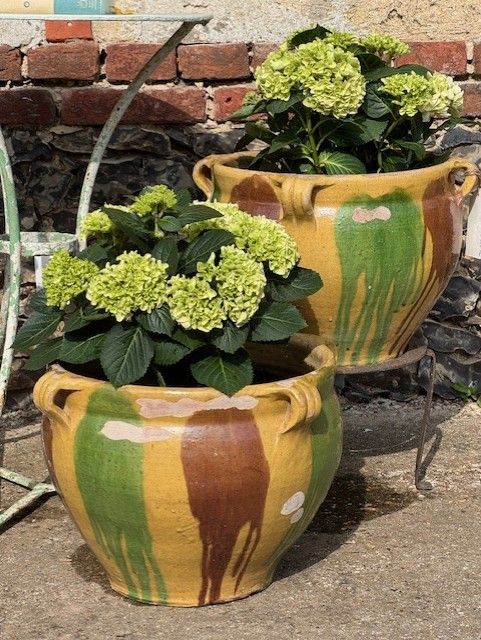
These antique french pottery pair pieces are matching decorative vessels and figures shaped by centuries of European kiln tradition, offering symmetrical charm for any interior.
Antique French Pottery Pair
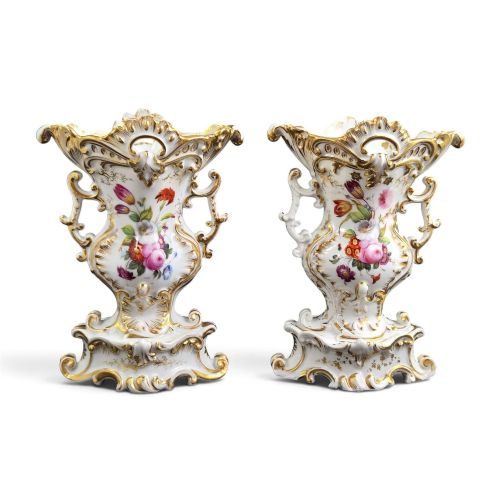
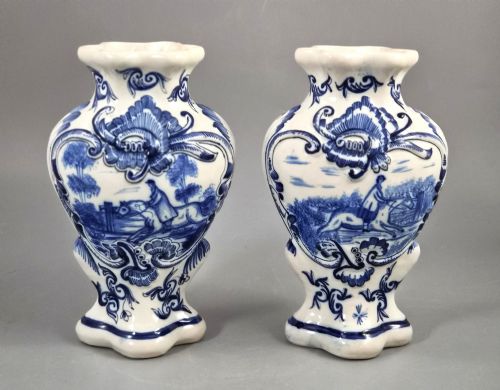
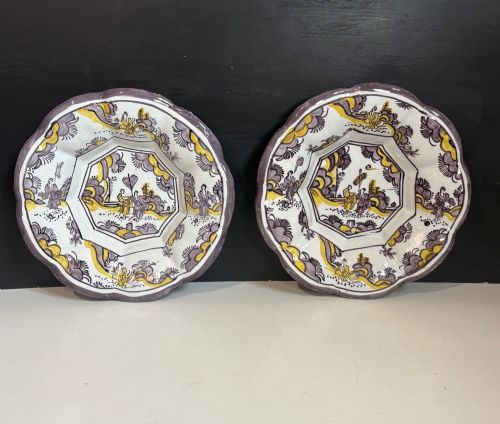
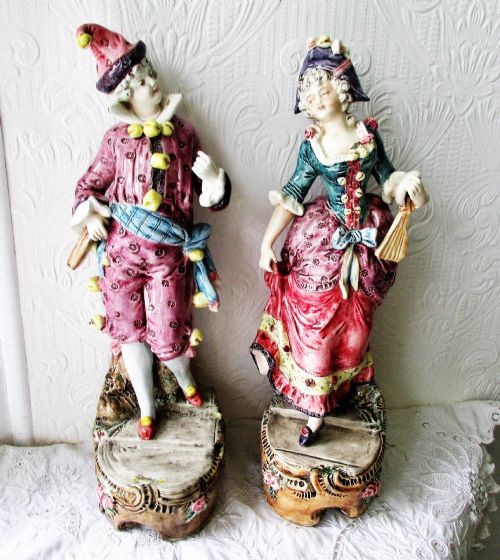
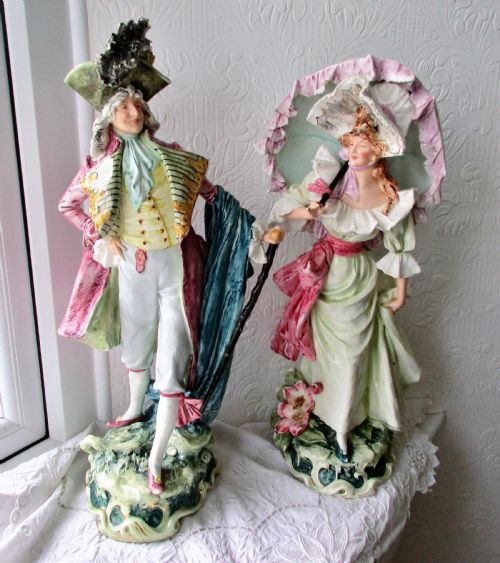
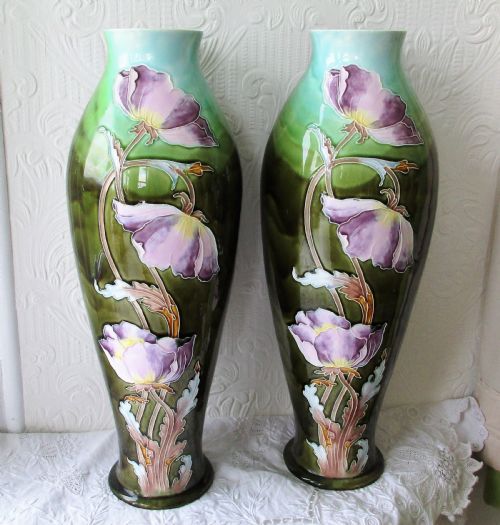
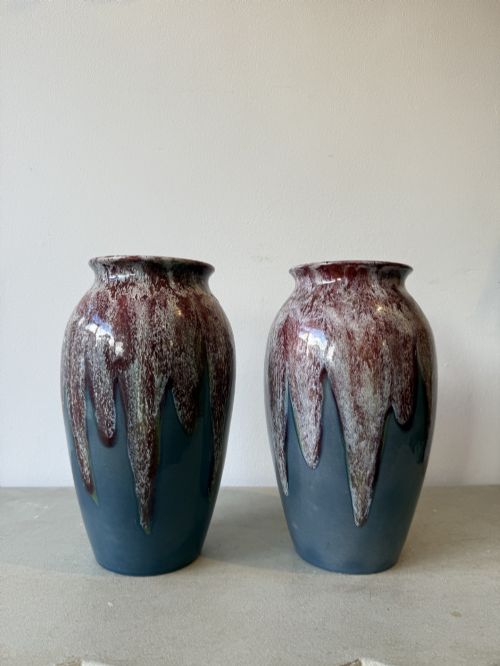
An antique french pottery pair brings together matching vessels, figures, or dishes created in tandem to flank a mantelpiece, table, or wall. When searching for an antique french pottery pair, collectors encounter items spanning the eighteenth century through to the mid twentieth century, reflecting shifting tastes across French provinces and urban workshops.
The selections on this page draw heavily on traditional earthenware, tin-glazed faience, and porcelain forms. Prominent styles range from ornate French Rococo Revival and intricate Art Nouveau motifs to simpler French Country and provincial expressions.
Vases, urns, pin trays, and decorative figurines dominate the available forms. Many examples feature hand-painted polychrome or blue and white decoration, capturing domestic scenes, historical figures, and floral patterns unique to their respective eras.
Assessing quality in matched sets
The depth and brilliance of the glaze and enamel work further distinguish standard provincial output from pieces produced by notable makers. Preservation of the original glaze without excessive fading or loss of pigment dictates the desirability of a set.
Jacob Petit·Fourmaintraux-Courquin·HR Quimper·Jules Vieillard
The Antique French Pottery Pair Glossary
- Faience
- Tin-glazed earthenware produced in France, typically featuring a white opaque background painted with colourful mineral pigments.
- Tin Glaze
- A lead glaze rendered opaque by the addition of tin oxide, used extensively on European pottery before the nineteenth century.
- Polychrome
- Decoration utilising multiple distinct colours painted onto the ceramic surface, often found on jugs, jars, and vases.
- Art Nouveau
- A style characterised by flowing, organic lines and natural motifs, visible on pieces produced around the turn of the twentieth century.
- Rococo Revival
- An ornate decorative style reviving eighteenth-century asymmetrical curves, scrollwork, and naturalistic shell or floral elements.
Antique French Pottery Pair: Frequently Asked Questions
How are matching pairs displayed?
Pairs traditionally anchor mantelpieces, dressers, or console tables in symmetrical arrangements. Placing them equidistant from a central mirror or clock creates a balanced display.
Collectors also position urns and vases on pedestals or sideboards where both pieces receive equal light to highlight their hand-painted glazes.
What is tin glazed earthenware?
Tin glazed earthenware is pottery coated with a glaze containing tin oxide, which fires to a smooth, milky white finish. This surface acts as a canvas for painted decoration.
Potters apply mineral colours directly onto the unfired or fired glaze, allowing the pigments to absorb into the surface during a subsequent kiln firing.
How do I date a pottery pair?
Dating relies on stylistic markers such as Rococo scrolls or Art Nouveau botanical lines, alongside material types like tin glaze or porcelain. Maker marks and painted signatures underneath provide further clues.
Changes in palette, from eighteenth-century limited hues to vibrant nineteenth-century polychrome enamels, help narrow down the period of manufacture.
Were these pieces purely decorative?
While many items like vases, urns, and figurines served as ornamental objects in period parlours, others had functional origins. Apothecary jars and jugs held dry goods or liquids in period interiors.
Pin trays and dishes fulfilled practical duties on dressing tables and desks before transitioning into purely decorative collector pieces today.