




Antique French Pine Desk
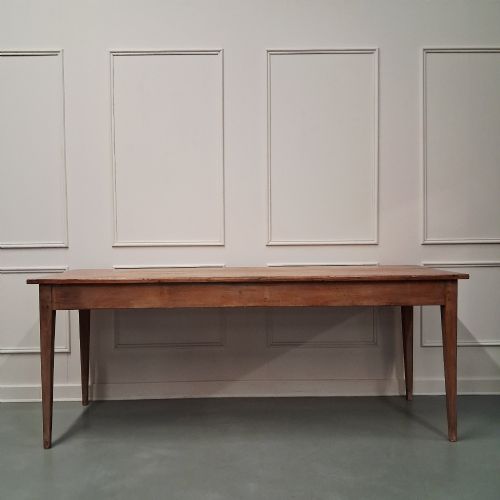
An antique french pine desk brings honest rural utility and warm honeyed timber directly into a modern study.
Antique French Pine Desk
An antique french pine desk encompasses practical writing tables and related workspace pieces rooted in nineteenth-century French provincial and country traditions. Buyers searching for an antique french pine desk will encounter straightforward timber constructions intended for daily domestic or commercial recording rather than grand formal display.
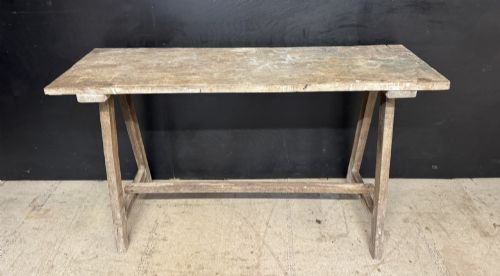
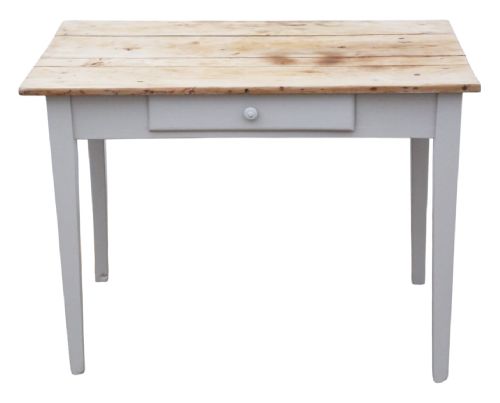
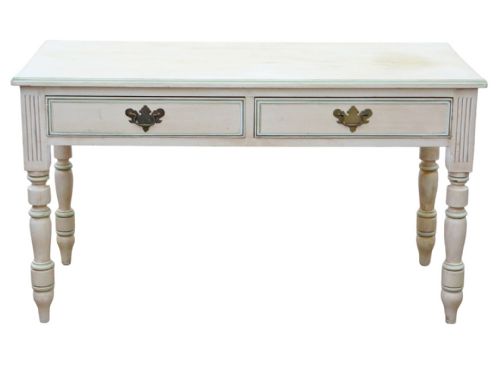
The selection on this page draws heavily from nineteenth-century forms, including painted writing tables with drawers and utilitarian surfaces associated with rural workshops. These pieces share a straightforward silhouette that prioritises knee clearance and surface area over ornamental carving.
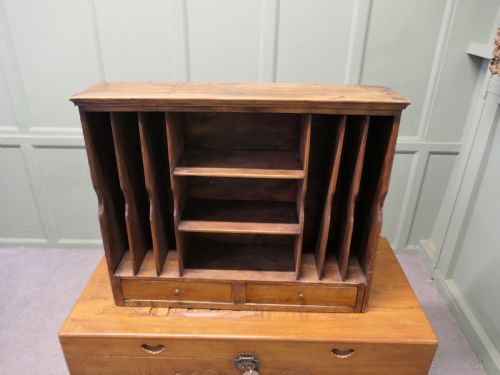
Makers utilised resilient softwood timbers suited to provincial joinery, often combining pine with oak or incorporating brass details on related organisational pieces. Regional variations lean towards French provincial and rustic farmhouse aesthetics rather than urban refinement.
Materials and construction
Joinery relies upon solid pine and timber boards joined to withstand heavy daily use in kitchens, laundries, and workshops. Workshops selected straight-grained softwood for tabletops and framing, occasionally pairing painted finishes with bare scrubbed timber surfaces.
Hardware remains strictly functional, featuring simple brass pulls or handles on drawer fronts where present. Painted timber finishes show the gradual wear of decades, while scrubbed tops reflect repeated vigorous cleaning with water and sand.
Antique French Pine Desk Retail Price Guide 2026
Typical asking prices for french pine desk among the pieces listed under this phrase on Sellingantiques today, from the lower quarter to the upper quarter. They describe what is for sale here now, not the wider market.
Assessing quality and character
Superior examples display balanced proportions and honest patination accumulated through generations of actual use rather than artificial distress. The integrity of the timber framing and the smooth movement of fitted drawers distinguish better workshop pieces from lesser utility items.
Original painted finishes or untouched scrubbed surfaces carry greater authenticity than later refinishing efforts. Subtle details like dovetail joints in drawers and appropriate period hardware separate standard utilitarian tables from finer provincial examples.
The Antique French Pine Desk Glossary
- Scrub-top
- A tabletop cleaned repeatedly with water and coarse scrubbing, leaving the softwood grain slightly raised and pale. This surface treatment is typical of nineteenth-century workspace tables.
- French Provincial
- A style originating from rural regions outside Paris, favouring simpler proportions and sturdier construction than court furniture. It emphasises utility and regional materials.
- Dovetail
- A traditional interlocking joint used in drawer construction to secure corners with high tensile strength. This method indicates competent cabinet-making.
- Patina
- The surface sheen and colour depth developed by timber and paint over decades of handling and exposure to light. A genuine patina cannot be easily replicated.
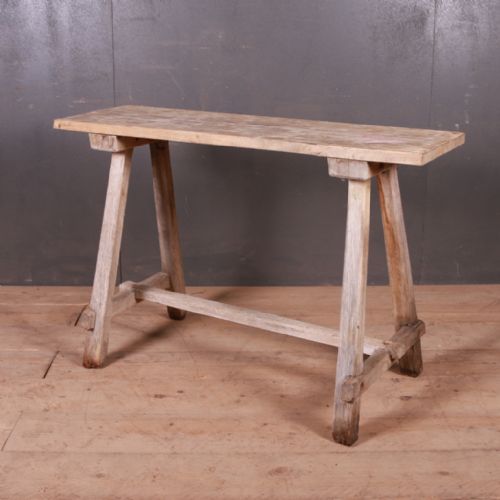
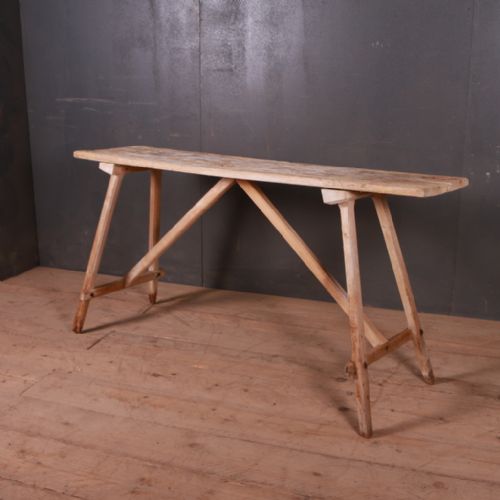
- Trestle table
- A table structure consisting of two or more vertical supports connected by a horizontal beam. This design provides robust stability for heavy work surfaces.
Antique French Pine Desk: Frequently Asked Questions
Were these desks used in offices?
Many nineteenth-century pieces served multi-purpose roles in French homes, farmhouses, and administrative spaces like laundries or post offices. Writing tasks often took place on kitchen tables or general work tables fitted with drawers.
Dedicated writing surfaces existed alongside drapers and scrub-top tables that adapted easily to paperwork. Their robust construction suited busy domestic and commercial environments alike.
How do I identify nineteenth-century pine?
Examine the board widths and tool marks, as older timber was often cut wider and shaped with hand planes. Hand-cut joinery and traditional fixings offer reliable clues to nineteenth-century manufacture.
Look for natural signs of wear, shrinkage cracks in the wood, and historical patination that modern reproductions lack. The density and weight of seasoned pine also help confirm age.
Can I use a farmhouse table for writing?
Many nineteenth-century work tables and kitchen tables feature comfortable working heights and drawer storage suitable for modern writing use. Checking the clearance beneath the apron ensures your legs fit comfortably while seated.
Their generous surface area provides ample space for laptops, ledgers, and writing equipment. The sturdy pine construction easily handles daily desktop tasks.