


Antique French Pier Glass
An antique french pier glass brings architectural height and deep reflection to a room, catching the light between windows.
Identifying an antique french pier glass
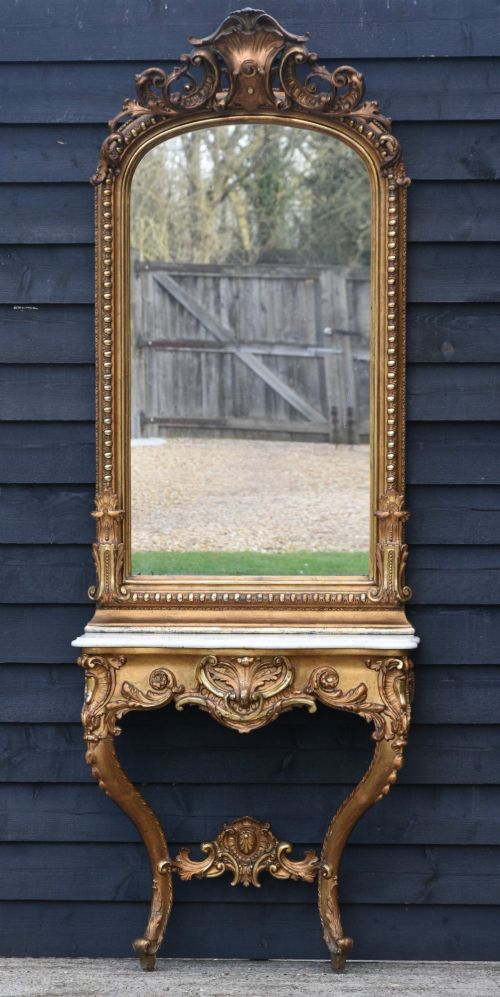
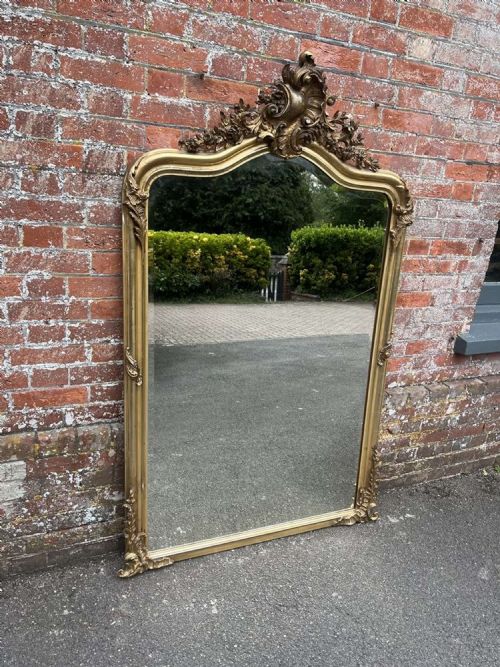
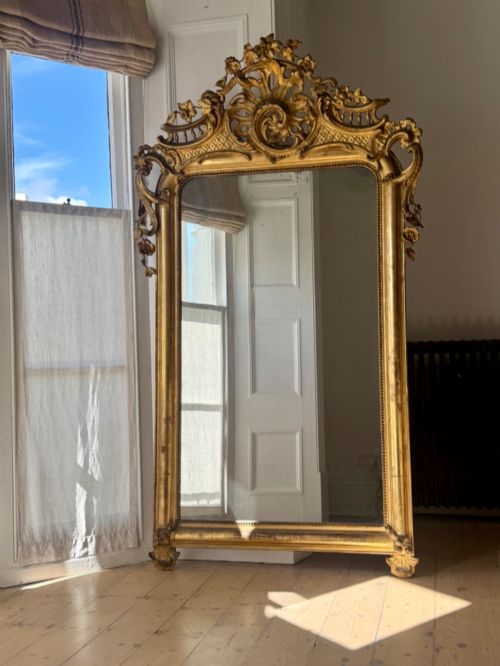
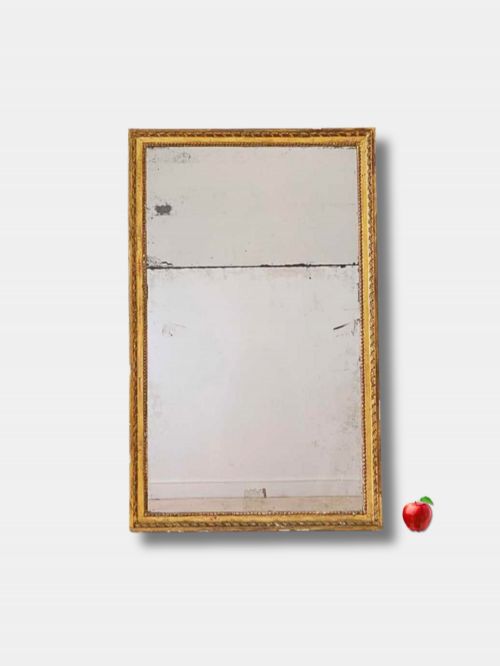
An antique french pier glass is a tall wall mirror traditionally designed to hang on the narrow wall space between windows. These mirrors span the nineteenth century, encompassing styles from the directoire and empire periods through to napoleon iii.
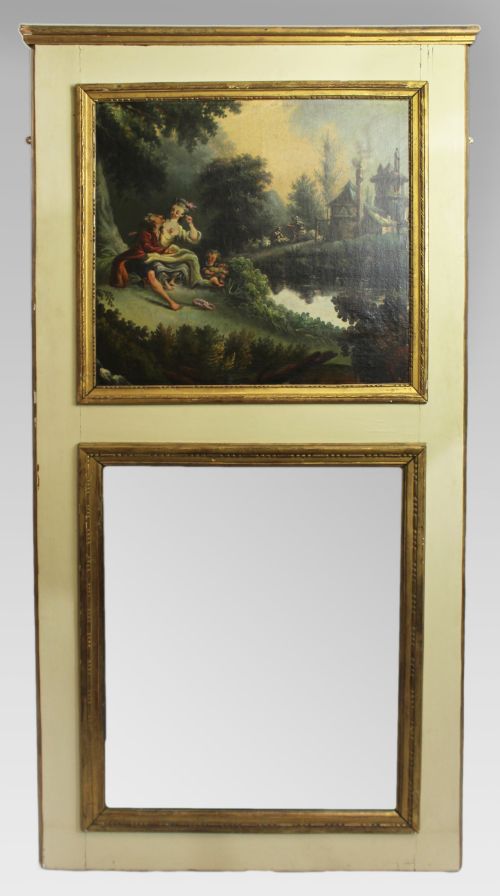
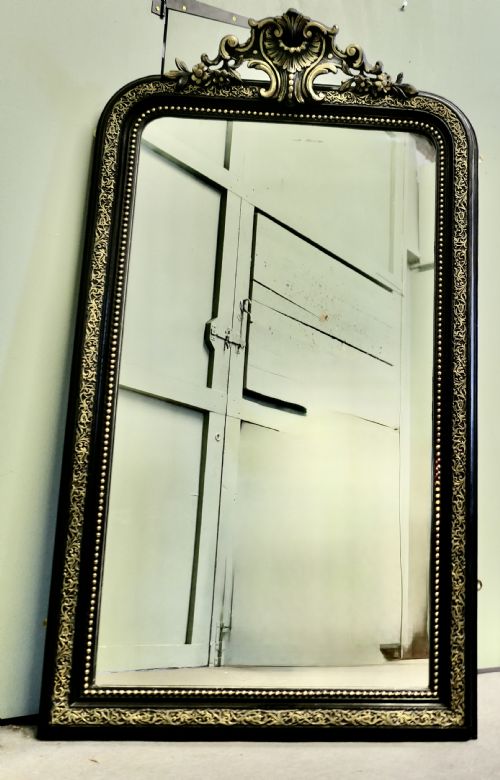
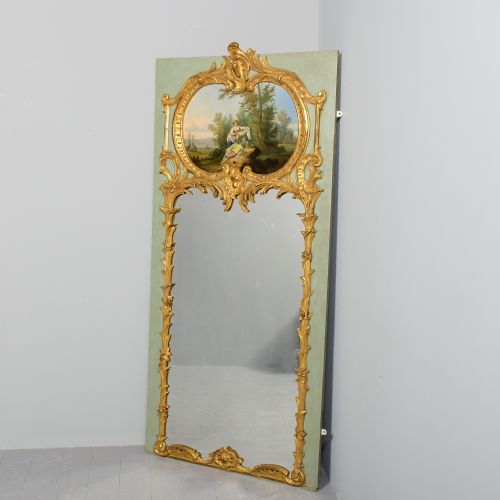
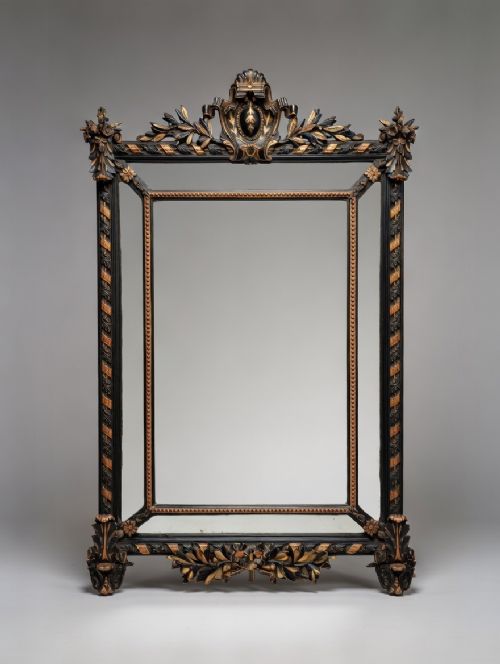
The surviving pieces take distinct forms, including tall black gold frames, trumeau mirrors, and crested margin mirrors. They serve both to amplify daylight in a room and to create an illusion of greater spatial volume.
Materials and construction
Carpenters and gilders built these frames using woods such as ebonised wood and painted wood, coated in gesso before applying gold leaf or parcel-gilt. The decorative schemes rely on traditional carving and moulding techniques characteristic of french workshops.
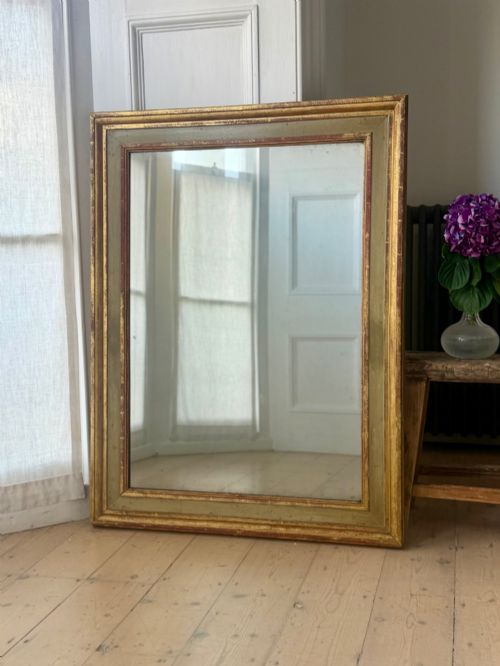
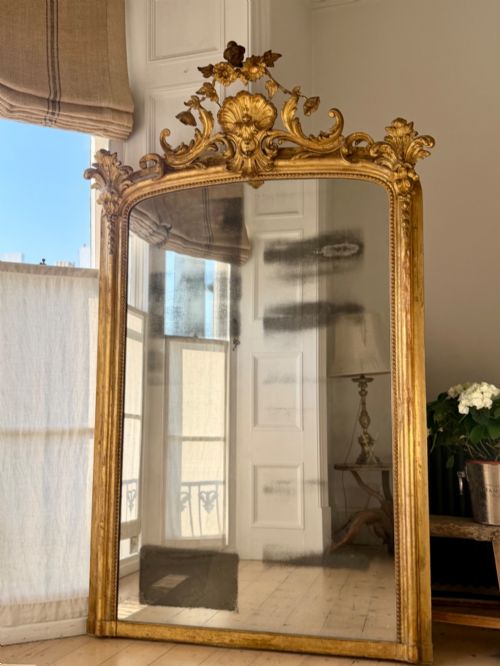
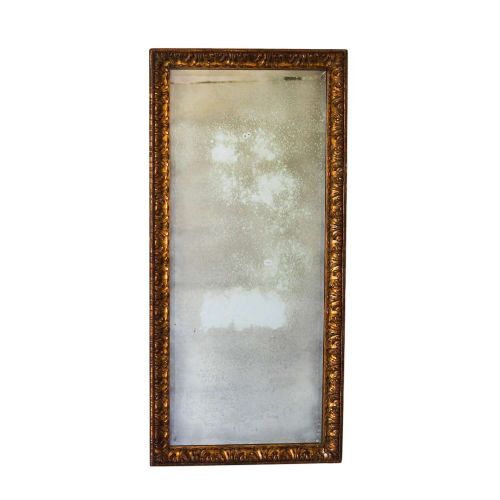
The glazing relies on original mercury glass, which produces a characteristic mottled, deep reflection distinct from modern silvered mirrors. Margin plates and crested sections are often framed within the primary structure.
Retail Price Guide 2026
Typical UK retail prices for french pier glass, calculated from the Sellingantiques database of over a million retail prices indexed since 2003. This retail price guide relies exclusively on Sellingantiques data; no external sources or auction records are used, so the figures do not describe the wider market.
Materials recorded on this page include giltwood, ebonised wood, and mercury glass.
Judging the quality
Quality rests upon the crispness of the original gilding and the depth of the carved detail on the gesso surfaces. Frames that retain their original parcel-gilt or ebonised finishes without heavy restoration command greater appreciation.
The character of the glass itself defines the piece, with undisturbed mercury plates offering a softer, more atmospheric reflection than replaced glass. The overall proportion and architectural harmony of the frame dictate its visual presence.
The Antique French Pier Glass Glossary
- Trumeau
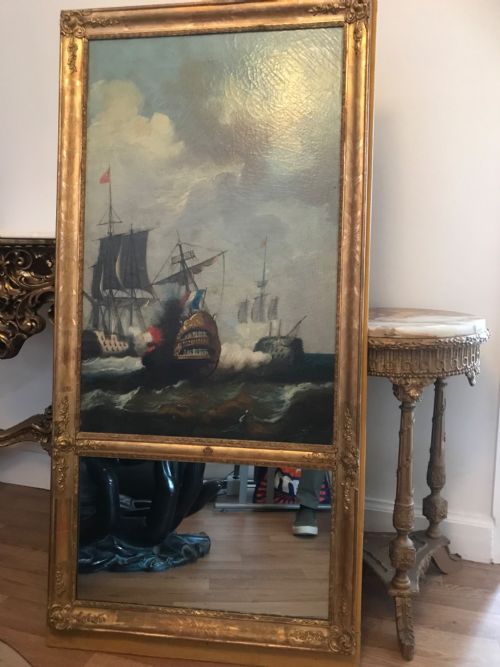
- A decorative wall panel that incorporates a painting or carving alongside a mirror glass. These pieces are typically flush-mounted and ornately framed.
- Mercury glass
- An early form of mirror plate created by pouring a tin-mercury amalgam behind the glass. It ages with distinctive dark spots and a warm, cloudy reflection.
- Parcel-gilt
- A finishing technique where only specific raised portions of a carved wooden frame are gilded. The remaining areas show painted or dark wood.
- Gesso
- A plaster-like mixture applied to wood frames to provide a smooth base for gilding. Skilled artisans carved intricate relief patterns directly into this layer.
Frequently Asked Questions
Where should I hang a pier glass?
These mirrors were originally scaled to fit the narrow wall space between two windows, where they could reflect incoming daylight. Placing one in a similar position today maintains its traditional architectural purpose.
Alternatively, hanging a tall pier glass above a mantelpiece or console table creates a strong focal point in a reception room. The vertical proportions help to visually elevate low ceilings.
How do I clean mercury glass?
The fragile nature of original mercury glass requires a gentle approach to maintenance. Avoid harsh chemical cleaners and modern ammonia-based sprays that can seep behind the plate and damage the backing.
Use a soft, dry microfibre cloth to remove dust from the surface. If necessary, a slightly damp cloth with plain water can be used sparingly, followed immediately by thorough drying.
What is a trumeau mirror?
A trumeau is a combined architectural panel and mirror designed to fit into the wood panelling of a room. The upper section often contains an oil painting or a carved wooden relief, while the lower section holds the mirror plate.
These pieces became popular in eighteenth-century france and continued through the nineteenth century. They bring both artwork and reflection into a single unified wall hanging.
How do I date an antique mirror?
Dating relies on examining the construction methods of the wooden frame, the style of the carving, and the composition of the glass plate. Nineteenth-century pieces often show specific stylistic revivals such as napoleon iii or directoire.
The backing boards, fixings, and the character of the mercury silvering also offer clues to the age of manufacture. Hand-beveled edges and tool marks on the frame timber further help narrow down the period.