
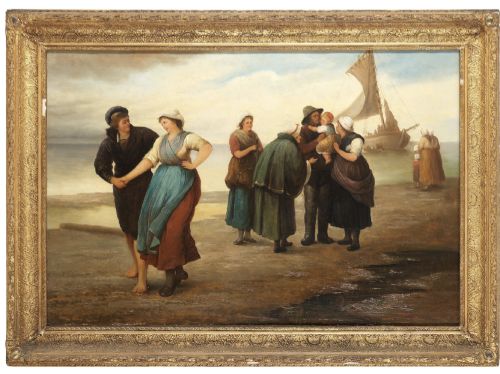
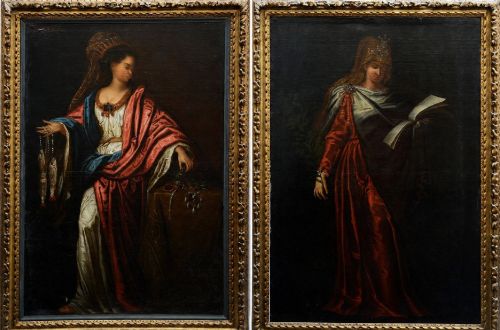

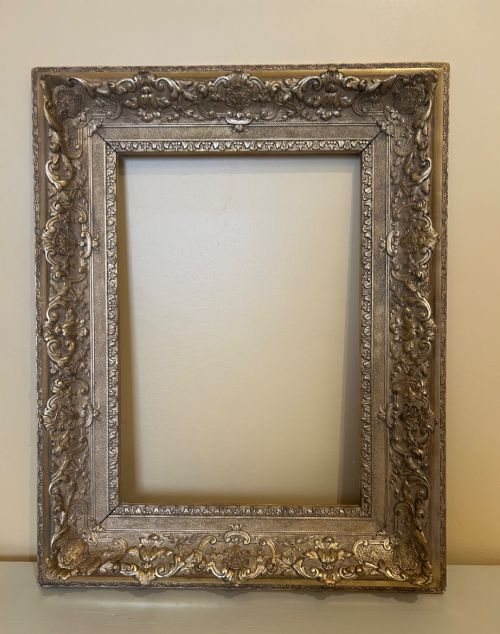
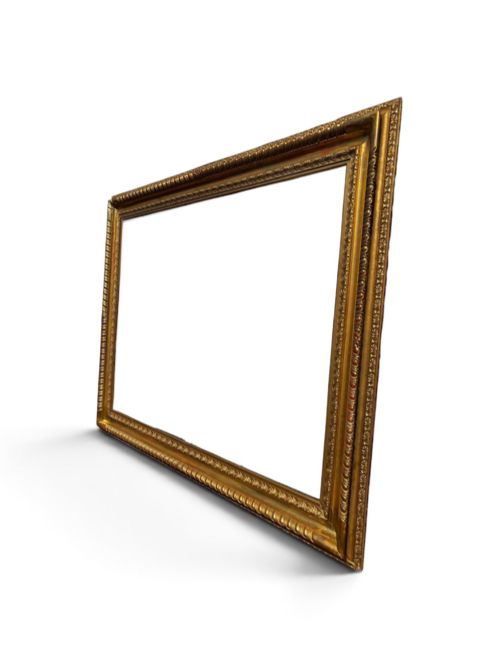
Antique French Picture Frame
An antique french picture frame holds a cherished portrait while bringing continental elegance to a table or wall.
What an antique french picture frame is
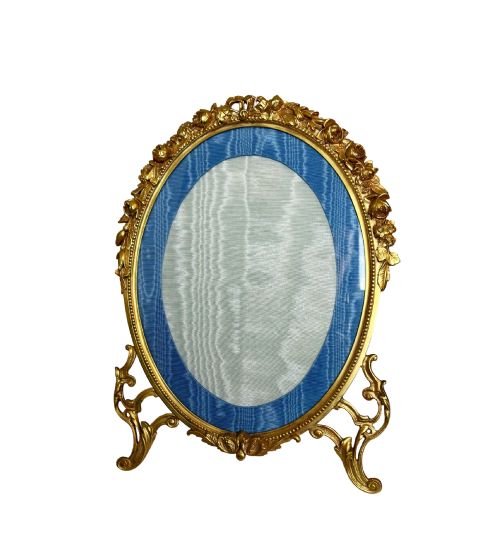
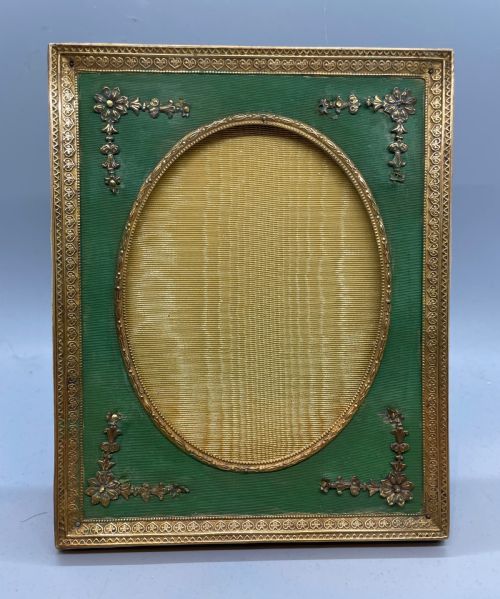
An antique french picture frame serves to display photographs and small works of art with distinct continental flair. The selection comprises pieces originating from various periods including Victorian examples alongside items dated from eighteen ninety up to nineteen twenty.
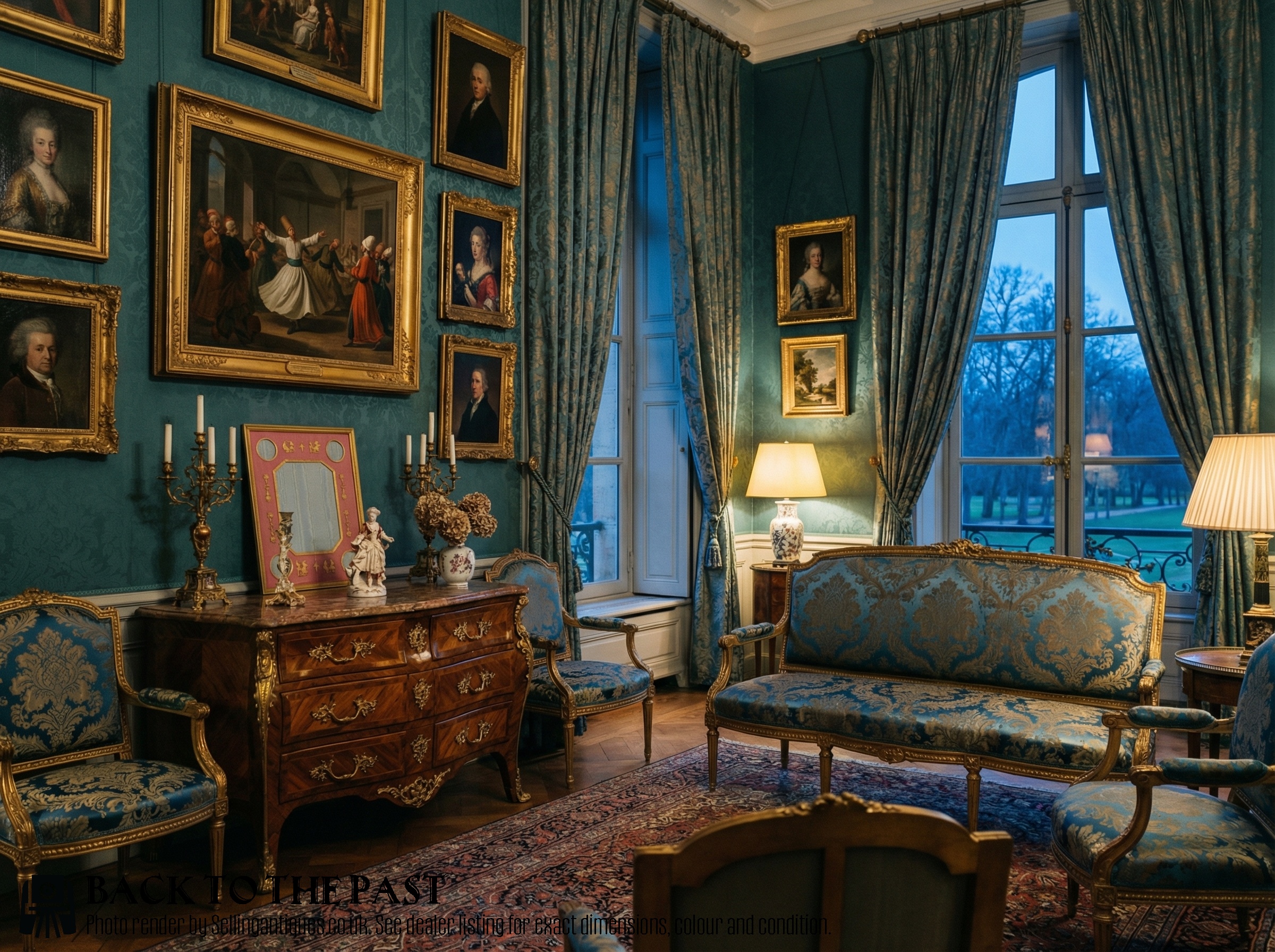
Buyers will frequently encounter ornate metalwork alongside textile elements. Common configurations range from single aperture pieces to grand double and triple photograph frames, often incorporating hanging rings or easel backs for boudoir display.
Materials and construction
Maker workshops utilised cast metals including gilt bronze, ormolu, and brass to form elaborate structural borders. These metal frames frequently incorporate decorative elements such as cherubs, Napoleonic bees, and inset paste stones or enamel panels.
Alternative constructions combine carved wood, gesso, canvas, silk, velvet, and leather. Interior apertures often hold glass to protect the photograph or needlework wool tapestry mounted within.
Retail Price Guide 2026
Typical UK retail prices for french picture frame, calculated from the Sellingantiques database of over a million retail prices indexed since 2003. This retail price guide relies exclusively on Sellingantiques data; no external sources or auction records are used, so the figures do not describe the wider market.
Materials recorded across the inventory include gilt bronze, ormolu, velvet, silk, leather, glass, and carved wood.
Distinctions in quality
The degree of hand-finishing in the metalwork and the complexity of the cast motifs define the upper tier of pieces. Elaborate details like hand-set paste stones, multi-coloured enamel accents, and deeply chased cherub figures separate standard production from superior examples.
The choice of backing materials and lining fabrics also indicates standard. Silk, velvet, and leather interiors combined with heavy cast ormolu structures demonstrate higher manufacturing ambition than simpler wooden or gilt frames.
Boin Taburet
The Antique French Picture Frame Glossary
- Ormolu
- A gilt bronze technique involving the application of a high-carat gold amalgam to a bronze object. This process creates a rich, durable golden surface seen on many nineteenth-century frames.
- Paste
- Faceted glass or crystal cut to imitate gemstones and set into metal mounts. It provides colourful sparkle in decorative frames without utilising genuine precious stones.
- Gesso
- A plaster-like mixture applied to wooden frames as a smooth base for gilding or painting. It allows craftsmen to carve intricate relief patterns before applying gold leaf.
- Petit point
- A counted-thread embroidery technique using small diagonal stitches on canvas. It appears in needlework wall hanging picture frames from the period.
Frequently Asked Questions
How do I use an antique french picture frame today?
These frames suit modern interiors as desk accessories, mantel ornaments, or wall hangings depending on whether they feature easel backs or suspension loops.
Their decorative borders bring texture and historical character to contemporary living spaces when displaying family photographs or small prints.
What materials are common in these frames?
Metal constructions typically employ gilt bronze, ormolu, and brass, often embellished with enamel or paste stones.
Other examples incorporate carved wood, gesso, glass, silk, velvet, and leather backing materials.
How are different periods identified?
Pieces span from the Victorian era through the early twentieth century, reflecting shifting decorative preferences.
Stylistic indicators include French Empire, Louis XVI Revival, French Rococo Revival, and Montparnasse designs.
Can I hang these frames on the wall?
Certain examples include hanging hardware or loops designed specifically for wall display.
Many others are intended for tabletop use, featuring folding easel supports on the reverse.