



Antique French Pedestal Bowl
An antique french pedestal bowl brings classical proportion and refined metalwork to a surface, offering a stately display vessel for fruit or flowers.
Antique French Pedestal Bowl
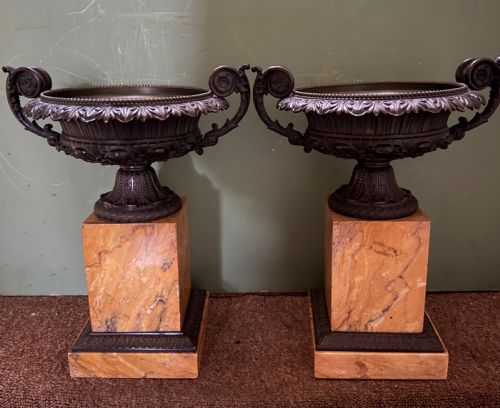
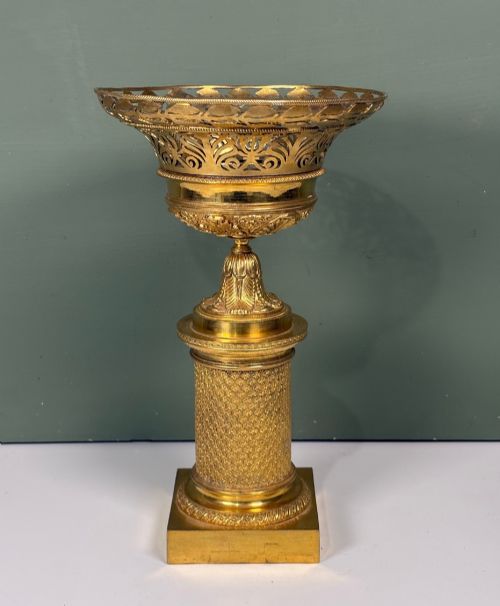
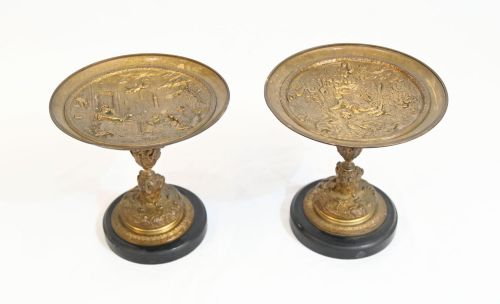
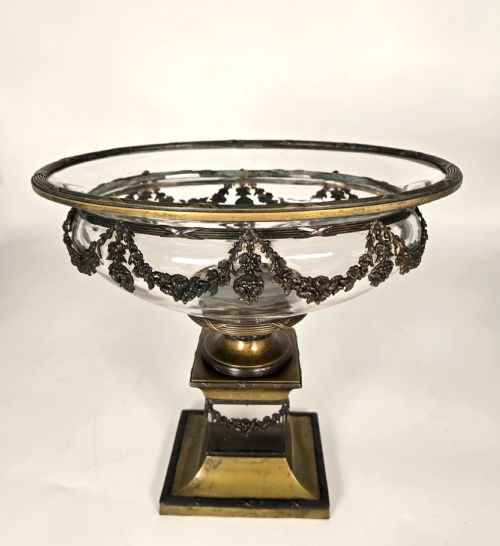
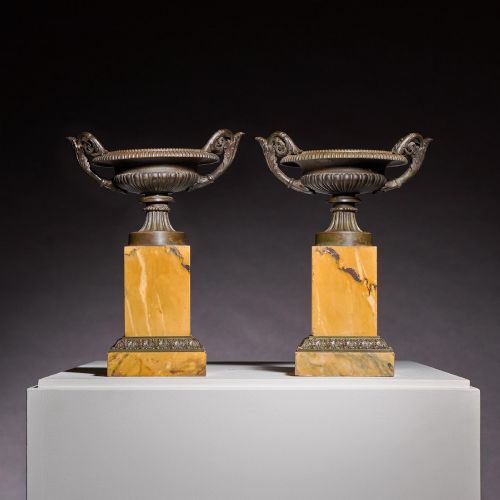
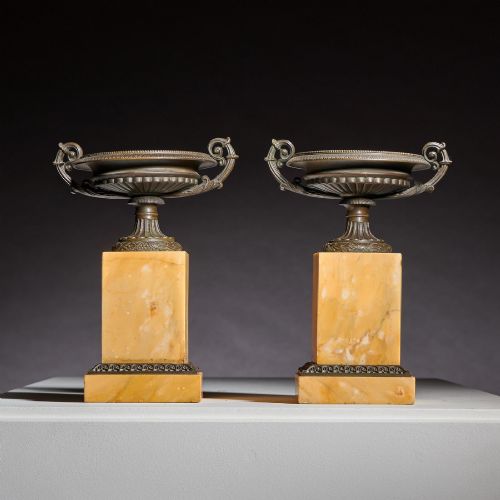
When searching for an antique french pedestal bowl, you encounter raised display vessels designed to command attention on a table or sideboard. These pieces frequently manifest as tazzas, centrepieces, and comports originating from the nineteenth century.
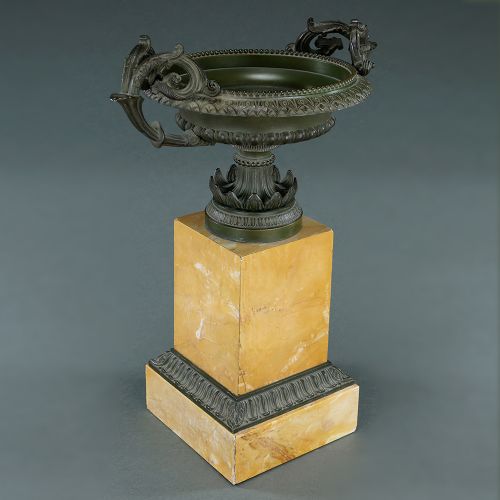
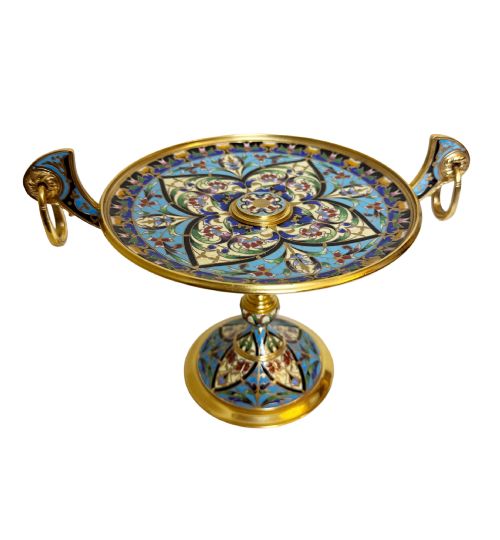
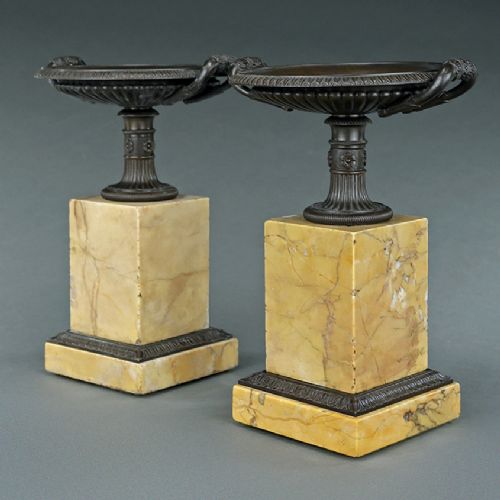
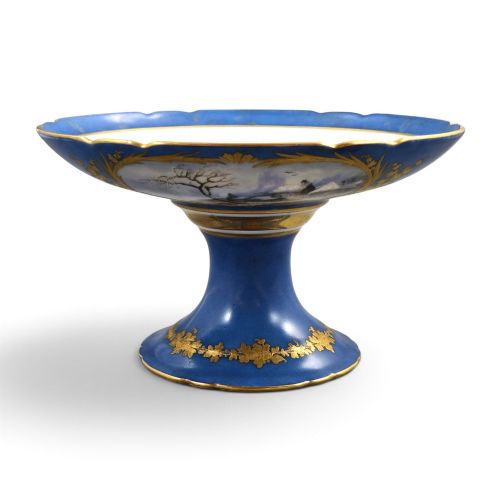
The selection encompasses grand items mounted on marble bases alongside porcelain baskets and enamel dishes. Makers from periods such as the French Empire, Second Empire, and Victorian eras utilise elevated rims and footed supports to create ornamental impact.
Materials and construction
Artisans combined cast metals such as bronze, ormolu, and gilt bronze with mineral elements like Siena marble, malachite, and cut crystal. Metal mounts are meticulously chased and fitted to support delicate porcelain, glass, or enamel bowls.
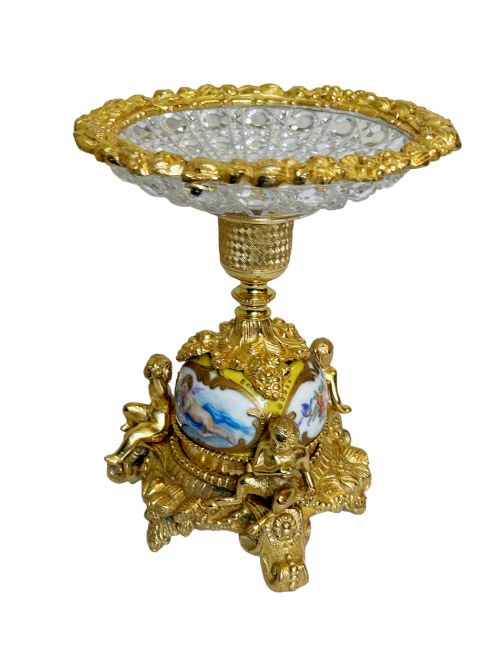
Casting and fire-gilding techniques allowed workshops to produce complex figural supports, including cherubs and classical ornamentation. Components were securely joined by threaded rods and screws hidden within the pedestal structure.
Antique French Pedestal Bowl Retail Price Guide 2026
Typical asking prices for french pedestal bowl among the pieces listed under this phrase on Sellingantiques today, from the lower quarter to the upper quarter. They describe what is for sale here now, not the wider market.
Even a robust pewter champagne bowl sourced directly from a bustling Paris restaurant managed to find its way into the collection.
Factors determining quality
Weight and stability also indicate workmanship, as better vessels utilise heavier gauges of bronze and thick, hand-cut crystal or porcelain rather than thin pressed glass.
Christofle et Cie·Sèvres Porcelain
The Antique French Pedestal Bowl Glossary
- Tazza
- A shallow bowl or cup mounted on a stem and foot, used historically for serving fruit or displaying items. These objects form a significant portion of nineteenth-century decorative metalwork.
- Ormolu
- Gilt bronze produced by applying a mercury and gold amalgam to cast bronze before firing. This technique yields a deep, lasting golden lustre characteristic of French decorative arts.
- Champlevé
- An enamelling technique where troughs are carved into the metal surface and filled with vitreous enamel powder before firing. The resulting design sits flush with the surrounding metal borders.
- Centrepiece
- A large decorative vessel placed in the middle of a dining table or furnishing surface. They often incorporate elaborate cherub supports or glass bowls mounted in gilt bronze frames.
- Grand Tour
- A cultural journey undertaken by wealthy young Europeans to study classical antiquities. Objects acquired on these travels frequently feature bronze and Siena marble construction.
Antique French Pedestal Bowl: Frequently Asked Questions
What is an antique french pedestal bowl used for?
These vessels served primarily as ornamental centrepieces on dining tables or sideboards during the nineteenth century. Wealthy households utilised them to display fruit, sweetmeats, or simply as decorative statements.
Today, they function similarly in domestic interiors, holding floral arrangements or standing alone as sculptural focal points on furniture.
How do I distinguish French Empire from Victorian styles?
French Empire pieces rely heavily on strict neoclassical symmetry, austere classical motifs, and heavy gilt bronze work. Victorian items often incorporate more eclectic ornamentation, combining Rococo revival curves with diverse materials.
Examining the underlying metal casting and secondary supports helps clarify the specific period of manufacture.
Are these bowls suitable for daily use?
Most antique examples feature delicate components such as fire-gilt surfaces, hand-painted enamel, or cut crystal that require gentle handling. Regular use with acidic foods or harsh cleaning agents can damage the original patination.
Gentle dusting with a dry microfibre cloth preserves the finish without wearing away the delicate ormolu or gilding.
How do I care for gilt bronze mounts?
Gilt bronze surfaces benefit from occasional light dusting with a soft brush to prevent dust accumulation in recessed chasing. Avoid water, abrasive cleaners, or chemical polishes, which strip the thin gold layer.
Keeping the pieces away from direct sunlight and damp environments protects both the metal patination and any fitted marble or crystal elements.