


Antique French Panelling
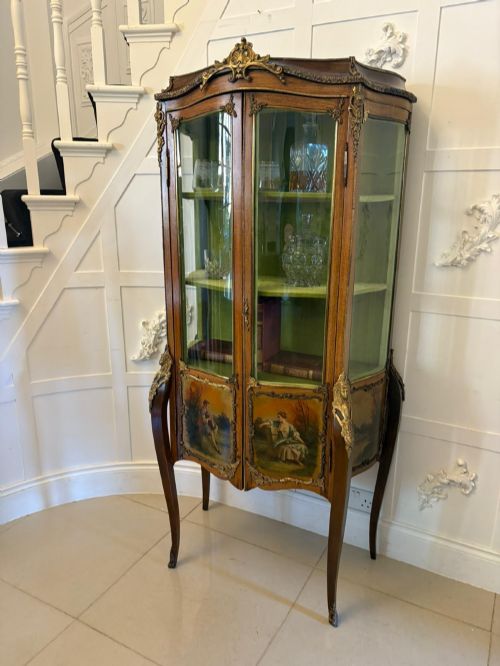
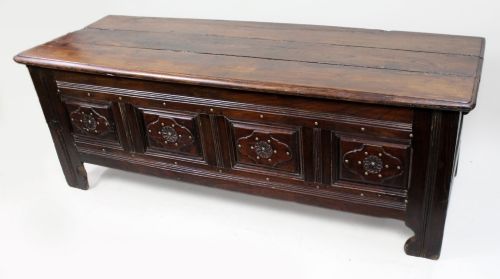
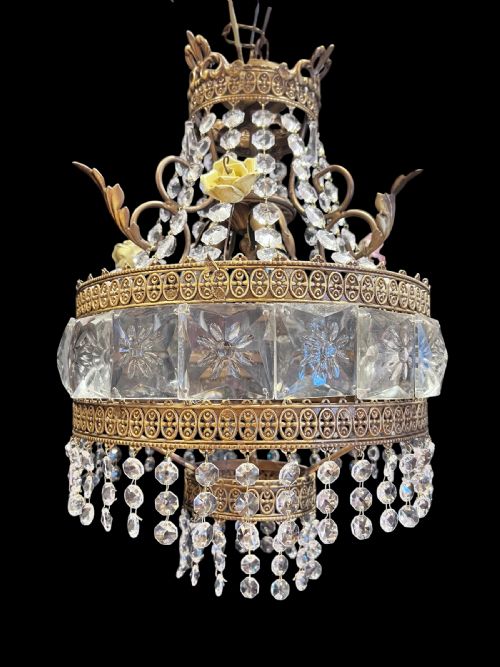
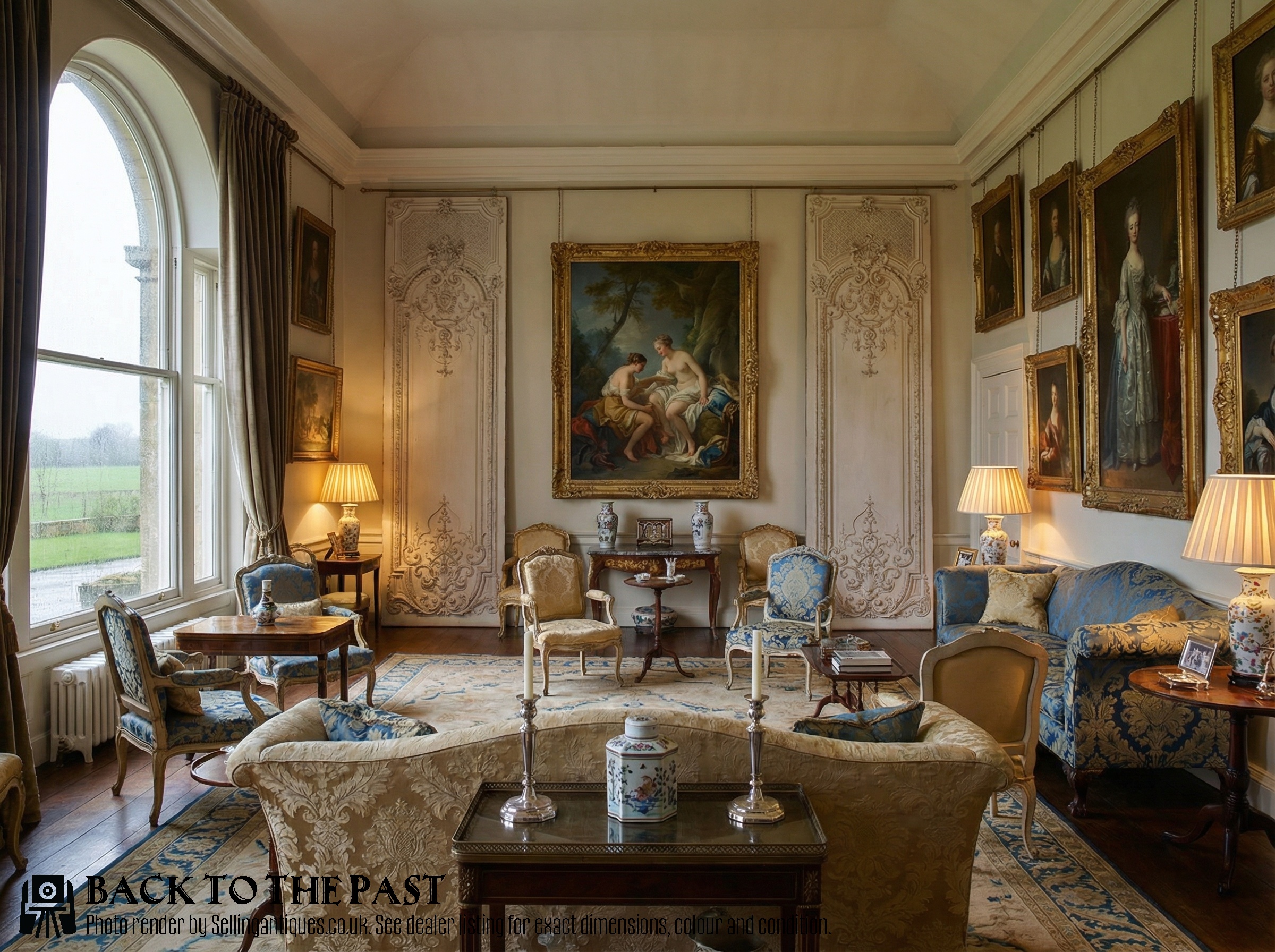
These pieces of antique french panelling bring architectural presence to a room, offering historic carved wood and painted surfaces that anchor an interior.
Antique French Panelling
Antique french panelling takes the form of carved wooden panels, decorative wall elements and architectural salvage originating from domestic interiors of past centuries. The selection includes painted decorative panels, carved wooden panels, and over door sections that show the hand of provincial and chateau carvers. These items emerge from periods spanning the seventeenth through to the early twentieth century, reflecting shifting domestic tastes.
How they were made
Makers shaped antique french panelling using solid hardwoods, predominantly oak and walnut, worked with hand chisels and gouges to achieve high relief carvings. Surface treatment involved layers of oil paint, polychrome pigments, or polished wax finishes applied directly to the timber grain. Carpenters joined structural sections using traditional peg and mortise techniques suited to interior architecture.
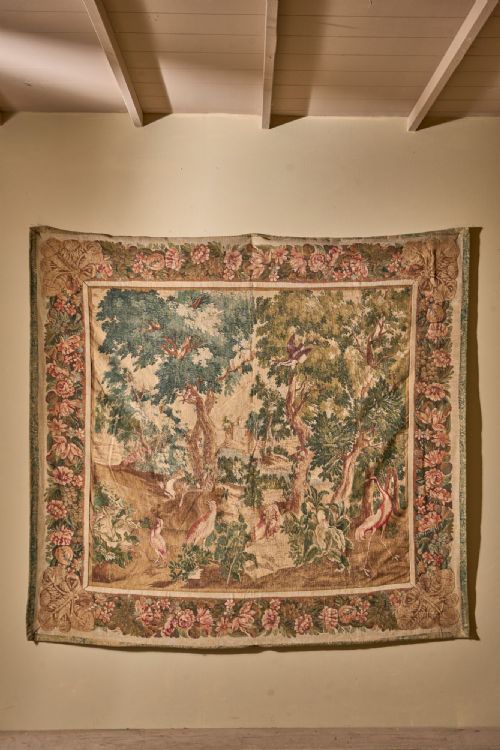
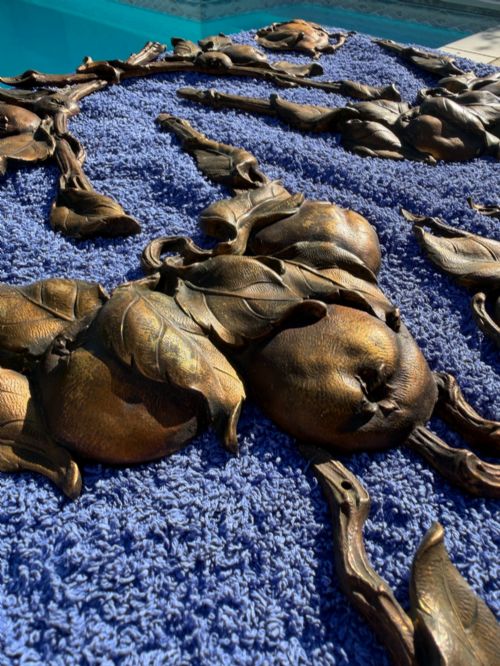
Carvers executed floral wall reliefs, cherubs, and scrollwork directly onto the wooden substrate. Painted decorative panels incorporate pigments layered on wood or canvas supports, sometimes combined with gilded accents or carved mouldings.
What varies in quality
The distinction between tiers rests upon the depth and crispness of the hand carving, where deeply undercut foliage and expressive figures demonstrate superior workshop skill over shallow mechanical execution. Material selection dictates the initial grade, with dense seasoned oak and figured walnut holding precedence over secondary softwoods.
Surface integrity influences the standing of a piece, specifically the preservation of original polychrome, paint layers, and natural patina accrued through age. Subtle tool marks left by the carver confirm manual production methods, separating master joinery from later utilitarian joinery.
Raymond Subes·Achille Brocot·Pierre Mignard·Poix Blin
The Antique French Panelling Glossary
- Panelling
- Interior wooden wall lining composed of framed and recessed boards. It provides thermal insulation and decorative structure to a room.
- Polychrome
- Decorated in several colours. This term describes painted wooden panels retaining their original historical pigments.
- Relief
- Sculptural technique where figures or motifs project from a flat background. High relief indicates forms standing far out from the wood plane.
- Architectural Salvage
- Building components rescued from demolition or renovation. These fragments include panels, ironwork, and over door carvings.
- Provincial
- Originating from the regions rather than the capital. Provincial pieces display simpler designs and local timber choices.
Antique French Panelling: Frequently Asked Questions
How do I install antique french panelling?
Panelling secures to interior walls using wooden battens fixed to the masonry or studwork behind. Installers screw or nail the panels through concealed tongue and groove joints or recessed borders to maintain a clean surface.
Professional mounting protects old timber from warping caused by damp walls or direct heat sources. Spacing allows the wood to expand and contract naturally with seasonal humidity changes.
Can I paint antique wood panels?
Historic timber surfaces retain greater value and character in their original finishes, whether bare wood, wax, or aged paint. Stripping or repainting alters the historic patina accumulated over centuries.
Conservation methods prefer cleaning and waxing over complete repainting to preserve underlying tool marks and original pigment traces.
How do I clean carved wooden panels?
Dust carved surfaces gently with a soft, dry bristle brush to clear debris from deep recesses without abrading the wood fibres. Avoid wet cloths and liquid cleaning agents that damage old wax or lift painted layers.
Periodic application of microcrystalline wax feeds dry timber and maintains a protective barrier against atmospheric moisture.
What periods do these panels represent?
The listings span the seventeenth, eighteenth, and nineteenth centuries, alongside early twentieth century interpretations. Earlier pieces show Baroque and Rococo influences with heavy oak construction.
Later examples draw on Neoclassical and provincial French styles, utilising painted surfaces and lighter walnut frames.