

Antique French Oval Table
An antique french oval table brings organic curves and formal or rustic continental character to a room, spanning grand salon centrepieces and practical bedside pieces.
Antique French Oval Table
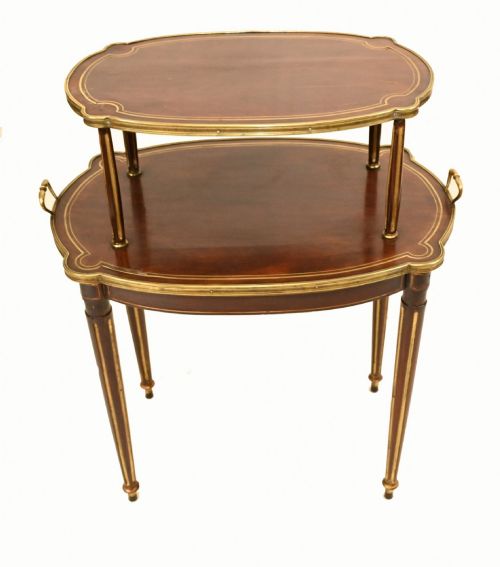
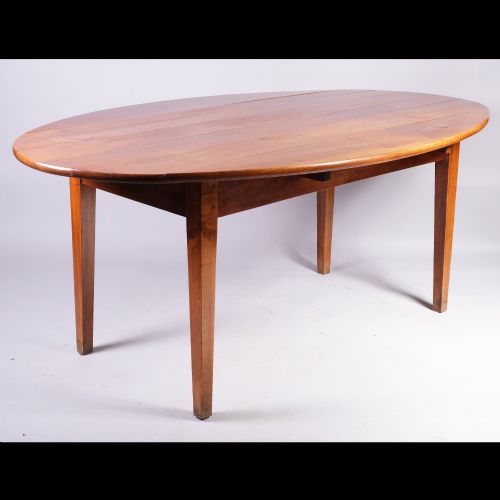
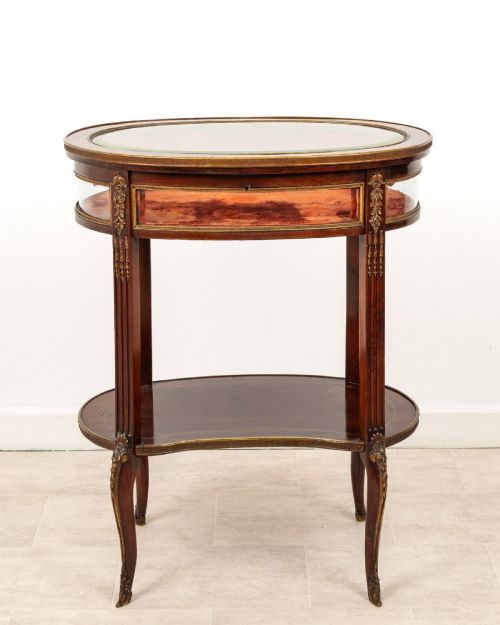
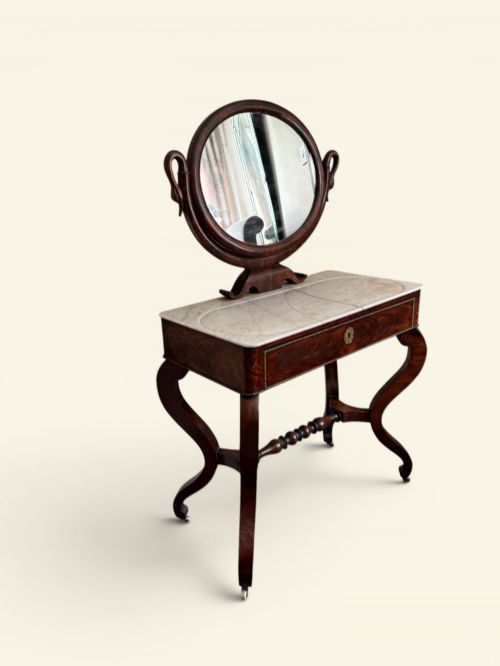
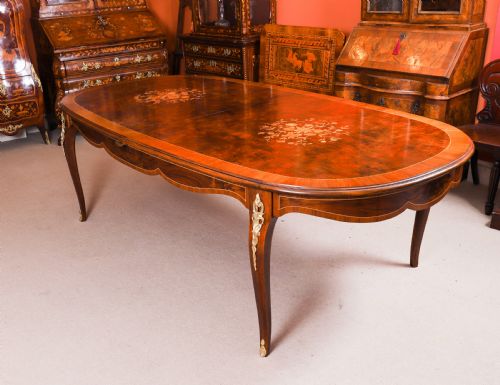
An antique french oval table covers a varied territory of domestic furniture, ranging from compact bedside cabinets and occasional pieces to grand dining tables. Buyers searching this phrase encounter dining tables, centre tables, side tables, and dressing tables produced across the eighteenth, nineteenth, and early twentieth centuries.
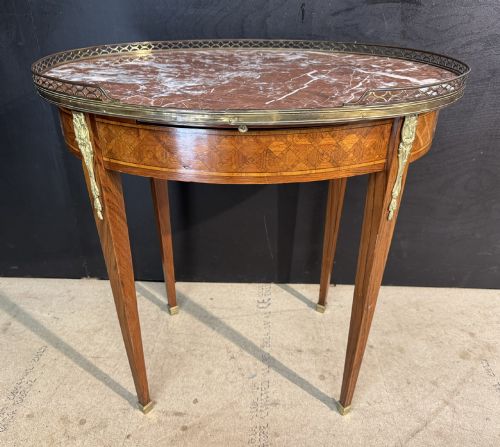
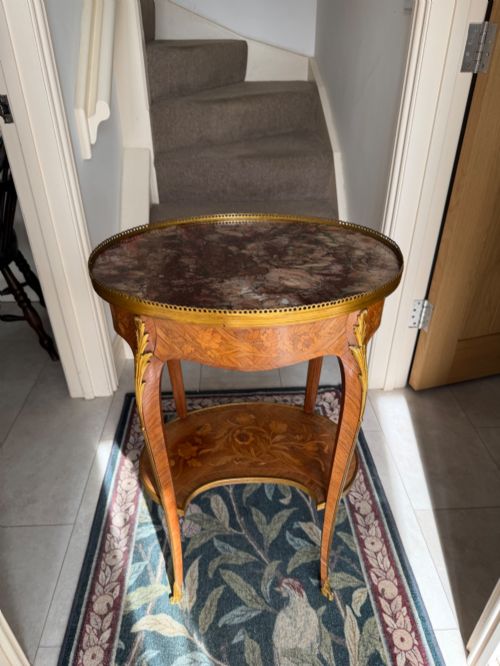
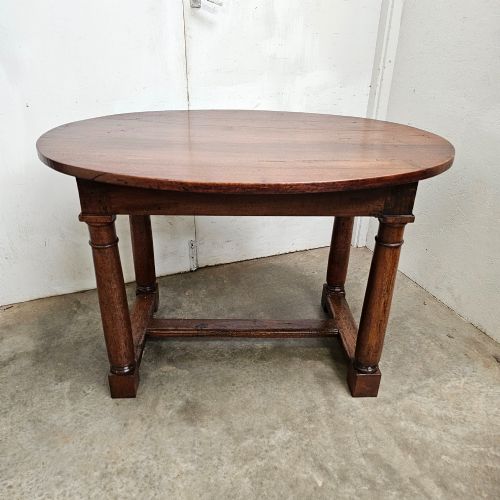
The nineteenth century yields the highest volume of examples, particularly walnut, mahogany, and kingwood centre tables or side pieces finished with ormolu mounts and marble tops. Regional farmhouse types in oak and cherry also appear alongside refined Louis XVI and Louis XV style occasional designs.
How they were made
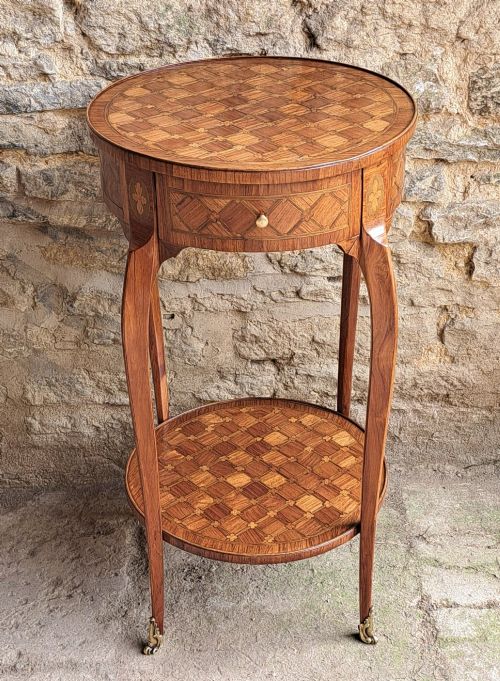
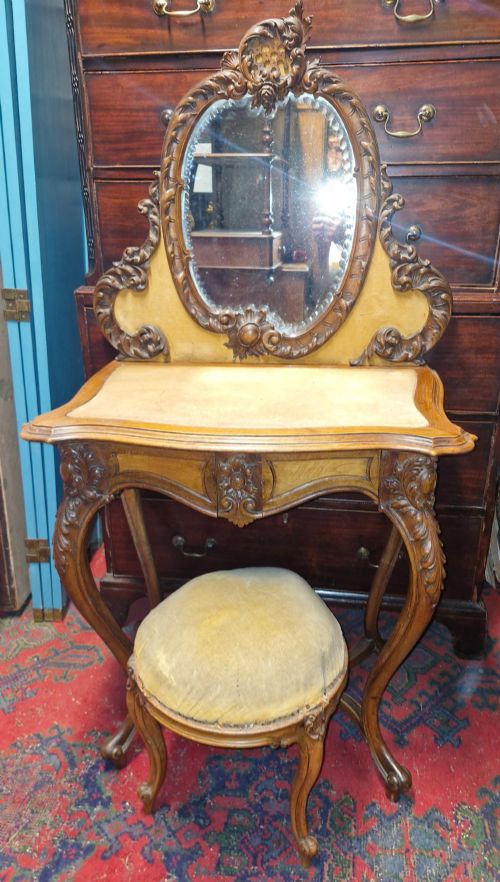
Cabinet makers utilised dense hardwoods such as mahogany, walnut, kingwood, and satinwood, often applying intricate marquetry, parquetry, or aboyna inlay to the curved top surfaces. Carved giltwood and walnut frames demonstrate traditional hand-carving techniques applied to structural rails and cabriole legs.
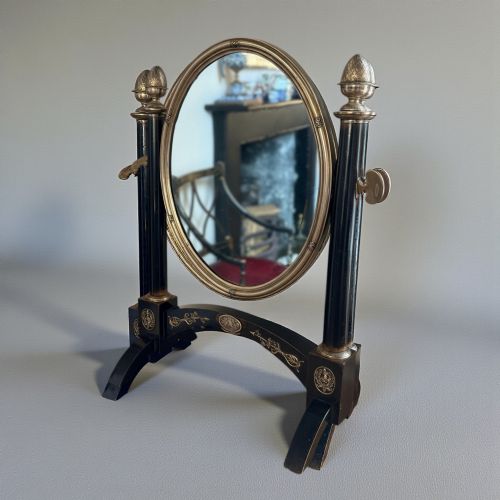
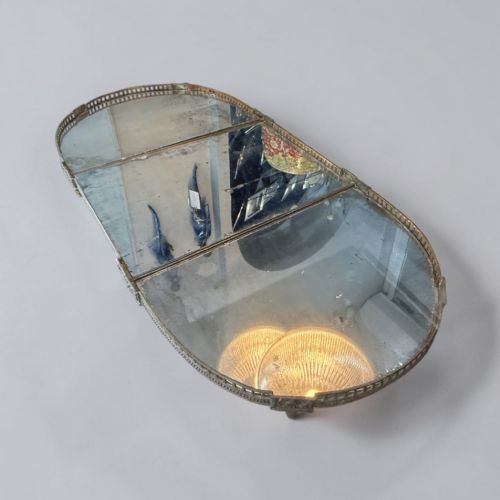
Metalwork played a defining structural and decorative role, with cast ormolu mounts, bronze details, and brass galleries securing glass panels on bijouterie display pieces. Inset marble slabs provide heavy, durable surfaces on commodes, bedside tables, and specific salon or centre models.
Antique French Oval Table Retail Price Guide 2026
Typical asking prices for french oval table among the pieces listed under this phrase on Sellingantiques today, from the lower quarter to the upper quarter. They describe what is for sale here now, not the wider market.
Several tables include hidden display wells under glass tops, designed specifically for showing off pocket watches and trinkets to visiting guests.
What varies in quality
The standard of timber selection and veneer work dictates the tier of a piece, with matched parquetry patterns and finely figured kingwood or walnut marking out superior examples. Supplementary materials like heavy cast ormolu mounts rather than stamped brass indicate higher workshop standards.
Construction details distinguish provincial vernacular furniture from urban cabinet-making, particularly the crispness of hand-carved giltwood and the precise joinery of curved aprons and stretcher bases.
François Linke·Gillows
The Antique French Oval Table Glossary
- Ormolu
- Gilded bronze mounts applied to furniture edges and legs. This technique gained prominence in elite French cabinet-making during the eighteenth century and later revivals.
- Parquetry
- Geometric patterns formed by fitted wood veneers on table tops. Craftsmen used contrasting timbers like kingwood and walnut to create visual depth.
- Bijouterie table
- A display table featuring a glass top and glazed sides designed for showing small collections. These pieces often incorporate velvet linings and gilt bronze frames.
- Marquetry
- Detailed pictorial or abstract designs created with wood veneers. This technique distinguishes high-status salon tables from plain structural timber pieces.
- Cabriole leg
- A curved table leg referencing animal forms, swelling outward at the knee and tapering to a foot. It is a defining feature of Louis XV style furniture.
Antique French Oval Table: Frequently Asked Questions
How do I use an oval table in a small room?
An oval table removes sharp corners, improving circulation in restricted spaces while retaining surface area for lamps or display items.
Compact occasional and bedside versions fit neatly beside seating or beds without blocking pathways.
What is the difference between a centre table and a side table?
Centre tables are finished on all sides to stand freely in the middle of a room as a focal point.
Side tables and bedside cabinets usually feature one plain edge designed to sit against a wall.
How do I care for a marble top table?
Marble surfaces require regular wiping with a damp cloth and mild soap, avoiding acidic cleaning agents that etch the stone.
Use coasters and placemats to prevent staining on antique polished marble.
How can I tell a Louis XV style table from Louis XVI?
Louis XV style pieces feature asymmetrical curves, flowing natural motifs, and pronounced cabriole legs.
Louis XVI style furniture shifts toward strict symmetry, straight tapering fluted legs, and neoclassical straight lines.