

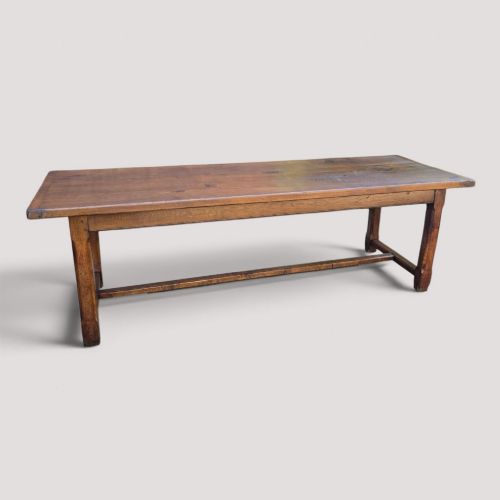
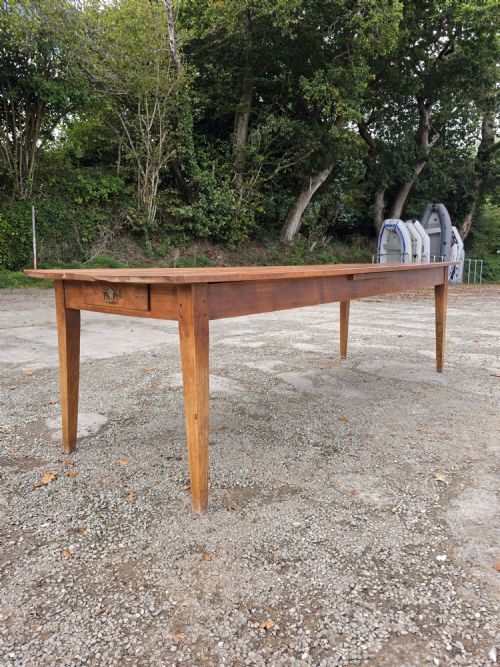
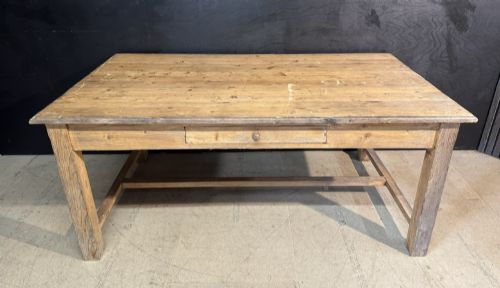
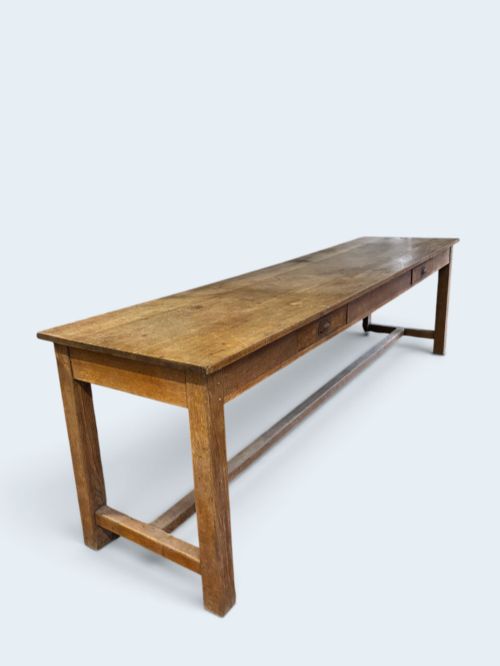
Vintage French Kitchen Table
A vintage french kitchen table brings honest utility and warmth to a room, offering a sturdy surface shaped by decades of family life and culinary preparation.
Vintage French Kitchen Table
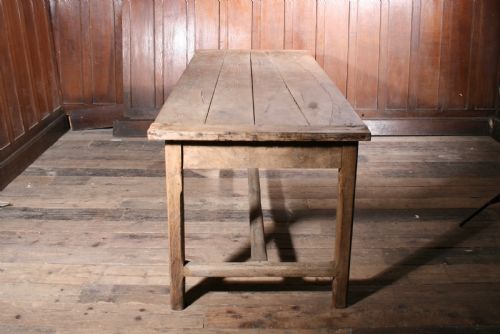
A vintage french kitchen table encompasses hard-wearing dining surfaces, prep tables, butchers blocks, and work tables originating from domestic and commercial spaces across France. These pieces typically date from the nineteenth century through the early twentieth century, spanning rustic farmhouse and provincial styles.
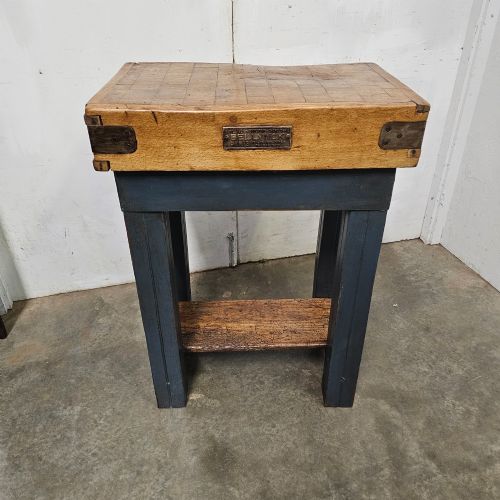
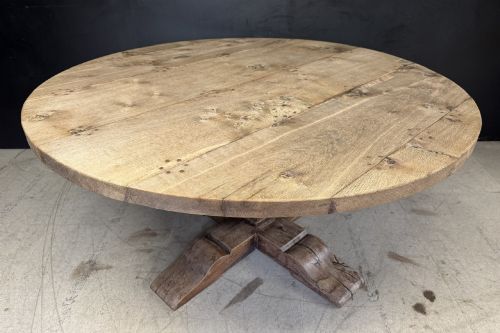
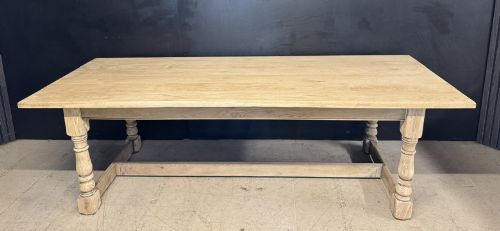
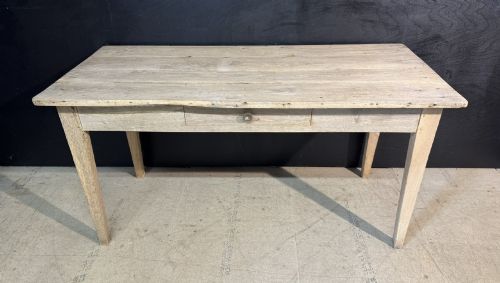
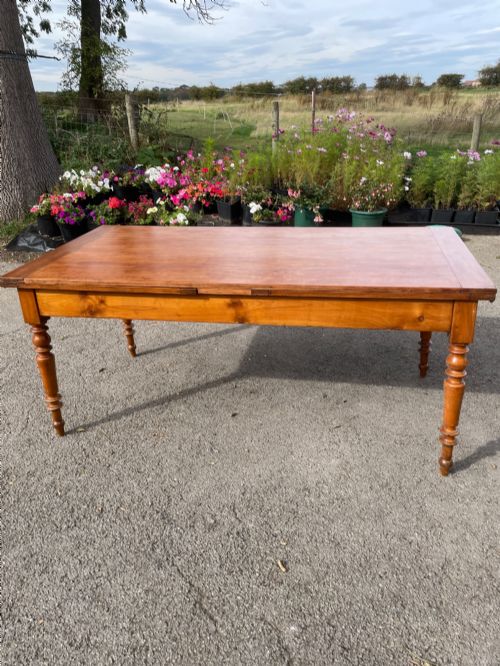
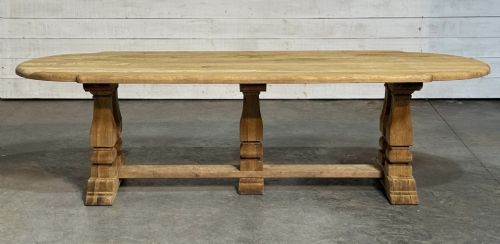
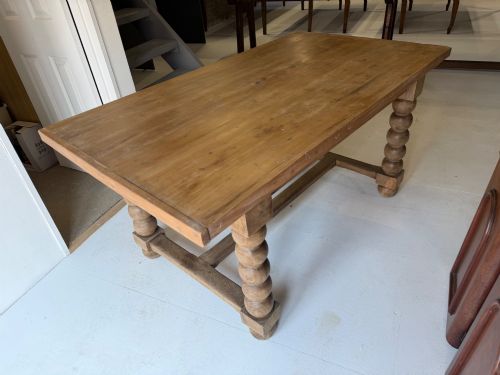
Buyers will most frequently encounter oak, pine, and fruitwood dining tables alongside specialised prep tables featuring marble tops or drawers. The forms range from scrub-top kitchen tables to extending dining designs and butchers blocks on decorative bases.
Materials and construction methods
Construction relies heavily on timber selections such as oak, pine, beech, elm, cherrywood, and fruitwood, often joined into sturdy multi-board tops. Carpenters utilised straightforward framing techniques, sometimes incorporating sliding bread boards, drawers, or drop-leaves to maximise daily utility.
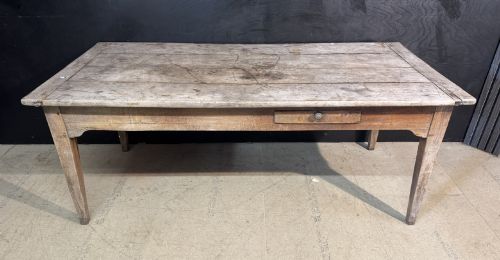
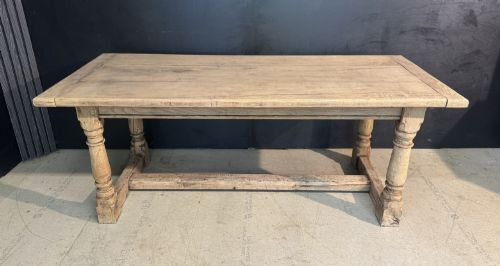
Many surfaces display the direct results of historical use, with certain oak and pine tables undergoing bleaching or retaining remnants of old paint. Specialised preparation tables integrate heavy marble slabs alongside traditional timber framework to withstand intensive culinary work.
Vintage French Kitchen Table Retail Price Guide 2026
Typical asking prices for vintage french kitchen table among the pieces listed under this phrase on Sellingantiques today, from the lower quarter to the upper quarter. They describe what is for sale here now, not the wider market.
Distinctions in quality and character
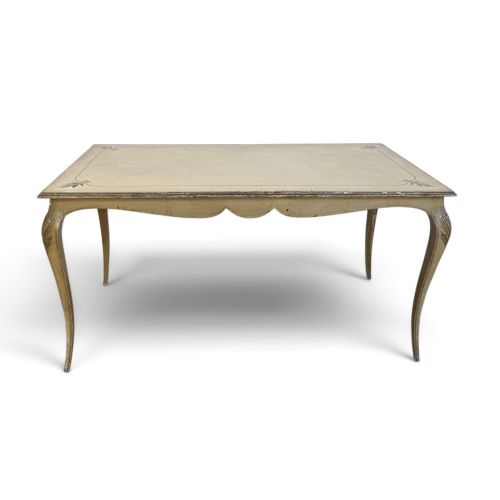
Quality rests in the integrity of the timber selection and the balance of proportions between the top and the supporting legs, whether tapered, bobbin, or cabriole. Tables constructed from dense hardwoods like oak or cherrywood generally demonstrate superior structural survival compared to lighter utility pieces.
The degree of original hardware preservation, such as functional drawers and sliding boards, distinguishes standard utilitarian examples from more elaborate provincial designs. The depth of the natural patina accumulated across the timber surface directly influences the visual weight of the piece.
The Vintage French Kitchen Table Glossary
- Scrub-top
- A plain wooden tabletop left bare and frequently scrubbed clean with water and sand, common on nineteenth-century kitchen tables.
- Butchers block
- A thick, heavy wooden block designed for cutting meat, often supported by a dedicated timber or decorative base.
- Bread board
- A pull-out wooden board integrated beneath the tabletop, historically used for slicing bread without marking the main surface.
- Fruitwood
- Timber harvested from fruit-bearing trees such as cherry or pear, prized by cabinetmakers for its fine grain and warm tone.
- Patina
- The surface sheen and coloration developed on wood and metal over decades of handling, cleaning, and exposure to light.
Vintage French Kitchen Table: Frequently Asked Questions
How do I clean a vintage wooden tabletop?
Wipe the surface gently with a damp cloth and mild soap, avoiding harsh chemical cleaners that strip the historic finish.
Dry the timber thoroughly immediately afterward to prevent moisture damage and preserve the natural patina.
Were these tables used only for dining?
Many examples served multiple domestic purposes, acting as central workspaces for food preparation, kneading dough, and general household tasks.
Specialised variants like prep tables and butchers blocks indicate more specific commercial or culinary functions within the kitchen.
Can I use a marble top table for baking?
Marble top prep tables provide a naturally cool and smooth surface ideal for rolling pastry and working with dough.
Care should be taken to avoid exposing the stone to acidic substances that can etch the polished finish.
How do I date a nineteenth-century wooden table?
Dating relies on observing construction marks, timber types, leg turning styles, and overall wear patterns consistent with period manufacturing methods.
Comparing structural details against documented nineteenth-century examples helps narrow down the probable decade of origin.