



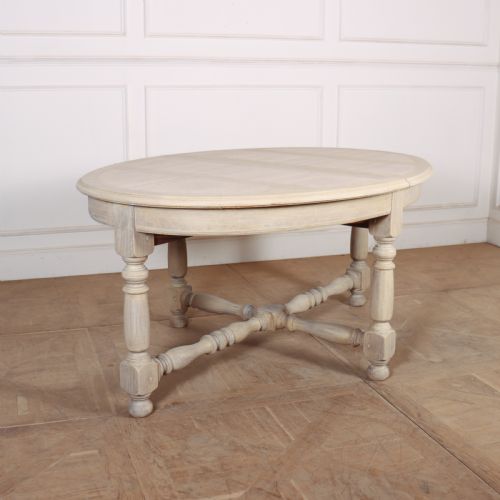


Oval Provincial Table
An oval provincial table brings rustic utility and curved lines into a room, offering a softer footprint than a rigid rectangle.
Oval Provincial Table
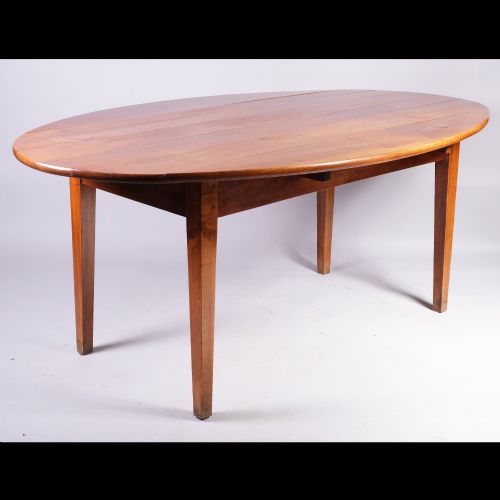
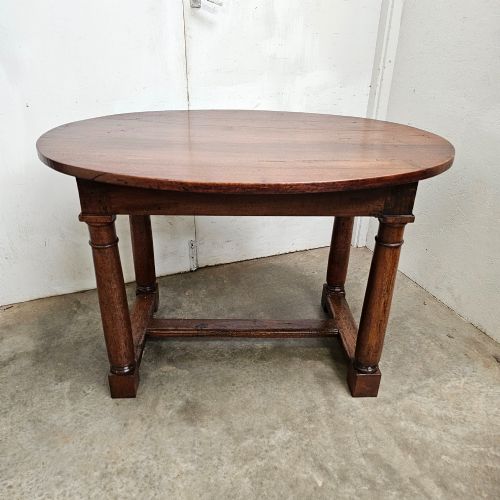
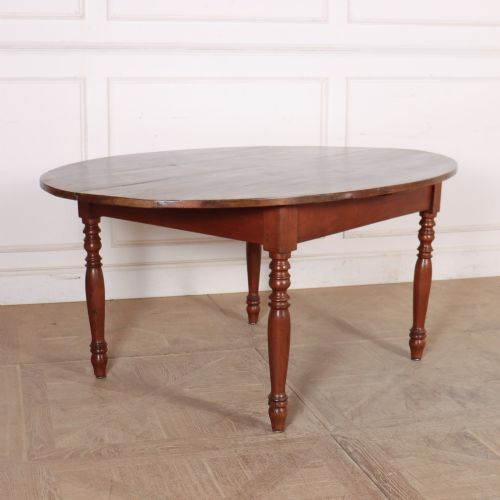
An oval provincial table encompasses designs originating from regional France and England, spanning the eighteenth and nineteenth centuries. These pieces function variously as farmhouse dining tables, kitchen work surfaces, bedside stands, and wine-tasting vigneron tables.
The materials recorded in these listings include solid oak, fruitwood, cherrywood, elm, and walnut, frequently paired with marble tops or painted finishes. Buyers encounter forms ranging from large gate-leg dining formats to compact bedside and lamp tables.
Stylistic influences span French provincial, Louis XVI, and Rococo revival aesthetics alongside English William III interpretations. Such variety means a buyer can source a grand dining piece or a small coffee table sharing the same regional vernacular.
Construction and materials
Makers utilised dense native timbers such as oak, elm, cherrywood, fruitwood, and walnut to build these tables for daily domestic service. Boards were joined and secured to sturdy legs, often employing gate-leg mechanisms or solid pedestal structures to support the curved tops.
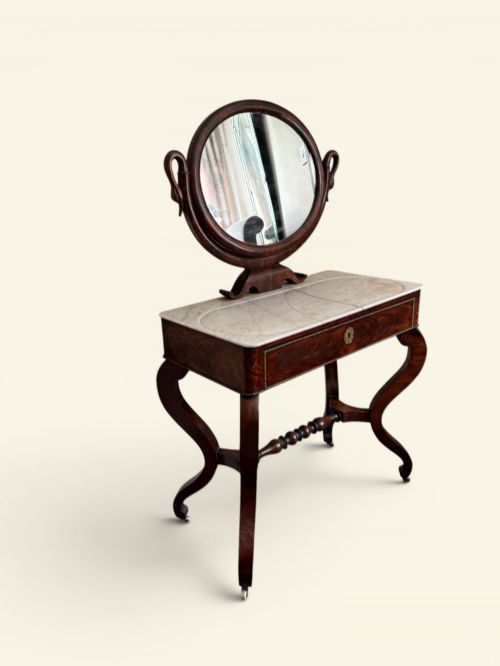
Surface treatments recorded on these items include carved wooden details, painted wood finishes, and inset marble slabs. Brass fittings and glass elements appear on specific styles, notably in nineteenth-century and early twentieth-century examples.
Oval Provincial Table Retail Price Guide 2026
Typical asking prices for oval provincial table among the pieces listed under this phrase on Sellingantiques today, from the lower quarter to the upper quarter. They describe what is for sale here now, not the wider market.
The inventory records oak, fruitwood, and cherrywood as the most frequent timbers utilised across nineteenth-century farmhouse dining tables.
Assessing quality in provincial tables
The distinction between tiers of quality rests upon the selection of timber and the integrity of the regional construction. Heavy fruitwoods, dense oak, and integrated marble tops indicate a higher grade of manufacture than secondary pine elements.
Proportion and the handling of curved edges dictate the visual success of an oval top. Tables retaining their original painted finish or authentic patination command greater regard from collectors than those stripped down or heavily altered.
The Oval Provincial Table Glossary
- Provincial
- Describing furniture made in the regions rather than the capital, often characterised by sturdy native timbers and practical local designs.
- Gate-leg table
- A table with hinged drop sides supported by swing-out legs that pivot outward to hold the leaves aloft.
- Fruitwood
- Timber harvested from fruit-bearing trees such as cherry, apple, or pear, prized for a warm tone and fine grain.
- Vigneron table
- A regional French table associated with wine production and tasting, sometimes featuring a tilt-top mechanism for storage.
Oval Provincial Table: Frequently Asked Questions
What rooms suit an oval provincial table?
These tables adapt well to kitchens, dining spaces, and sitting rooms. The curved outline eases movement around the perimeter in tighter spaces.
Larger formats accommodate family dining, while smaller bedside or lamp variants fit easily beside seating or sleeping furniture.
How do I care for marble-topped tables?
Marble surfaces require wiping with damp cloths and mild soap rather than acidic cleaners. Using coasters prevents etching from liquids.
Routine dusting preserves the stone and any accompanying wooden frames without stripping surface patination.
Are these tables suitable for daily use?
Built from solid timbers like oak, elm, and fruitwood, these pieces were originally constructed for heavy domestic service. They tolerate everyday placement when treated with standard care for antique wood.
Applying natural wax helps maintain the timber against drying and minor surface moisture.
How do I distinguish eighteenth and nineteenth-century pieces?
Eighteenth-century examples often display hand-sawn timber marks and pegged joinery characteristic of earlier rural workshop practices. Nineteenth-century iterations frequently introduce factory-machined components or varied revival styling.
Examining the underside and joint construction reveals the manufacturing methods of the period.