
Antique French Oil Artwork
These antique french oil artwork selections capture centuries of European painting traditions, offering buyers rich canvases that bring historic depth and character to residential spaces.
Antique French Oil Artwork
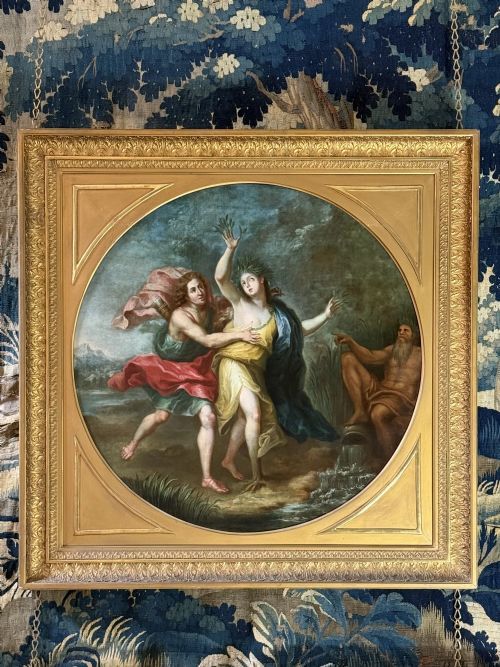
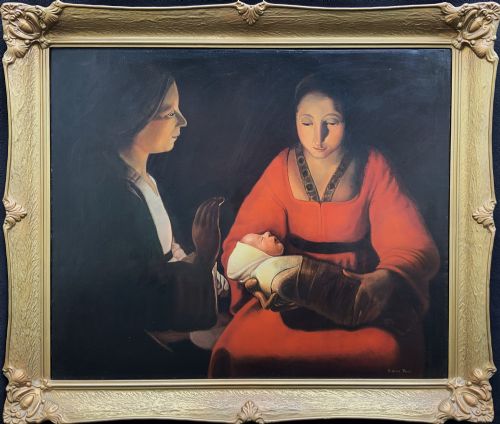
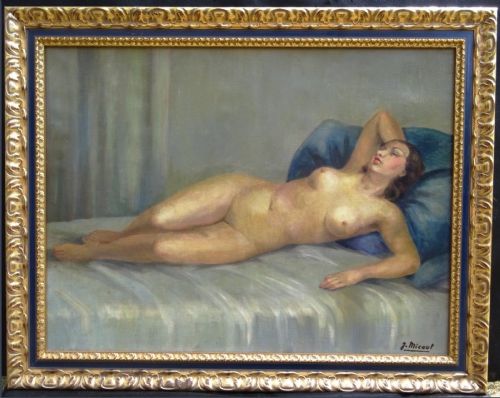
When hunting for antique french oil artwork, collectors encounter a diverse array of canvases spanning from the seventeenth century through the early decades of the twentieth century. These works capture portraits, landscapes, and still lifes created by named masters and anonymous regional schools alike.
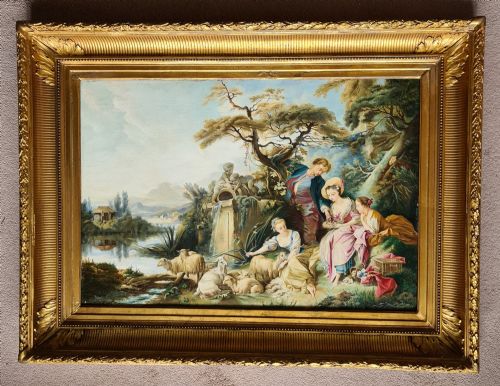
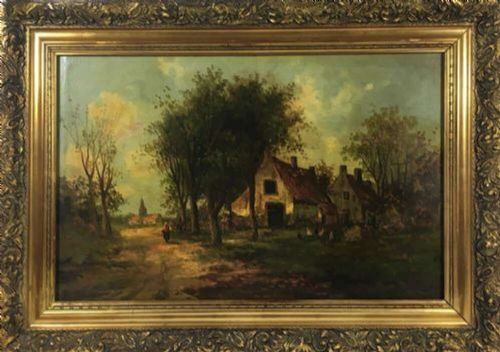
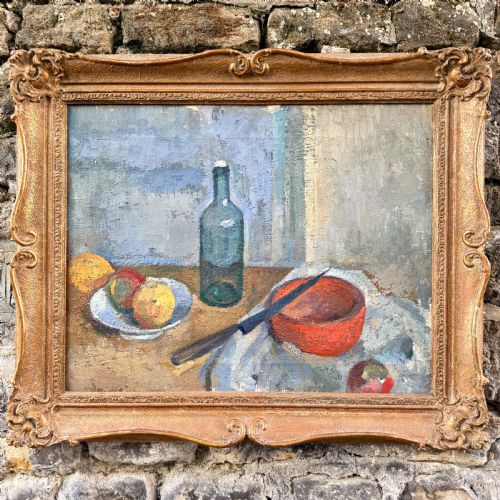
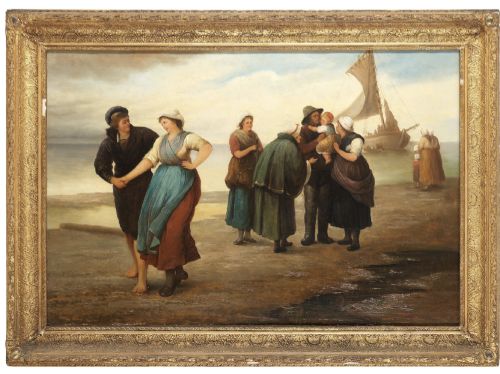
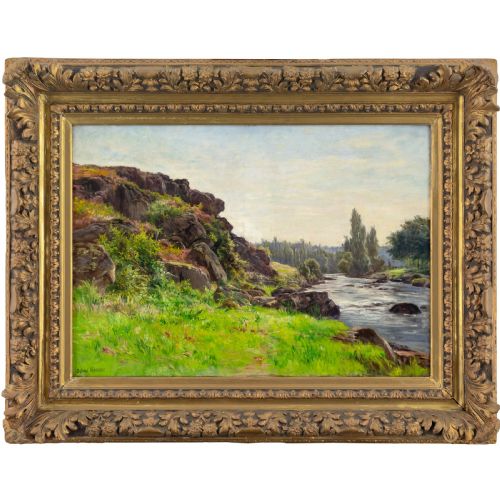
The pieces on this page are most frequently nineteenth-century oils on canvas or panel, reflecting developments from the Barbizon School to Post-Impressionism. Buyers find both intimate domestic scenes and grand historical portraits framed in period wood and gesso.
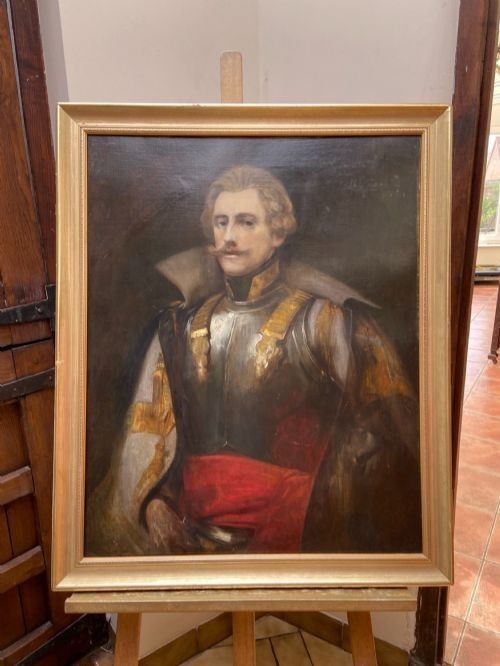
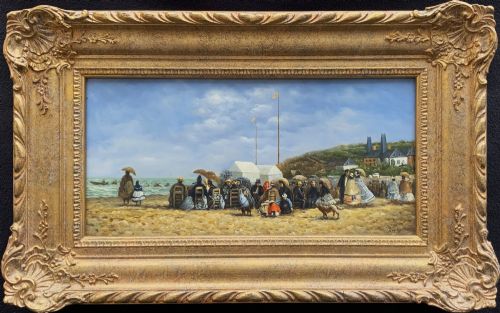
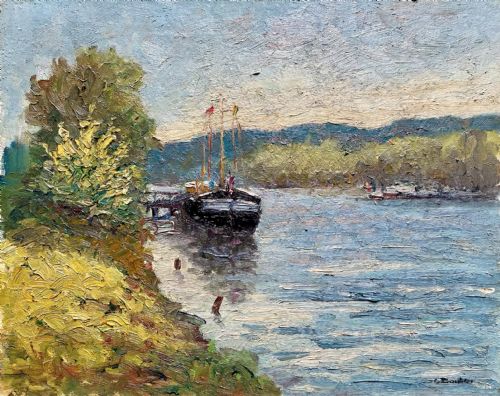
Works range from seventeenth-century judicial portraits to sunlit twentieth-century coastal views of Normandy. Each piece provides a direct physical link to French aesthetic movements and domestic history.
How They Were Made
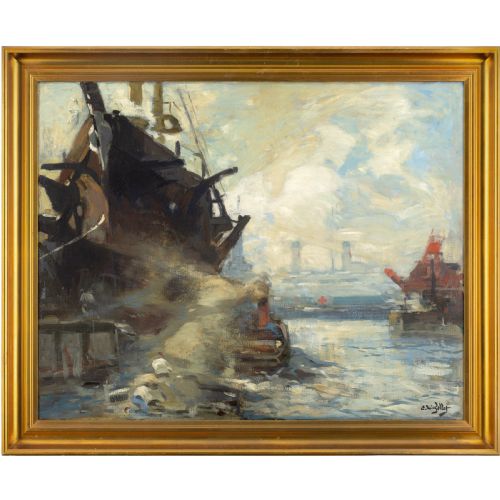
These works rely fundamentally on oil paint applied to prepared canvas or wooden panels, utilising binders that allowed artists to build rich textures and deep tonal gradations. Pigments were layered to achieve atmospheric effects, particularly in landscapes and maritime scenes.
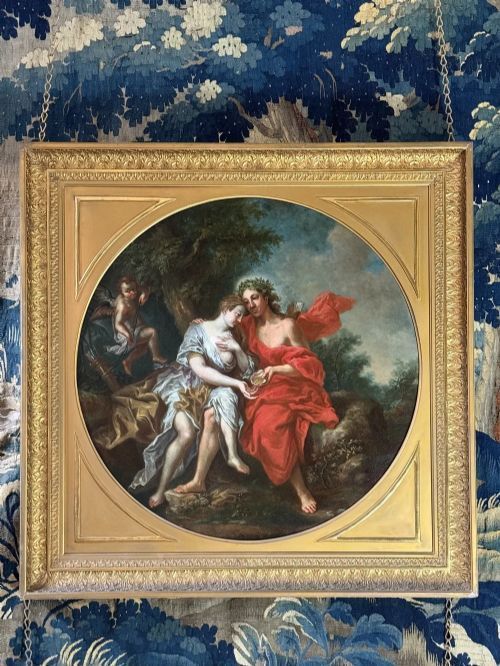
The inventory records pieces from the Barbizon School, French Rococo, and Post-Impressionism, alongside regional French schools.
What Varies in Quality
The distinction between ordinary and exceptional pieces rests upon the confidence of the brushwork and the anatomical or spatial accuracy achieved by the painter. Masterful handling of light and shadow, particularly in portraiture and still life, elevates a canvas above standard decorative output.
The preservation of the original paint layer and the integrity of the underlying canvas or panel heavily influence the standing of a piece. Furthermore, the presence of period-appropriate gilt wood frames that complement the painting without later alteration adds significant aesthetic cohesion.
Charles-Antoine Coypel·Georges de La Tour·Francois Boucher·Eugène-Louis Gillot·Gabriel Mathieu·Edouard Pingret·Arthur Gué·Guillaume Courtois·Henri Ottmann·Charles Euphraisie Kuasseg·Joseph Vivienne·Rene Levrel·Achille-Fould·Alfred Arthur Brunel de Neuville·Paul Ehrenberg·Paul-Élie Gernez·Jean-Baptiste van Loo
The Antique French Oil Artwork Glossary
- Barbizon School
- A collective of French painters associated with a movement towards naturalism in landscape painting during the nineteenth century. They worked directly from nature, focusing on rural farmyards and forests.
- Gesso
- A plaster-like mixture used as a base coat on wooden panels and picture frames before gilding or painting. It provides a smooth, stable surface for fine decorative details.
- Gilt Wood
- Timber coated with a thin layer of gold leaf or gold paint, frequently used for ornate antique picture frames. This treatment added luminosity and protected the underlying structure.
- Post-Impressionism
- A predominantly French art movement that developed roughly between the late nineteenth century and the early twentieth century. Artists extended Impressionism while rejecting its limitations, favoring more symbolic content and heavier brushwork.
- Oil on Canvas
- A traditional painting technique where oil-based pigments are applied to a stretched woven fabric support. This combination offers flexibility and longevity.
Antique French Oil Artwork: Frequently Asked Questions
What subjects appear most often?
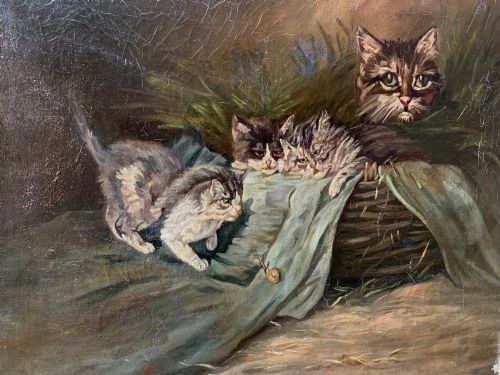
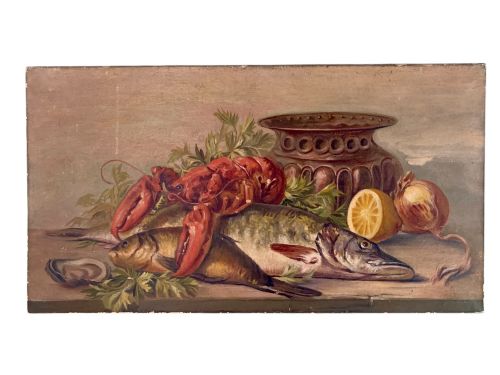
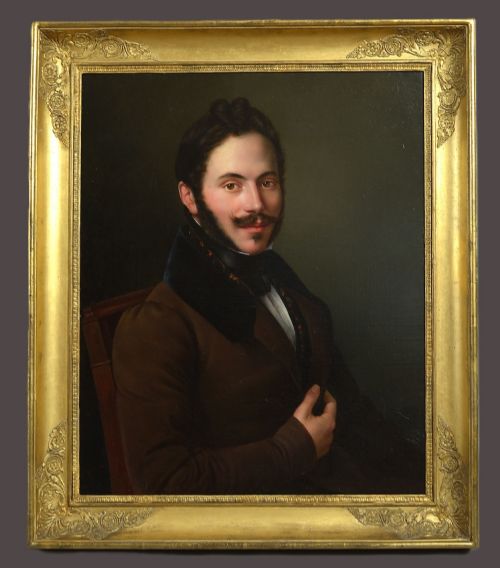
Portraits of military officers, nobility, and everyday citizens form a large portion of the available inventory. Landscapes, still lifes featuring fish or lobsters, and domestic animal scenes also recur frequently.
These subjects reflect the shifting domestic tastes and academic standards of French collectors across several centuries. Buyers can select from grand historical depictions or quiet rural vistas depending on their preference.
How should these paintings be displayed?
These works require stable indoor environments away from direct sunlight and sudden humidity shifts to protect the oil pigments and wooden frames. Proper wall placement ensures the gilt wood and canvas remain structurally sound.
Matching the scale of the painting to the room helps integrate the piece into modern or traditional interiors. Many collectors use picture lights to highlight the textured brushwork and gilding.
How are periods identified?
Dating relies upon stylistic markers, costume details, stretcher construction, and signatures recorded on the canvas or panel. Portrait subjects often wear clothing or insignia tied to specific reigns or military campaigns.
Archival records, Salon exhibition history, and framing techniques further assist in narrowing the timeframe of creation. Comparing brushwork to known works by the same school provides additional chronological context.
Can frames be original?
Many pieces retain their period gilt wood or gesso frames, which share the approximate age of the artwork. These settings were often designed or selected specifically to complement the aesthetic of the painting.
Replacing or restoring a frame occurs when structural damage threatens the piece, but surviving original mounts remain highly desirable. Examining the joinery and wear on the gesso helps determine if a frame is contemporary to the canvas.