
Antique French Oil Art
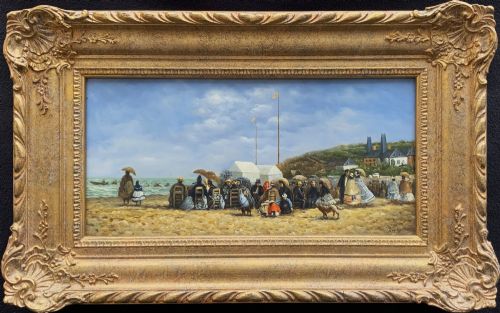
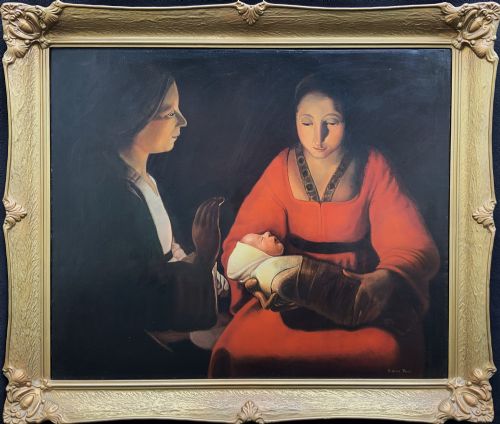
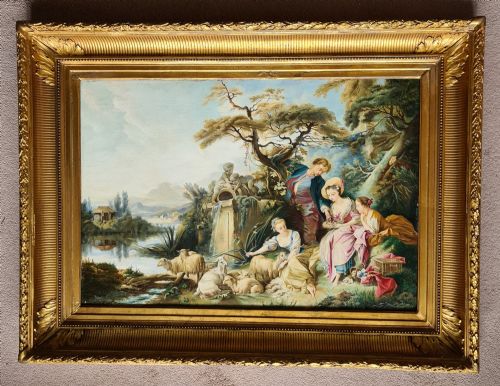
These antique french oil art pieces bring centuries of European canvas painting into your interior.
Antique French Oil Art
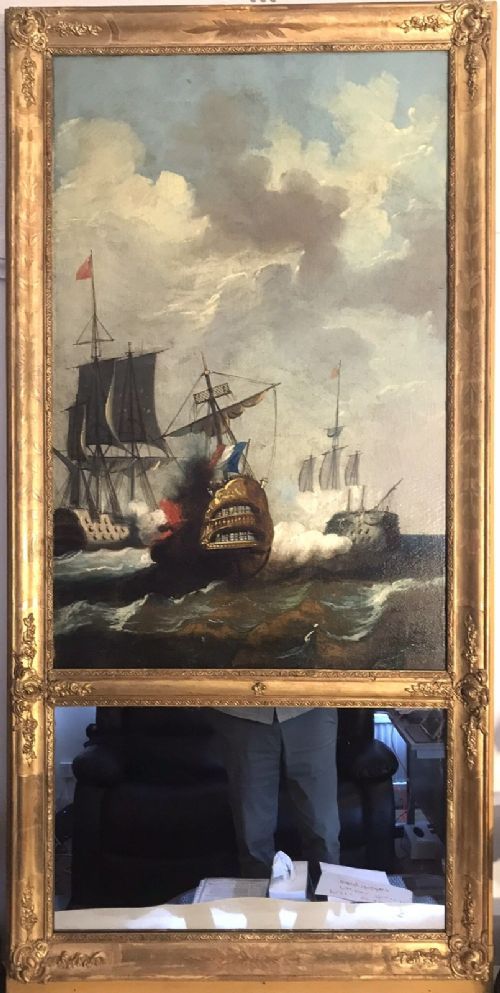
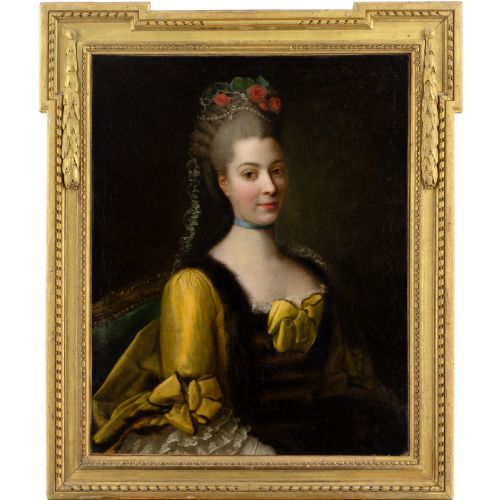
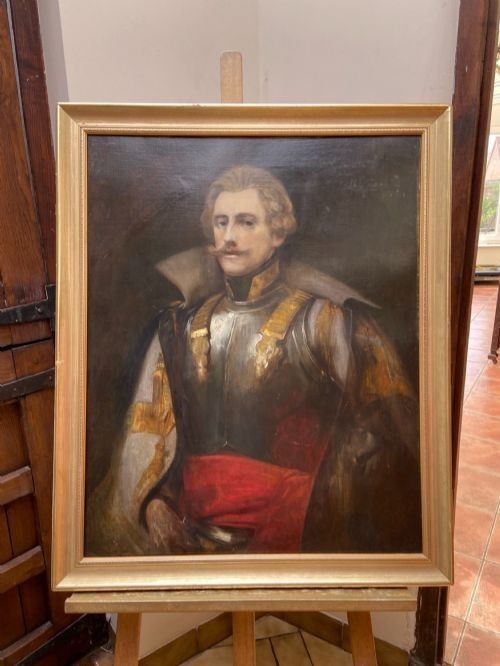
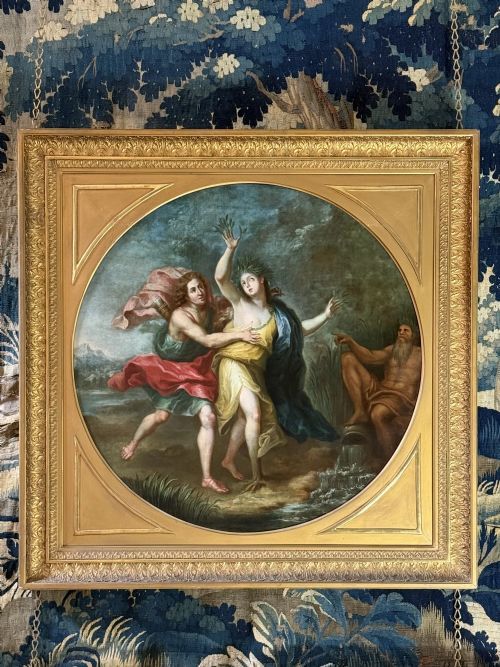
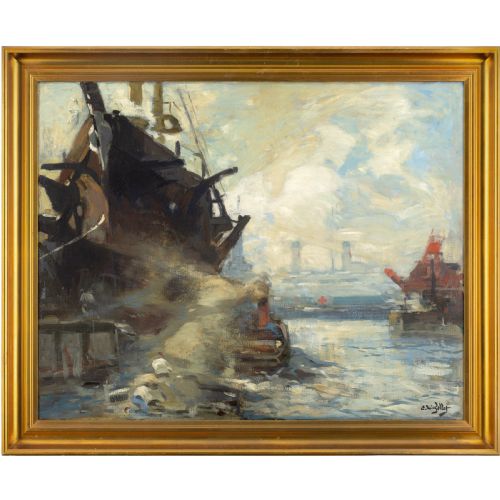
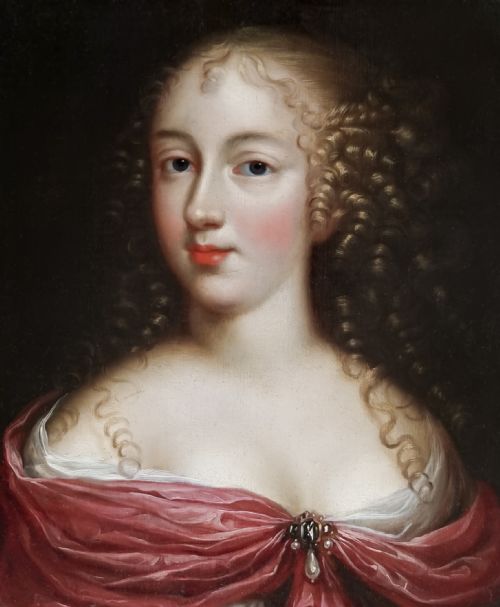
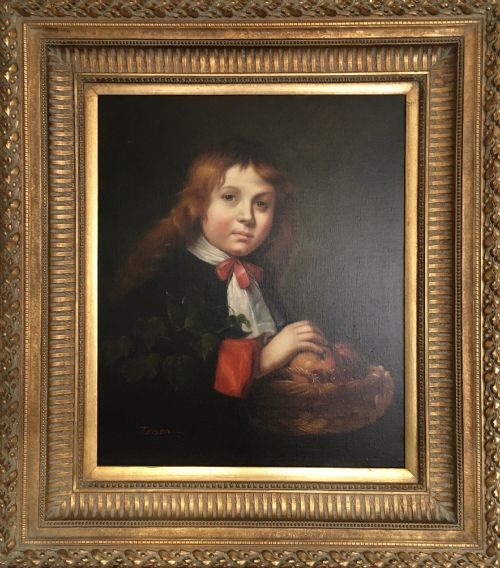
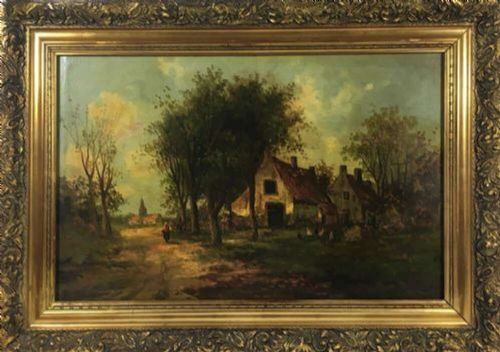
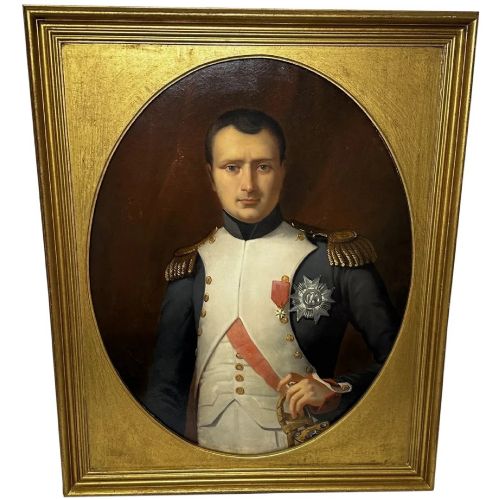
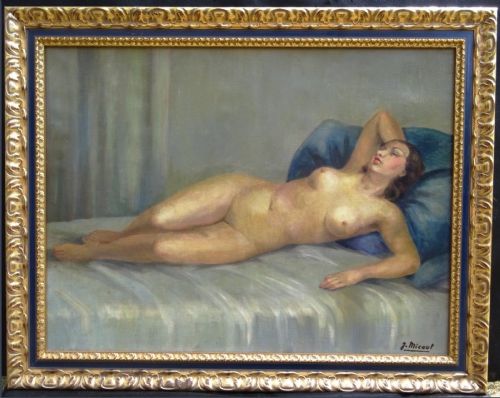
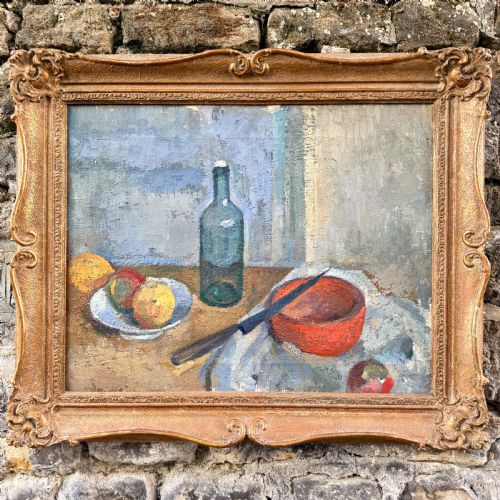
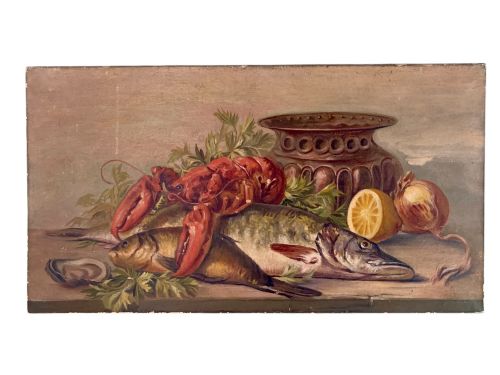
When browsing antique french oil art, buyers encounter a diverse range of painted works spanning from the seventeenth century through to the mid twentieth century. These pieces encompass formal historical portraits, pastoral landscapes, and intimate still lifes originating from various French schools.
Framed wall art forms the primary category of discovery, preserved on traditional canvas, wood panel, or board supports. Many examples reflect specific regional aesthetics, such as the Barbizon school landscapes or Montmartre cityscapes.
How They Were Made
These works rely fundamentally on oil paint applied to stretched canvas or wooden panels, capturing deep tones and varied textures over centuries. Painters utilised traditional brushwork techniques, occasionally building thick impasto layers to create visual depth in landscapes and still lifes.
Frames play a crucial structural and aesthetic role, frequently constructed from carved wood and finished with gesso and gilt wood to complement the paintings. The integration of durable oil media allowed these artworks to survive through multiple stylistic periods from the baroque era onwards.
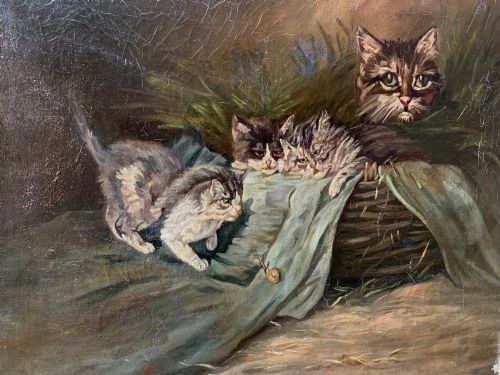
Several listed canvases capture quiet feline moments, including playful kittens and a cat sharing a quiet scene with a snail.
What Varies In Quality
The distinction between tiers of work rests upon the precision of brushwork, anatomical accuracy in portraiture, and the emotional resonance conveyed by the artist. Masterful handling of light and shadow, particularly visible in seventeenth-century classical pieces or Barbizon landscapes, elevates a composition.
Original framing adds significant integrity to a piece, with period-appropriate giltwood and gesso frames enhancing the overall presentation. Furthermore, documented provenance and attribution to recognised salon-exhibiting artists or distinct regional schools separate standard decorative canvases from museum-grade historical artefacts.
Charles Antoine Coypel·Georges de La Tour·Francois Boucher·Pierre Mignard·Jean-Baptiste Greuze·Edouard Pingret·Arthur Gue·Guillaume Courtois·Henri Ottmann·Joseph Vivienne·Henri and Charles Beaubrun·Paul Desire Trouillebert·Gabriel Dauchot·Leopold Pascal·Antoine Martinez
The Antique French Oil Art Glossary
- Barbizon School
- A nineteenth-century French art movement dedicated to naturalistic landscape painting. Practitioners painted directly from nature, focusing on rural farmyards and forests.
- Gesso
- A plaster mixture used as a smooth base for paint or gilding on wooden panels and frames. It provides a stable surface for detailed decorative work.
- Impasto
- Paint applied in thick layers that stand out visibly from the surface. This technique adds tactile three-dimensional texture to highlights and foliage.
- Provenance
- The chronological history of the ownership of a work of art. Documented lineage helps authenticate historical portraits and landscapes.
- Salon
- An official art exhibition held periodically in Paris by the Académie des Beaux-Arts. Exhibiting in these events established an artist's professional reputation.
Antique French Oil Art: Frequently Asked Questions
How do I identify eighteenth-century French portraits?
Eighteenth-century French portraits typically display formal attire, powdered wigs, and classical or aristocratic subjects rendered with refined brushwork.
Examining the canvas preparation and the style of the accompanying giltwood frame often helps confirm this period of origin.
What is the Barbizon school style?
The Barbizon school style focuses on realistic depictions of rural landscapes, forests, and farmyards painted with earthy tones.
Artists associated with this movement emphasised natural light and atmospheric depth over idealized classical compositions.
How should I care for an antique oil painting?
Antique oil paintings require stable indoor humidity and protection from direct sunlight to preserve the integrity of the canvas and paint.
Dusting should be performed gently with a dry, soft brush without applying liquid cleaners to the surface.