

Nineteenth Century Canvas Artwork
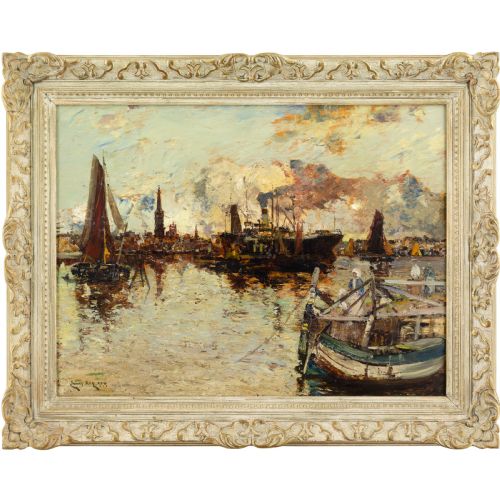
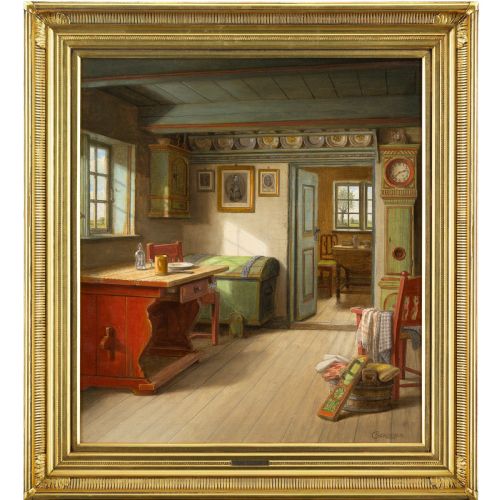
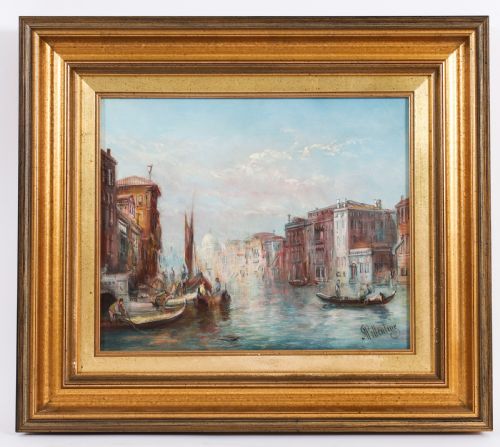
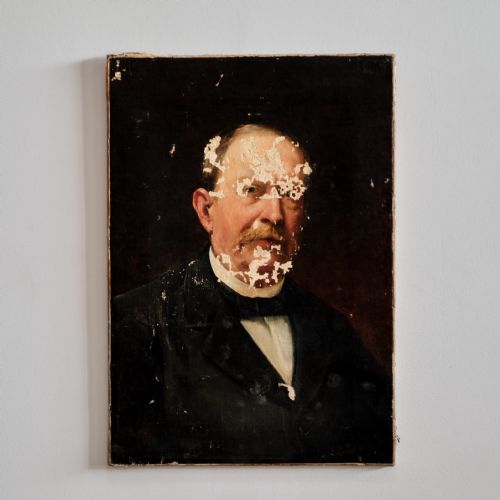
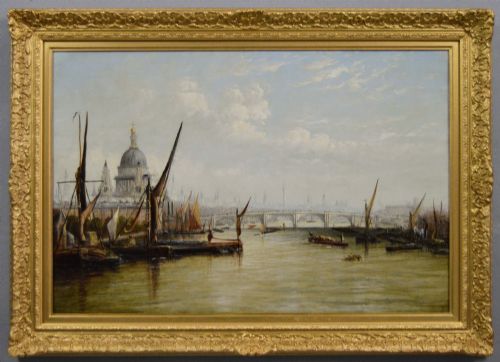
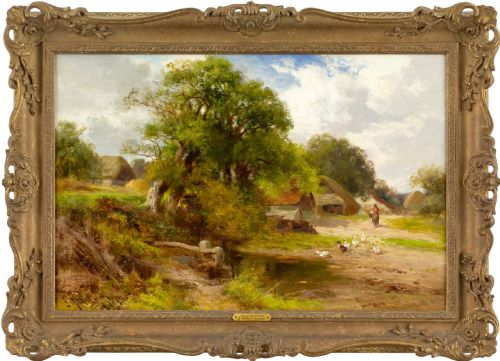
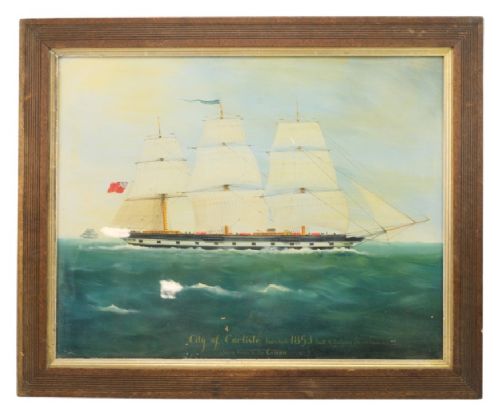
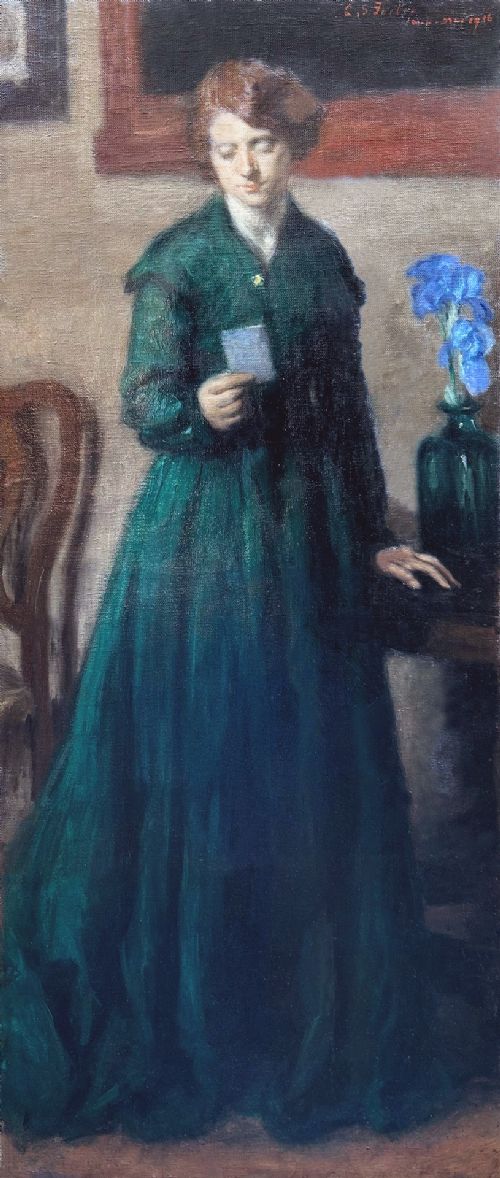
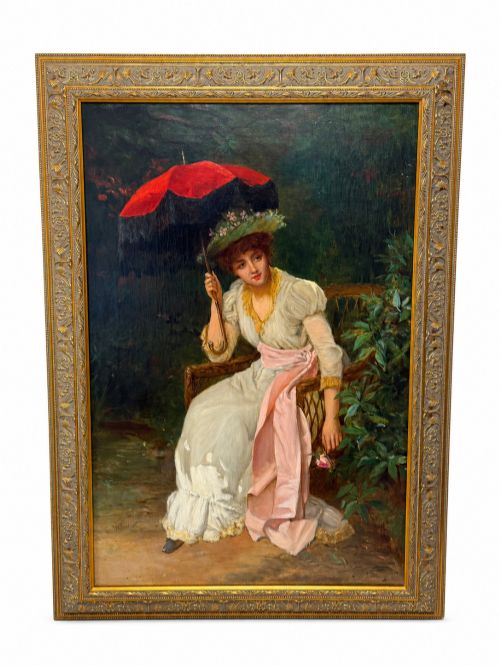
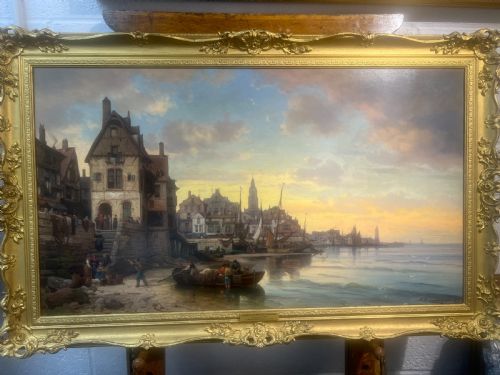
Nineteenth century canvas artwork brings together oil paintings on woven fabric from the Victorian era and adjacent periods, offering direct connection to historical portraiture, maritime scenes and pastoral landscapes.
Nineteenth Century Canvas Artwork
Nineteenth century canvas artwork encompasses oil paintings, portraits, townscapes and pastoral landscapes executed primarily on woven fabric supports during the 19th century and associated periods.
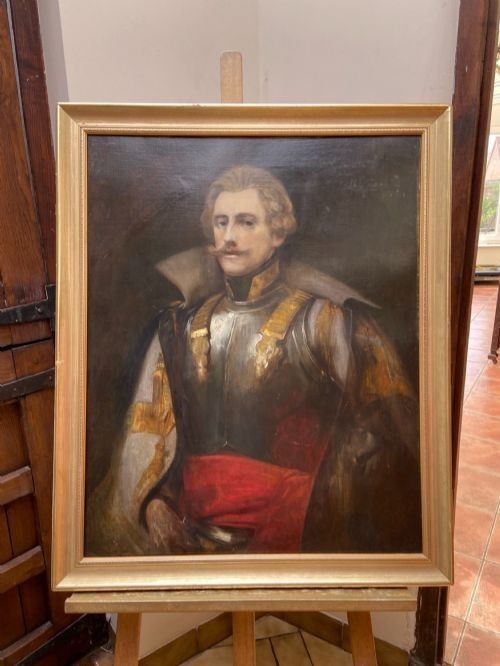
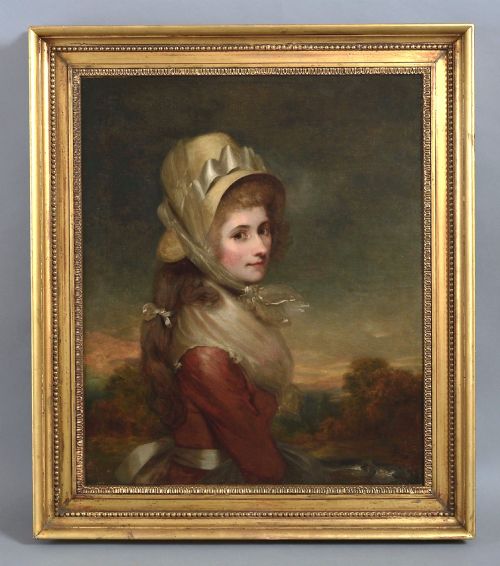
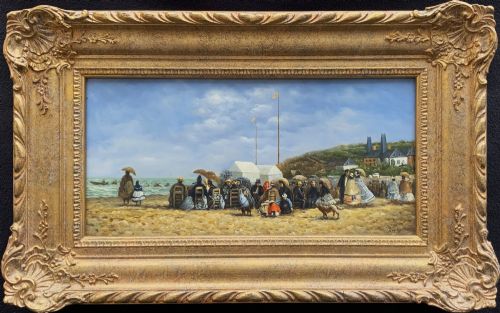
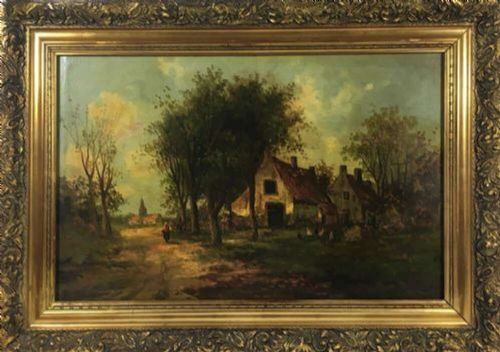
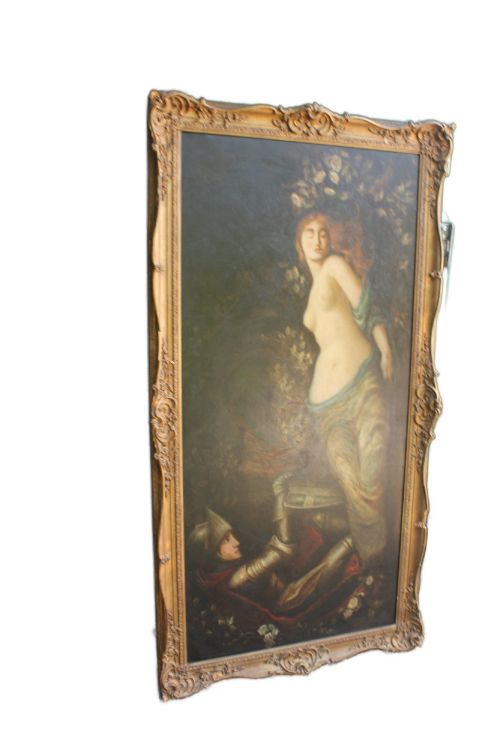
Buyers commonly encounter framed oil paintings depicting military officers, agricultural animals, coastal views and domestic genre scenes originating from British, French and European schools.
The selections range from intimate cabinet portraits to large wall art pieces housed in period giltwood frames decorated with gesso.
How they were made
Artists applied oil paint using brushes and palette knives onto stretched canvas supports, often building up texture and depth through successive layers.
Frames were constructed from wood and finished with intricate gesso mouldings, frequently gilded with gold leaf to complement the finished painting.
Listings feature works from the 18th century through to the 20th century, utilising oil paint, pastel and giltwood.
What varies in quality
Quality rests upon the artist's handling of light, shadow and proportion, distinguishing skilled academic output from decorative studio production.
The preservation of the original paint layer and the integrity of the underlying canvas fabric determine the overall standard of the survival.
Sir Martin Archer Shee·James Kay·Alfred Pollentine·Francis Moltino·John Horace Hooper·Charles Stuart Forbes·William Oliver·Charles Euphraisie Kuasseg·Abraham Cooper·Edgar Hunt·Johann Friedrich Voltz·Johann Hamza·André Charles Voillemot·Jean-Baptiste Olive·John Arthur Lomax·George Bernard O'Neill·Thomas Edward Roberts·Henry Hillier Parker·William Barraud·Sidney Richard Percy·Robert John Hammond·Willem Anton Alexander Knip·Giulio Cecchini
The Nineteenth Century Canvas Artwork Glossary
- Canvas
- A heavy woven fabric, typically linen or cotton, used as a support for oil paintings. It provides a flexible and durable surface for the application of paint.
- Giltwood
- Wood that has been coated with gold leaf or a gold-coloured metallic finish. It is commonly found on antique picture frames.
- Gesso
- A plaster-like mixture applied to wood frames to create a smooth surface for gilding and ornamentation. It allows artisans to carve intricate decorative details.
- Chiaroscuro
- An artistic technique using strong contrasts between light and dark to give a sense of volume to three-dimensional objects and figures. It creates dramatic atmospheric depth in oil paintings.
- Pastel
- A dry drawing medium consisting of pigment and a binder, which can be applied to canvas or paper. In this context, it appears as works preserved within gilded frames.
Nineteenth Century Canvas Artwork: Frequently Asked Questions
How do I hang a heavy canvas painting safely?
Secure the frame directly into wall studs using appropriate picture wire and heavy-duty wall hooks matched to the weight of the piece.
Ensure the display wall avoids direct sunlight and damp conditions to protect the canvas and giltwood frame over time.
How do I identify the period of a framed artwork?
Examine the stretcher bars, canvas weave, framing style and any inscriptions or signatures left by the artist on the reverse or front.
Compare the clothing, subject matter and painting techniques against known examples from specific decades such as the Victorian era.
Can I reframe these antique paintings?
Original period frames form an integral part of the piece's history and aesthetic context, so preserving them is usually preferred.
If reframing is necessary due to damage, select a period-appropriate reproduction frame that respects the scale and style of the artwork.