




Antique French Metal Casket
An antique french metal casket holds secrets within heavy glass and chased bronze, offering a tangible piece of nineteenth-century dressing table elegance.
Antique French Metal Casket
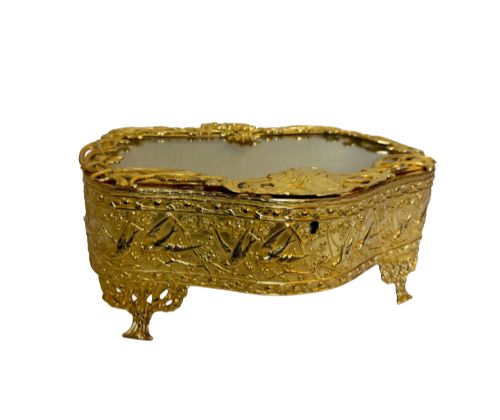
An antique french metal casket is a receptacle designed for jewellery, trinkets, or keepsakes, predominantly originating during the nineteenth century. These objects function as decorative table boxes and frequently incorporate transparent glass panels to display their contents.
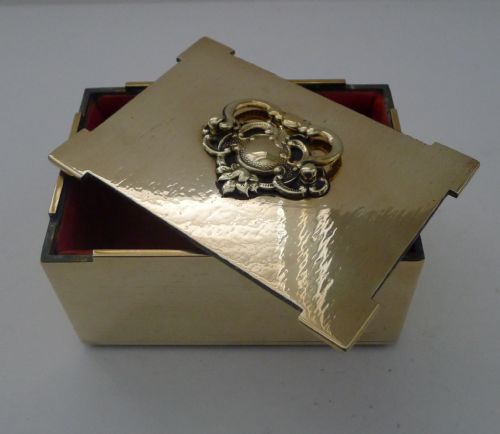
The pieces appearing on this page span several distinct aesthetic movements, including Napoleon III, Art Nouveau, and Rococo Revival. Buyers will regularly encounter heavy ormolu, gilt bronze, and cast brass constructions housing velvet or silk interiors.
Jewellery caskets and trinket boxes form the majority of the available objects. They reflect the ornate domestic tastes of periods such as the Second Empire and the Belle Epoque.
Materials and construction methods
Cast brass, bronze, and copper form the structural chassis of these boxes, often finished with fire-gilding or silvering. Ormolu and gilt metal provide a rich, reflective surface sheen typical of high-status nineteenth-century manufacturing.
Bevelled glass panels are frequently set into bronze frames to create display caskets that permit light to enter from multiple angles. Specialised techniques like electro-forming and champleve enamel add further textural and chromatic depth to the metalwork.
Listings feature items spanning the nineteenth century, utilising materials from simple cast brass to elaborate champleve enamel and bevelled glass.
Distinguishing quality in metal caskets
The refinement of the casting and chasing separates standard production boxes from exceptional examples. Crisp details in the foliage, scrolls, or figural mounts indicate superior hand-finishing by skilled artisans.
The weight of the metal and the thickness of the glass panels contribute significantly to the perceived substance of the object. Heavier bronze or ormolu mounts paired with tightly mitred bevelled glass demonstrate a higher standard of original workshop execution.
AB Paris·B Wicker
The Antique French Metal Casket Glossary
- Ormolu
- Gilded bronze produced by applying a mercury-gilding amalgam to a cast bronze base. This technique creates a durable, golden metallic lustre that resists tarnishing over centuries.
- Bevelled glass
- Plate glass featuring an angled edge ground down to a thinner perimeter. It catches light dynamically and sits securely within metal channel frames.
- Champleve enamel
- A technique where troughs or cells are sunk into the surface of a metal object and filled with vitreous enamel paste before firing. The resulting surface displays colourful designs flush with the surrounding metal.
- Electro-form
- An object created through the electro-deposition of metal onto a mould or model. This method allowed nineteenth-century makers to produce intricate, hollow copper items with complex relief details.
- Napoleon III style
- A lavish eclectic French design movement spanning the mid to late nineteenth century. It borrows heavily from Renaissance, Louis XIV, and Rococo vocabularies to project opulent status.
Antique French Metal Casket: Frequently Asked Questions
What did they hold?
These caskets primarily contained valuable personal items, such as rings, necklaces, and pocket watches, resting safely on plush fabric linings.
They sat upon dressing tables and mantelpieces in affluent nineteenth-century homes as both storage and display.
How do I date them?
Stylistic indicators such as flowing Art Nouveau tendril motifs or heavy Napoleon III ormolu mounts point to specific decades between eighteen-hundred and nineteen-hunderd.
Material composition, structural fastening methods, and occasional maker marks stamped on the bronze or brass framework offer further chronological precision.
Are the interiors original?
Many caskets retain their original silk, velvet, or satin linings, which often show natural wear appropriate to their age.
Replacement linings do occur frequently due to the delicate nature of nineteenth-century textiles, so buyers should examine the interior fit.
How should I clean them?
Dusting with a soft, dry cloth is generally sufficient to maintain the metal surface without disturbing the historic patina or gilding.
Harsh metal polishes must be avoided entirely, as they can strip away thin layers of ormolu or silvering permanently.