


French Gilded Jewellery Casket
These French gilded jewellery caskets are small domestic treasuries designed to hold personal ornaments, bringing nineteenth-century metalwork and glass to a dressing table.
French Gilded Jewellery Casket
A french gilded jewellery casket is a small container built to hold trinkets, rings, and pins on a dressing table or desk. These pieces emerge primarily from the nineteenth century, stretching from the early eighteen-hundreds through the Belle Epoque and Art Nouveau periods.
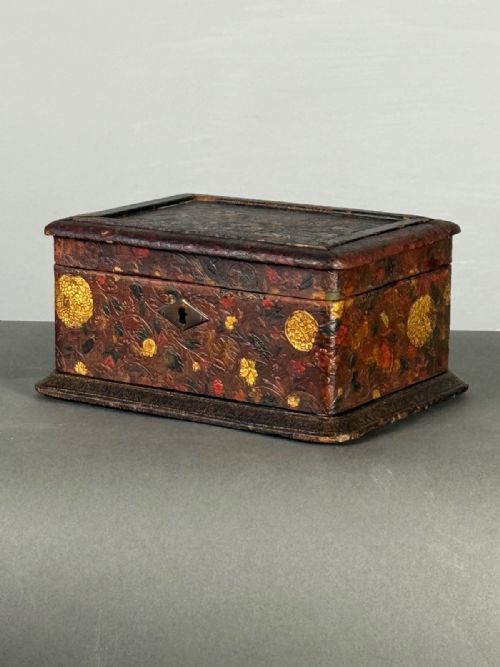
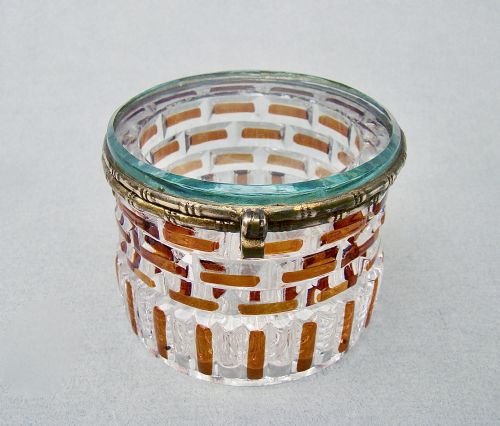
The forms vary from simple round porcelain dishes to substantial rectangular caskets framed in heavy metal. The versions most frequently met combine metal mounts with cut crystal, amber glass, or leather covers.
Makers and workshops construct these boxes to serve both as practical storage and as decorative objects for domestic display. The listings here show trinket boxes, jewellery boxes, and heavier caskets originating from French makers and houses.
How they were made
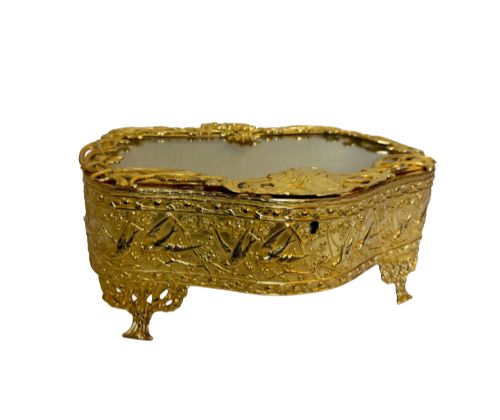
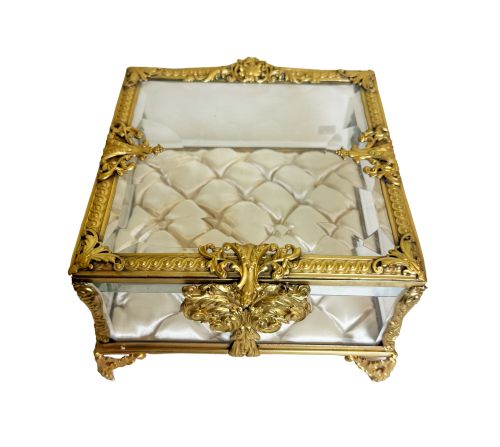
The construction of these pieces relies on metal framing combined with transparent or opaque body materials. Makers utilise gilt bronze, ormolu, and brass to build structural mounts, frames, and decorative feet.
Miniature paintings and polychrome details frequently decorate the lids and panels of the finer boxes. These components are joined mechanically with small screws and pins to secure the glass, leather, and metal parts together.
Many of these miniature caskets were originally sold to wealthy tourists visiting Paris as high-end souvenirs of their grand tours.
What varies in quality
Quality rests upon the weight and depth of the metal framing and the clarity of the glass or crystal. Heavier bronze and ormolu mounts with crisp chasing separate the better boxes from lighter brass and gilt metal alternatives.
The refinement of the decorative panels, such as Limoges miniatures, hand-painted porcelain, and fitted leather linings, dictates the tier of the piece. Superior examples exhibit precise joins, heavy cast ornamentation, and intact original gilding across all surfaces.
SUSSE FRERES PARIS·BACCARAT
The French Gilded Jewellery Casket Glossary
- Ormolu
- Gilt bronze created by applying a mercury-gilding amalgam to cast bronze. This technique produces a warm, durable golden finish found on nineteenth-century mounts.
- Electro-form
- A manufacturing process using electroplating to deposit metal onto a form or model. It allows the creation of hollow metal caskets with detailed surface relief.
- Baccarat
- A French crystal manufacturer known for heavy, brilliant-cut glass vessels. Pieces bearing this influence display sharp facets and clear resonance.
- Palais Royale
- A Parisian district associated with luxury shops selling souvenir and pocket items during the nineteenth century. Boxes from this origin often feature gilt bronze frames and specialised interiors.
- Limoges miniature
- A small painted enamel plaque inset into the lid or side of a box. These artworks depict figures or landscapes within fine copper frames.
French Gilded Jewellery Casket: Frequently Asked Questions
What were french gilded jewellery caskets used for?
These boxes served as secure, decorative receptacles for personal items such as rings, brooches, and loose coins on a bedroom dressing table.
Ladies of the nineteenth century kept their daily adornments inside them for easy access while dressing for the evening.
How do I date a antique jewellery box?
Dating relies on observing the stylistic cues of the mounts and the manufacturing methods of the glass or ceramic body. Pieces from the early nineteenth century often show heavier Empire or Restoration forms, while later examples adopt Rococo Revival scrolls or Art Nouveau curves.
Examining the hinges, locks, and the composition of the metal frame helps place the object within a specific decade.
Are these caskets made of solid gold?
These pieces are not solid gold, but rather utilise gilt bronze, ormolu, brass, or gilded copper over a base metal structure. Gold leaf or electro-plated gold is applied to the surface to provide the appearance of solid precious metal.
The underlying material provides the weight and structural strength required for a heavy glass or crystal box.
How do I clean an old gilt bronze box?
Maintenance requires only gentle dusting with a soft, dry cloth to prevent the accumulation of dirt in the chased recesses of the metal. Liquid cleaners and abrasive polishes must be avoided, as they strip the original gilding from the bronze and damage glass or leather surfaces.
If the glass or crystal interior requires washing, it should be done carefully without exposing the metal mounts to moisture.