


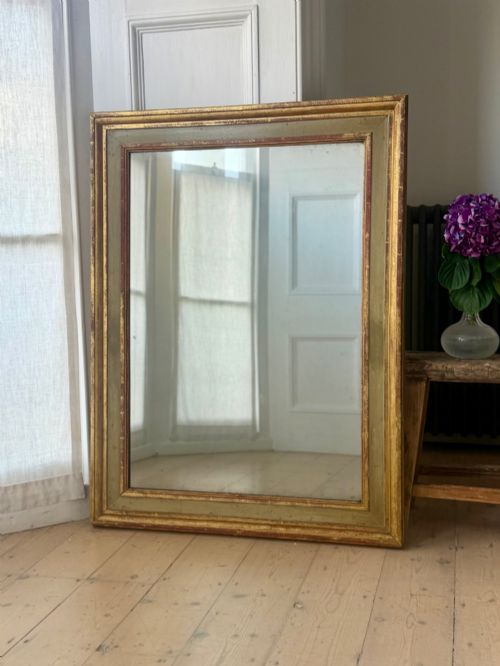
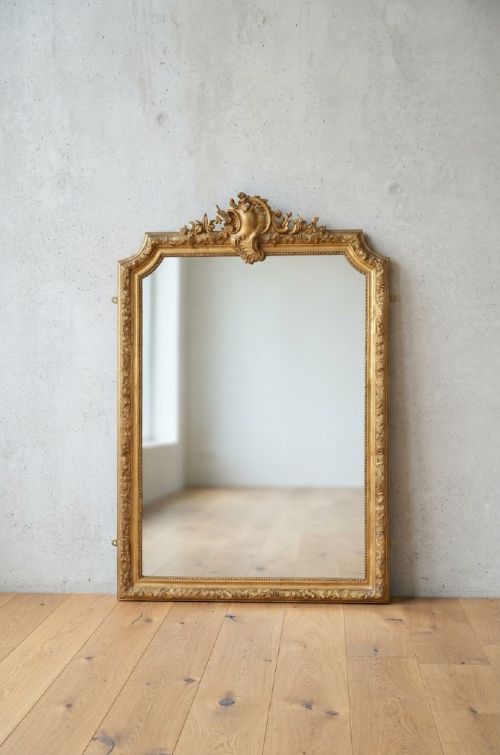
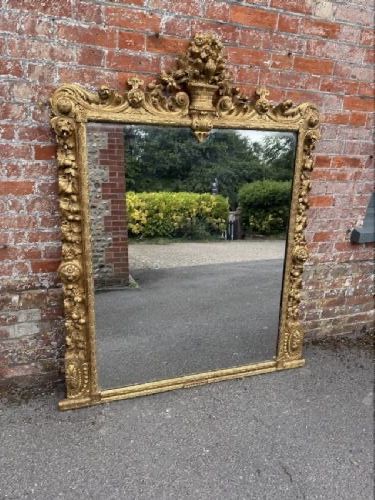
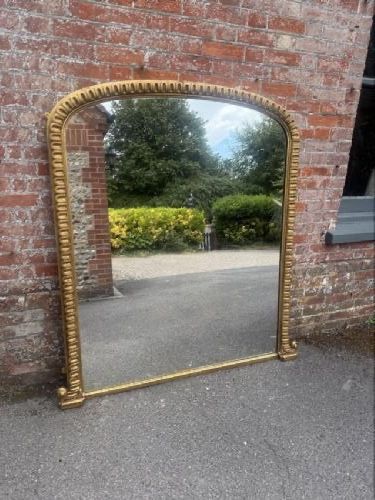
Antique French Mantel Mirror
An antique french mantel mirror brings distinct architectural presence and reflective depth to a chimney breast, drawn largely from nineteenth-century origins.
What They Are
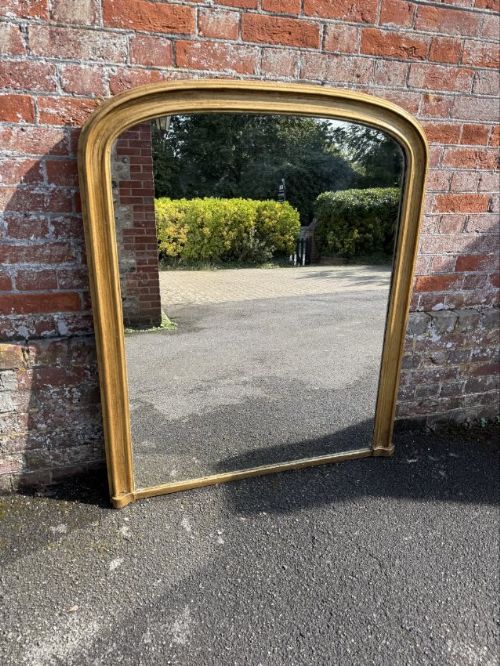
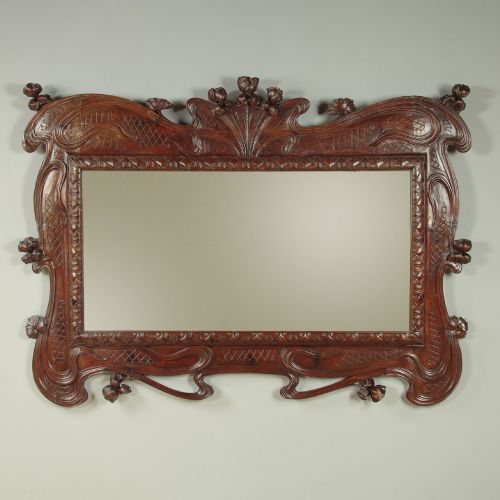
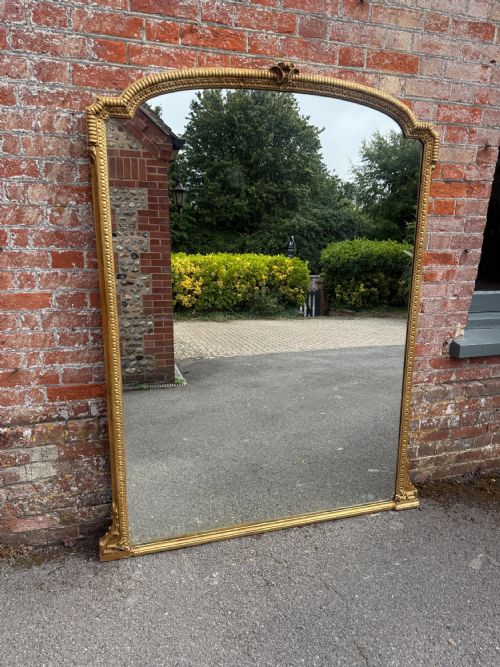
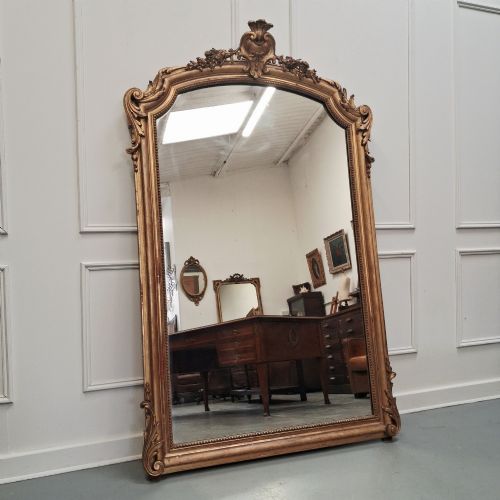
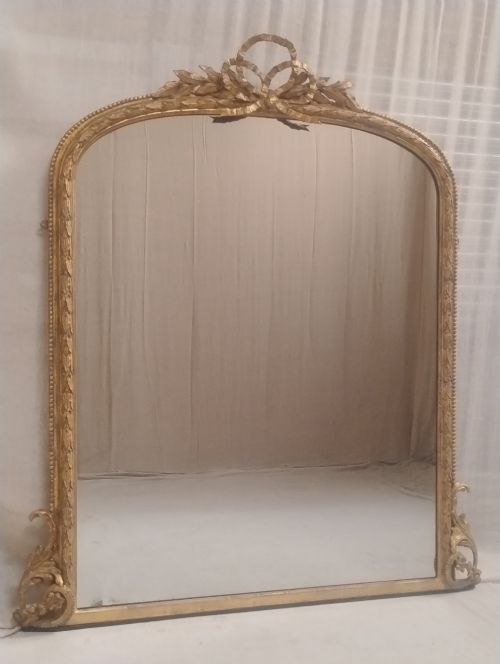
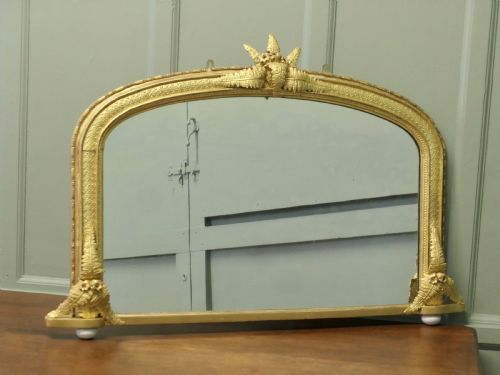
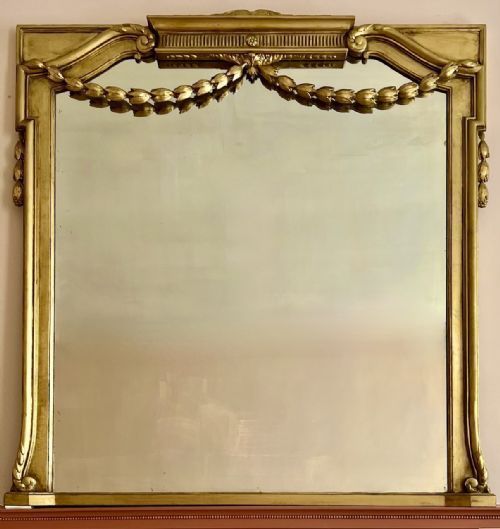
An antique french mantel mirror serves primarily as a decorative and functional focal point above a fireplace, designed to sit low upon the shelf or hang securely upon the wall. Buyers encounter substantial overmantel mirrors and wall mirrors spanning the nineteenth century, including specific periods such as the Louis Philippe era and the Napoleon III reign.
The prevailing styles encompass French Neoclassical, Rococo, and French Chateau aesthetics, alongside Empire Revival pieces and distinct architectural arches. Many examples are engineered specifically to reflect light across a room while anchoring the proportions of the mantelpiece beneath them.
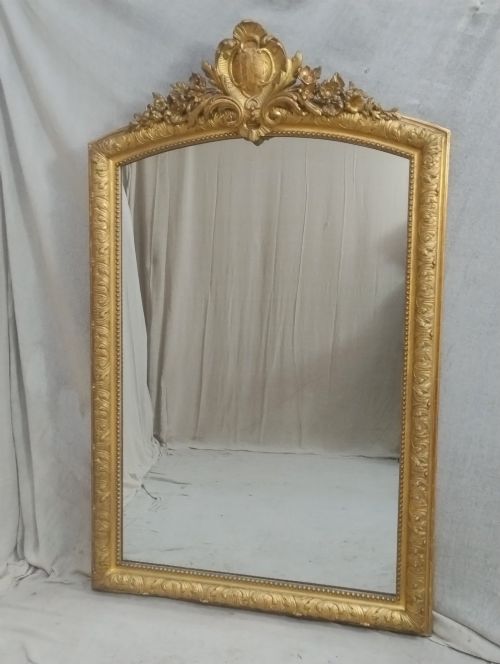
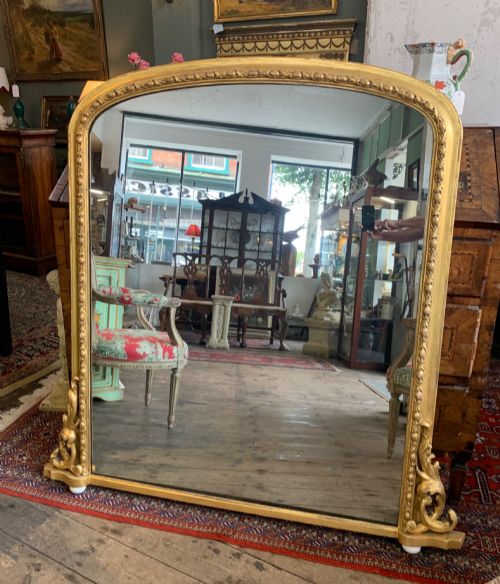
The dominant forms recorded in the archive and current listings are large overmantel mirrors, leaner mirrors, and arched top designs. These objects reflect the changing tastes of French interior decoration from the late eighteenth century through to the early twentieth century.
How They Were Made
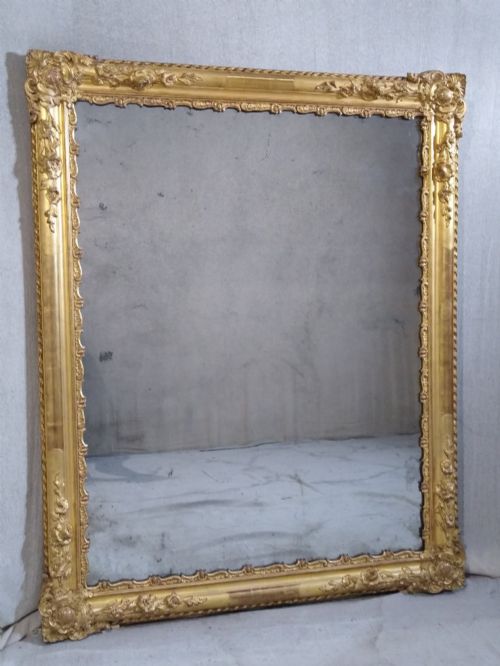
Carved wood provides the primary structural foundation for these frames, often built from timber that is subsequently coated in gesso to receive intricate surface ornamentation. Artisans applied gold leaf, silver leaf, or paint directly over the prepared gesso base to achieve the desired metallic or matte finish.
Many mirrors utilise original mercury glass, which produces a characteristic mottled, deep reflection distinct from modern manufacturing methods. Ormolu mounts and walnut timbers also appear in specific revival pieces from the later periods.
Retail Price Guide 2026
Typical UK retail prices for french mantel mirror, calculated from the Sellingantiques database of over a million retail prices indexed since 2003. This retail price guide relies exclusively on Sellingantiques data; no external sources or auction records are used, so the figures do not describe the wider market.
Periods represented span from eighteenth-century origins through the nineteenth century into the early twentieth century.
What Varies in Quality
The refinement of the carved wood and gesso ornamentation dictates the visual hierarchy of these pieces, separating massed decorative output from skilled artisan work. Crisp detail in the acanthus scrolls, floral motifs, and architectural moulding indicates superior workshop execution.
The condition and authenticity of the glass plate remain central, with surviving original mercury glass commanding greater interest than later replacements. The integrity of the original gilding or painted surface, alongside the stability of the wooden carcass, defines the upper tier of the range.
The Antique French Mantel Mirror Glossary
- Overmantel mirror
- A large mirror specifically proportioned to hang or rest upon the mantelpiece above a fireplace.
- Gesso
- A plaster-like mixture applied to wooden frames as a smooth base for gilding or painting.
- Mercury glass
- A double-walled glass blown type silvered internally with a mercury amalgam, creating a dark, mottled reflection.
- Giltwood
- Timber that has been coated with gold leaf or gold paint to simulate solid gold.
- Louis Philippe
- A mid-nineteenth century French style characterised by restrained curves and simple, elegant architectural lines.
Frequently Asked Questions
Where should I hang an antique french mantel mirror?
These mirrors sit naturally directly above a fireplace mantel shelf, where their proportions balance the hearth below. Alternatively, larger leaner mirrors function effectively placed directly on the floor against a main reception room wall.
Positioning them opposite a window maximises the distribution of natural light throughout the interior space. Ensure the wall fixings match the substantial weight of carved wood and gesso frames.
How do I identify a Louis Philippe mirror?
Louis Philippe mirrors typically display a distinct rounded upper arch combined with otherwise straight, clean rectangular framing. The decoration remains more restrained than the flamboyant Rococo or Neoclassical styles.
They date from the mid-nineteenth century and offer a versatile silhouette that suits both period and contemporary interiors.
What is mercury glass?
Mercury glass refers to double-walled blown glass objects that were silvered between the layers using a liquid mercury mixture. This historic technique creates an uneven, dark reflective quality with characteristic foxing and spotting.
Finding original mercury glass in an antique mirror adds significant historic interest to the piece.
How do I care for giltwood frames?
Dust giltwood and gesso frames gently with a dry, soft brush to prevent the delicate surface from lifting. Avoid using liquid cleaners, polishes, or moisture, which can damage historic gold leaf and underlying gesso.
Keep the mirror away from direct heat sources such as active fireplaces to protect the wooden structure from warping.