

Antique French Mantel Glass
Antique french mantel glass gathers decorative mirrors, carriage clocks, and timepieces reflecting nineteenth-century craftsmanship.
Antique French Mantel Glass
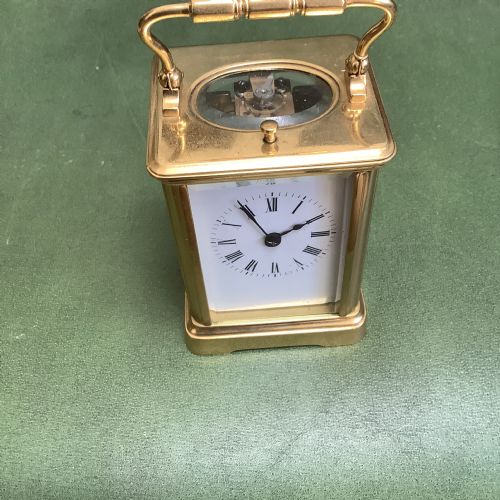
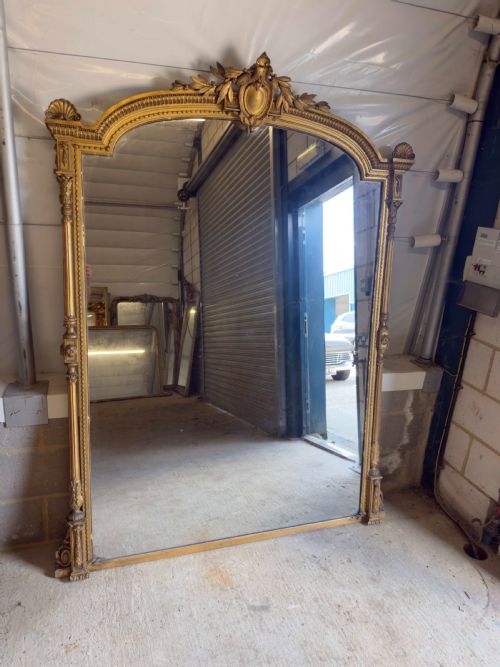
When searching for antique french mantel glass, buyers encounter a variety of decorative objects including mantel clocks, wall mirrors, overmantel mirrors, and carriage clocks. These items originate predominantly from nineteenth-century periods such as the Victorian era, Napoleon III reign, and the Art Deco period.
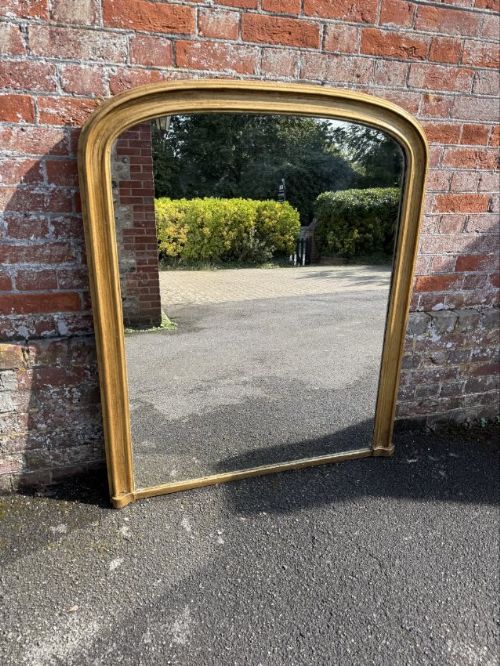
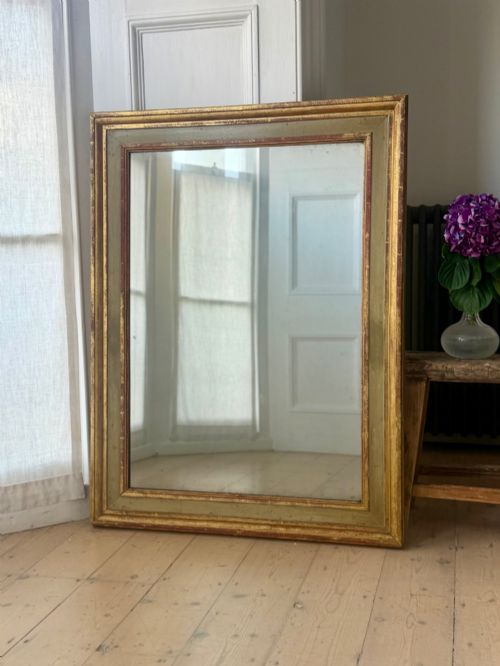
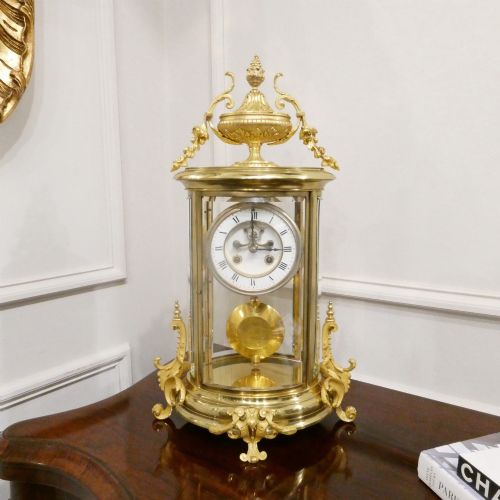
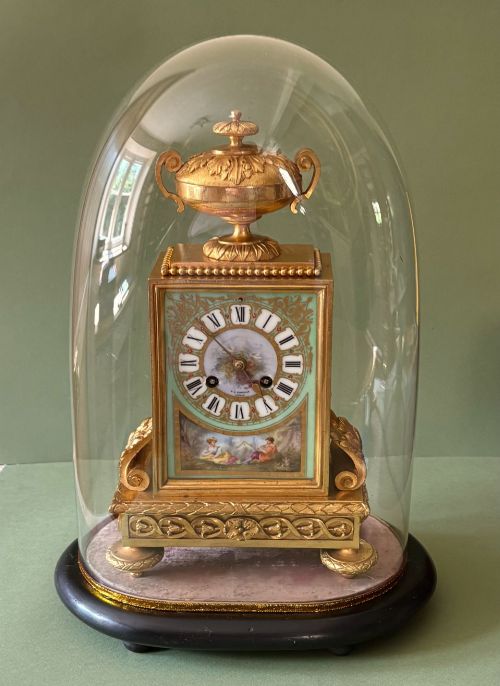
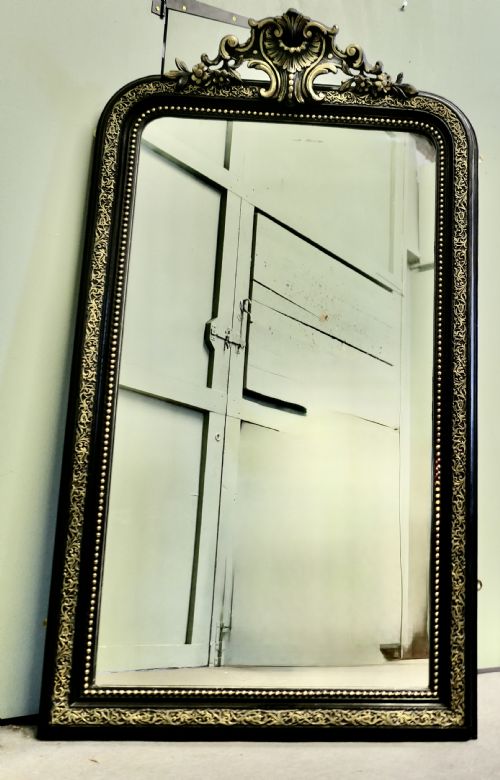
The objects frequently combine functional timekeeping or reflection with ornate frames, often utilising carved wood, gesso, and gilt finishes. Mantel clocks housed under glass domes and four-glass clocks appear alongside arched top mirrors and trumeau designs.
Materials and Techniques
Makers utilised brass, giltwood, gold leaf, and gesso to construct elaborate frames and clock housings. Carved wood forms the structural base for many mirrors, finished with layers of gesso and gilding.
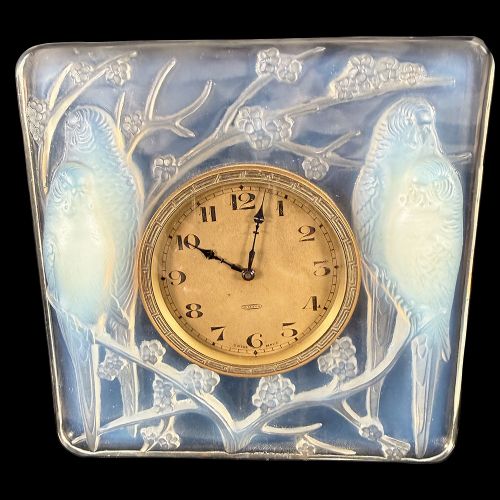
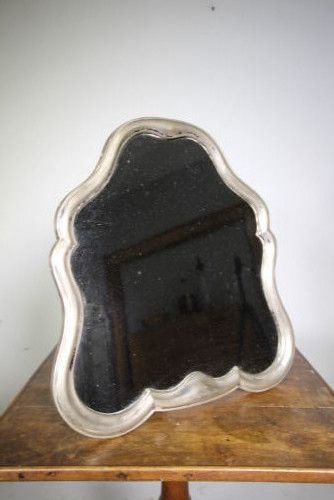
Glass elements include original mercury plate mirrors and opalescent art glass panels. Metalwork components involve gilt bronze, brass, and enamel dials.
Some timepieces preserve intimate details, such as opalescent glass love birds perched permanently beside the clock face.
Assessing Quality and Execution
Quality rests upon the crispness of the carved wood and gesso ornamentation, and the preservation of original gilt surfaces. Intricate detail in bronze mounts and the clarity of mercury glass plates distinguish superior examples.
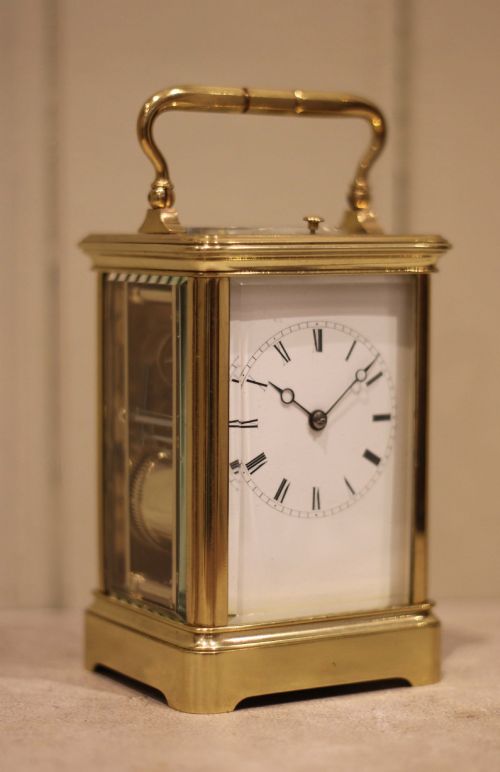
Clock movements show variation through mechanical complexity, such as striking, repeating, and chiming functions housed within brass or four-glass cases.
Samuel Marti·Rodier·R Lalique
The Antique French Mantel Glass Glossary
- Mercury glass
- A type of silvered glass produced by double-blowing glass walls with a liquid mercury mixture inside. This technique creates a reflective mirror coating with distinct antique mottling.
- Gesso
- A plaster mixture applied to wood frames as a base for painting or gilding. It allows craftsmen to sculpt detailed relief ornamentation.
- Ormolu
- Gilded bronze ornamentation applied to furniture and clock cases. The process involves coating metal with a gold-mercury amalgam.
- Trumeau
- A decorative wall mirror featuring an upper panel painted or carved with pastoral scenes. These pieces traditionally hung above mantelpieces.
Antique French Mantel Glass: Frequently Asked Questions
What is a four glass clock?
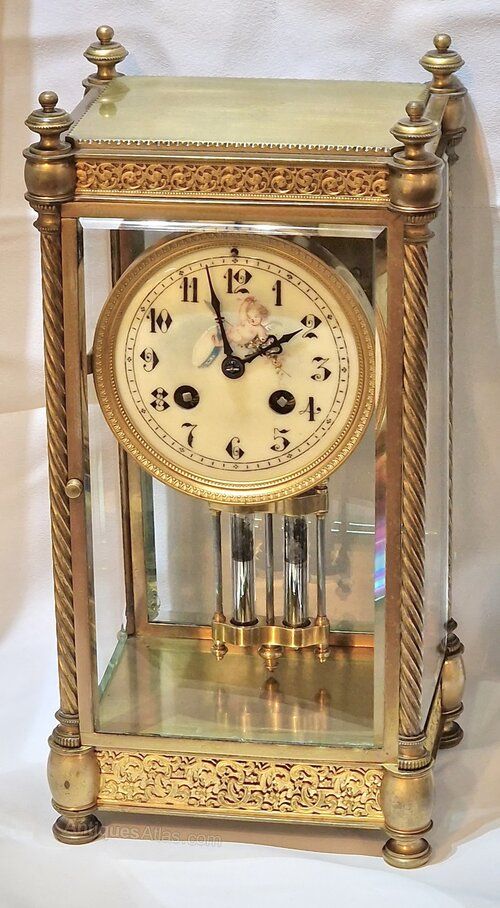
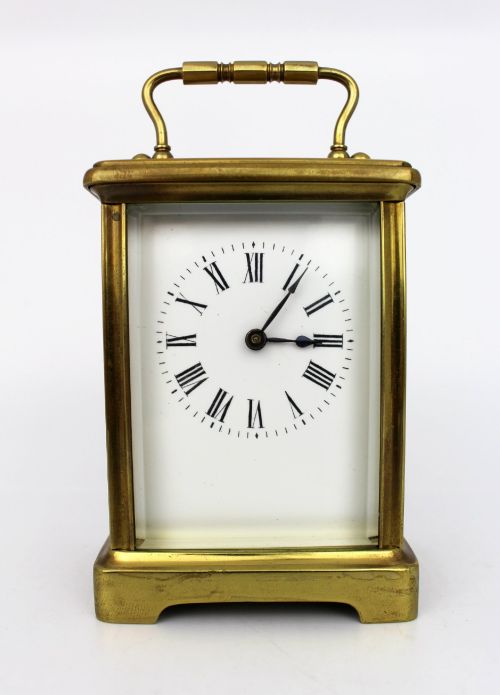
A four glass clock is a mantel timepiece featuring glass panels on the front, back, and sides. This design allows light to pass through and reveals the mechanical movement inside.
Such clocks often incorporate enamel dials and brass framing, originating largely during the nineteenth century.
How do I identify mercury glass?
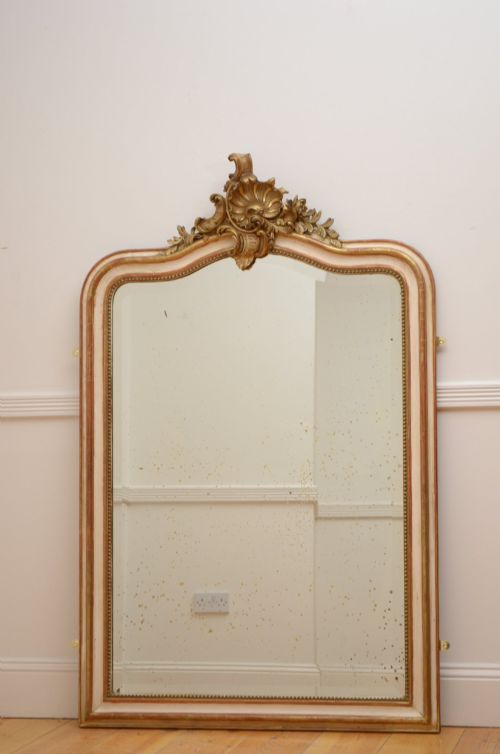
Mercury glass mirrors display characteristic dark spots, cloudiness, and irregularities beneath the glass surface. These traits stem from the historical silvering method utilising liquid mercury.
Original plates differ significantly from modern uniform mirror coatings.
Where were carriage clocks placed?
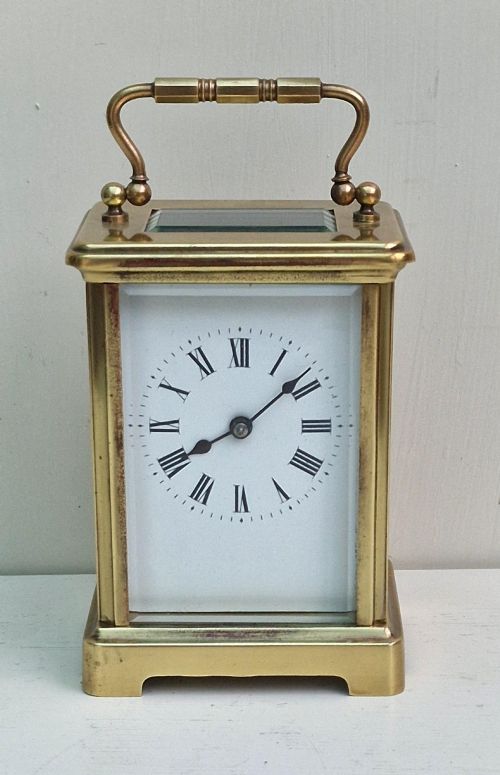
Carriage clocks were originally portable timepieces designed for travellers during the nineteenth century. They typically feature carrying handles and protective travel cases.
Over time, they transitioned into decorative mantel and desk clocks.
What is a Napoleon III mirror?
Napoleon III mirrors date from the mid to late nineteenth century under the Second French Empire. They frequently combine gold leaf, gesso, and dark painted finishes.
These pieces often serve as pier mirrors or overmantel decorations.