

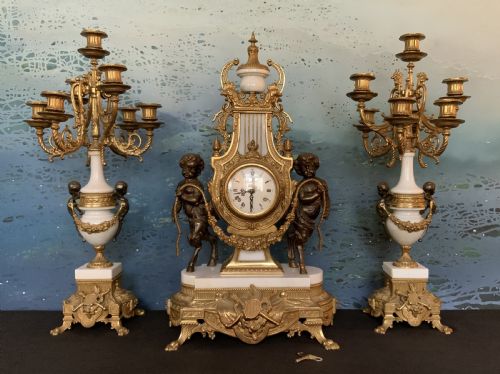


Antique French Mantel Candelabra
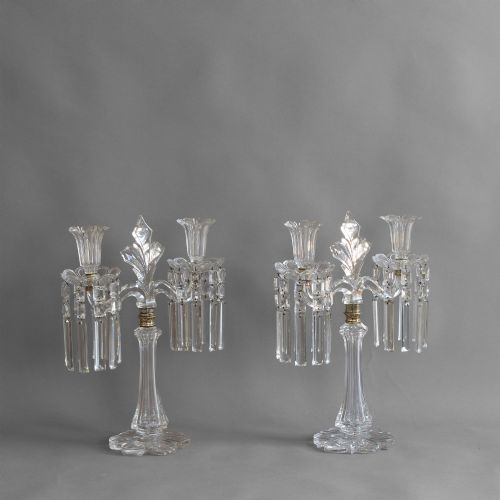
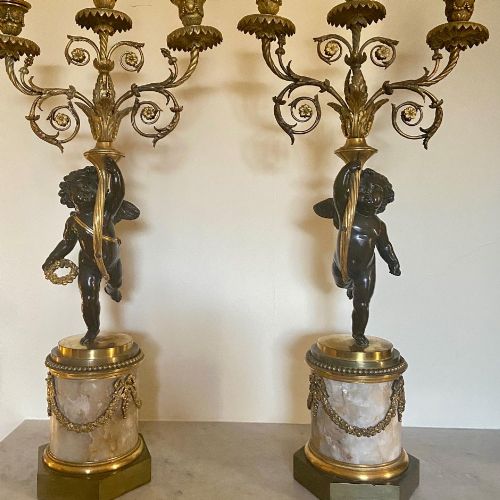
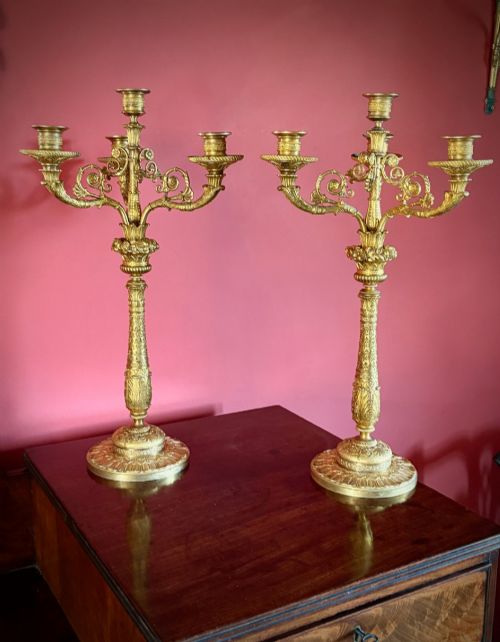
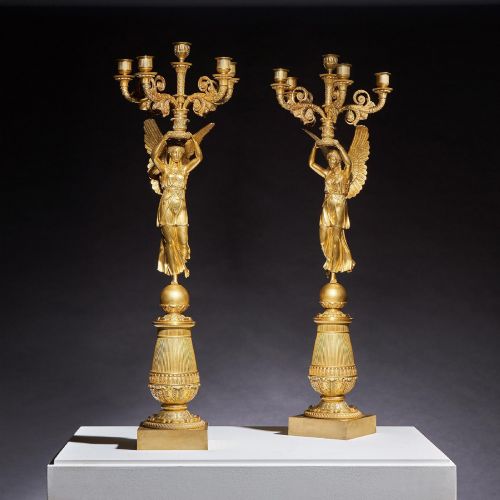
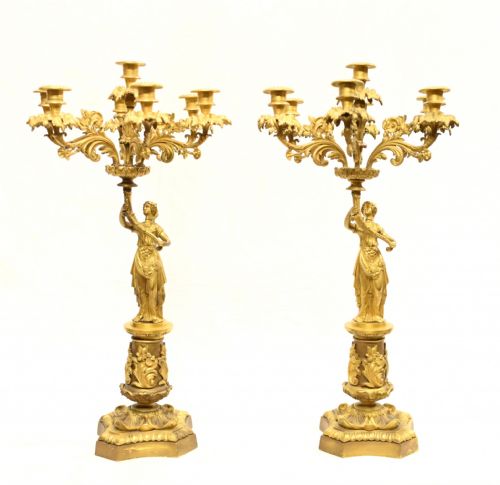
Antique French mantel candelabra bring undeniable grandeur to a room, pairing sculptural bronze and marble with intricate candle arms.
Antique French Mantel Candelabra
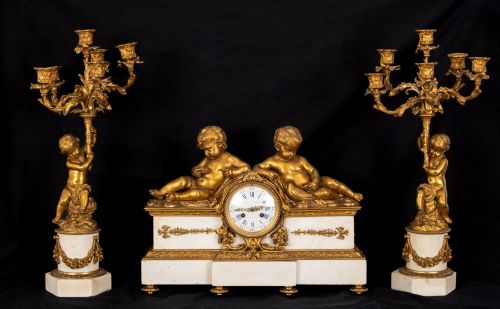
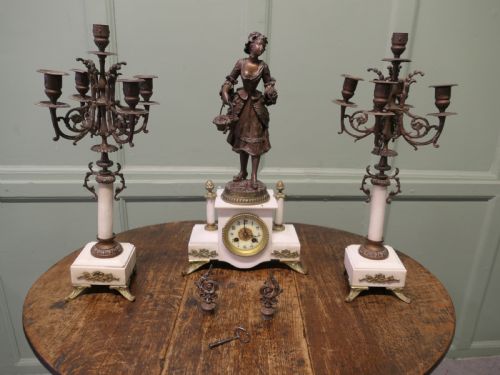
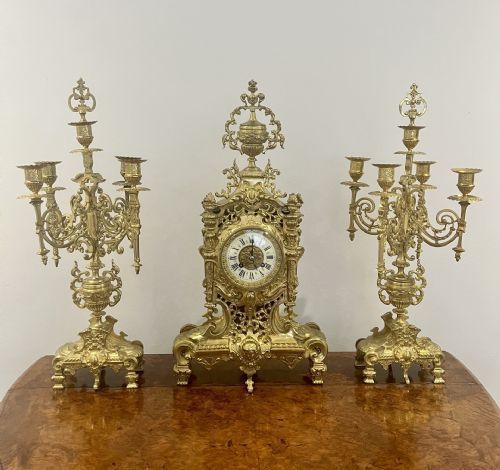
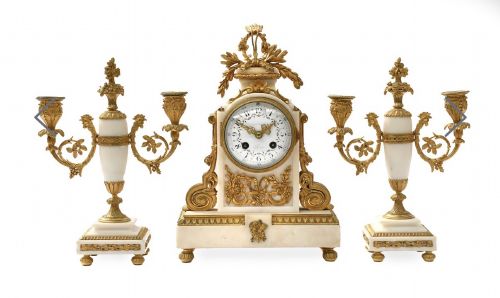
These works frequently appear as part of larger garniture arrangements that flank a central mantel clock. Makers drew heavily upon historical idioms, producing pieces styled after French Rococo Revival, Louis XVI Revival, and French Empire aesthetics.
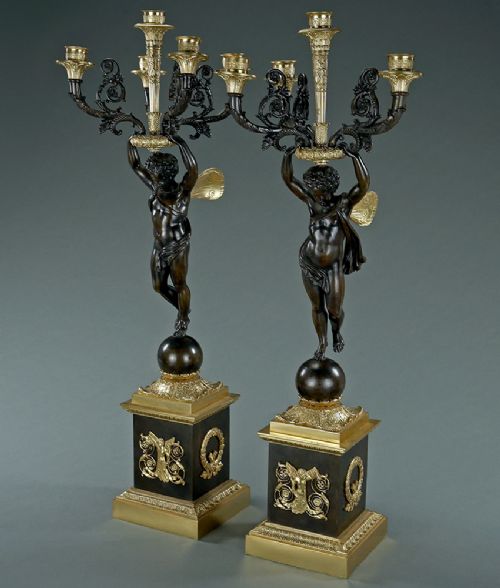
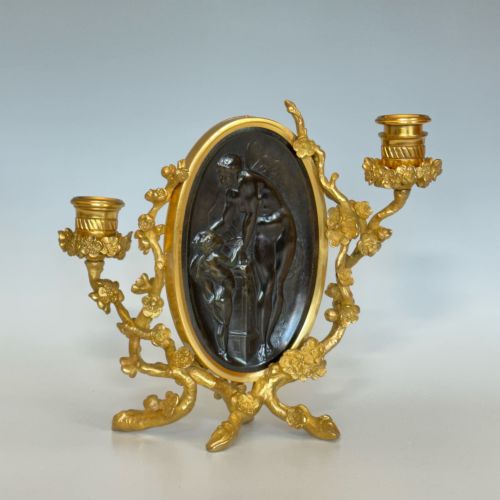
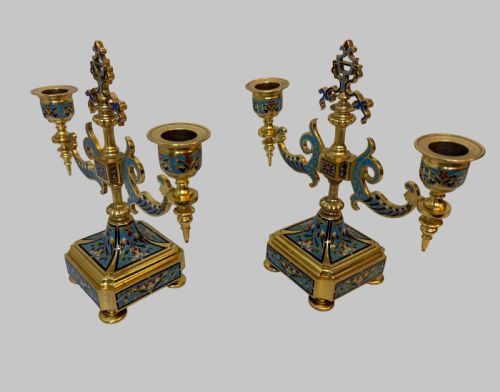
Forms span from simple twin-light candle sticks to massive multi-arm candelabras featuring patinated bronze putti, porcelain elements, and champleve enamel. Dating predominantly from the nineteenth century, they reflect the opulent interior design tastes of the period.
Materials and technique
Craftsmen utilised cast bronze as the primary structural metal, subsequently applying mercury gilding to produce rich ormolu surfaces or employing chemical treatments to create patinated bronze finishes. These metallic components were frequently paired with natural materials such as white marble, slate, and onyx for stability and visual contrast.
Decorative details often incorporated porcelain, enamel work, and cut glass drops suspended from table lustres. Workshops combined metal casting, chiselling, and fire gilding to achieve the ornate surface textures characteristic of the era.
Nineteenth-century bronze putti often double as candle holders, cheerfully hoisting heavy multi-arm candelabras above marble mantelpieces.
Evaluating craftsmanship
Integration of materials also dictates standing; superior examples unite marble bases, patinated bronze figures, and gilt mounts with tight joints and balanced proportions. Signed pieces or those attributed to noted makers demonstrate a higher level of individual artistry than unmarked factory production.
Francois Redmond·Pierre Philippe Thomire·Thiebaut Freres·Henry Dasson
The Antique French Mantel Candelabra Glossary
- Ormolu
- A technique of applying finely ground high-carat gold-mercury amalgam to bronze, creating a brilliant golden finish. It protects the base metal while providing a luxurious surface sheen.
- Garniture
- A set of matching ornamental objects designed to be displayed together on a mantelpiece. These typically comprise a central clock accompanied by two side candelabras or urns.
- Champleve
- An enamelling technique where troughs or cells are carved into the surface of the metal and filled with vitreous enamel paste before firing. This produces colourful decorative patterns flush with the metal framework.
- Patinated bronze
- Metal treated with chemical solutions to alter its surface colour from bright metallic brown to deep green or near-black tones. This process highlights sculptural contours by creating contrast in recessed areas.
- Putti
- Depictions of chubby male toddlers, often winged, derived from classical art and frequently utilised as sculptural supports in candelabra design.
Antique French Mantel Candelabra: Frequently Asked Questions
What is a clock garniture?
A clock garniture is a matched decorative set designed for display on a mantelpiece, consisting of a central clock flanked by matching candelabras or urns.
These sets created a unified decorative scheme across Victorian and nineteenth-century interiors, balancing the visual weight of the fireplace surround.
How do I clean ormolu?
Cleaning ormolu requires gentle dusting with a soft brush and warm soapy water, avoiding harsh chemical polishes that strip historical gold plating.
Aggressive rubbing damages the delicate mercury gilding beneath, so professional conservation is recommended for heavily tarnished surfaces.
Are these candelabras wired for electricity?
Most antique candelabras retain their original form designed exclusively for holding wax candles rather than electric bulbs.
Converting them for modern lighting typically involves drilling or alterations that compromise the structural integrity and historical value of the piece.
How do I identify Louis XVI style?
Louis XVI style is distinguished by neoclassical symmetry, straight tapered legs, urn motifs, and restrained geometric ornamentation rather than sweeping curves.
This aesthetic emerged in nineteenth-century revivals as a deliberate return to classical antiquity and architectural restraint.