
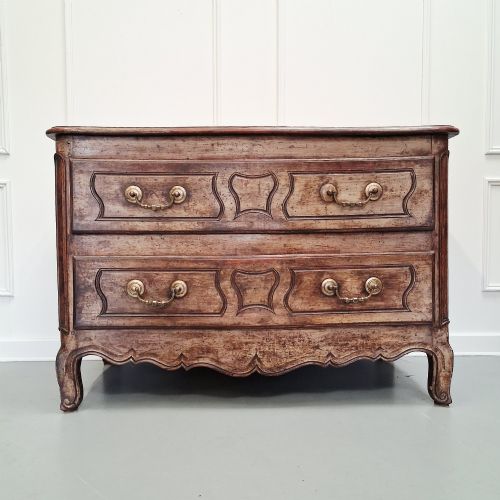
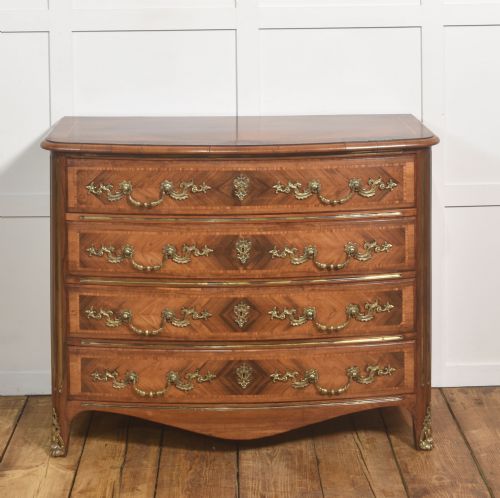
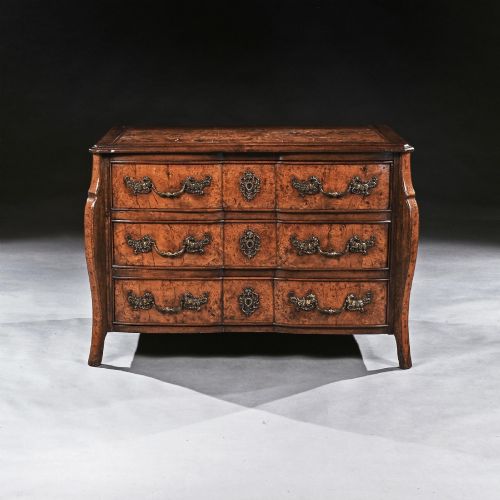
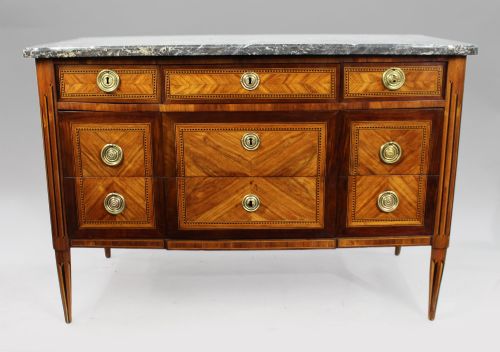
Antique French Dresser Drawers
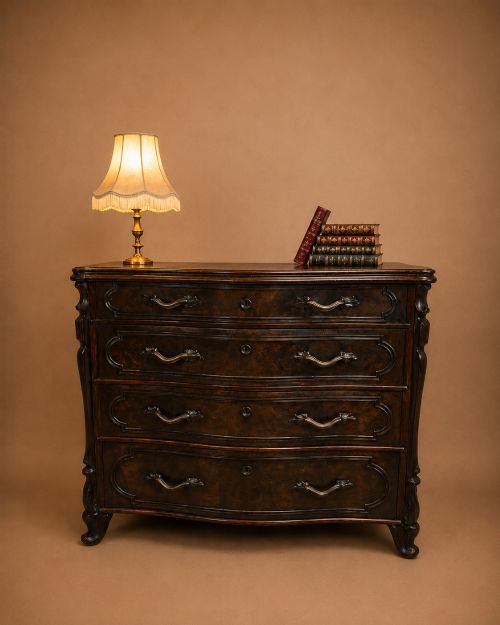
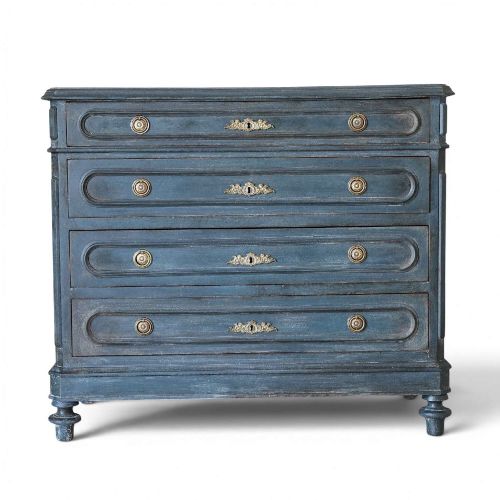
These antique french dresser drawers span centuries of continental storage forms, offering collectors substantial timber carcases and polished marble surfaces.
Antique French Dresser Drawers
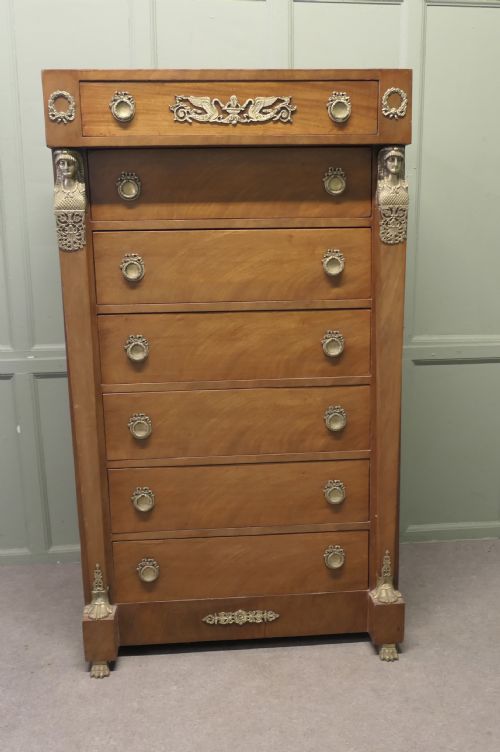
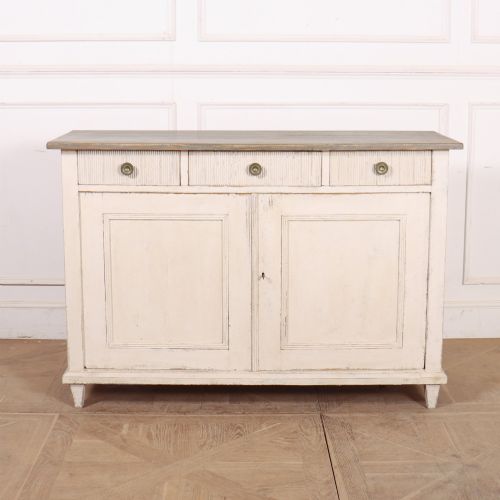
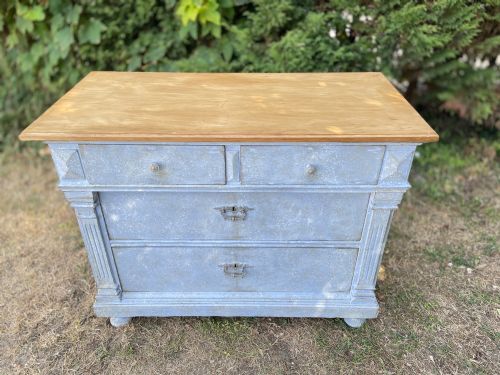
Buyers searching for antique french dresser drawers encounter robust storage pieces encompassing chests of drawers, commodes, and washstands originating across European provinces. These items arrive in various timber constructions dating from the eighteenth century through to the early twentieth century, spanning specific regional designs.
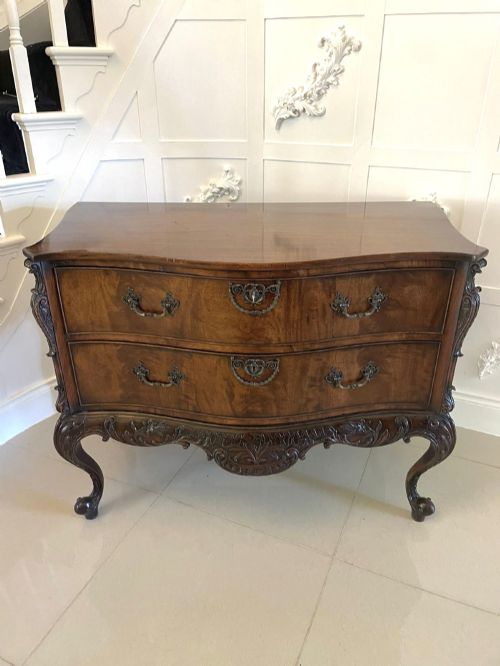
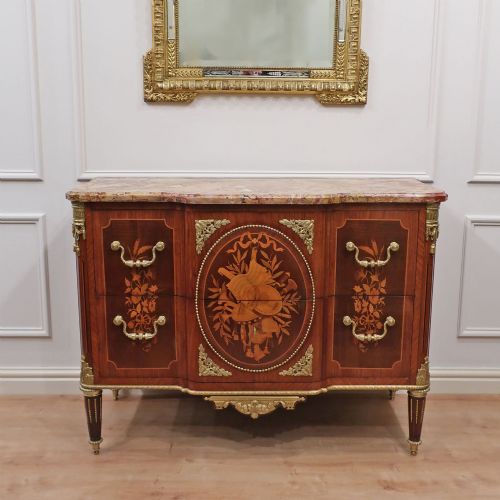
The selection frequently presents pieces styled in the manner of Louis XV and Louis XVI alongside provincial expressions in oak, walnut, and cherrywood. Makers applied traditional forms such as the serpentine front and the bombe shape, providing functional compartments for domestic interiors.
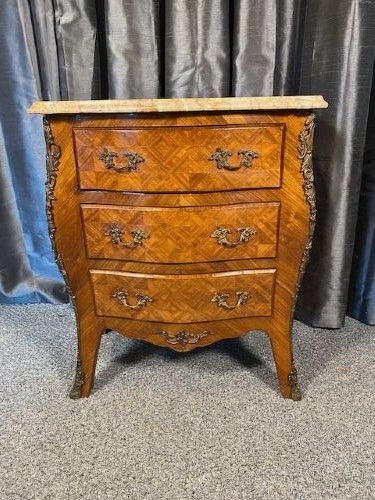
Examples range from early eighteenth century burr elm and maple specimens to later nineteenth century pine and mahogany iterations. Buyers find utilitarian washstands alongside decorative marquetry and parquetry commodes fitted with stone surfaces.
How they were made
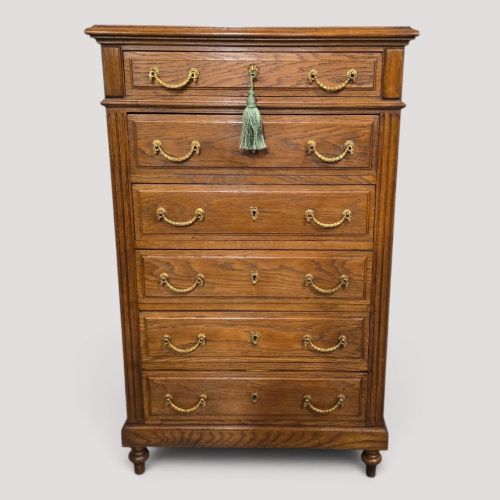
Cabinetmakers constructed the carcases of these storage units using native and imported timbers including oak, walnut, mahogany, and kingwood, often applying detailed marquetry and parquetry veneers. Artisans shaped structural elements into serpentine and bombe contours, requiring precise woodworking techniques.
Surfaces frequently integrate polished marble tops in grey or other shades, paired with cast brass or ormolu mounts and handles. Joinery methods matched the period, securing panels within frames to accommodate seasonal timber movement.
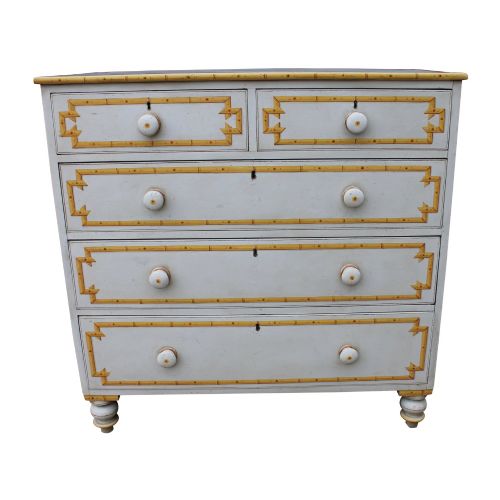
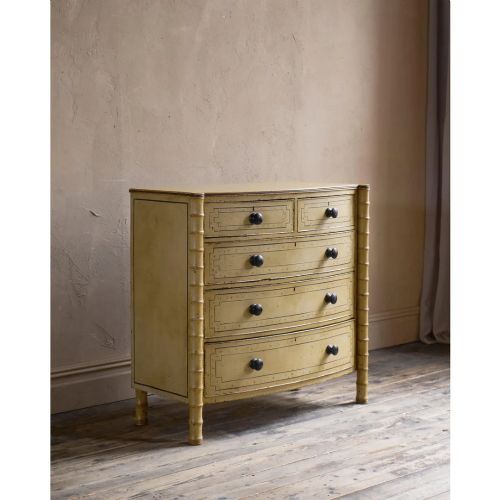
Some items feature clever faux bamboo turnings, proving that even strict cabinetmakers occasionally enjoyed a playful imitation of nature.
What varies in quality
The standard of execution separates basic utilitarian storage from elite regional cabinet work, evident in the precision of the wood veneers and the complexity of the serpentine shaping. Fine marquetry patterns and intricate parquetry deployment indicate higher artisan involvement.
Hardware integration and the selection of materials such as burr elm, kingwood, or matched marble tops differentiate the upper tier of pieces. The harmony between the structural timber carcase and the decorative brass or ormolu mounts defines the overall calibre.
Thomas Hache of Grenoble
The Antique French Dresser Drawers Glossary
- Commode
- A low chest of drawers or cabinet originating in France during the seventeenth century. These units typically feature multiple drawer tiers and often incorporate decorative marble tops.
- Bombe
- A swelling, outward-curved contour found on the sides and fronts of certain case furniture. This profile requires advanced woodworking skill to execute properly in solid timber or veneer.
- Marquetry
- The art of applying decorative pieces of veneer to a structure to form intricate pictorial designs. Cabinetmakers utilise various tinted woods to achieve contrasting patterns.
- Parquetry
- A geometric mosaic of wood pieces used for decorative surfacing on furniture. Artisans arrange wood blocks in repeating patterns such as squares or lozenges.
- Ormolu
- Gilt bronze mounts applied to furniture decoration during the eighteenth and nineteenth centuries. These metallic elements accent corners, handles, and apron rails.
Antique French Dresser Drawers: Frequently Asked Questions
What is a french commode?
A french commode is a low chest of drawers designed for domestic storage, frequently featuring decorative veneer work and a stone top. These pieces originated as fashionable bedroom or reception room furniture.
Craftsmen built them across various regional workshops, incorporating styles from the Louis periods through to provincial interpretations in oak and walnut.
How do I identify a marble top?
Marble tops on these storage units are heavy stone slabs fitted directly to the timber carcase. They provide a durable, finished surface resistant to liquid and heat.
These tops vary in colour, thickness, and edge profiling according to the period and regional workshop origin.
What timber was used most?
Cabinetmakers utilised a wide selection of timbers depending on the region and the era of production. Oak, walnut, and cherrywood dominate provincial pieces, while exotic woods like kingwood and mahogany appear in refined examples.
Secondary woods such as pine also feature within internal drawer linings and carcase backs.
What does serpentine shape mean?
A serpentine shape describes a front profile that curves outward in the centre and inward toward the edges. This fluid line requires expert craftsmanship in both solid wood and veneered surfaces.
Such contours appear frequently on eighteenth and nineteenth century commodes and chests.