


Antique French Double Bed
An antique french double bed brings continental scale and warmth into a modern bedroom through generous proportions and carved timber.
Antique French Double Bed
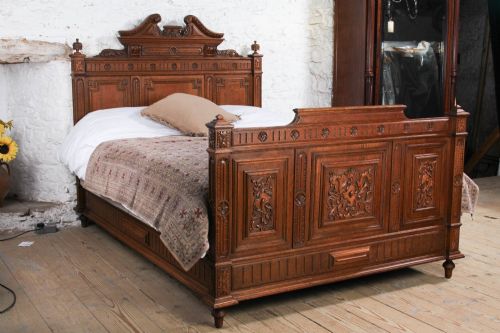
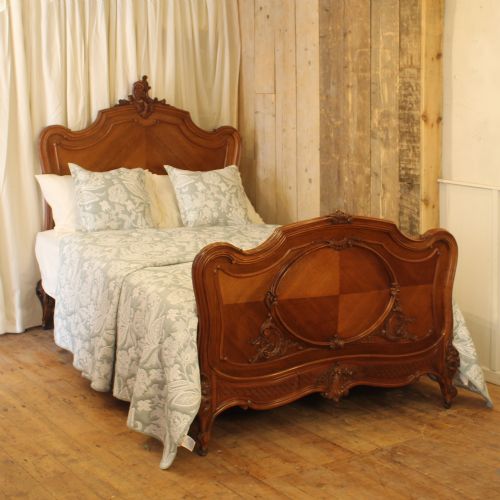
An antique french double bed sits at the heart of traditional European bedroom furniture, offering substantial sleeping space defined by distinct regional styling. You will encounter frameworks spanning the nineteenth century through the art deco period, reflecting stylistic shifts from ornate provincial carving to clean geometric lines.
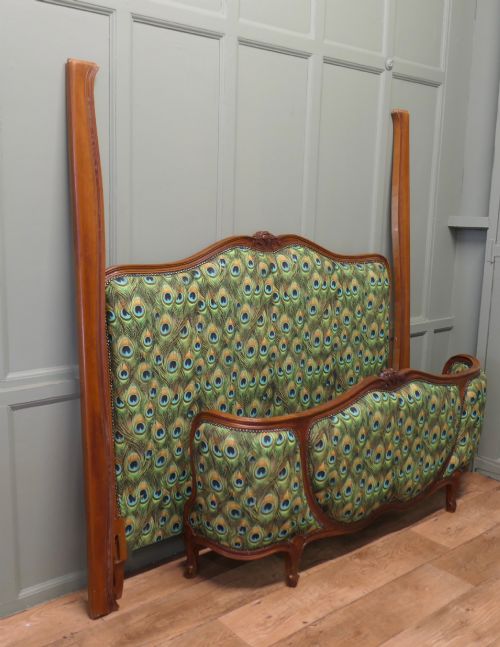
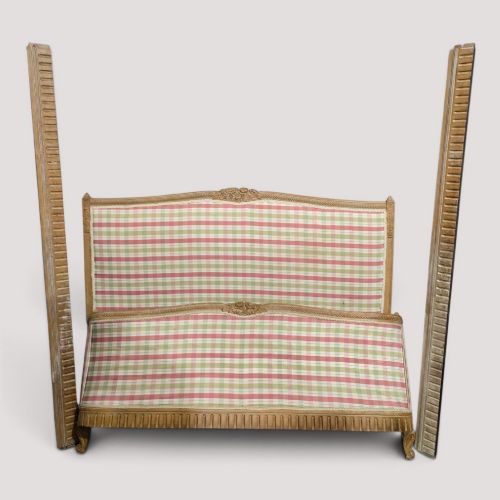
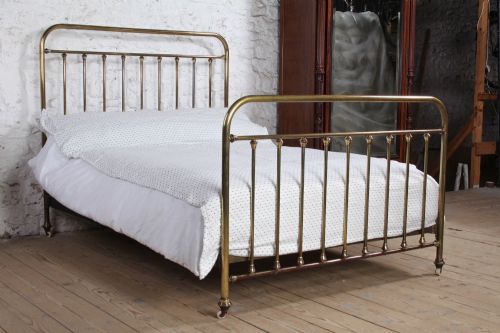
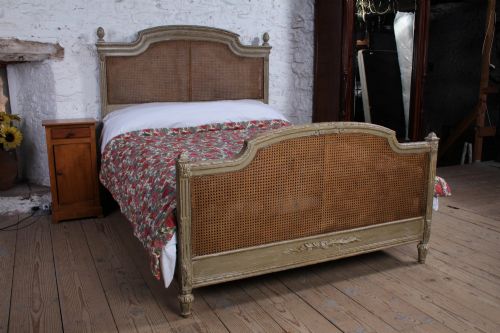
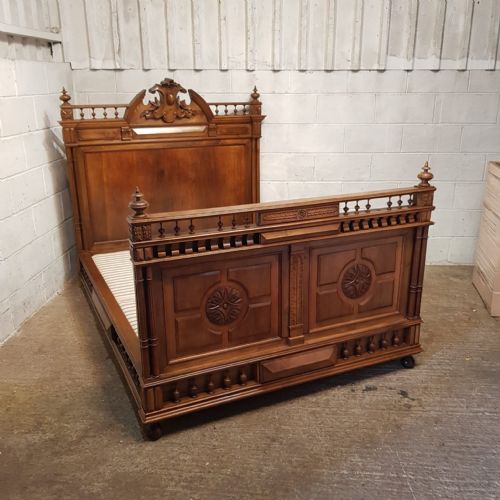
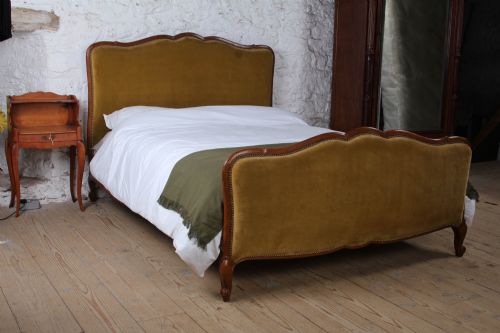
The pieces available here typically manifest as wooden bedsteads constructed from walnut or mahogany, alongside polished brass frames and painted finishes. Many examples incorporate upholstered headboards or woven cane panels, balancing structural timber with softer textures suited to domestic interiors.
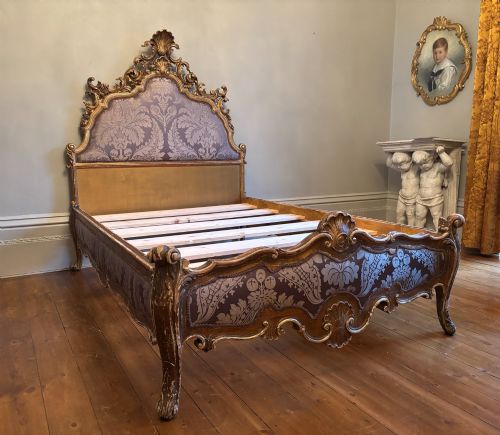
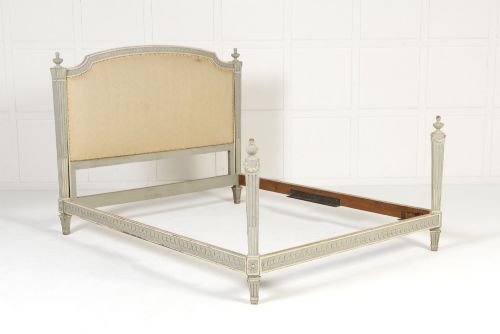
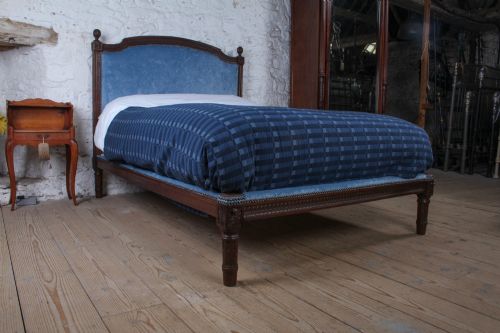
Makers drew on established idioms such as Louis XVI revival, French provincial, and empire styles to shape these frames. The resulting variety accommodates both grand period settings and simpler country houses, giving buyers numerous aesthetic directions within the standard double size.
How they were made
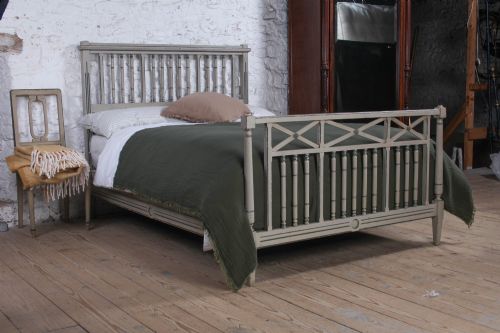
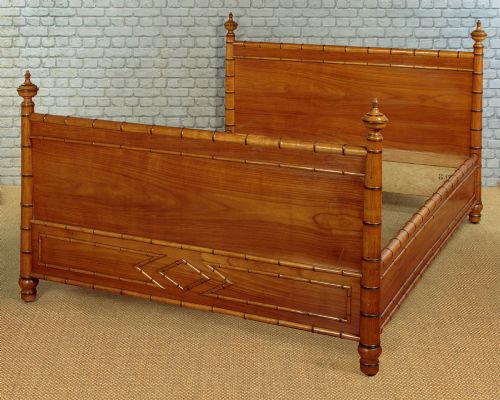
Cabinetmakers relied heavily on walnut and mahogany for structural integrity, often selecting burr veneers or plum pudding mahogany to display rich natural grain patterns. Where wood was not showcased in its polished state, artisans applied paint finishes or limed treatments to soften the visual weight of the timber.
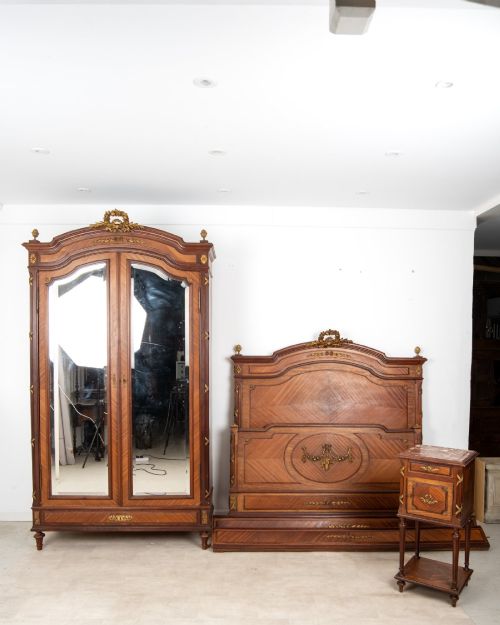
Metal components also played a central role in construction, utilising solid brass tubing or forged iron alongside decorative ormolu mounts. These metallic elements provided contrast against dark hardwoods, while cane work introduced lightweight, breathable panels into headboards and footboards.
Antique French Double Bed Retail Price Guide 2026
Typical asking prices for french double bed among the pieces listed under this phrase on Sellingantiques today, from the lower quarter to the upper quarter. They describe what is for sale here now, not the wider market.
Listings feature beds spanning from the late nineteenth century through the 1930s, constructed predominantly in walnut, mahogany, and brass.
What varies in quality
The distinction between standard commercial pieces and finer workshops lies in the depth and crispness of the hand-carving applied to the wooden frames. Superior examples display sharply defined foliage, fluting, and panel mouldings that integrate seamlessly into the overall architecture of the bedstead.
Material selection further separates grades of quality, with dense figured woods and substantial cast brass mounts commanding higher craftsmanship standards. The precision of joinery, particularly in curved headboards and fitted side rails, determines how successfully a historic bed adapts to modern mattress dimensions.
The Antique French Double Bed Glossary
- Ormolu
- Gilded bronze mounts applied to furniture for decorative enrichment. These metallic details catch the light and accentuate classical revival motifs.
- Caning
- Woven rattan material used to create open, textured panels within headboards and footboards. This technique lightens the visual mass of heavy wooden frames.
- Parquetry
- Geometric wood veneer patterns arranged across flat surfaces. Craftsmen used contrasting timbers to form intricate repeating designs on bed panels.
- Faux bamboo
- Turned and painted wood designed to mimic natural bamboo stalks. This whimsical technique gained popularity during the late nineteenth century.
- Louis XVI style
- A classical revival design movement characterised by straight tapered legs, symmetrical geometry, and restrained ornamentation. It provides a more architectural silhouette than earlier rococo forms.
Antique French Double Bed: Frequently Asked Questions
Will a standard modern mattress fit an antique french double bed?
Historic French bed sizes often differ slightly from contemporary British dimensions, occasionally requiring bespoke mattress sizing or minor internal adjustments.
Checking the exact interior length and width dimensions listed for each bedstead ensures proper alignment with modern bedding.
How do I care for polished walnut and mahogany frames?
Regular dusting with a dry, soft cloth preserves the polished sheen of hardwood surfaces without building up excess residue.
Applying a traditional beeswax periodically nourishes the timber and protects the grain from drying out over time.
What distinguishes Louis XVI style from empire style beds?
Louis XVI style frames favour straight lines, fluted columns, and restrained classical proportions inspired by antiquity.
Empire style pieces typically display heavier, more imposing forms enriched with prominent ormolu mounts and deep mahogany tones.
Are these beds easy to dismantle and assemble?
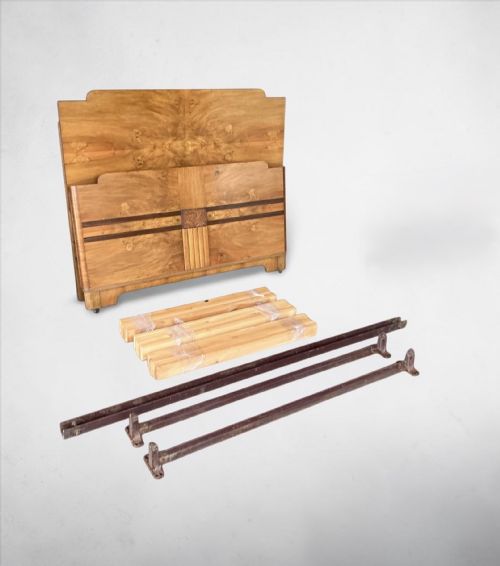
Most antique wooden and brass bedsteads utilise standard bolt-together side rails that separate for straightforward transport.
Care should be taken when tightening historic metal threads within original timber housings during reassembly.