


Antique French Daybed
These antique french daybed pieces bring classic European elegance into a room, offering a versatile spot for both daytime lounging and traditional seating.
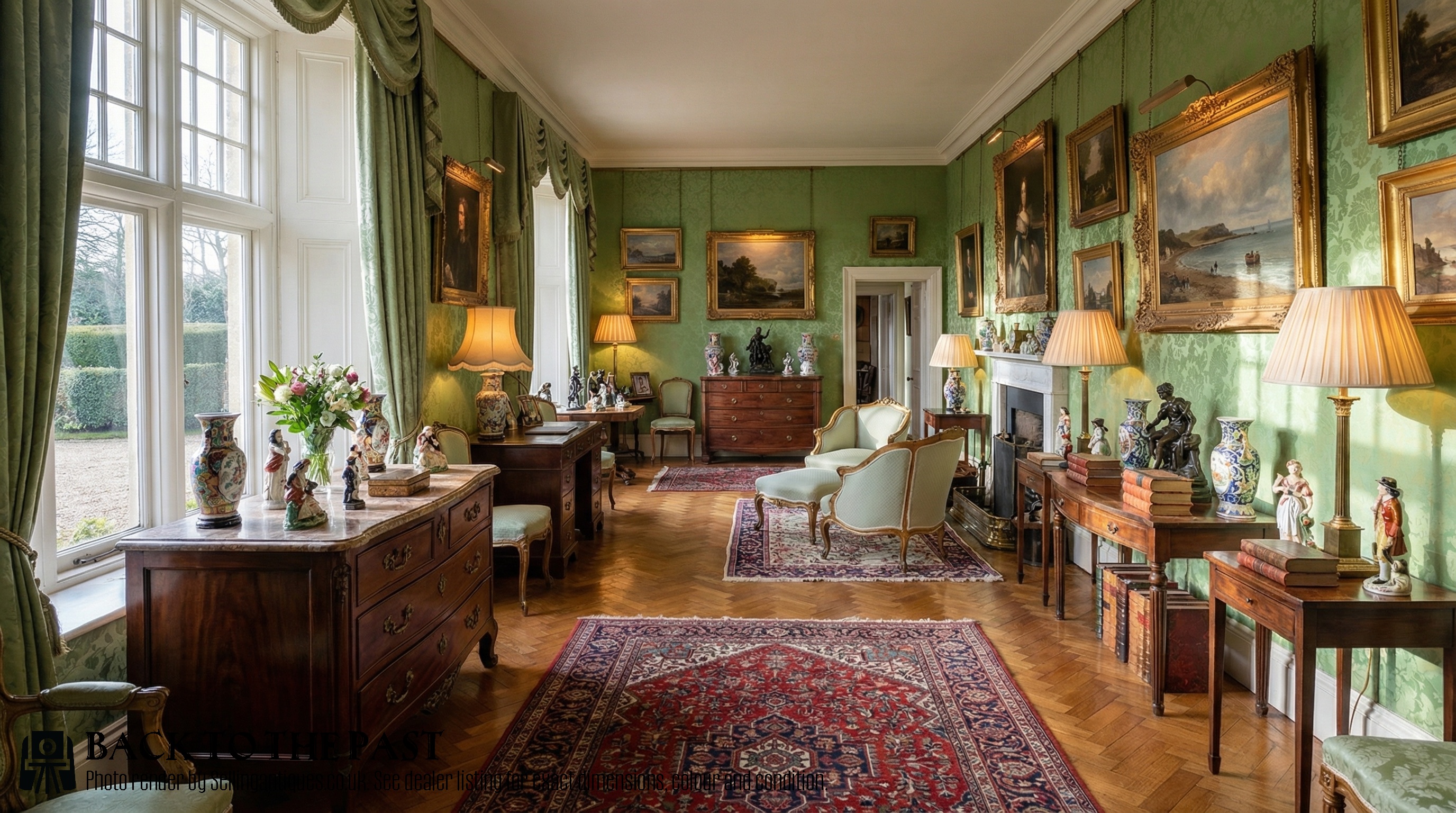
Understanding the antique french daybed
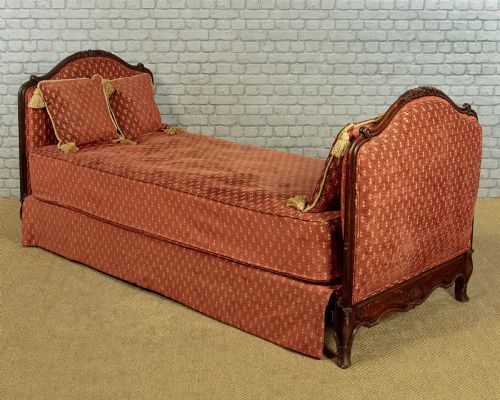
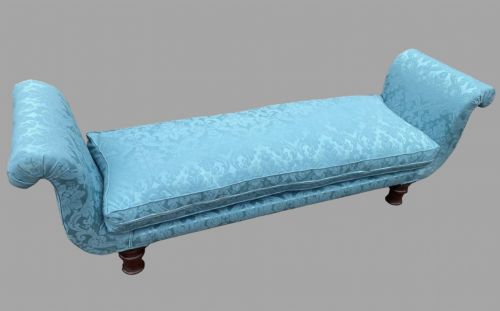
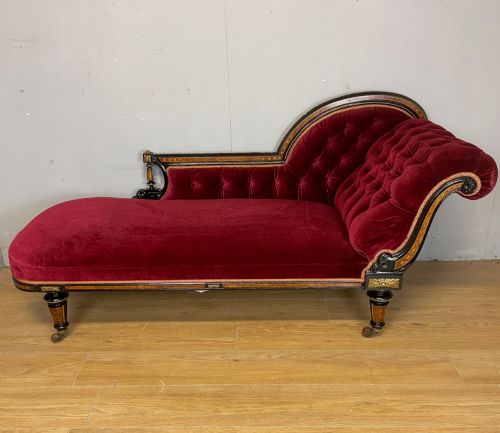
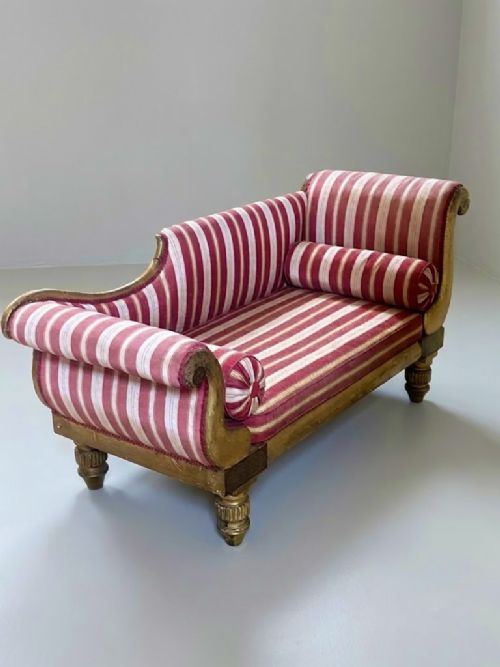
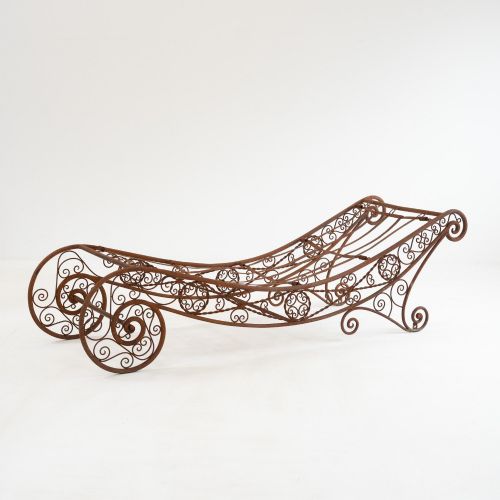
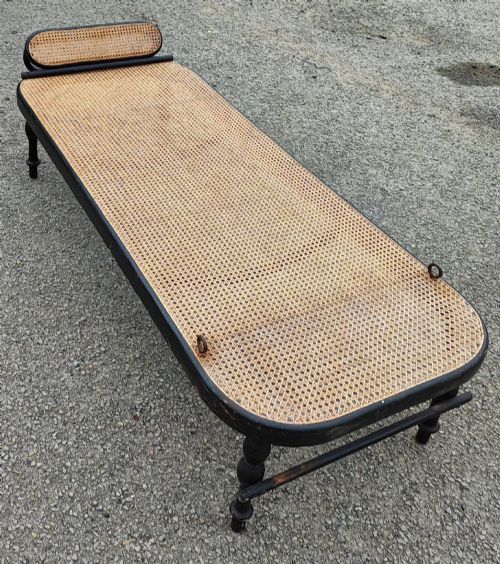
An antique french daybed encompasses various forms of extended seating and lounging furniture originating from France across the nineteenth century and into the early twentieth century. These pieces appear in distinct styles including nineteenth century French Empire, Louis XV style, and French Rococo, reflecting evolving decorative tastes.
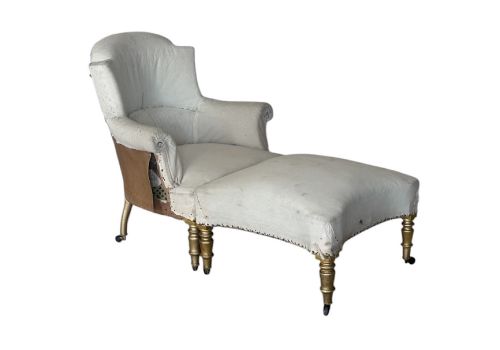
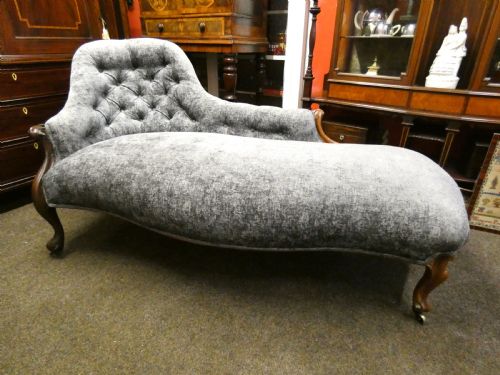
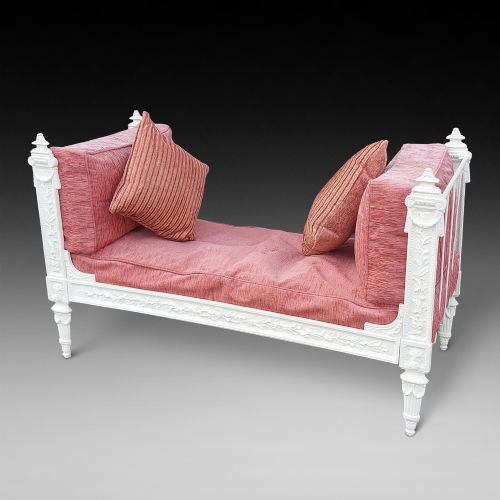
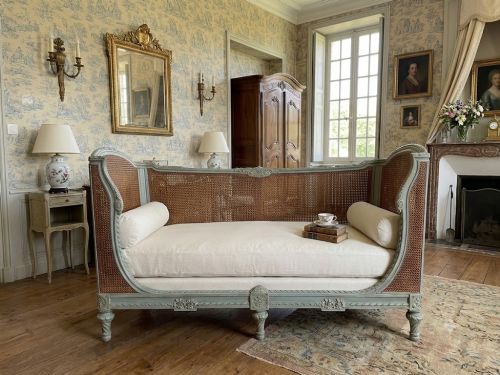
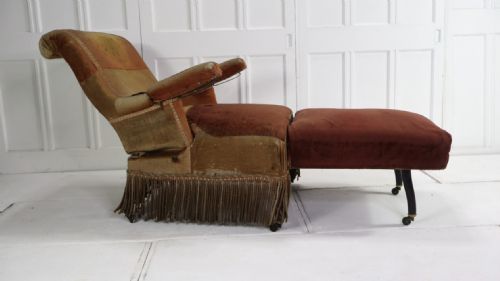
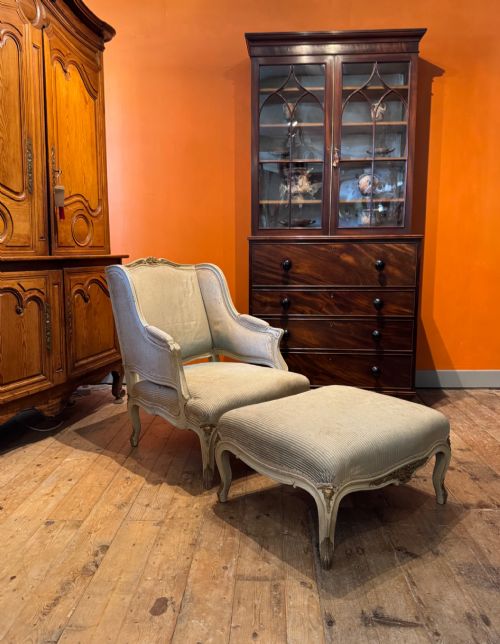
The selection frequently includes multi-part ensembles such as the duchesse brisée, alongside single daybeds, lit bateau forms, and chaise longues. These items combine timber frameworks with traditional upholstery materials to create substantial statement furniture for interiors.
Construction and Materials
Makers utilised timber and beech to build the structural framework of these frames, often applying giltwood finishes or original paint for decorative effect. Brass elements also appear on certain pieces to accent the woodwork.
Upholstery historically involved layers of fabric, damask upholstery, calico, and velvet to pad the reclining surfaces and provide comfortable support for everyday use.
Retail Price Guide 2026
Typical UK retail prices for french daybed, calculated from the Sellingantiques database of over a million retail prices indexed since 2003. This retail price guide relies exclusively on Sellingantiques data; no external sources or auction records are used, so the figures do not describe the wider market.
Some multi-piece sets cleverly transform a standard chair into an extended lounger by adding a matching footstool.
Assessing Quality and Execution
The standard of carving and surface finish distinguishes standard examples from exceptional ones, with hand-applied gilding or well-preserved original paint showing superior craftsmanship. Cohesive three-piece ensembles require matching components that retain their original proportions and decorative harmony.
The integrity of the underlying timber frame and the quality of the textile coverings dictate the overall refinement of the piece. Premium examples maintain their structural joinery alongside period-appropriate upholstery materials.
The Antique French Daybed Glossary
- Duchesse brisée
- A multi-piece lounger consisting of a chair accompanied by a stool or a matched pair of chairs with a central ottoman. This form splits the daybed into modular components for flexible placement.
- Lit bateau
- A boat bed featuring scrolled head and footboards of equal or near-equal height. The curved wooden profile mimics the sweep of a vessel.
- Giltwood
- Timber coated with a thin layer of gold leaf or gilt powder. This finish brightens the carved details and frame profiles.
- Damask upholstery
- A reversible figured fabric traditionally woven on a jacquard loom with intricate patterns. It provides a formal, textured surface for seating.
Frequently Asked Questions
How do I use a daybed?
These pieces serve primarily as daytime seating or lounging furniture rather than primary beds. They fit well in studies, large hallways, or drawing rooms where occupants sit or recline during daytime hours.
Their elongated proportions allow them to function as sculptural focal points in spacious interiors while remaining practical for resting.
What is a duchesse brisee?
A duchesse brisée is a multi-part lounge seating arrangement divided into two or three pieces. This design allows the user to separate the chair from the footstool or ottoman.
Originating in eighteenth-century France, this modular approach remained popular throughout the nineteenth century for versatile lounging.
How do I date these pieces?
Dating relies on identifying the characteristic design styles, such as French Empire, Louis XV, or Victorian influences. Construction methods and wood types also provide clues to the manufacturing era.
Historical records and stylistic markers help narrow down whether a piece originates from the early nineteenth century or later periods.
What materials were used?
Frameworks are constructed from timber, beech, and giltwood, occasionally supplemented with brass accents. These materials provided the structural strength needed for ornate carving.
Upholstery schemes incorporated fabrics such as velvet, damask, and calico over internal padding to ensure comfort.