


19th Century French Chaise
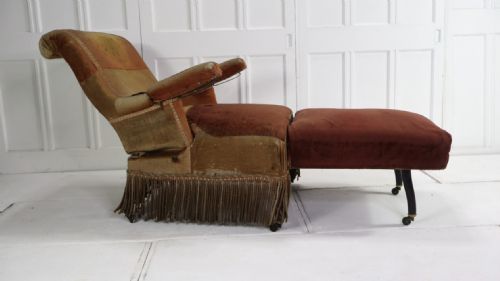
A 19th century french chaise brings a distinct silhouette and generous reclining comfort to a reception room or salon.
19th Century French Chaise
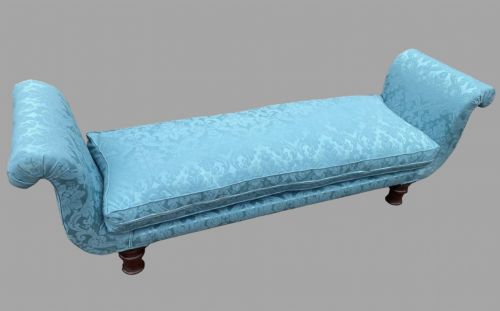
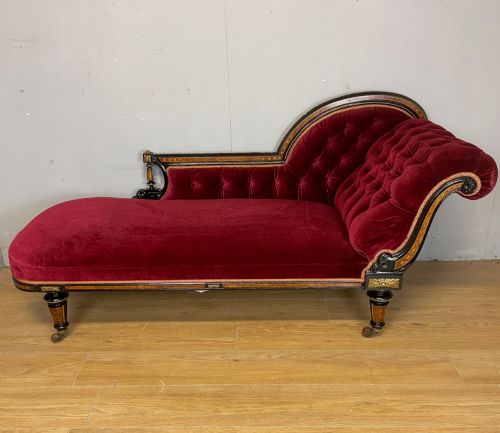
When searching for a 19th century french chaise, buyers encounter an array of elongated seating forms designed for reclining and repose. The inventory ranges from classic chaise longues and daybeds to multi-piece duchesse brisées and window seats.
The pieces present various stylistic interpretations, including French Chateau, Empire, Rococo Revival, and Second Empire influences. Walnut and mahogany frames frequently appear alongside giltwood and ebonized timber.
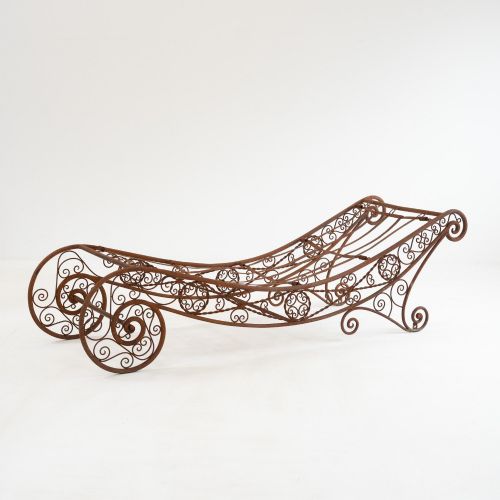
Makers and craftsmen utilised luxurious textiles such as velvet and standard fabric upholstery to finish these seating forms. Many examples integrate structural elements of brass, ormolu, and wrought iron.
What varies in quality
The distinction between tiers of quality rests in the execution of the woodwork, from crisp hand-carved walnut details to simpler structural turns. Superior examples exhibit cohesive styling such as unified giltwood duchesse brisée suites rather than mismatched components.
The grade of applied metalwork, including chased ormolu and substantial brass mounts, elevates the piece. Original textile integrity and the refinement of inlaid panels further separate standard production from exceptional works.
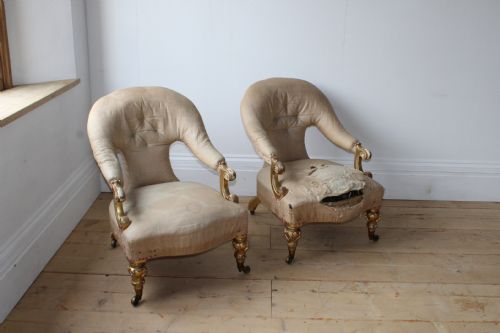
Conversation seats allowed two people to sit facing opposite directions while maintaining intimate proximity during polite Victorian chats.
The 19th Century French Chaise Glossary
- Chaise longue
- An upholstered chair that is long enough to support the legs, functioning as a hybrid between a chair and a sofa. This form dominates the reclining seating options.
- Duchesse brisée
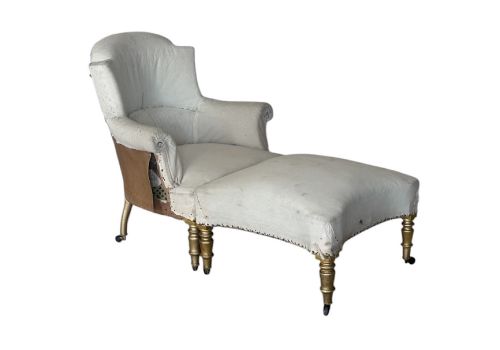
- A chaise longue broken into two or three parts, typically an armchair accompanied by one or two footstools that together form a complete resting surface.
- Ormolu
- Gilded bronze applied as decorative mounts on furniture frames. It provides metallic contrast against dark timbers like walnut and mahogany.
- Giltwood
- Timber that has been coated with gold leaf or gold paint. This finish appears frequently on elaborate salon furniture.
- Lit bateaux
- A boat bed featuring scrolled head and footboards of equal height. Some examples function similarly to daybeds within reception spaces.
19th Century French Chaise: Frequently Asked Questions
How do I place a duchesse brisée in a room?
A duchesse brisée requires adequate open space to display its multi-part configuration properly. Placing it centrally or angled in a large reception salon allows the accompanying footstools to be viewed as a unified suite.
Smaller rooms benefit from positioning the main chair component against a wall with the foot sections extending inward.
Are these pieces suitable for daily use?
Many examples are structurally robust enough for regular sitting and reclining when placed carefully in a home. The underlying hardwood frames and traditional joinery provide enduring stability.
Buyers should consider the condition of internal padding and textile upholstery before heavy daily engagement.
How do I identify French Empire style?
French Empire pieces display classical restraint, often utilising dark mahogany timbers accented with formal brass ormolu mounts. The silhouettes emphasise architectural lines and archaeological motifs rather than fluid curves.
This aesthetic contrasts with the later exuberant carvings found on Victorian Rococo Revival examples.