
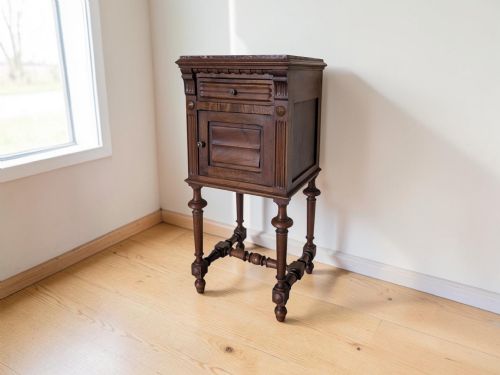
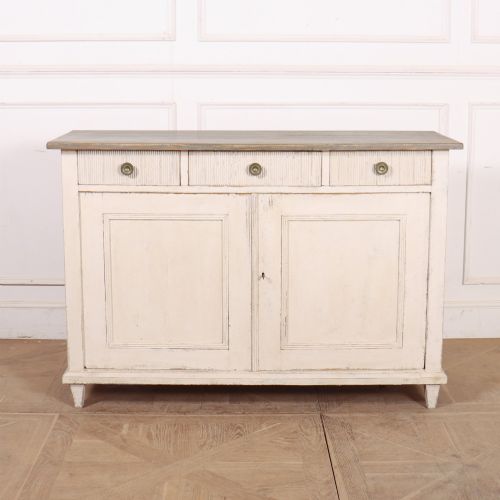
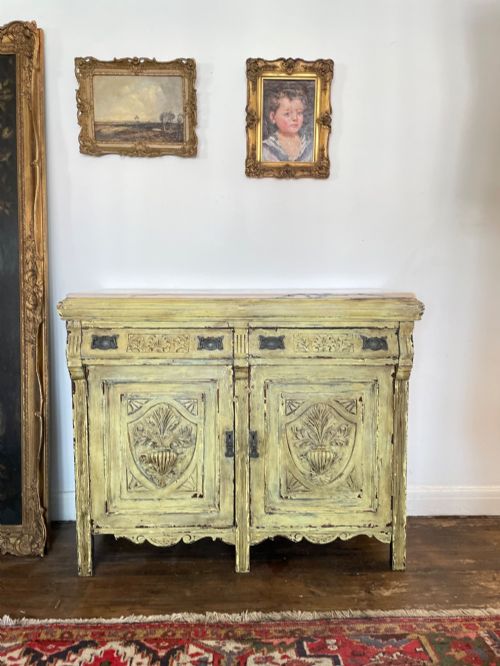
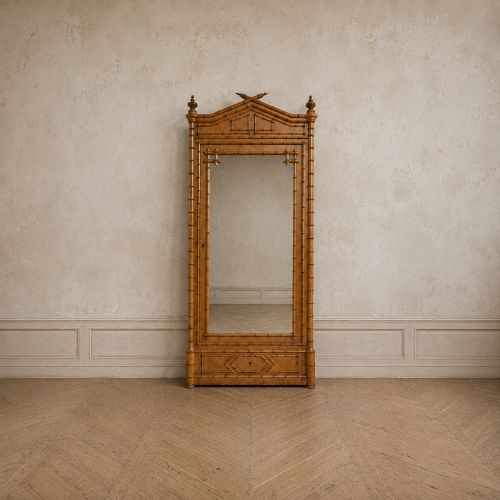
Antique French Cupboard Doors
These antique french cupboard doors bring genuine historic character to architectural interiors, offering solid timber construction and period patination.
Antique French Cupboard Doors
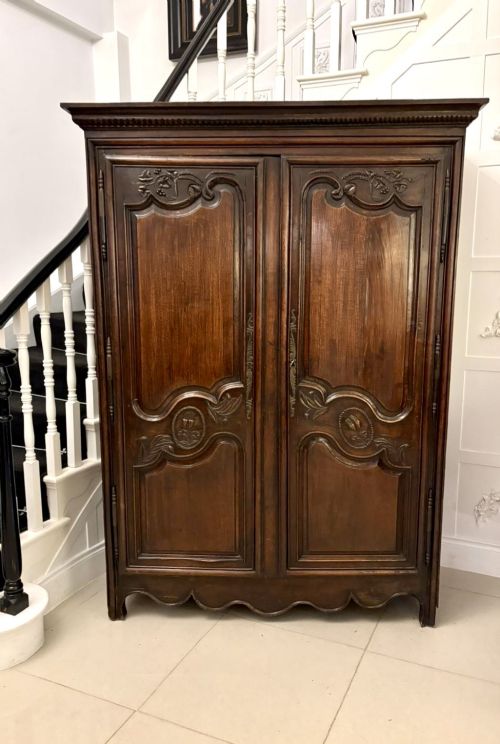
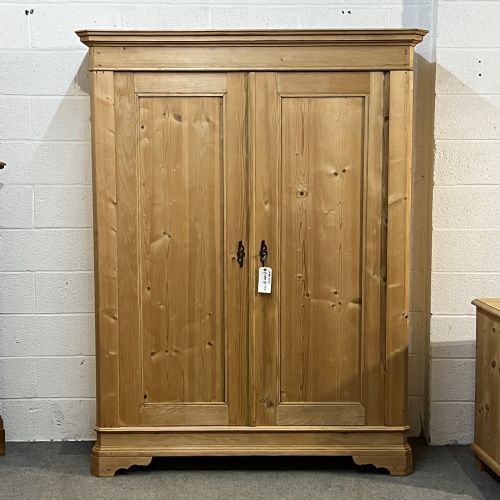
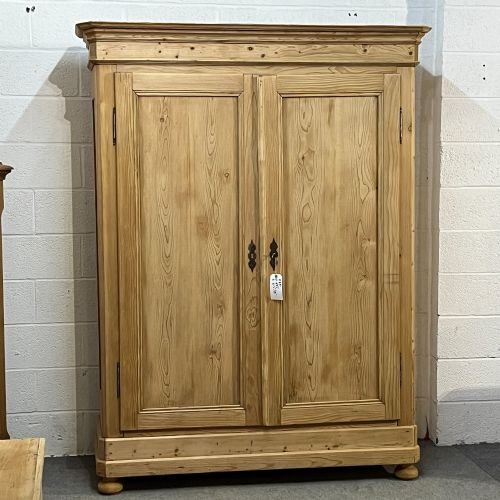
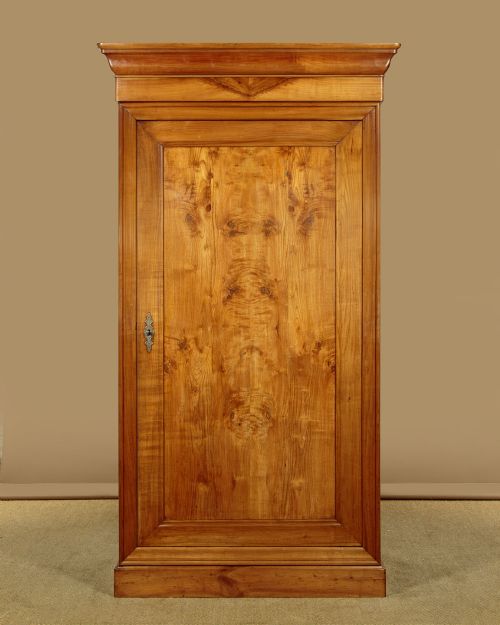
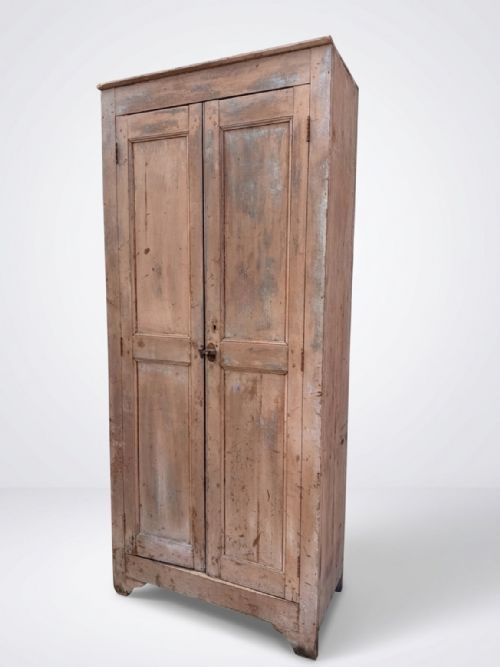
When you search for antique french cupboard doors, you are looking at timber panels salvaged from larger pieces of furniture or architectural joinery such as armoires, buffets and housekeepers cupboards. The selection includes single and paired doors originating mainly from the eighteenth and nineteenth centuries, spanning regional provincial styles and refined revival aesthetics.
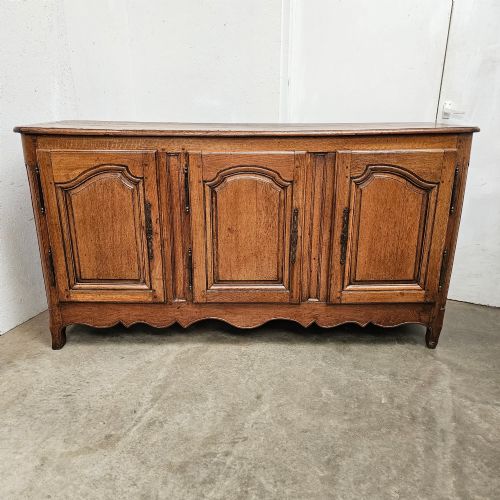
The pieces you meet most often on this page reflect the traditional domestic furniture of rural and urban France. Oak, pine and walnut form the backbone of these listings, often showing the panelled construction and iron or brass hardware characteristic of French Provincial and Louis XV taste.
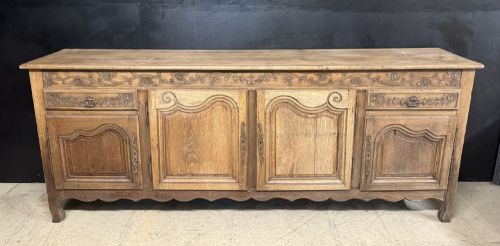
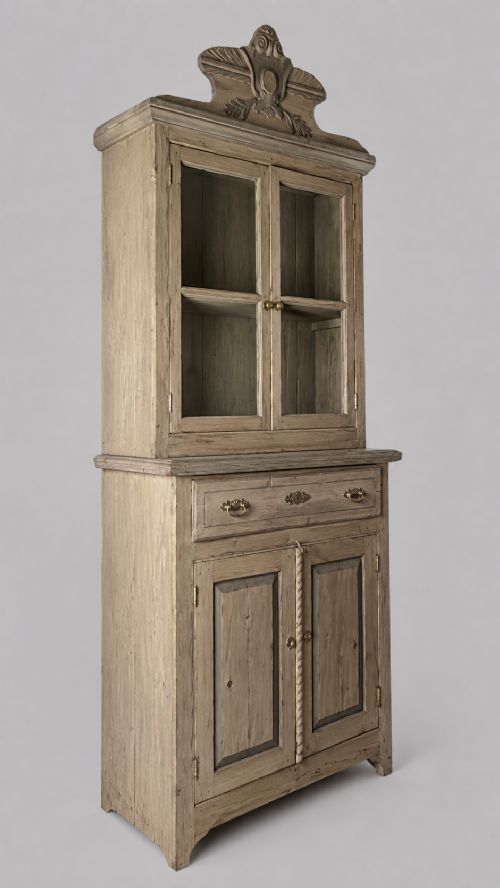
Beyond standalone panels, the broader evidence reveals these doors attached to armoires, enfilades, vitrines and sideboards dating from the seventeenth century onwards. Buyers utilise individual doors for interior wall panelling, bespoke cabinetry integration or decorative wall hanging to introduce period texture into modern rooms.
Materials and construction
Carpenters constructed these doors using traditional frame and panel techniques to accommodate seasonal timber movement. Hardwoods such as oak, walnut, cherry and mahogany provide structural integrity, whilst softer pine and chestnut appear in regional provincial furniture and housekeepers cupboards.
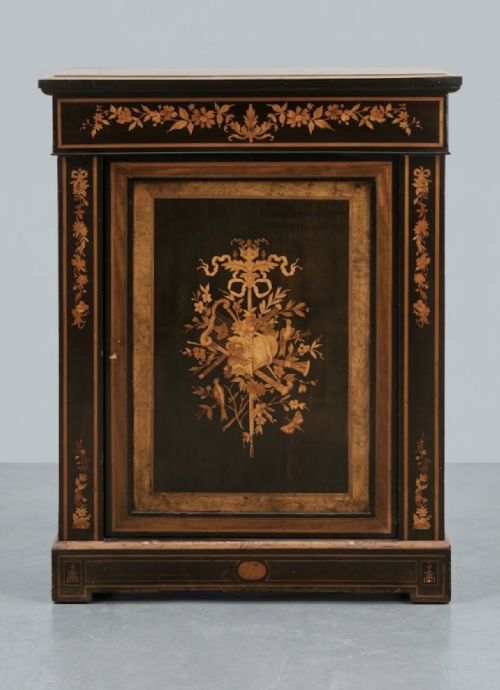
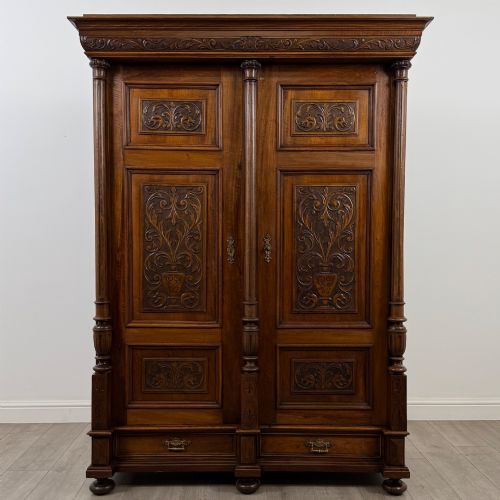
Joinery relied on pegged mortise and tenon joints, allowing panels to float freely within grooves without splitting. Craftsmen enhanced surfaces with hand carving, moulded panels, marquetry inlay, or painted finishes that developed rich patination over centuries of use.
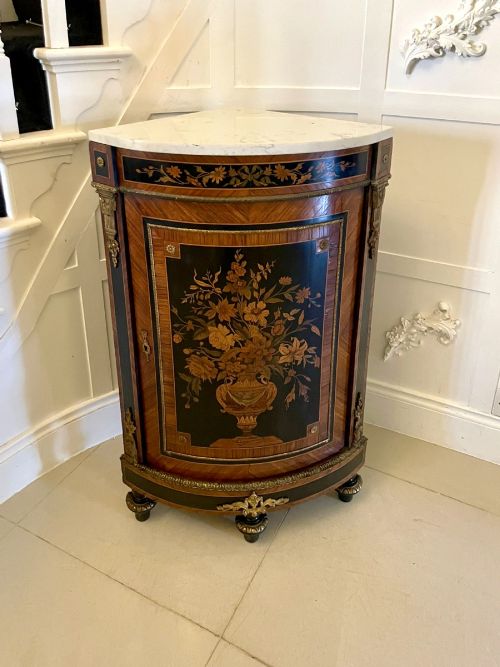
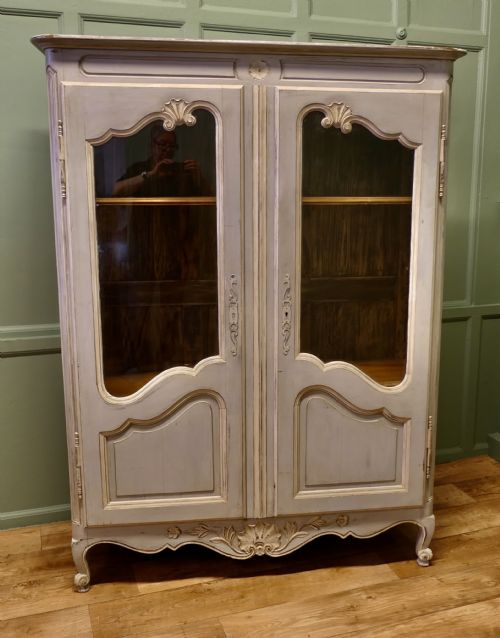
Hardware played an integral functional and decorative role, featuring forged iron strap hinges, brass escutcheons, and gilt bronze ormolu mounts. Glazed variants incorporated timber glazing bars to secure individual panes of glass within bookcases and vitrines.
One stubborn nineteenth century armoire stubbornly refuses to reveal its secrets without a well placed gentle tap on the left stile.
Quality variations
The calibre of timber selection and the precision of hand joinery define the distinction between standard provincial utility pieces and high status examples. Dense, figured hardwoods and intricate carved mouldings or marquetry indicate workshop production intended for affluent interiors.
Original surface preservation separates superior pieces from heavily restored or stripped items. Retained historical paint, wax patination and original brass or iron hardware elevate the integrity of a piece compared to modern refinishing.
Structural heft and scale also dictate distinction, with large double doors of thick oak or walnut commanding greater architectural presence than smaller utilitarian cupboard panels.
Gillows
The Antique French Cupboard Doors Glossary
- Armoire
- A large freestanding wardrobe or cupboard with doors enclosing shelving or hanging space. They typically feature heavy timber construction and regional French provincial carving.
- Enfilade
- A long sideboard or buffet featuring a sequence of doors in a single unbroken line. These formal storage pieces originated in grand European dining rooms.
- Marquetry
- Decorative veneer work arranged in pictorial or geometric patterns across furniture surfaces. Craftsmen utilised contrasting woods like mahogany, satinwood and walnut to create detailed designs.
- Ormolu
- Gilt bronze mounts applied to furniture for decorative enrichment. This technique flourished on high status nineteenth century cabinets and armoires.
- Vitrine
- A glass fronted display cabinet or bookcase designed to exhibit porcelain and objects of vertu. They frequently incorporate glazed doors set within finely moulded timber frames.
Antique French Cupboard Doors: Frequently Asked Questions
How do I know if the timber is old?
Authentic period timber displays deep patination, tool marks from hand planing, and surface wear consistent with centuries of handling. The grain patterns in older oak, walnut and pine feel dry and dense rather than freshly milled.
Examine the edges of the wood and the joinery for hand cut pegs, subtle warping, and signs of traditional construction methods used before industrial machinery.
Can I hang these heavy doors on modern walls?
Hanging these solid wood panels requires careful assessment of the door weight and the wall structure behind it. Carpenters usually mount them securely to internal timber studs or use masonry anchors for brick walls.
Because antique hardwoods are significantly heavier than modern manufactured board, robust hinges and structural battens are essential for safe installation.
How do I clean and care for old wood?
Maintain the surface by dusting gently with a dry, soft cloth and occasionally applying a quality beeswax to nourish the dry timber. Avoid using wet cloths, harsh chemical sprays, or silicone polishes that can degrade historical finishes and trap moisture.
Keep the wood away from direct heat sources and dramatic humidity fluctuations to prevent the ancient panels from splitting or warping.