


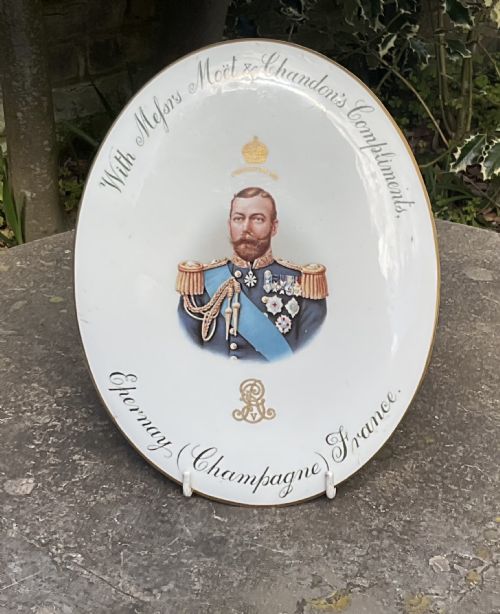


Antique French Ceramic Plate
An antique french ceramic plate brings hand-painted colour and centuries of kilncraft directly to a wall or table.
Antique French Ceramic Plate
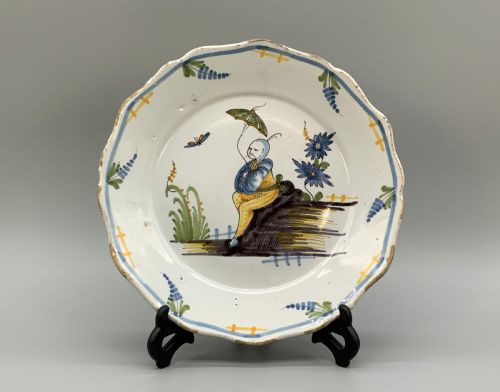
When you search for an antique french ceramic plate, you encounter everything from delicate eighteenth-century soft-paste porcelain to robust nineteenth-century tin-glazed faience. The selection spans decorative plates, cabinet plates, chargers, and serving dishes created across periods including the eighteenth century, nineteenth century, and the early twentieth century.
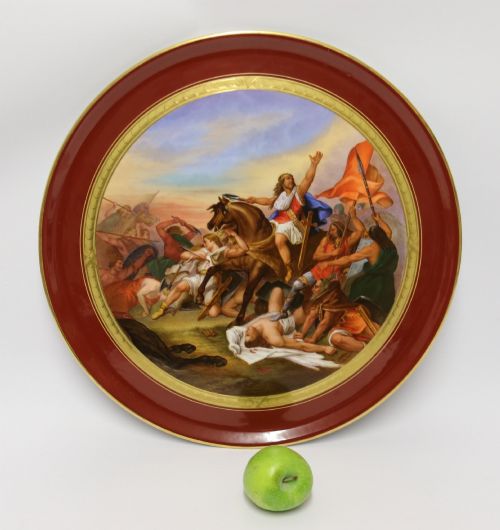
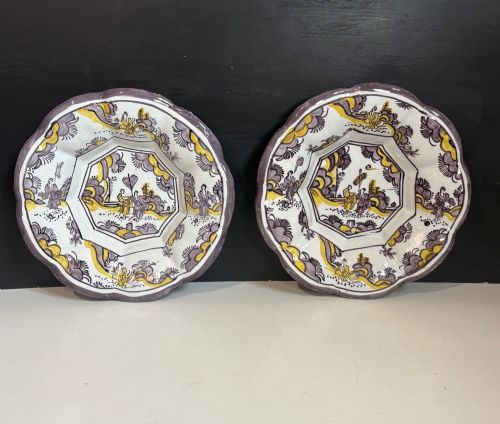
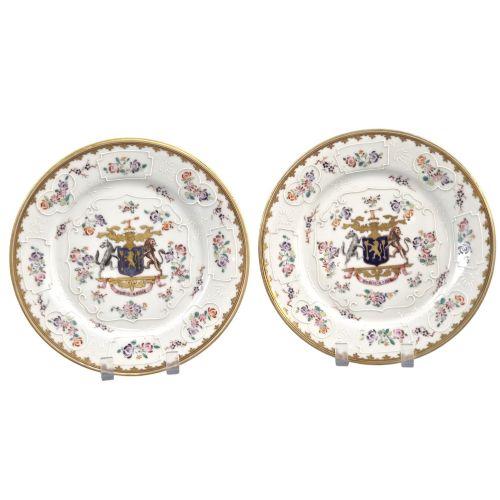
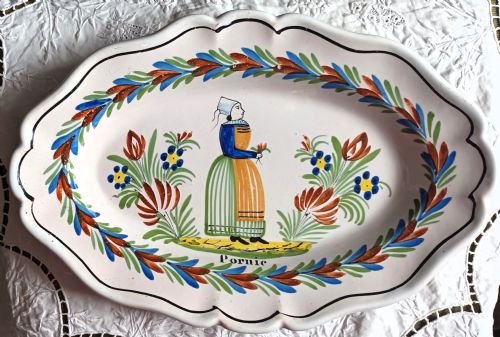
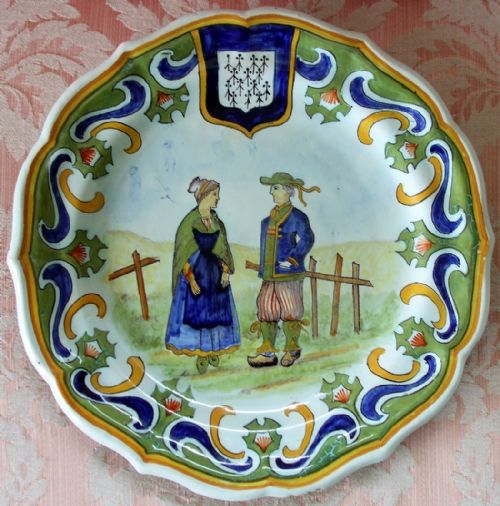
Regional potteries dominate the offerings, with pieces originating from Quimper, Desvres, Marseille, Lille, and Paris. Forms range from armorial designs and floral borders to narrative scenes depicting battles or Chinoiserie subjects, reflecting both formal dining services and decorative wall plaques.
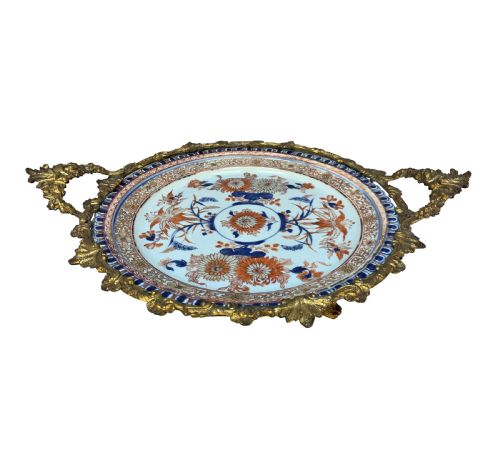
Stylistically, these pieces draw upon French Rococo, Louis XVI, and French Provincial traditions. A buyer is equally likely to find an ornate ormolu-mounted Chinese Imari piece as a rustic hand-painted faience dish from the provinces.
Distinctions in quality
Quality rests primarily on the crispness and ambition of the hand-painted artistry. Superior examples display finely rendered narrative detail, such as historical battle scenes or complex polychrome figures, executed by skilled studio hands rather than routine factory output.
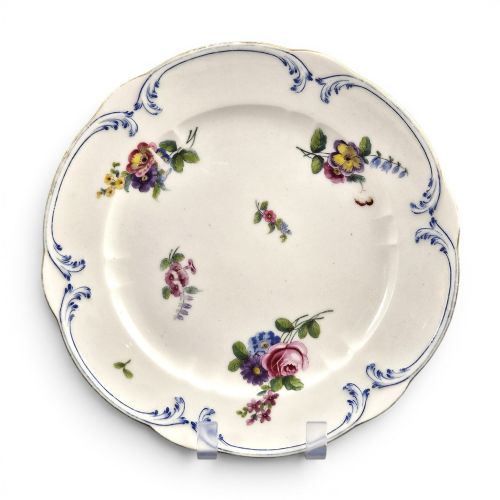
The weight, translucency of the paste, and stability of the glaze further distinguish standard provincial wares from fine cabinet porcelain associated with major manufactories like Sèvres or Chantilly. The integration of specialised decorative elements, such as gold leaf highlights or period metal mounts, elevates the piece within its category.
Certain provincial faience plates immortalise domestic ducks, ensuring a permanent farmyard presence on the dining room wall.
Ambroise Michel·Edmé Samson et Cie·Pucher Deroche·Veuve Perrin
The Antique French Ceramic Plate Glossary
- Soft-Paste Porcelain
- A ceramic material composed of clay and glass frit fired at lower temperatures than hard-paste porcelain. It has a warm, slightly creamy appearance and distinctive glaze texture.
- Chinoiserie
- A European decorative style influenced by Chinese art and design. It appears on French ceramics through imaginative, stylized renderings of oriental figures, landscapes, and motifs.
- Armorial
- Decoration featuring a coat of arms or family crest. These bespoke ceramics were commissioned by aristocratic households for formal dining services.
- Charger
- A large decorative or ceremonial plate. Rather than serving food directly, these substantial pieces were often displayed on buffets or mounted on walls.
Antique French Ceramic Plate: Frequently Asked Questions
How do I hang a plate safely?
Wall mounting requires specific spring-loaded brass hangers that grip the rim securely without causing structural stress to the ceramic body.
Ensure the wall fixing is anchored firmly, as larger nineteenth-century chargers and porcelain plaques carry considerable weight.
Can I use these for dining?
Most antique ceramic plates and faience dishes are intended for display or light decorative use rather than modern heavy dining.
Historical glazes and soft-paste bodies can be sensitive to modern detergents, thermal shock, and cutlery scratching.
How do I date an antique plate?
Dating relies on examining the physical characteristics of the ceramic paste, glaze texture, and any painted artist signatures or factory marks on the reverse.
Stylistic cues such as Rococo borders or Louis XVI motifs also help narrow down the period of manufacture.
What is tin glaze?
Tin glaze is an opaque white ceramic coating created by adding tin oxide to a lead glaze mixture before firing.
It provides a clean, absorbent surface ideal for painting detailed polychrome or monochromatic scenes directly onto the unfired glaze.