



Antique French Bracket Clock
An antique french bracket clock brings ornate metalwork and intricate marquetry into a room, offering both traditional timekeeping and sculptural presence.
What an antique french bracket clock is
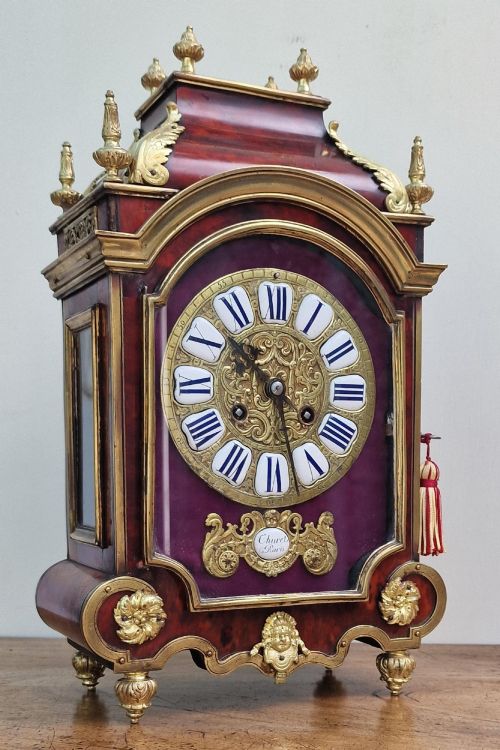
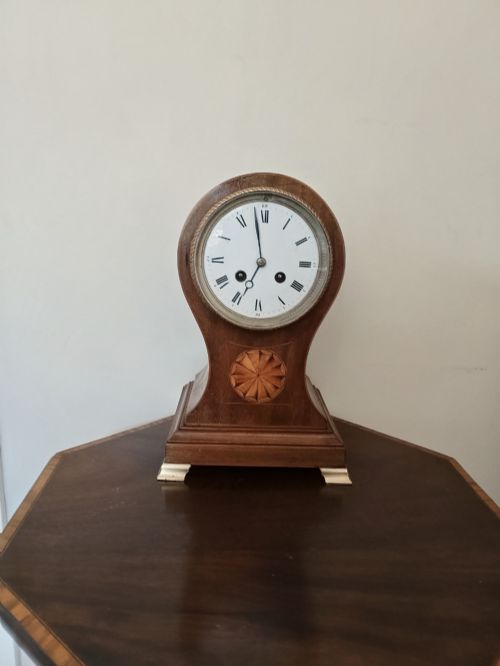
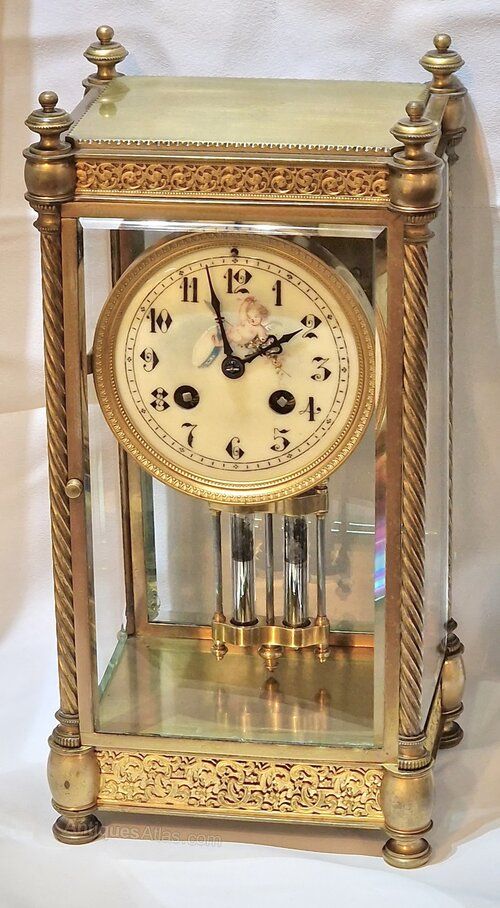
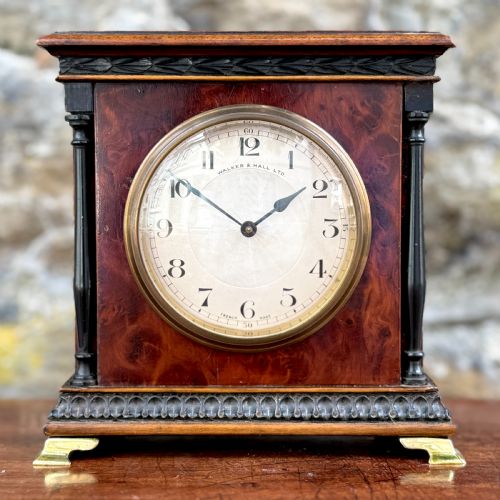
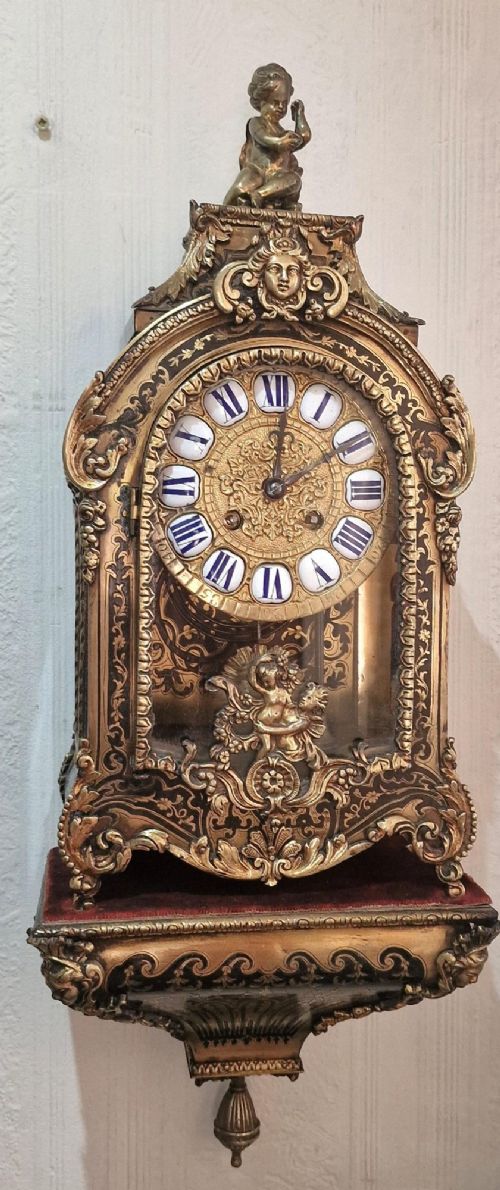
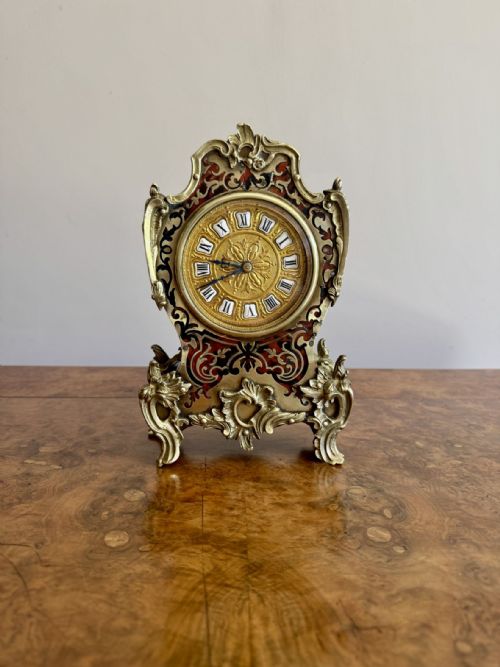
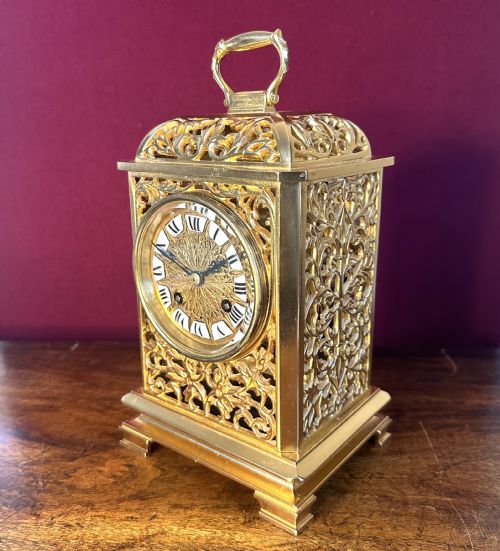
When searching for an antique french bracket clock, buyers encounter ornamental mantel timepieces originating from the nineteenth century. These objects frequently draw upon historic design repertoires such as French Rococo, Louis XIV style, and Napoleon III aesthetics.
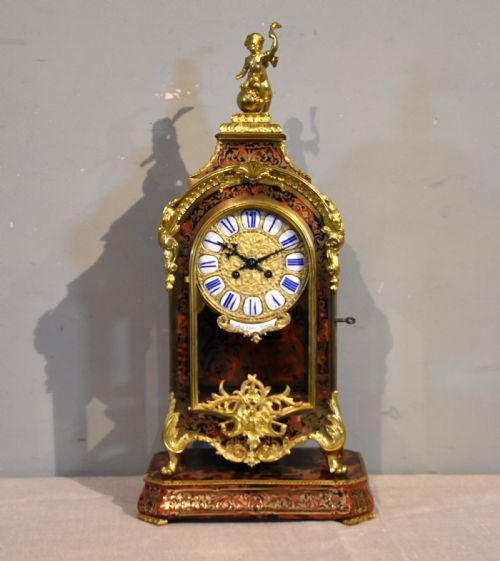
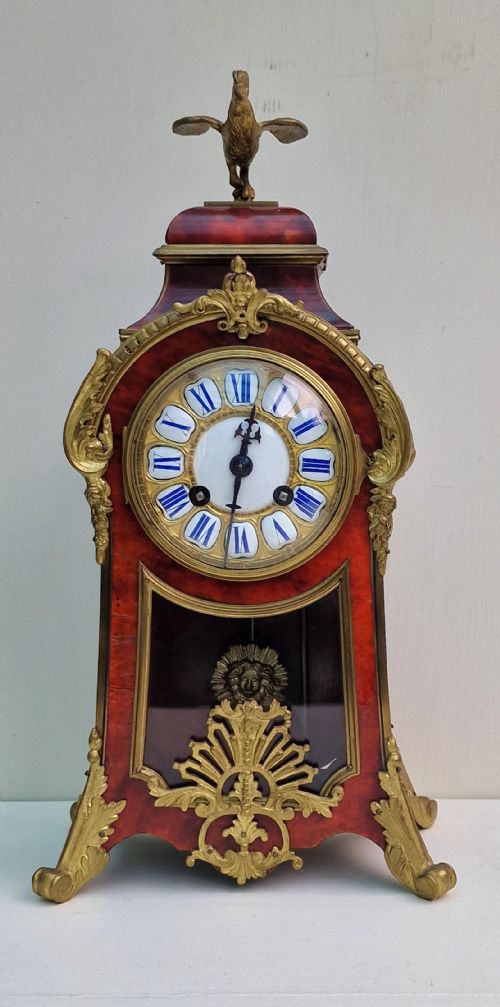
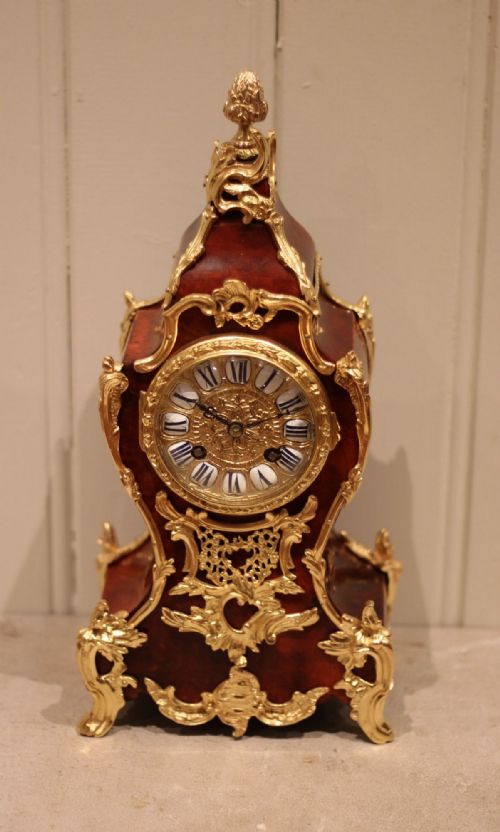
The selection on this page demonstrates that many surviving examples utilise Boulle marquetry involving tortoiseshell, brass, and stained horn. Others appear in cast or gilt bronze, ormolu, and shaped rosewood.
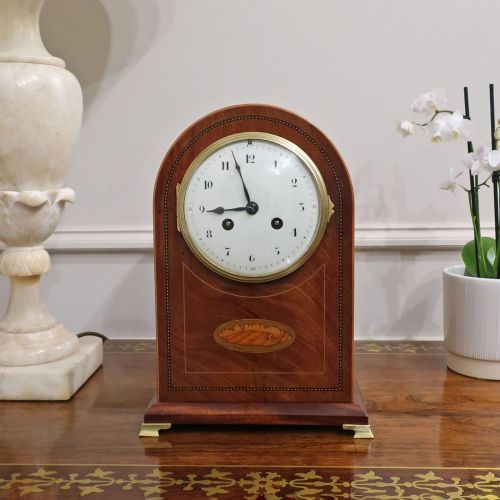
While traditional bracket clocks historically required a wall bracket for support, many examples recorded here function as mantel clocks placed directly on furniture surfaces. Complete survivals pairing the clock with its original bracket also appear in the record.

Materials and construction
Maker workshops constructed these timepieces using heavy bronze, brass, and ormolu mounts fixed to wooden carcases. Artisans applied elaborate Boulle marquetry featuring patterned brass inlay set against dark tortoiseshell or stained horn grounds.
Dials frequently incorporate individual enamel cartouches for numerals, protected beneath glass panels. Movements required precise mechanical assembly, including chain fusee mechanisms in specific high-grade examples.
Retail Price Guide 2026
Typical UK retail prices for french bracket clock, calculated from the Sellingantiques database of over a million retail prices indexed since 2003. This retail price guide relies exclusively on Sellingantiques data; no external sources or auction records are used, so the figures do not describe the wider market.
Listings demonstrate materials ranging from tortoiseshell and ormolu to glass and stained horn across the nineteenth century.
What separates the finest examples
Quality diverges significantly in the crispness of the gilt bronze or ormolu cast work and the precision of the Boulle marquetry. Superior pieces exhibit deeply chased surface details and meticulous alignment of brass and tortoiseshell inlay.
The presence of an original matching wall bracket elevates the integrity of an antique french bracket clock. Furthermore, movement signature quality, such as work by established makers or Paris foundries, marks the upper tier of the range.
Samuel Marti·Payne London·Japy Freres·Lenoir Paris·A D Mougin
The Antique French Bracket Clock Glossary
- Boulle
- A decorative technique of marquetry utilising brass and tortoiseshell inlay, popularised in seventeenth-century France and revived during the nineteenth century. It creates high-contrast geometric and floral patterns across the clock case.
- Ormolu
- Gilt bronze produced by applying a mercury and gold amalgam to a bronze base, then firing it to drive off the mercury. This leaves a rich, durable golden surface layer on mounts and ornaments.
- Fusee
- A conical pulley connected to the mainspring by a chain or cord, designed to equalise the torque as the spring unwinds. This mechanism improves timekeeping accuracy across the power reserve.
- Enamel cartouche
- A small individual plaque, usually white fired enamel bearing a Roman or Arabic numeral, pinned to the clock dial. These were often assembled individually around a central chapter ring.
- Napoleon III style
- A nineteenth-century eclectic design movement drawing heavily on Louis XIV, Louis XV, and Rococo grandeur. It favours opulent materials, rich ornamentation, and symmetrical or exuberant curving forms.
Frequently Asked Questions
What is an antique french bracket clock?
These pieces are ornamental mechanical timepieces produced in France during the nineteenth century, characterised by decorative metal mounts and rich surface decoration.
They combine functional clockwork movements with elaborate artistic styles including Rococo Revival and Louis XIV Boulle work.
Did these clocks always use wall brackets?
Historically, bracket clocks were designed to sit upon dedicated wall-mounted shelves to allow the pendulum and weights room to operate. Many surviving examples in this record function primarily as mantel clocks placed directly on flat surfaces.
Complete sets that retain their original matching wall brackets are exceptionally desirable among collectors seeking a unified ensemble.
How do I identify a Boulle clock?
Boulle work is instantly recognisable by its distinctive tortoiseshell and brass marquetry pattern, where metallic foliage contrasts against a dark organic background. This technique was widely revived during the nineteenth century under Napoleon III.
Green Boulle variations also appear, substituting standard red tortoiseshell effects with stained horn or dyed materials for a unique visual finish.
How should I care for these clocks?
Living with these objects involves keeping them away from direct sunlight, extreme temperature shifts, and high humidity to protect the delicate tortoiseshell and wood carcase. Mechanical movements require professional oiling and servicing every few years to maintain proper function.
Careful placement on a stable, level surface ensures the pendulum swings evenly without straining the suspension spring.
How can I tell the periods apart?
Nineteenth-century interpretations of earlier eras often blend Rococo asymmetry with nineteenth-century casting techniques and movement standards. Examining the dial construction, chasing on the gilt bronze mounts, and interior movement stamps helps establish the approximate decade of manufacture.
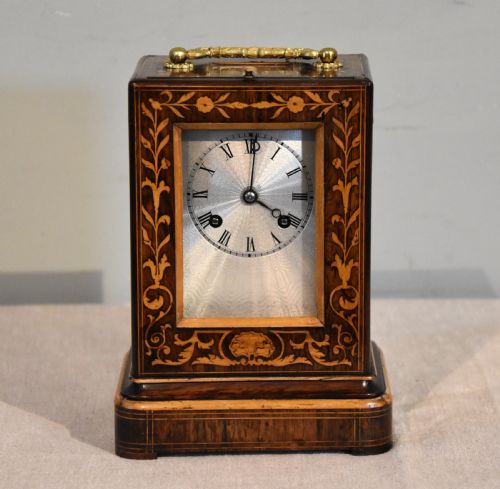
Pieces dated around 1870 often showcase cast gilt bronze and enamel work, whereas later examples from 1900 incorporate shaped rosewood and refined floral motifs.