
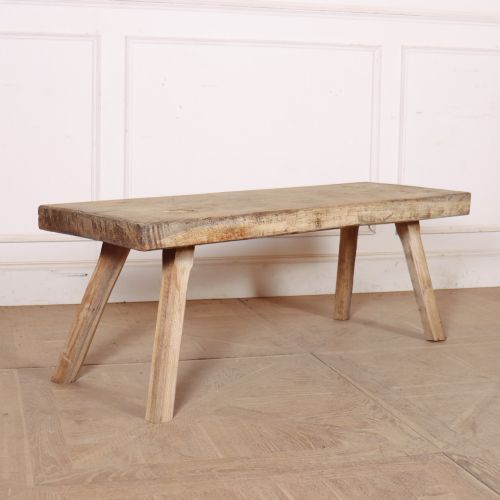
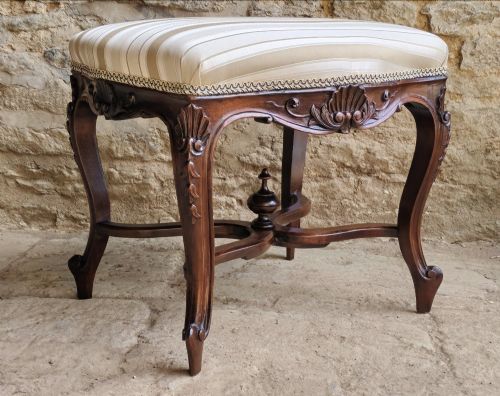
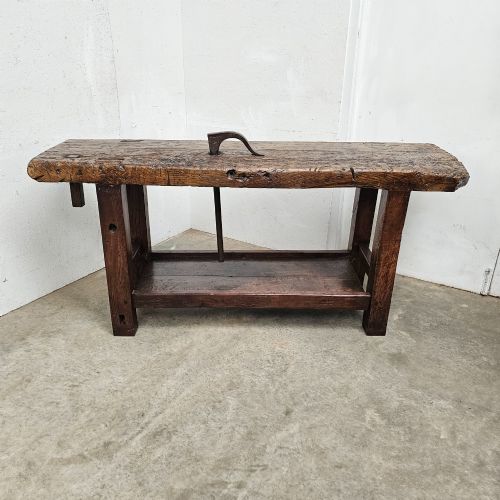
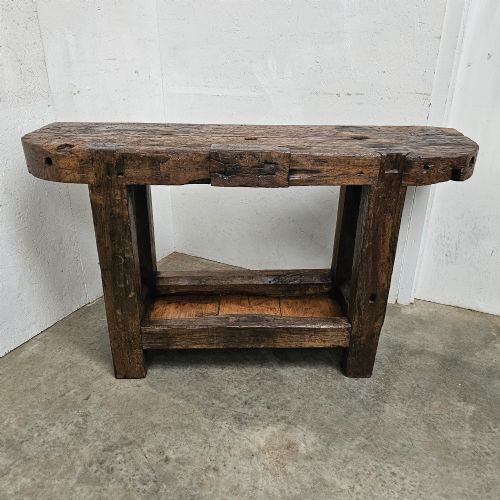
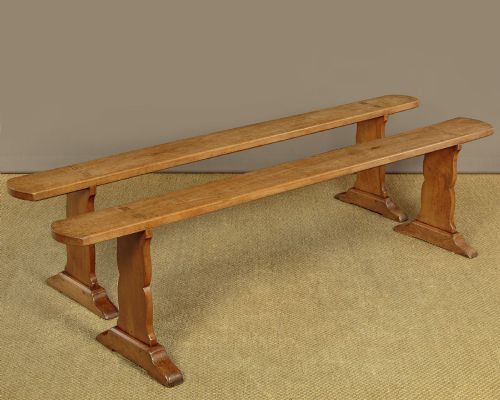
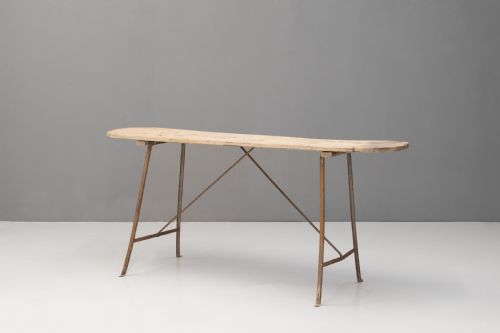


Antique French Bench Table
An antique french bench table brings working history into a room, combining honest workshop utility with domestic warmth.
Antique French Bench Table
An antique french bench table encompasses utilitarian work surfaces, long seating benches, and sturdy tables shaped by practical use. Buyers exploring this category encounter functional objects ranging from substantial artisans workbenches to scrubbed trestle tables and provincial seating.
The pieces appearing here lean heavily into provincial and rustic styles, spanning periods from the nineteenth century into the early twentieth. Oak, elm, sycamore, and pine dominate the forms, reflecting the everyday materials chosen by makers who valued durability above ornamentation.
Materials and Construction
Makers constructed these pieces using solid timbers like oak, elm, sycamore, cherrywood, and pine, frequently selecting two-board tops and heavy stretchers for stability. Iron vices, clamping bars, and verdigris copper tops appear on functional workshop pieces, showing how utility dictated construction.
Surfaces bear the marks of daily labour, whether scrubbed clean through generations of use or finished with painted layers that have aged over decades. Joinery relies on traditional pegged joints and sturdy framing rather than modern adhesives, ensuring the structures endure.
Listings feature nineteenth-century pine drapers tables alongside heavy oak and elm artisans workbenches fitted with original vises.
Assessing the Pieces
Quality in these utility items rests upon the integrity of the timber and the honesty of the wear. Pieces retaining their original vices, clamping bars, or untouched scrubbed patination command greater interest than those stripped or altered for modern decorative trends.
Proportion and scale also separate standard utility items from exceptional examples. Long benches and substantial work tables with balanced timber grains and clear provincial origins show a higher grade of original craftsmanship.
Trussant And Cie
The Antique French Bench Table Glossary
- Workbench
- A heavy utilitarian table fitted with vices, stops, or clamping bars used by artisans and craftspeople. These survive as centrepieces in domestic settings.
- Trestle table
- A table consisting of two or more supports holding a horizontal top. This design allows maximum legroom and structural strength.
- Scrubbed
- A surface finish achieved by vigorous cleaning with water and a brush over decades, removing old finishes to reveal the pale raw timber underneath.
- Bread prep table
- A heavy wooden table designed specifically for domestic kitchen tasks such as kneading dough. They typically feature thick boards and minimal ornamentation.
- Provincial
- Refers to furniture made in the regions outside major metropolitan centres. These pieces reflect local materials and practical traditions rather than court fashions.
Antique French Bench Table: Frequently Asked Questions
What is an antique french bench table?
These items bridge the gap between heavy workshop furniture and domestic tables or seating. They originate from French provincial settings where practicality guided every design choice.
Buyers select them for kitchens, hallways, and living spaces to introduce authentic historical character and durable surface space.
How were these tables used originally?
Many examples served actual trades, functioning as workbenches for watchmakers, artisans, drapers, and butchers. Others served domestic roles for food preparation and seating in farmhouses.
This working background gives each piece a distinct narrative recorded in the surface marks and integrated hardware.
How do I care for scrubbed timber?
Scrubbed wood benefits from dry dusting and occasional treatment with natural waxes to protect the dry grain. Avoid harsh chemical cleaners that strip the historic character from the surface.
Keeping the timber away from extreme heat sources prevents the old boards from splitting or warping over time.
How do I date a french workbench?
Dating relies on examining the tool marks, construction methods, and the type of timber utilised by the maker. Nineteenth-century examples often display hand-sawn boards and forged iron components.
Comparing the wear patterns and structural joinery against dated comparative pieces helps confirm the likely era of manufacture.