


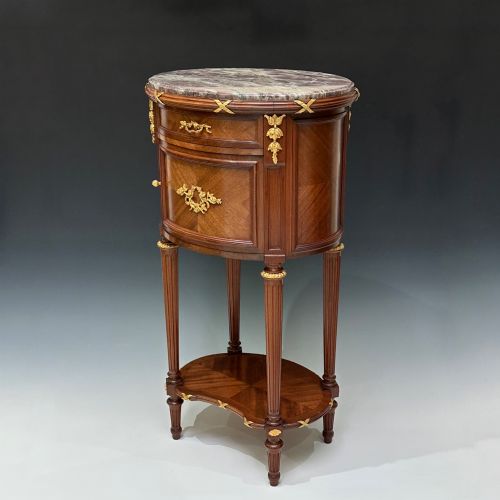
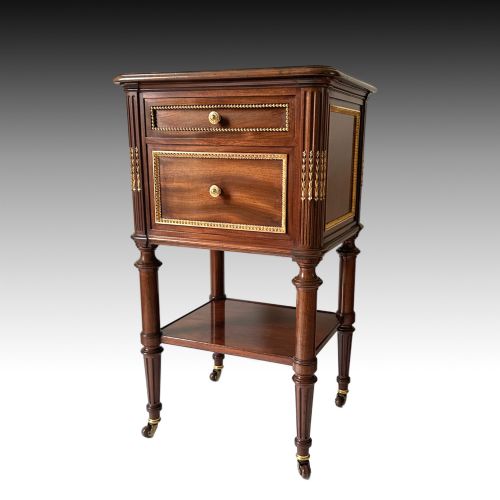
Antique French Bedside
When searching for an antique French bedside piece, you meet compact cabinets, marble-topped cupboards and lamp tables spanning the nineteenth and early twentieth centuries.
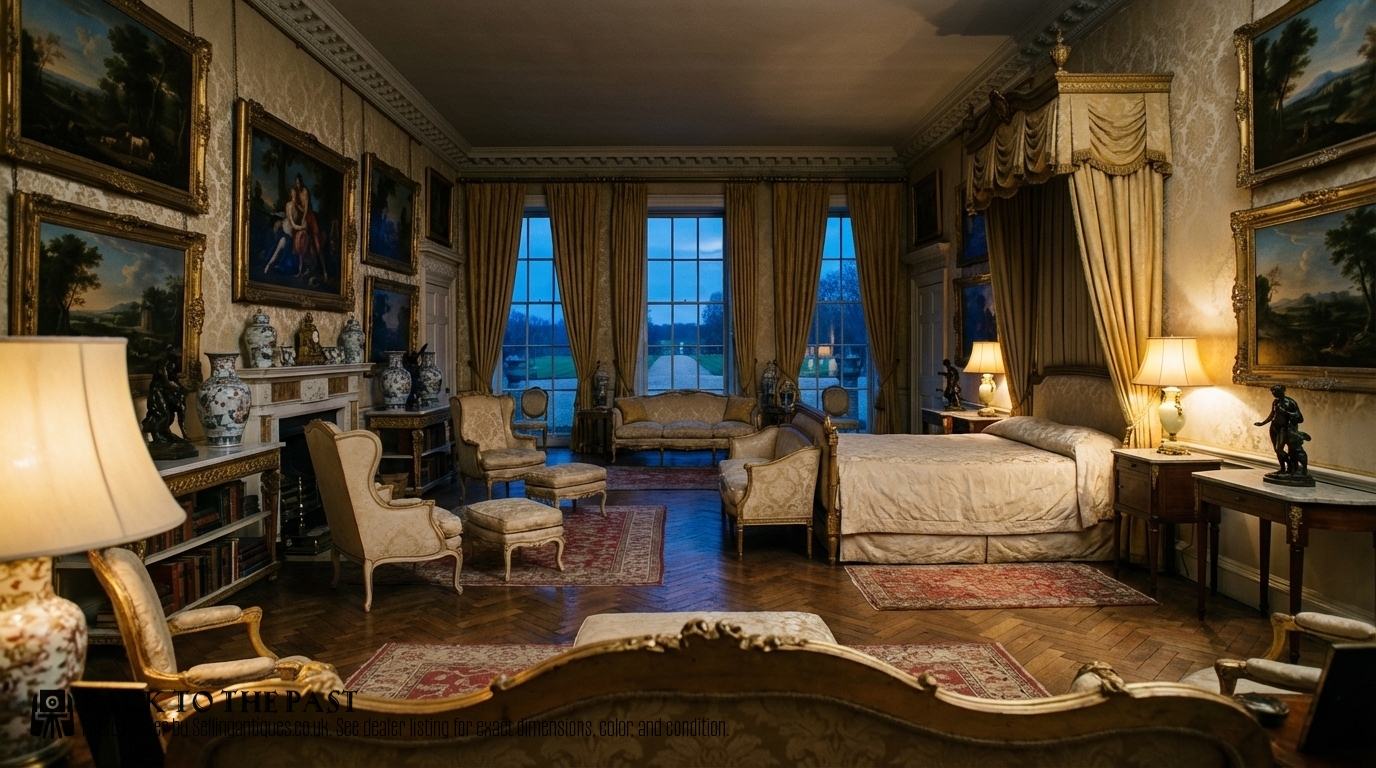
Antique French Bedside
The term antique French bedside encompasses a varied group of small-scale bedroom furniture, including bedside cabinets, commodes, open tables and pedestals. These items originate from periods ranging across the nineteenth century and into the Edwardian era and the nineteen-thirties.
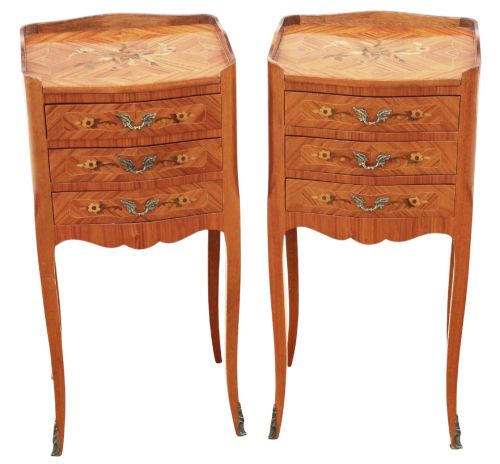
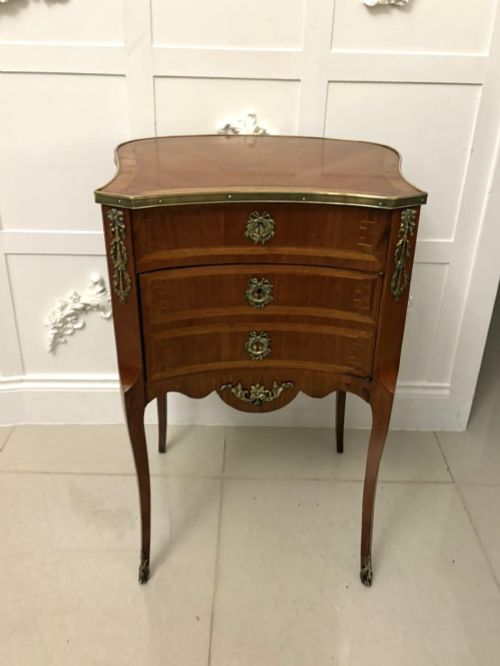
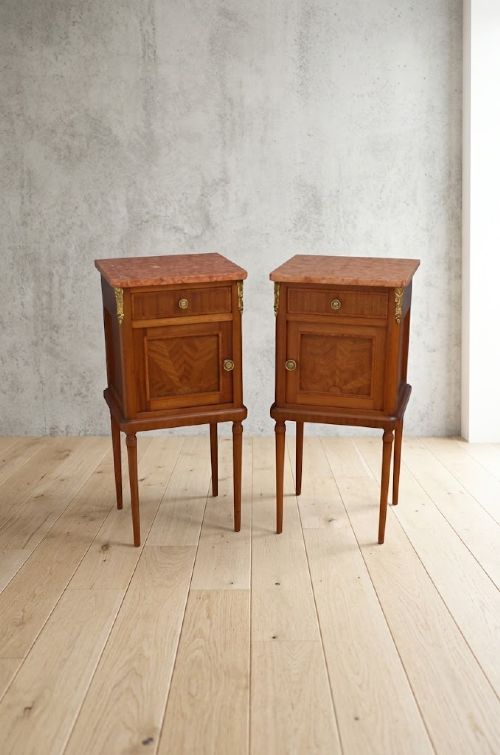
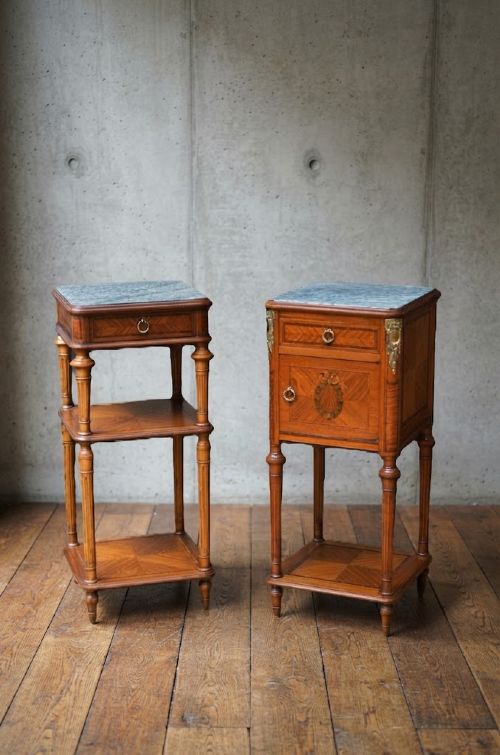
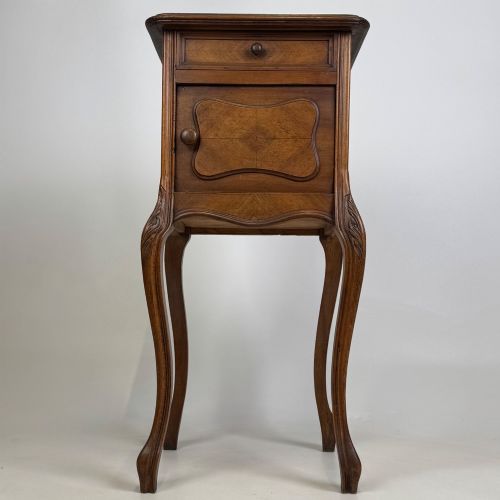
Buyers frequently encounter pairs of matching cabinets featuring fitted marble tops, lower cupboards and single drawers. Forms range from straightforward oak or walnut cupboards to serpentine marquetries and kingwood surfaces mounted in ormolu.
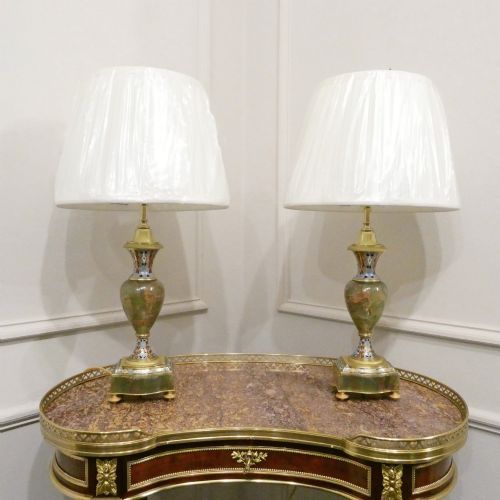
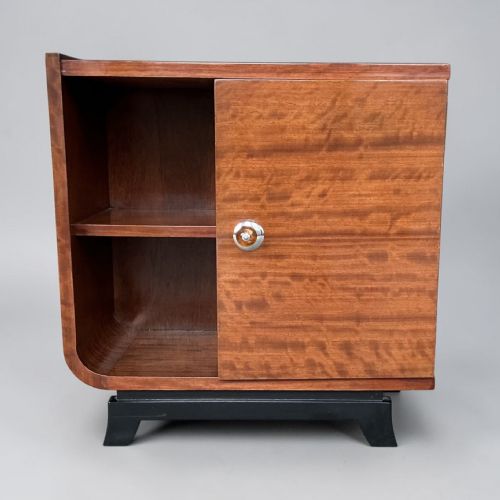
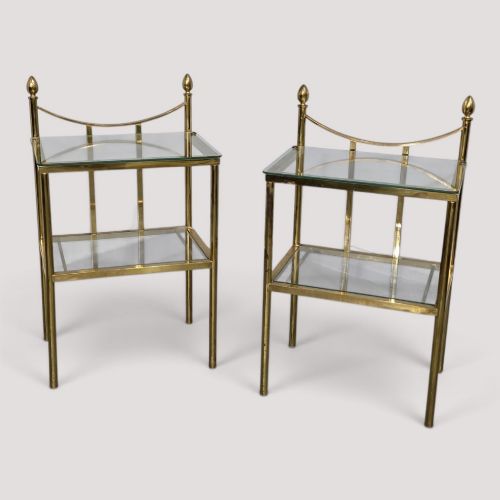
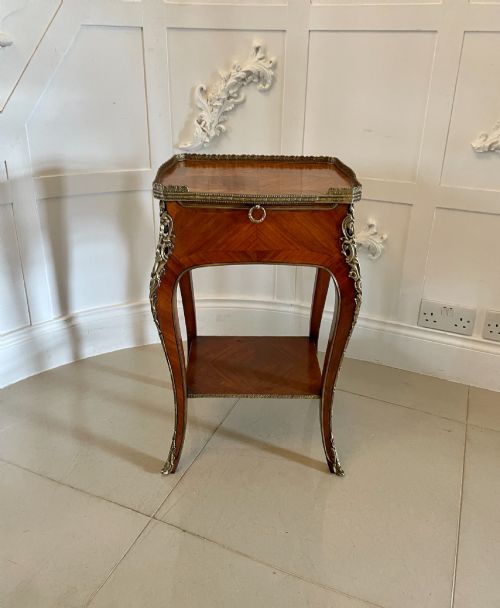
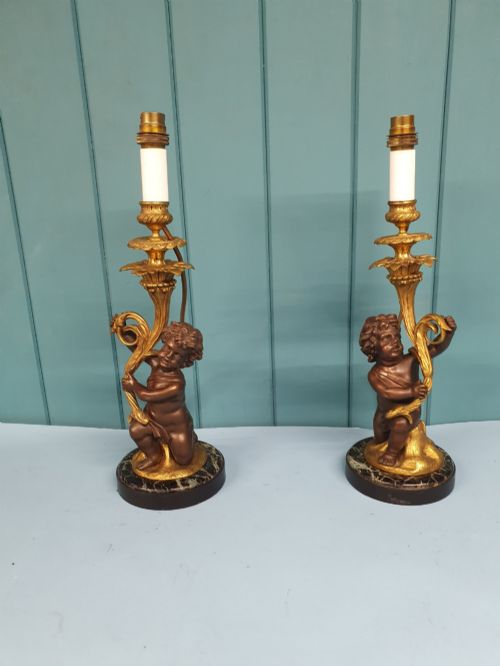
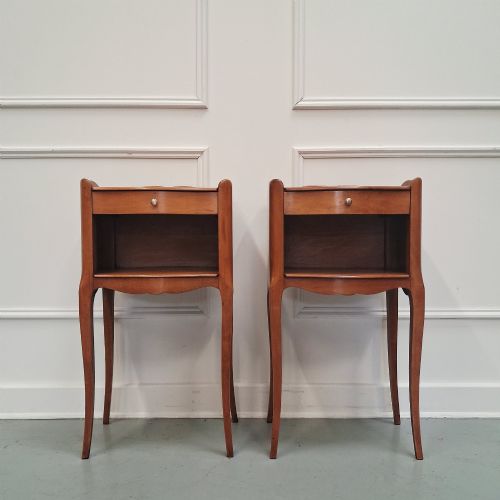
Alongside enclosed cabinets, the search yields side tables, occasional pieces and matching lamp tables adapted for modern lighting. The stylistic vocabulary spans Louis XV and Louis XVI revivals, provincial cherrywood designs and later Art Deco interpretations.
Materials and construction methods
Cabinet makers utilised a rich palette of timbers, pairing structural oak or walnut with decorative veneers of kingwood, mahogany, satinwood and rosewood. Surface decoration often relied on intricate marquetry and parquetry patterns, arranging contrasting grains into geometric or floral motifs.
Many pieces incorporate thick slabs of white or grey-veined marble fitted precisely to the upper surface to provide a durable, cooling platform. Cast bronze and ormolu mounts, handles and gallery rails finish the corners and drawer edges.
Structural integrity depends on traditional joinery, with dovetail drawer construction and panelled cabinet carcases built to withstand daily use. Faux bamboo mouldings and turned supports appear in late nineteenth-century iterations alongside more classic revival mouldings.
Several diminutive bedside cupboards incorporate secret drawers hidden cunningly beneath the marble upper moulding.
Factors determining quality
The distinction between standard commercial pieces and finer workshops lies in the selection of timber veneers and the precision of the marquetry. Superior examples display continuous, book-matched grain patterns across drawer fronts and harmonious colour selection in floral inlays.
Mount quality separates grades of manufacture, as finely chased and fire-gilded ormolu carries crisp detail compared to simpler, cast-metal substitutes. The thickness and polish of the fitted marble top, together with the integration of side panels, indicate the original cost of production.
Proportion and scale dictate the visual success of the piece, with finer items maintaining neat, balanced dimensions and well-integrated hardware. Originality of the interior fittings, locks and backboards preserves the integrity expected by collectors.
François Linke·E Rousseau
The Antique French Bedside Glossary
- Ormolu
- Gilded bronze mounts applied to furniture edges and corners. This technique adds decorative contrast to timber surfaces.
- Marquetry
- The art of applying small pieces of veneer to form decorative patterns and pictures. Craftsmen use contrasting woods to achieve tonal depth.
- Comode
- A decorative chest of drawers or low cabinet. In French furniture, this form frequently incorporates curved serpentine fronts and marble tops.
- Parquetry
- Geometric wood-mosaic work used for cabinet surfaces. Squares, triangles and lozenges create repeating patterns across table tops and doors.
- Kingwood
- A dense, heavy exotic timber with dark violet-brown grain markings. Cabinet makers prized it for high-status French revival furniture.
Antique French Bedside: Frequently Asked Questions
What is the difference between a bedside cabinet and a commode?
A bedside cabinet is built specifically for domestic bedroom use to hold night-time necessities within arm reach of a bed. These are typically smaller in scale and often feature a single cupboard door paired with a marble top.
A commode is a larger chest of drawers or low cabinet designed primarily for general storage in a bedroom or reception room. While smaller commodes share similar decorative veneers and ormolu mounts, they offer substantially more drawer space.
Are marble tops on these cabinets original?
Most marble tops found on nineteenth-century pieces were fitted during the original manufacture to provide a durable, heat-resistant surface. These slabs are generally cut to fit the exact contours of the timber carcase below.
Buyers can verify originality by checking the underside for matching workshop markings and observing how the marble sits flush within the wooden frame or ormolu gallery.
How do I identify Louis XV revival pieces?
Louis XV revival furniture is characterised by flowing serpentine lines, asymmetric curves and cabriole legs ending in scroll feet. These pieces often feature floral marquetry and generous ormolu mounts that trace the contours of the apron and corners.
By contrast, Louis XVI revival items display straight tapered legs, fluted columns and neoclassical symmetry with geometric parquetry patterns.
Can these tables be used in modern bedrooms?
These compact pieces adapt easily to contemporary interiors due to their modest footprints and useful storage drawers. They function well beside modern beds, serving as functional stands for lamps and books.
The durable marble tops and enclosed cupboards provide practical surfaces that withstand daily use while introducing period character to a room.