




Antique Freestanding Frame
An antique freestanding frame holds portraits, mirrors and screens upright on tables or floors without wall fixings.
Antique Freestanding Frame
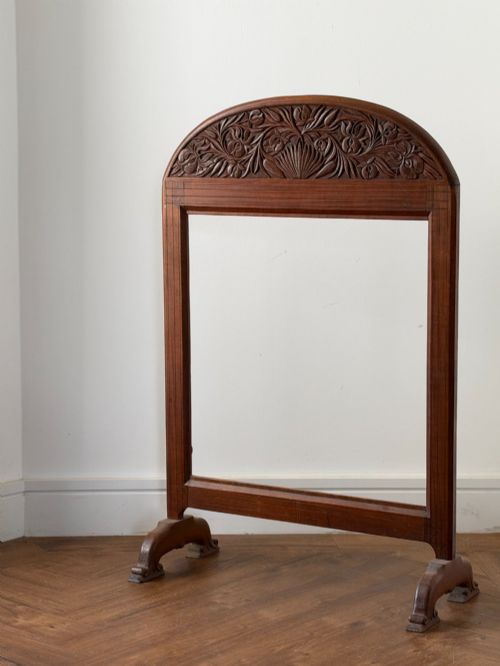
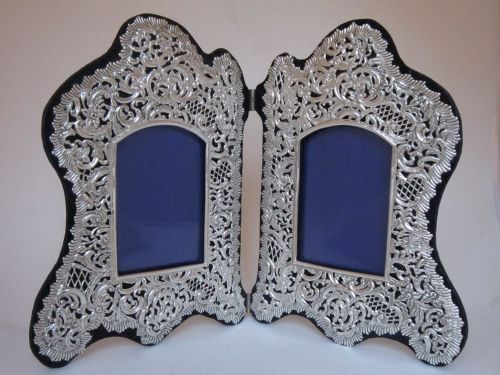
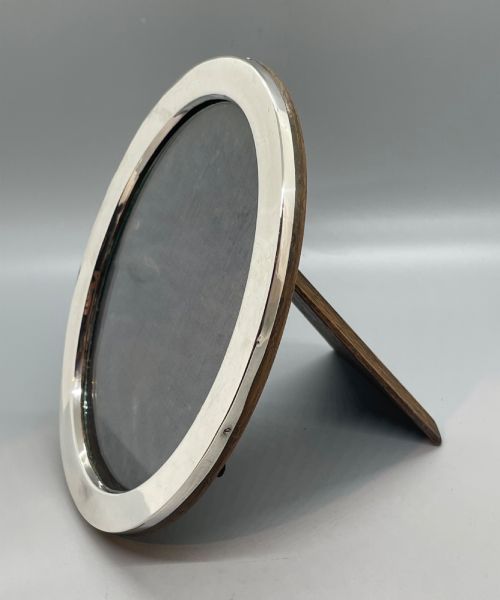
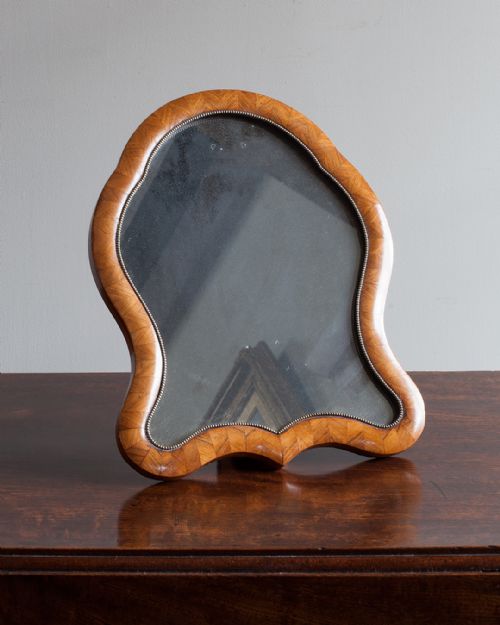
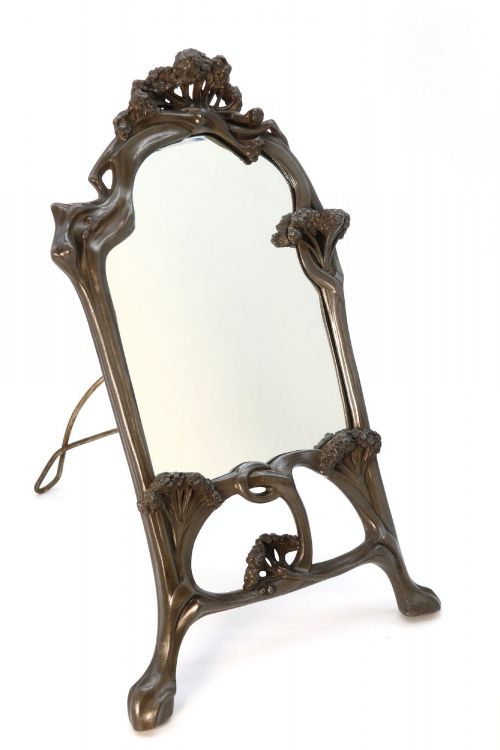
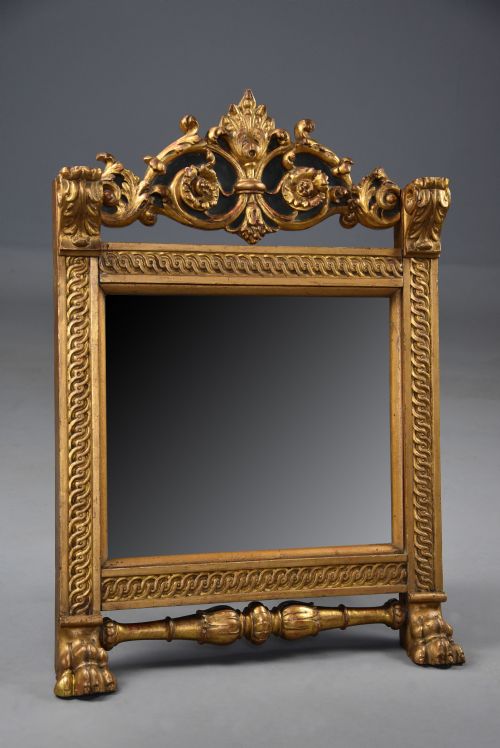
When someone searches for an antique freestanding frame, they encounter items designed to support themselves independently using easel backs, hinged legs, or weighted bases. The selection on this page centres heavily on photograph frames, table mirrors, and cheval mirrors from the Victorian, Edwardian, and Art Deco periods. These pieces serve functional and decorative roles, moving easily between mantelpieces, dressing tables, and floors.
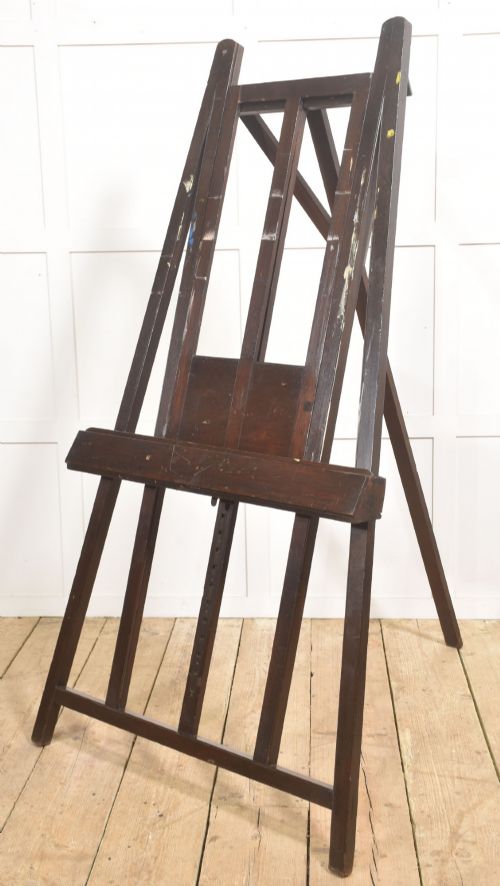
Materials range from sterling silver and pewter to carved mahogany, walnut, oak, and steel, reflecting tastes from the nineteenth century into the twentieth. Styles stretch from French Rococo Revival and Art Nouveau to geometric Art Deco and Anglo-Indian carving. Smaller items hold personal photographs or miniature portraits, while larger iterations function as floor-standing cheval mirrors or studio easels.
The form adapts to its intended room, appearing as double-sided dressing mirrors, triptychs, and glazed picture frames. Makers utilised metals and dense hardwoods to provide the stability required for independent balance. Each period imparts distinct decorative motifs, from Edwardian ribbon crests to Art Deco skyscraper lines.
Materials and Construction Methods
Metals such as sterling silver, pewter, and chrome provide structured housings, often formed with embossed, chased, or cast decoration. Silver frames typically incorporate wooden backs lined with velvet or leather, held in place by turn-pins. Hallmarks stamped into the metal reveal assay office locations and specific dates of production.
Woodworking techniques rely on dense timbers including mahogany, walnut, kingwood, and oak, joined with traditional framing joints. Carved examples display hand-chiselled foliage or geometric patterns, while turned supports give stability to larger cheval mirrors. Glass elements are bevelled or flat-cut to fit precisely within the rebated wooden or metal channels.
Antique Freestanding Frame Retail Price Guide 2026
Typical asking prices for freestanding frame among the pieces listed under this phrase on Sellingantiques today, from the lower quarter to the upper quarter. They describe what is for sale here now, not the wider market.
Secret hinges in double-sided mirrors allowed Victorian household staff to quickly check their appearance from two angles before answering the drawing-room bell.
Distinctions in Quality
Quality rests upon the crispness of metal chasing, the depth of wood carving, and the structural integrity of the support mechanism. Superior silver frames exhibit sharp relief in embossed decoration without thinning of the metal sheet. Fine wooden frames display well-figured grain and tight joinery that prevents wobble when the easel back operates.
The choice of secondary materials matters greatly, seen in the quality of the backing velvet, the weight of the supporting strut, and the clarity of the mirror glass or protective window. Higher grades feature original fittings, intact bezels, and authentic rear struts that bear the weight correctly without straining the hinges.
Louis Auguste Moreau·Henry Matthews
The Antique Freestanding Frame Glossary
- Easel back
- A hinged hinged strut attached to the rear of a frame that allows it to stand at an angle on a flat surface. This mechanism is common in photograph frames and small table mirrors.
- Cheval mirror
- A full-length plate glass mirror suspended within a vertical frame that tilts on pivots between two upright pillars. These large freestanding pieces date from the Georgian period onward.
- Hallmark
- A series of official marks stamped on precious metals indicating the standard of purity, the assay office, and the year of production. They provide definitive dating for silver frames.
- Triptych
- A three-panelled dressing table mirror where the two outer hinged wings fold inward over the central plate. This form gained popularity during the Edwardian era.
- Pewter
- A malleable alloy primarily of tin mixed with copper and antimony, utilised in Art Nouveau frames for fluid, organic casting. It accepts patination well.
Antique Freestanding Frame: Frequently Asked Questions
How do I date a silver photo frame?
Examine the hallmarks stamped into the metal border or edge, which indicate the assay office, the silver standard, and a date letter corresponding to the exact year of testing.
Supporting clues include the style of the wooden backing, the fabric used for the lining, and the method of securing the rear panel to the frame.
What is the difference between a table mirror and a cheval mirror?
Table mirrors are compact enough to sit on top of dressers, sideboards, or desks, supported by easel struts or small feet.
Cheval mirrors are much larger, floor-standing units designed to show the full figure, utilising a heavy frame pivoted between two upright floor columns.
How do I clean tarnished silver frames?
Utilise a soft microfibre cloth and a specialist silver polish designed for antiques, applying gentle pressure to avoid wearing down the embossed details.
Take care to keep moisture away from the original wooden or velvet backing materials housed within the rear of the frame.