

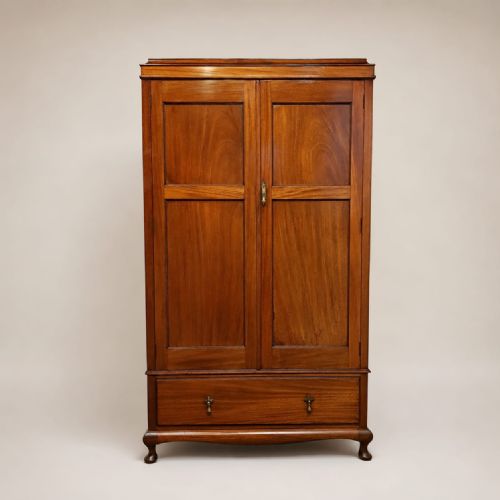
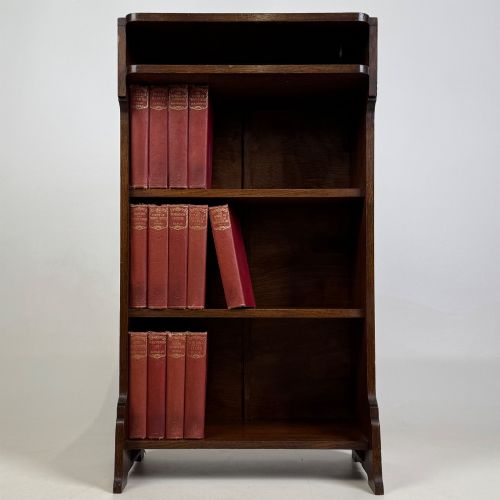
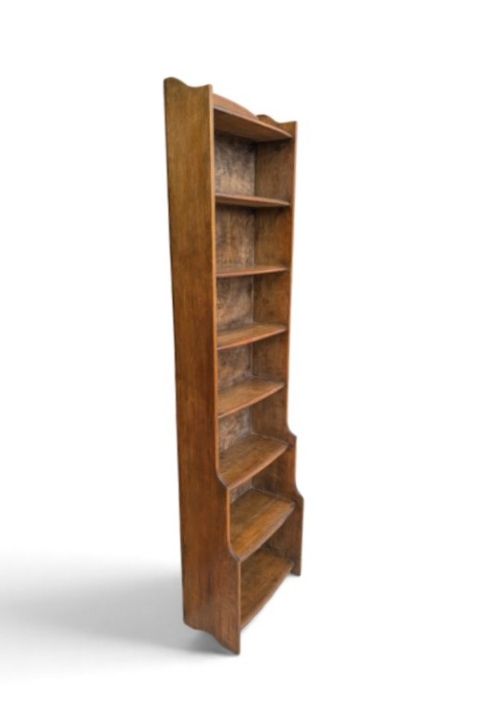
Antique Freestanding Cabinet
When you search for an antique freestanding cabinet, you find self-contained storage pieces designed to stand away from walls, offering practical utility and period character.
Antique Freestanding Cabinet
An antique freestanding cabinet encompasses a wide variety of self-supporting storage forms designed to stand away from walls. The selection spans utilitarian pieces to decorative furnishings across multiple centuries.
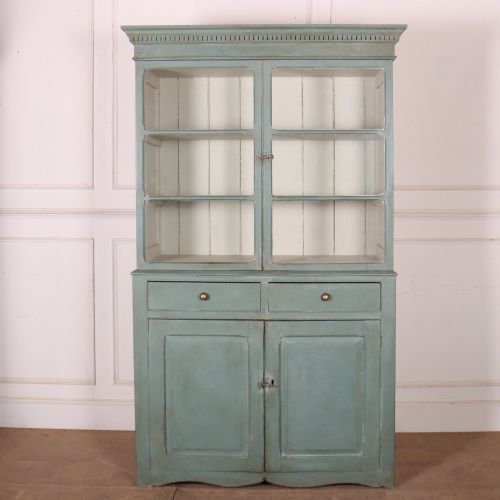
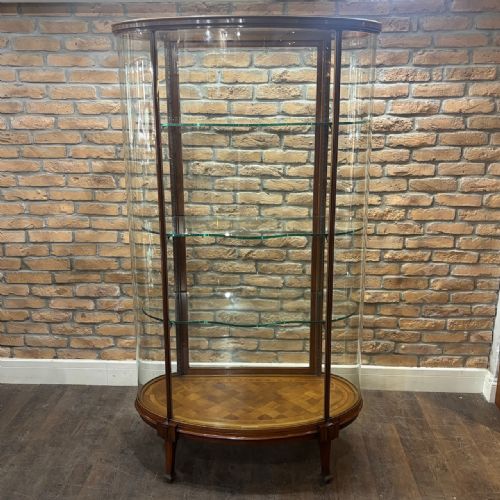
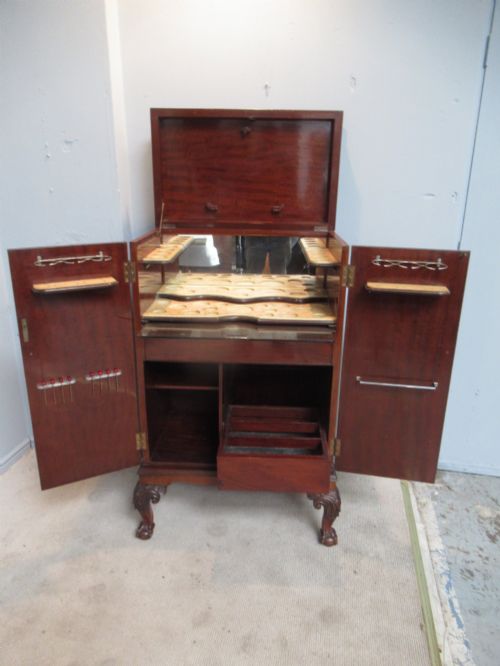
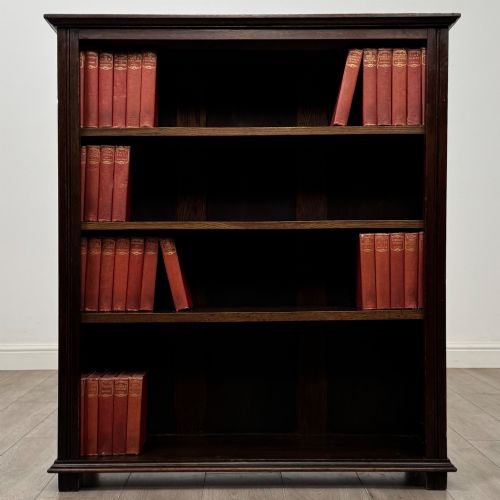
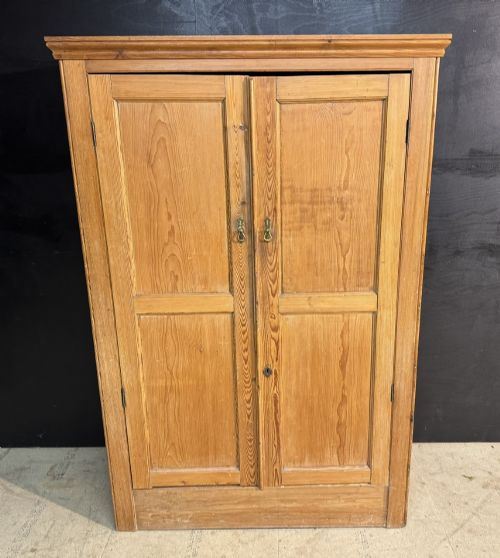
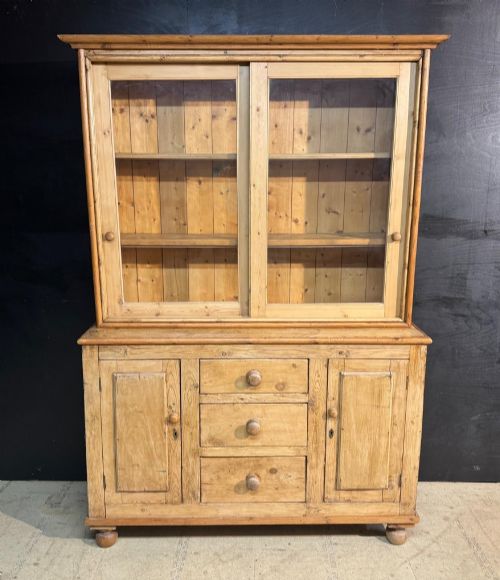
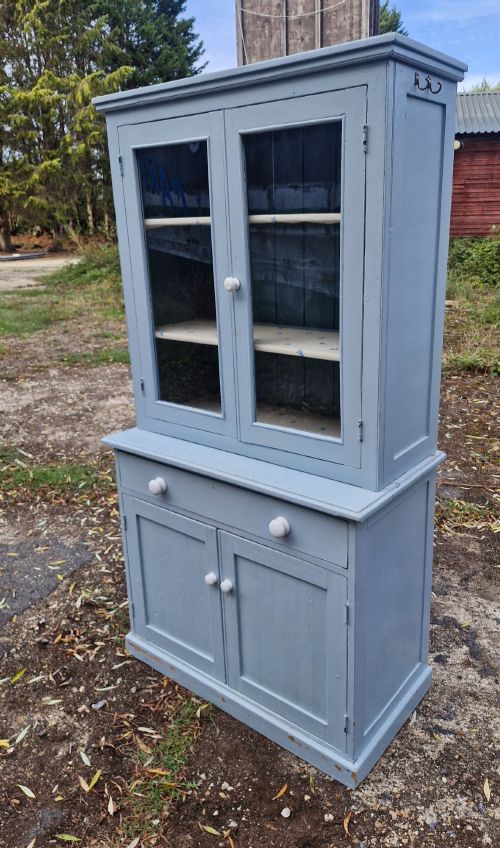
You meet diverse regional and stylistic expressions, from Scottish and French painted pine jam cupboards to English mahogany display cases and American oak kitchen units. These pieces range from domestic larders and bookcases to commercial shop counters.
The periods represented stretch from the Georgian era through Victorian, Edwardian, and into the nineteen-thirties, reflecting changing domestic habits and workshop traditions.
Materials and Construction
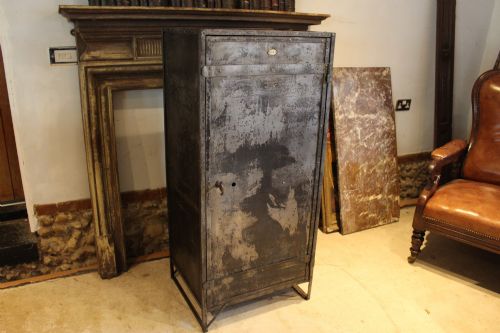
Cabinet makers utilised a broad palette of solid and veneered timbers including oak, pine, mahogany, walnut, rosewood, and kingwood. Metal components such as iron, brass, and ormolu mounts appear on specific industrial and decorative items.
Construction techniques combine traditional joinery with glazed panels and specialised hardware, supporting forms that range from simple nailed or pegged pine storage cupboards to elaborate shop display units.
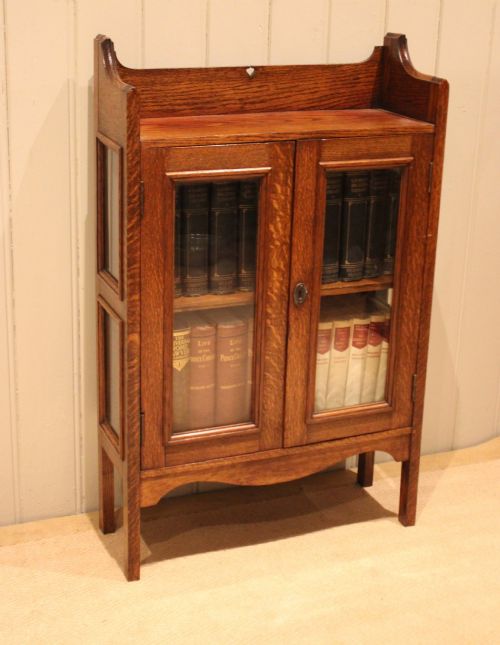
Listings span multiple decades, incorporating Victorian pine storage cupboards alongside Edwardian oak bookcases and nineteen-thirties cocktail cabinets.
Assessing Quality and Character
The distinction between tiers rests upon the selection of timber, such as figured burr walnut or fine mahogany versus utilitarian pine, alongside the integrity of original glass, brassware, and surface finishes.
Execution of detail defines the upper range, where hand-carved decoration, precise joinery, and specialised mounts elevate a functional piece into a notable example of its period.
F. Sage & Co·Hudson Bros
The Antique Freestanding Cabinet Glossary
- Ormolu
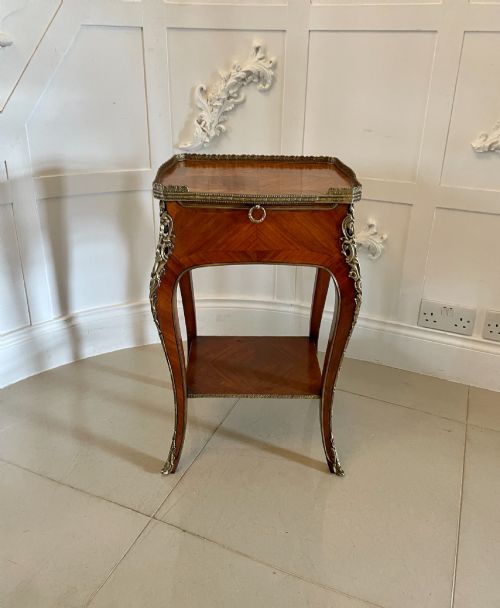
- Gilded bronze mounts applied to furniture, common in French cabinet work of the nineteenth century.
- Davenport
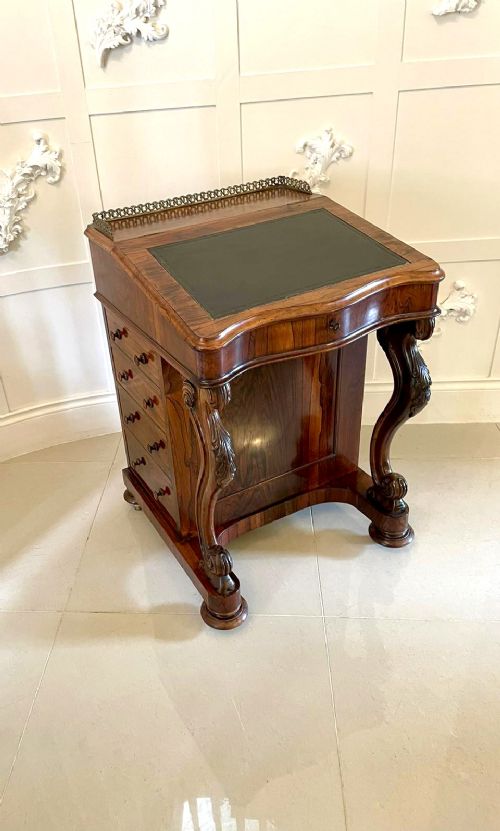
- A compact writing desk featuring a sloped top and a bank of drawers, often associated with the Victorian period.
- Larder Cupboard
- A tall storage piece originally used for food preservation, frequently constructed in pine with ventilation panels.
- Corner Cabinet
- A specialised storage form designed to fit neatly into a room angle, utilising otherwise wasted space.
- Shop Display Cabinet
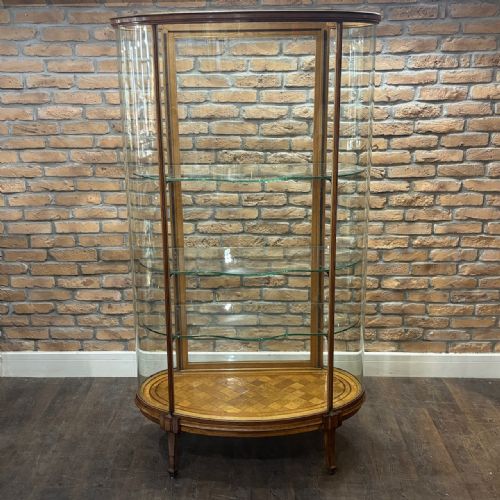
- A commercial fixture featuring extensive glass panels, built to exhibit merchandise in retail settings.
Antique Freestanding Cabinet: Frequently Asked Questions
What is an antique freestanding cabinet?
An antique freestanding cabinet is a self-contained piece of furniture designed to stand independently in a room without needing wall support.
These pieces serve multiple storage purposes, ranging from general household cupboards to specialised display cases and drinks cabinets.
How were these cabinets originally used?
Their original uses varied by form, acting as food stores in larders, book repositories in libraries, or mercantile display units in shops.
Domestic versions also accommodated music collections, clothing, and tableware in period dining rooms and parlours.
How do I identify the period of a cabinet?
Period identification relies on observing the combination of primary materials, stylistic motifs, and construction methods characteristic of eras such as Georgian, Victorian, or Edwardian.
Details like brass hardware, timber choice, and glazing styles offer clear indicators of manufacture date.
How do I live with an antique cabinet?
Living with these pieces involves placing them away from direct heat sources and sudden humidity changes to protect historical timber and glass.
Regular maintenance includes gentle waxing for polished woods and ensuring internal shelves are not overloaded.