
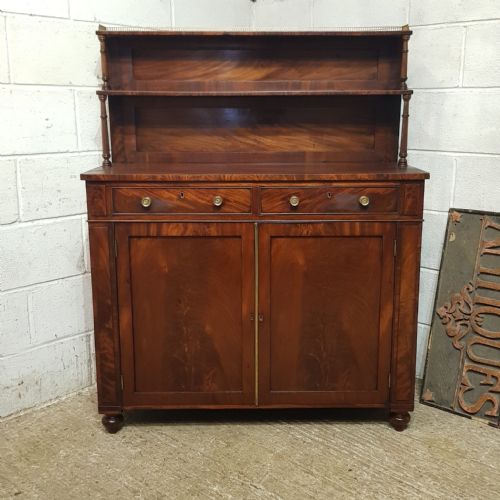
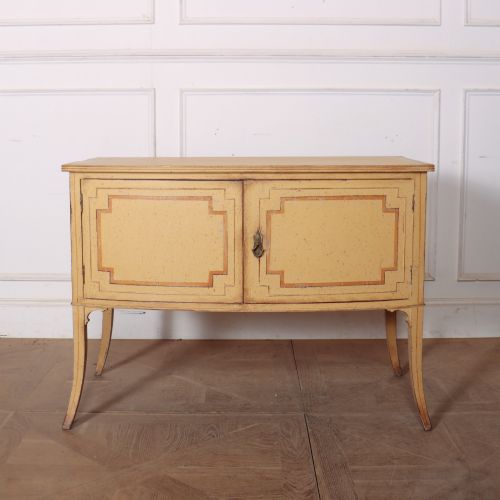

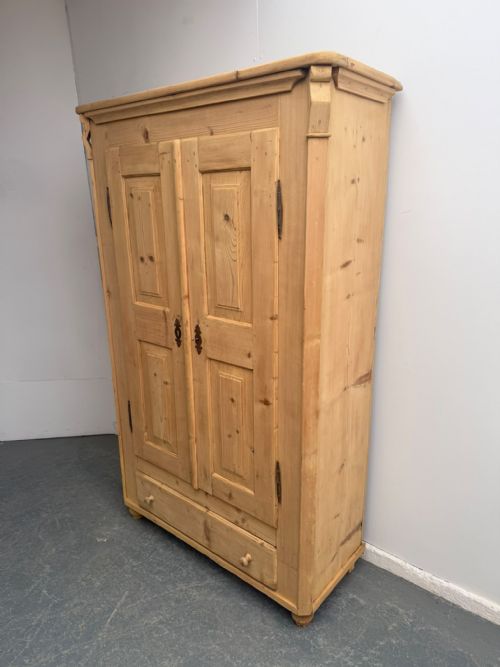
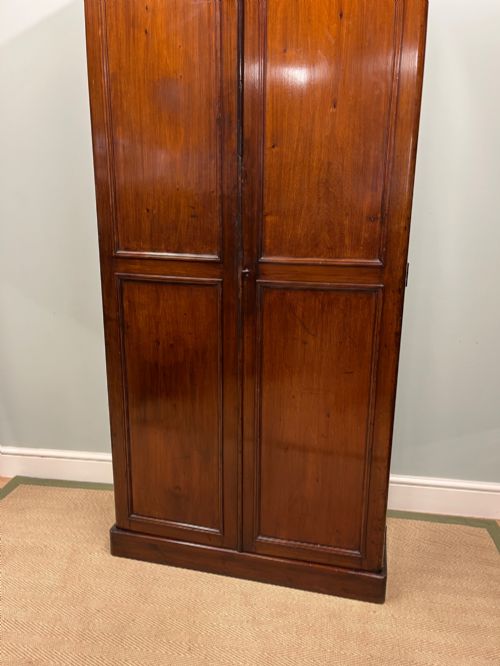
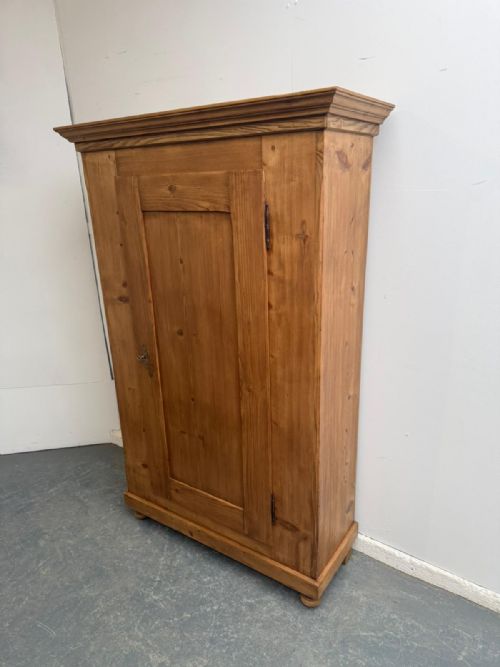
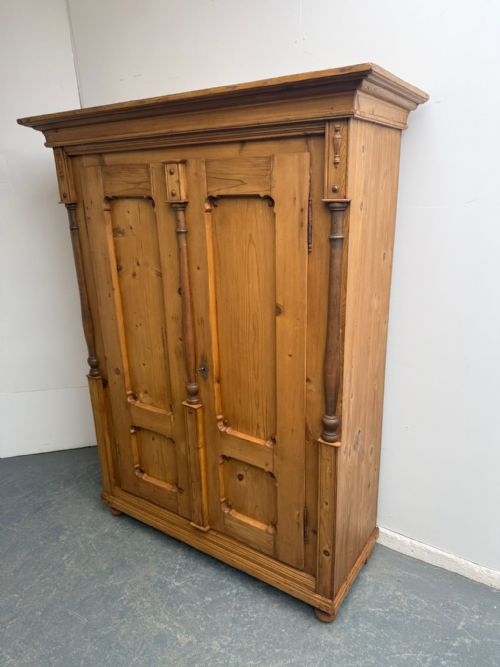
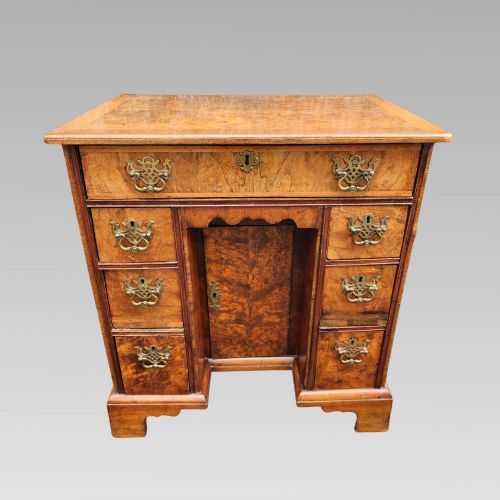
Georgian Hall Cupboard
A georgian hall cupboard offers deep storage with architectural presence, grounding an entrance with period character.
Georgian Hall Cupboard
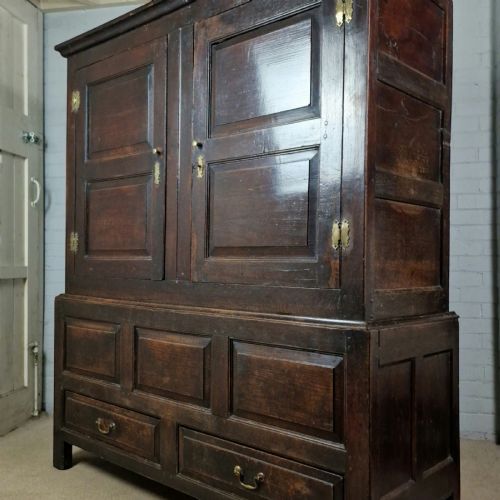
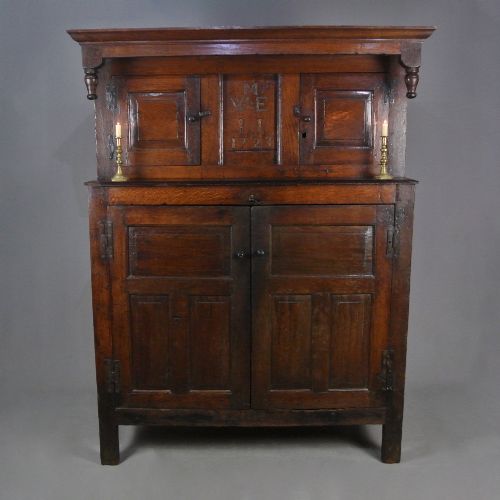
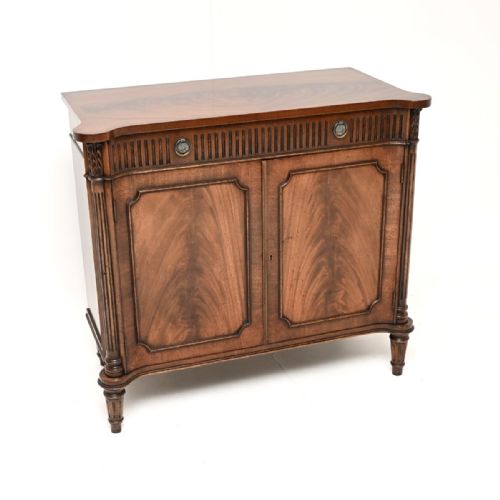
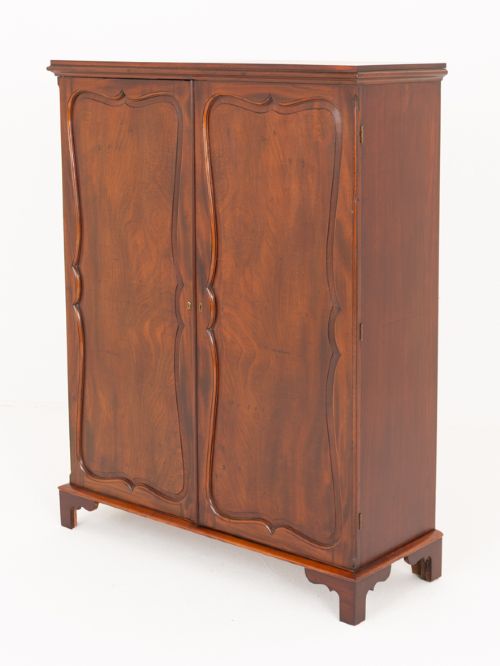
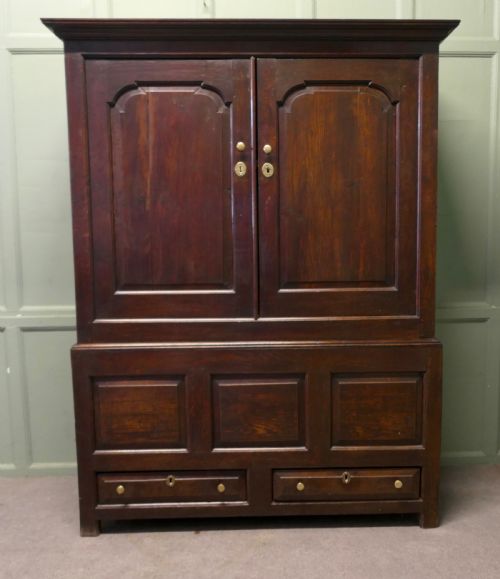
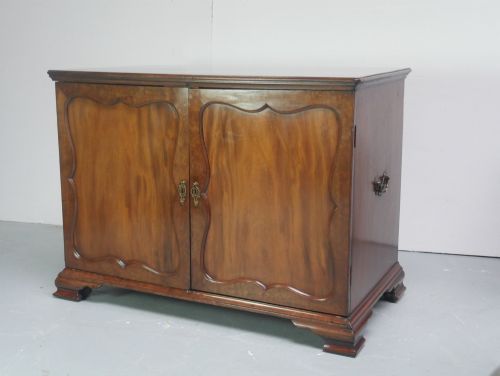
A georgian hall cupboard functions primarily as a substantial storage piece designed to keep entranceways and passages orderly, housing coats, linens, and household provisions. These items frequently take the form of tall wardrobes, press cupboards, livery cupboards, and two-door side cabinets originating from the eighteenth and nineteenth centuries.
The pieces encountered on this page span robust country oak examples alongside more refined mahogany, elm, and painted pine variants. Many incorporate regional characteristics, appearing as Welsh deuddarn two-part cupboards, Scottish pitch pine pieces, or Hungarian hall wardrobes.
Buyers select these items to introduce period craftsmanship and practical depth into domestic hallways, cloakrooms, and living spaces. The selection ranges from compact shallow cupboards to large housekeeper storage units tailored for everyday utility.
How they were made
Makers utilised solid timbers including oak, mahogany, pine, and elm, often pairing denser hardwoods with secondary woods for internal construction. Metalwork played a functional role, with blacksmith-made iron hinges and brass fittings securing doors and drawers.
Surfaces received various treatments depending on regional origin and social tier, ranging from waxed or polished finishes on figured mahogany and oak to painted coats in white, grey, blue, and green. Construction techniques relied on traditional joinery, panelled doors, and sturdy framing to support daily domestic demands.
What varies in quality
The grade of timber and the depth of figure in materials like mahogany, oak, and walnut dictate the visual impact of the piece. Timbers selected with rich grain patterns elevate the overall presence.
Original hardware, such as blacksmith locks and hinges, alongside retained surface finishes like early paint or deep wax patination, separates standard examples from superior survivals. Structural integrity and the retention of original internal shelving or hanging space also influence the standing of each cabinet.
The Georgian Hall Cupboard Glossary
- Livery Cupboard
- A traditional storage cabinet originally used for food and provisions, often featuring panelled doors and ventilation piercing. These pieces pre-date modern wardrobes and offer deep internal space.
- Court Cupboard
- A two-stage seventeenth or eighteenth-century cupboard, usually constructed from oak, with an upper recessed section supported by columns. They represent early vernacular domestic storage.
- Press Cupboard
- A large storage item containing sliding trays or presses in the upper section above drawers or cupboards below. They were built for storing pressed linen and garments flat.
- Chiffonier
- A compact sideboard or low cabinet developed during the Regency period, typically enclosed by two doors. They provide surface display space alongside functional interior storage.
- Deuddarn
- A traditional Welsh two-part cupboard featuring enclosed upper and lower tiers. This regional form displays distinct local joinery and proportions.
Georgian Hall Cupboard: Frequently Asked Questions
Where should I place a georgian hall cupboard?
These cabinets suit entrance halls, boot rooms, and spacious landings where deep storage is required for coats and daily items. Their narrow or shallow footprints often accommodate transitional spaces without obstructing movement.
Ensure you measure the ceiling height and clearance for opening doors, as many period pieces feature tall proportions or hinged panels that demand adequate room.
How do I care for antique wood surfaces?
Maintain waxed or polished finishes on mahogany, oak, and pine by applying natural beeswax periodically and buffing with a soft cloth. Avoid placing timber furniture near direct heat sources or strong sunlight to prevent warping and drying.
Dust surfaces regularly with a dry cloth and keep painted pieces clean using gentle, non-abrasive methods that protect the underlying historic finish.
Are these cupboards suitable for modern hanging coats?
Many examples designed as wardrobes or cloakroom cupboards provide sufficient internal depth and height for standard clothes hangers. Shallower cabinets may require alternative internal fittings or function best for folded linens and dry goods.
Check the internal depth dimensions listed for each specific piece to confirm it matches your intended storage requirements before purchase.
How can I distinguish oak from mahogany pieces?
Oak items generally display visible medullary rays and a coarse, open grain structure associated with earlier eighteenth-century vernacular furniture. Mahogany exhibits a smoother, reddish-brown surface with fine grain patterns that became popular in later Georgian and Regency periods.
Examining the weight, colour, and cellular grain structure helps identify the primary timber used in the cabinet's construction.