

Antique Framed Embroidery
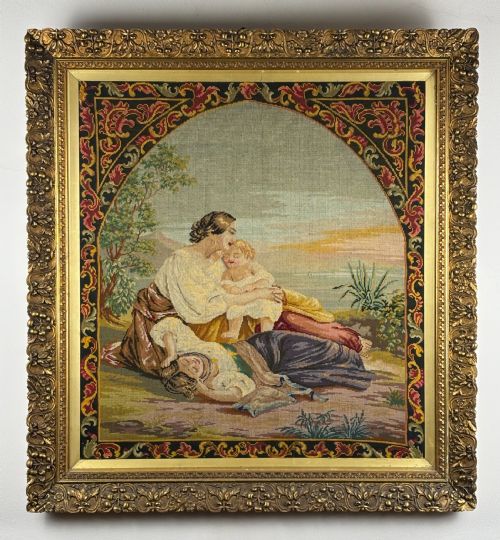
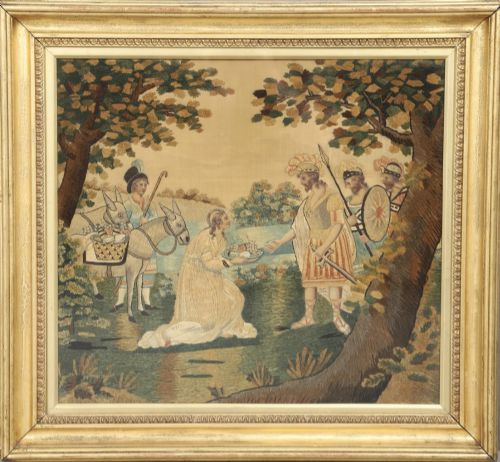
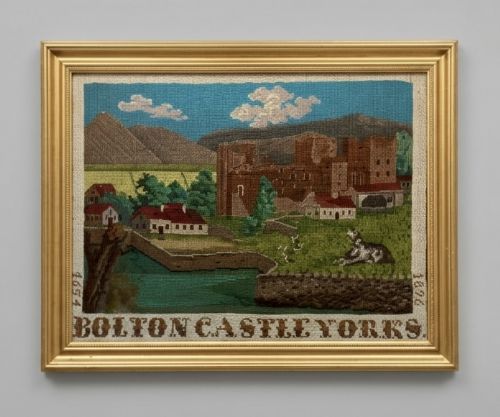
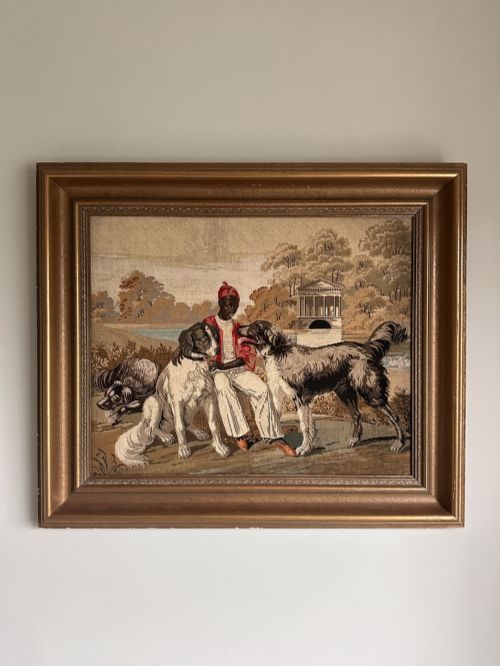
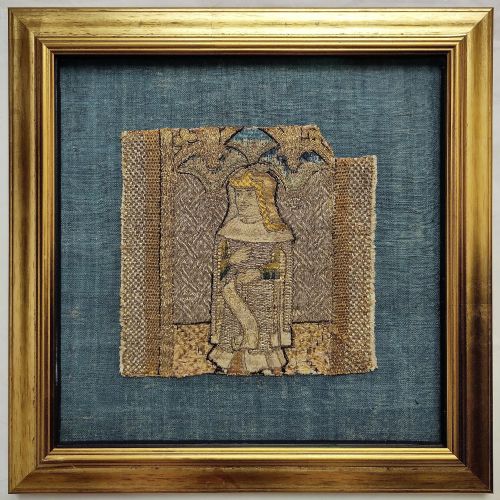
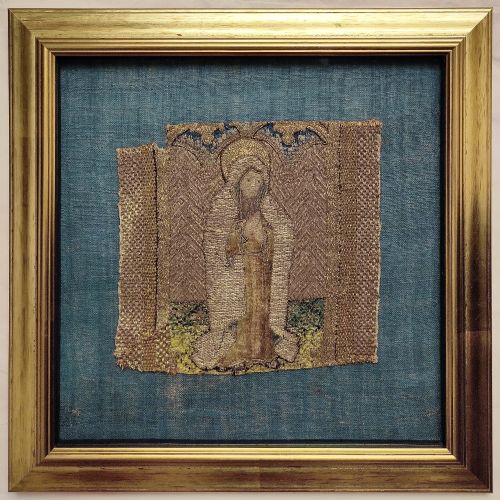
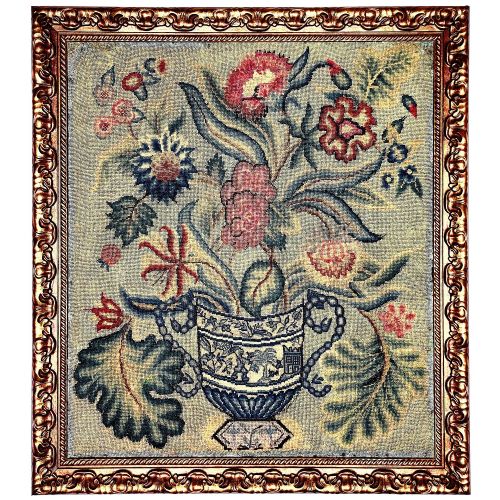
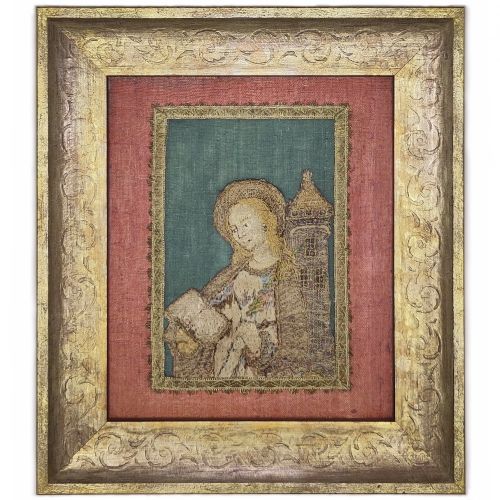
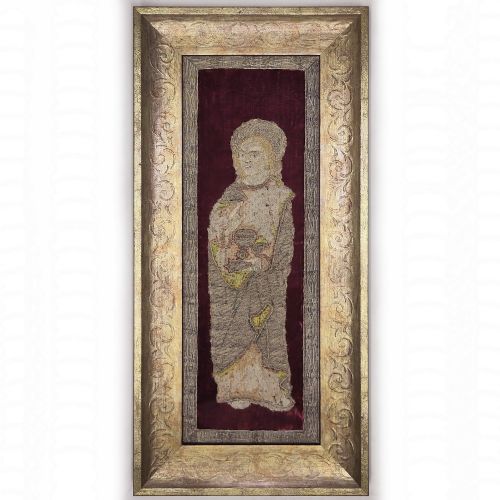
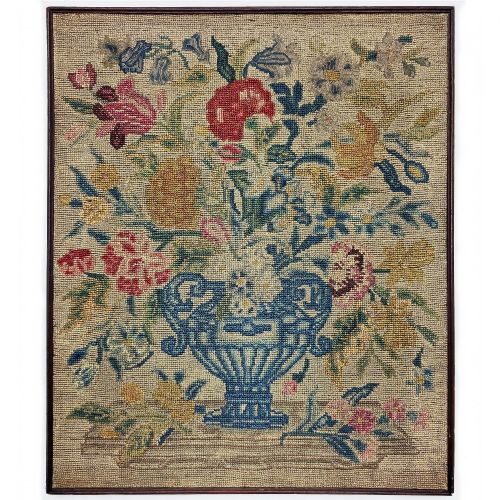
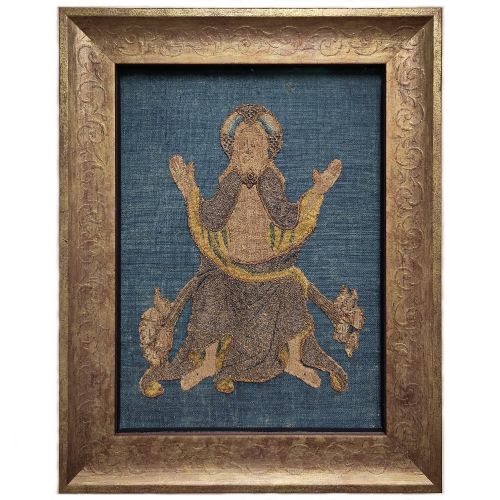
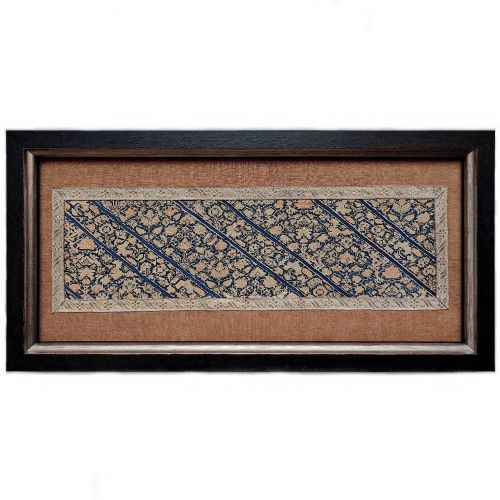
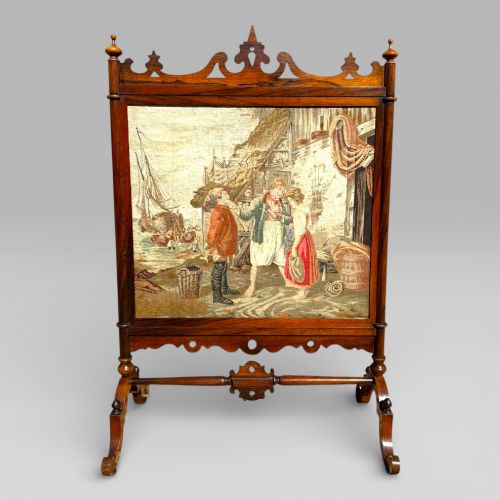
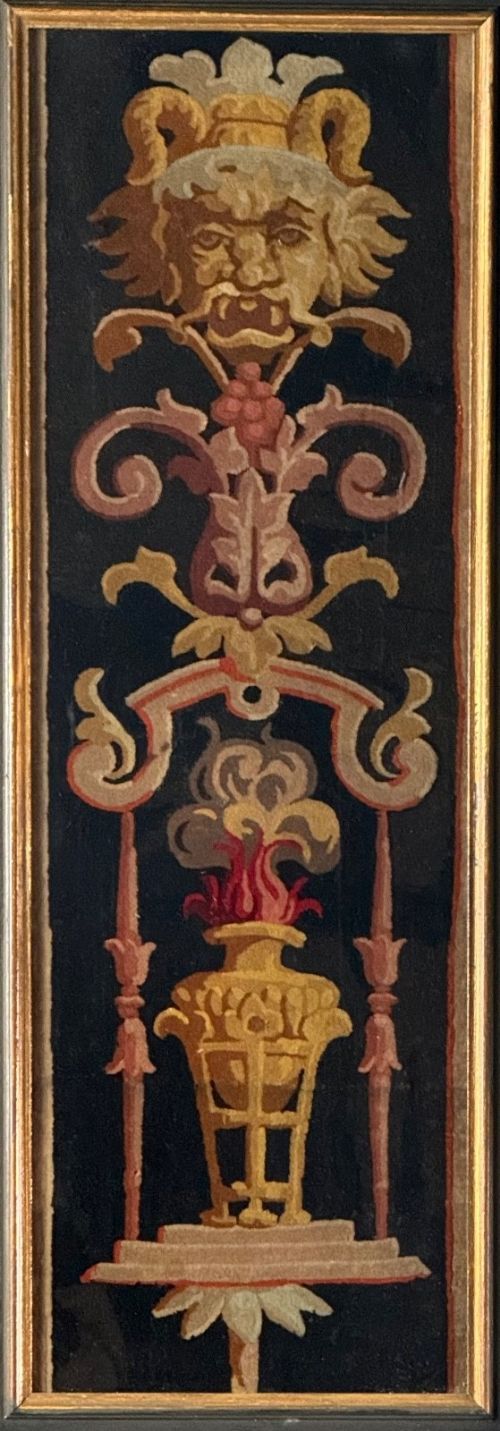
These antique framed embroidery pieces bring needlework pictures, maps and samplers behind glass in period timber and gilt frames.
Antique Framed Embroidery
An antique framed embroidery brings together needlework pictures, samplers, maps and textile panels preserved under glass inside period wooden and gilt frames. Buyers searching this phrase look for historic needle art ranging from small floral studies to large woolwork and silk pictures.
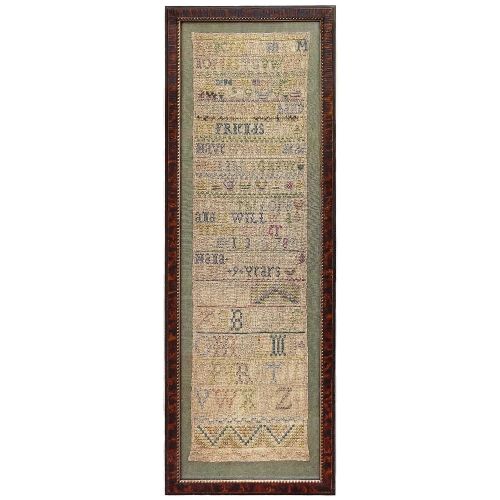
The version most commonly met on this page is the Victorian woolwork or sampler, often worked by young makers and framed in burr maple or walnut. Alongside these sit Georgian silk maps, 17th-century stumpwork and band samplers, and international panels in silk and metallic thread.
How they were made
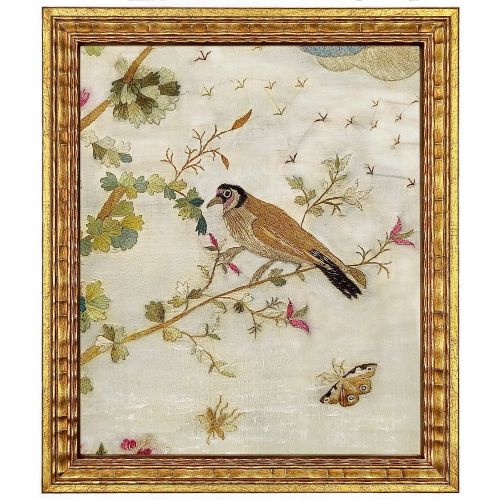
Makers worked with silk, wool, linen and canvas, frequently employing silk floss and metallic thread to build pictorial depth and texture. Ground fabrics carried hand-stitched details in Berlin work, plushwork, gros-point and stumpwork techniques.
Finished textiles found protection behind glass within frames of oak, giltwood, walnut and burr maple, sometimes retaining original hand-painted elements on silk alongside the embroidery.
Antique Framed Embroidery Retail Price Guide 2026
Typical asking prices for framed embroidery among the pieces listed under this phrase on Sellingantiques today, from the lower quarter to the upper quarter. They describe what is for sale here now, not the wider market.
Materials recorded across the inventory include wool, silk, linen, canvas, glass, and giltwood frames.
What varies in quality
The distinction between ordinary and exceptional pieces lies in the precision of the needlework and the ambition of the pictorial design. Works featuring finely shaded silk threads, detailed hand-painted components or complex historical and pastoral scenes stand apart from simpler alphabetic exercises.
Survival of the original frame and the clarity of the glass alter the character of the piece. Preservation of vibrant thread colours and intact ground fabric without excessive fading determines the standing of the work.
Stevens of Coventry
The Antique Framed Embroidery Glossary
- Sampler
- A piece of needlework produced to demonstrate proficiency in various stitches and alphabets, often including the maker's name and age.
- Stumpwork
- A raised embroidery style popular in the seventeenth century featuring padded figures and motifs that project from the background.
- Berlin Work
- A type of needlepoint worked in coloured wool on canvas from printed grid patterns, popular during the nineteenth century.
- Plushwork
- A textile technique utilising clipped loops of yarn to create a raised, velvety texture resembling fur or velvet.
- Silk Floss
- Unspun silk fibres used to achieve a high gloss and smooth finish in needlework pictures.
Antique Framed Embroidery: Frequently Asked Questions
What is antique framed embroidery?
Antique framed embroidery encompasses historic needlework pictures, samplers, and textile panels preserved behind glass in period frames. These works span several centuries and include domestic woolwork, schoolgirl samplers, and fine silk pictures.
Makers utilised materials such as wool, silk, and metallic thread on linen or canvas. Each piece records a distinct period of needlecraft tradition, from seventeenth-century stumpwork to Victorian plushwork.
How do I date an embroidered sampler?
Datable samplers frequently include the stitched name and age of the maker alongside a specific year. Stylistic clues such as alphabet fonts, border designs, and geographic map subjects further assist in determining the period.
The framing materials and backing boards provide additional evidence for age. Eighteenth and nineteenth-century pieces often retain original timber mouldings like burr maple or oak.
Where should I hang textile art?
Needlework framed under glass requires placement away from direct sunlight to prevent the fading of wool and silk threads. Stable indoor humidity levels protect the underlying linen or canvas ground from deterioration.
Wall spaces in studies, drawing rooms, or hallways offer suitable environments when shielded from extreme temperature fluctuations. Proper hanging preserves both the textile and its original frame.
How are antique textiles cleaned?
Historic embroidered pictures behind sealed glass generally require no internal cleaning by the owner. Dusting the exterior of the frame and glass with a dry cloth maintains the surface.
Intervention by a textile conservator becomes necessary if the fabric slips within the frame or shows structural damage. Opening sealed antique frames risks introducing moisture and pests to fragile threads.