
Antique Framed Crest
An antique framed crest brings centuries of heraldry and carved ornamentation into a room, offering both historical depth and a commanding decorative presence.
Antique Framed Crest
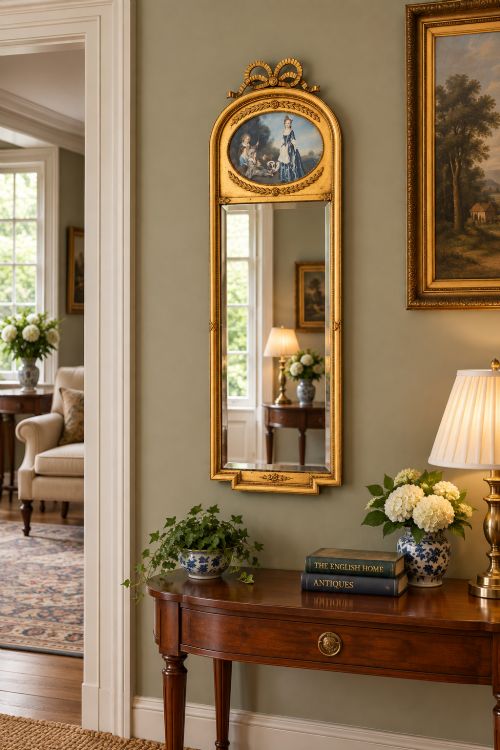
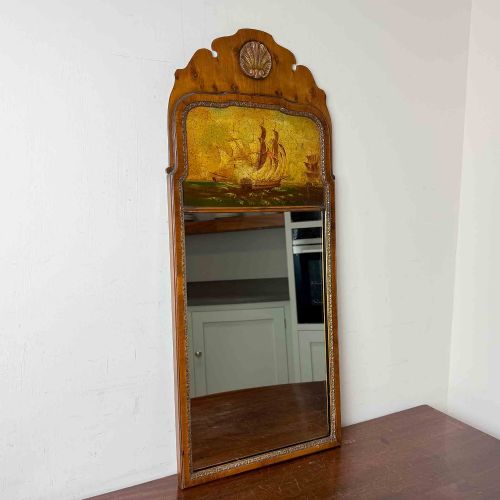
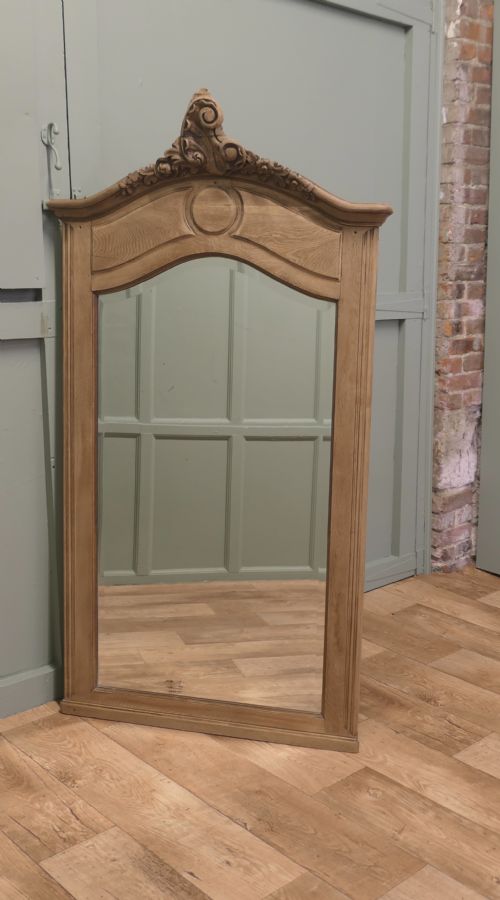
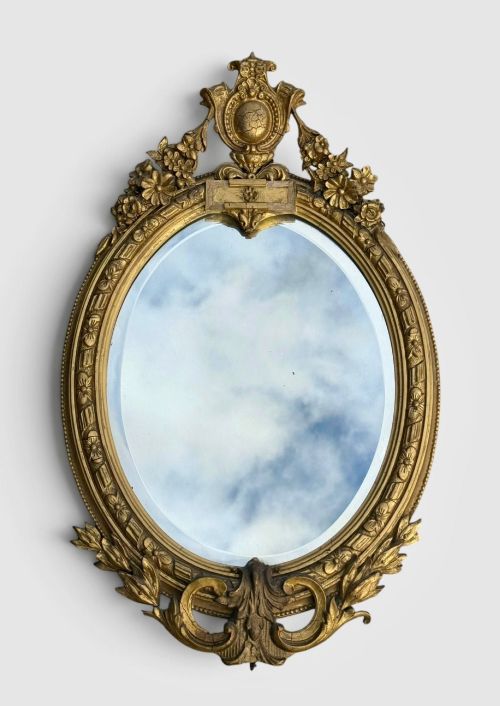
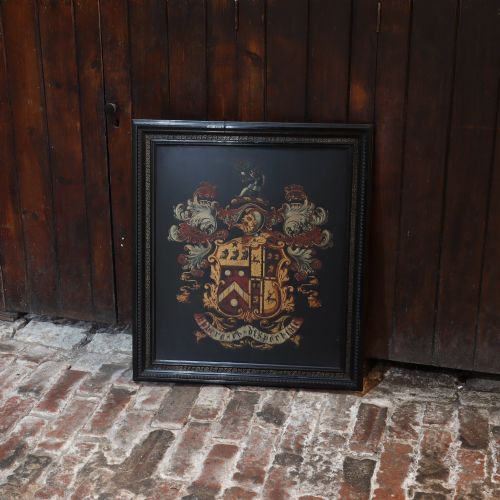
When searching for an antique framed crest, buyers typically encounter elaborate mirrors, heraldic panels, and marriage plaques featuring carved top crestings. These pieces span from the 18th century through the Victorian era, Regency period, and early 20th century.
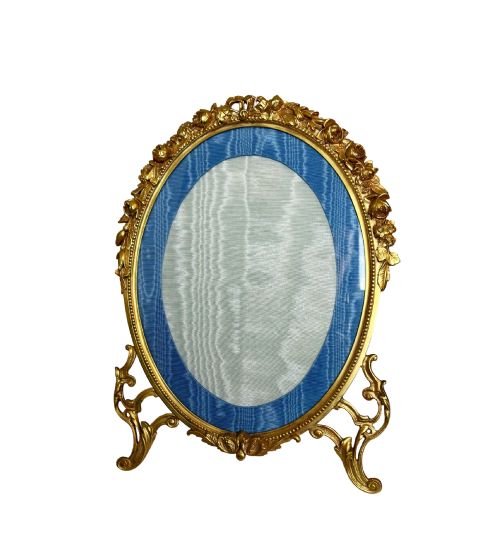
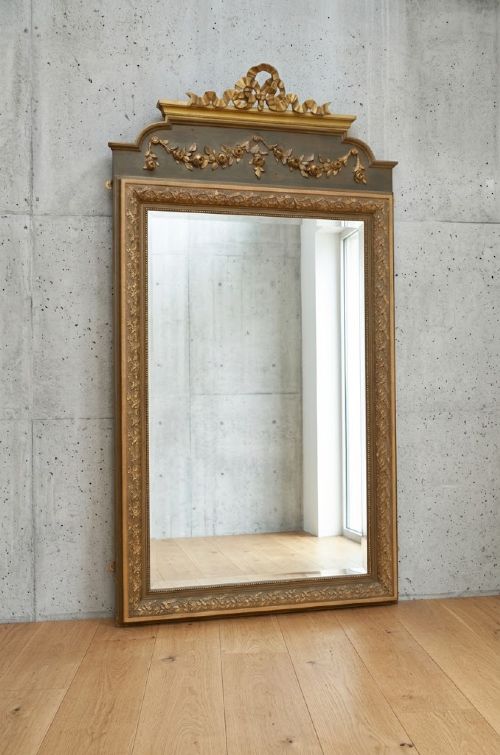
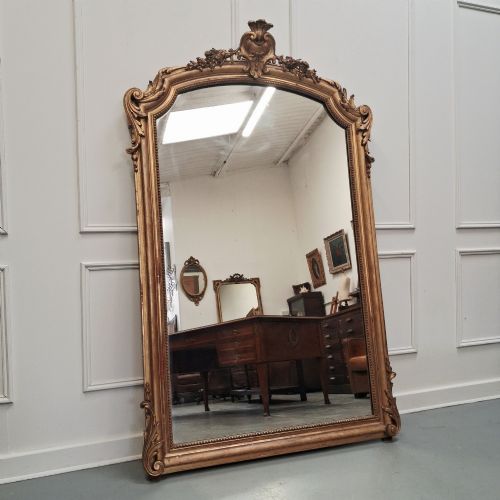
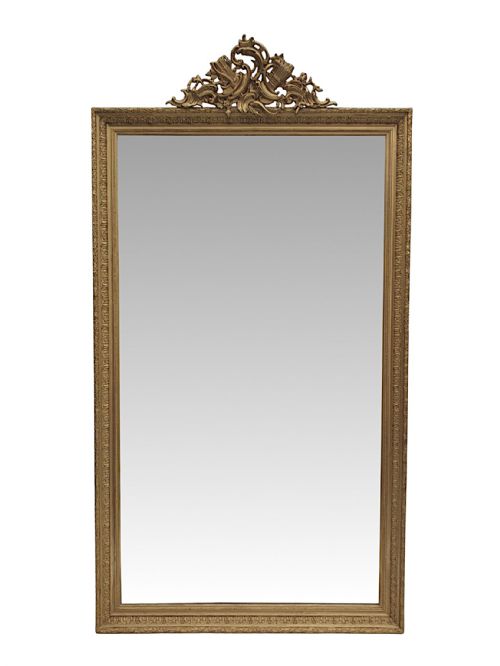
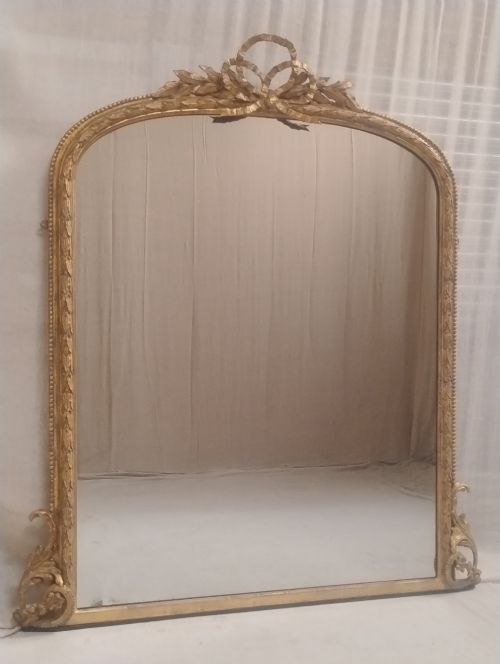
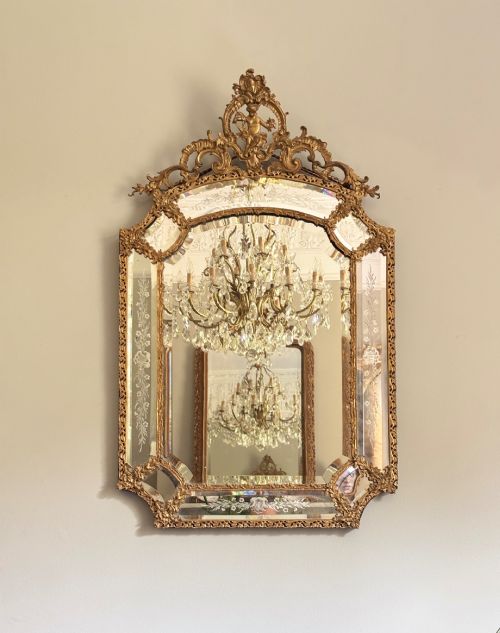
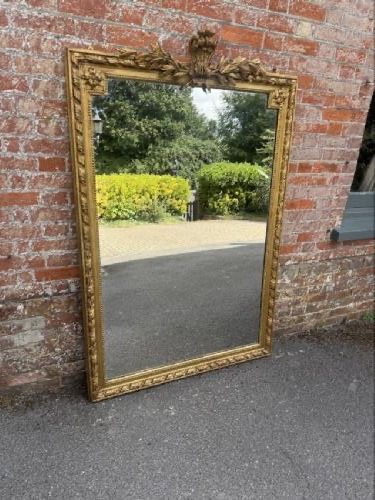
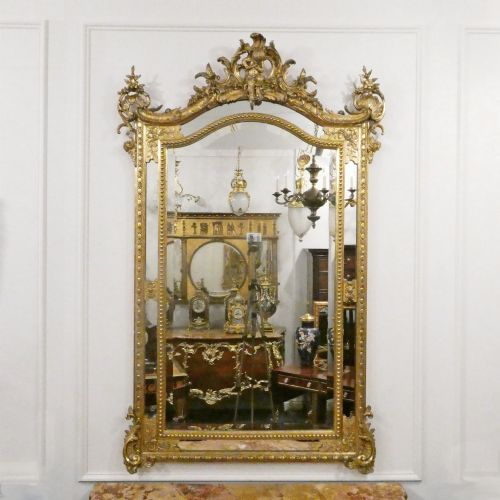
The selection on this page leans heavily toward carved giltwood, gesso, and mahogany wall mirrors and overmantels adorned with prominent crests, alongside specific heraldic wooden panels. Such items originate from English, French, and Dutch workshops, reflecting regional decorative tastes of their respective periods.
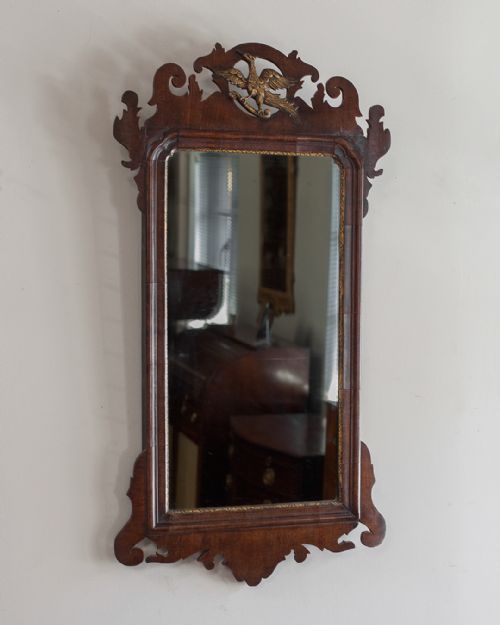
Buyers will find that many items combine functional looking-glass plates with sculptural wooden cresting, such as heraldic birds, carved ribbons, or family coats of arms. These decorative accents served to signal lineage, status, or refined artistic style in period interiors.
How they were made
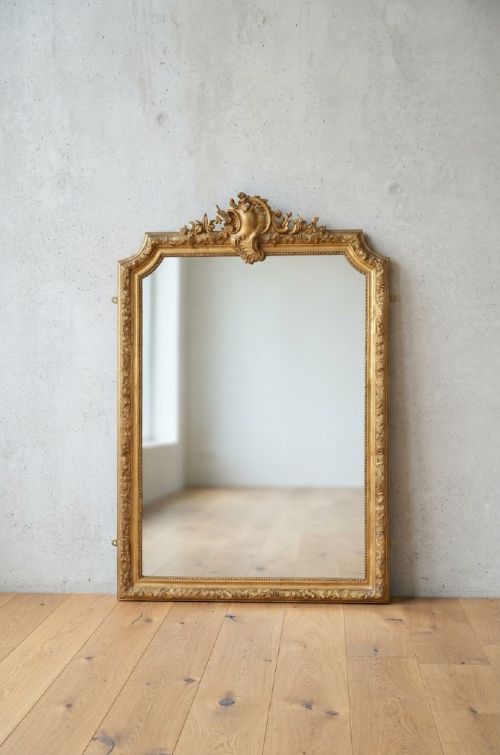
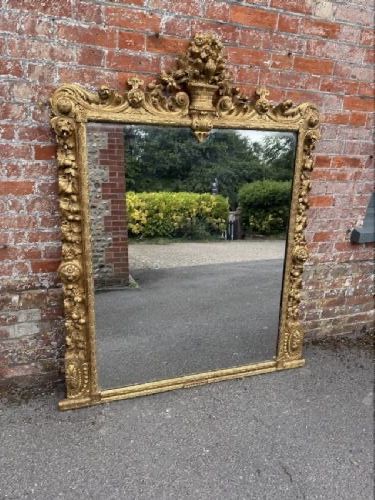
Carved wood and gesso form the structural foundation for the majority of these framed pieces, often layered with gold leaf or silver-gilt. Artisans shaped timber such as mahogany, yew, and oak before applying plaster compounds to carve intricate relief details.
Gilt bronze and mirror glass are frequently integrated, particularly in French and Regency examples where mercury plates or bevelled glass were set into heavy metal or wooden surrounds. The application of gold leaf required meticulous skill to adhere thin sheets of metal over prepared gesso surfaces.
Several pieces feature the famous Ho-ho bird perched atop the crest, a whimsical 18th-century interpretation of the Chinese phoenix keeping watch over the room.
What varies in quality
The depth and crispness of the hand-carved detailing distinguish finer examples from simpler production, particularly in the rendering of crests, birds, and floral motifs. Superior pieces show precise undercutting and clean lines in the wood or gesso rather than soft, moulded contours.
The integrity of the original surface finishes, such as untouched gilding and period mirror plates, marks the upper tier of the range. Items retaining their authentic patination and original glass command greater appreciation than those with heavy later interventions.
The Antique Framed Crest Glossary
- Gesso
- A plaster mixture applied to wood frames to create a smooth surface for gilding or deep relief carving. It allows artisans to model ornate three-dimensional motifs.
- Crest
- The decorative top element of a mirror or panel, often featuring heraldic devices, birds, or sculptural foliage. It draws the eye upward and finishes the composition.
- Heraldry
- The system of designing, displaying, and recording coats of arms and armorial bearings. Pieces featuring heraldry often document specific historical families and marriages.
- Convex mirror
- A round looking glass with a curved spherical surface that reflects a wide, distorted view of the room. These were popular during the Regency period.
- Parcel-gilt
- Woodwork that is partially gilded with gold leaf while other sections reveal the dark wood beneath. This technique highlights specific carved details against a contrasting background.
Antique Framed Crest: Frequently Asked Questions
What is an antique framed crest?
An antique framed crest refers to decorative mirrors, plaques, and wooden frames topped with carved sculptural crestings or heraldic coats of arms. These items date primarily from the 18th and 19th centuries and combine utility with symbolic or artistic ornamentation.
Buyers often select them to serve as focal points above mantelpieces or console tables. Their designs incorporate historical motifs ranging from family lineages to classical revival styles.
How do I hang a heavy overmantel mirror?
Heavy overmantel mirrors require secure anchoring directly into wall studs or masonry using heavy-duty brackets rated for the weight of wood and glass. Given their substantial build, professional installation ensures the frame remains stable.
Positioning the mirror at the correct height above a fireplace anchors the room's proportions. This placement also optimizes the reflection of natural light across the space.
What periods do these pieces come from?
The available pieces originate largely from the 18th century, the Regency period, the Victorian era, and the late 19th century. Each era brought distinct stylistic influences, such as Georgian mahogany, French Louis XVI revival, and elaborate gesso work.
Recognising these periods helps buyers match an antique crest to the architectural style of their home. Details like rope-twist frames and ebonised finishes often point to specific decades.
Are the mirror plates original?
Many period mirrors retain their original mercury or bevelled glass plates, which often display light foxing and age spots. These natural imperfections confirm the antiquity and authenticity of the glass.
While some pieces may feature replaced plates from later restorations, original glass adds significant character. Examining the edge bevels and backing boards helps determine the age of the looking glass.
How do I clean an antique gilt frame?
Antique giltwood and gesso frames require extremely gentle maintenance using a soft, dry brush to remove dust. Moisture and chemical cleaners can strip delicate gold leaf and historical finishes.
Keeping frames away from direct sunlight and damp environments preserves the underlying wood and plaster. Regular dusting prevents particle buildup without risking abrasion to the surface.