

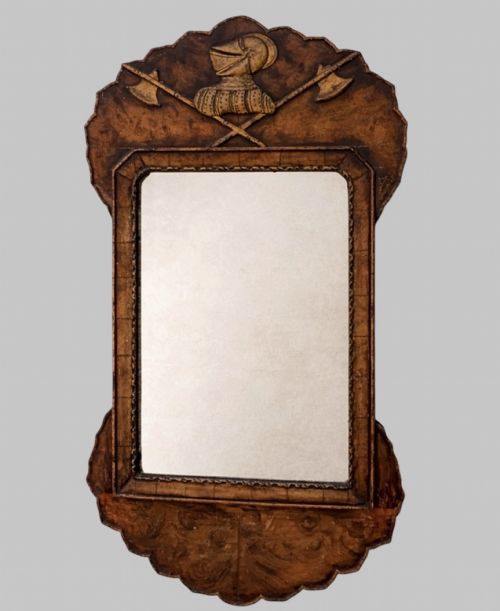


Antique Armorial Crest
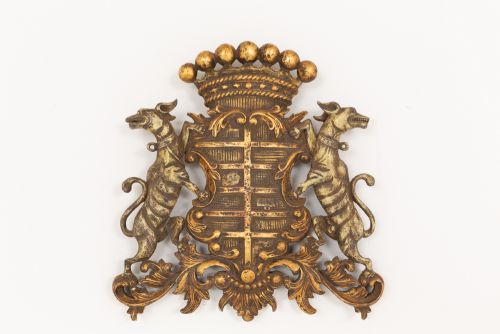
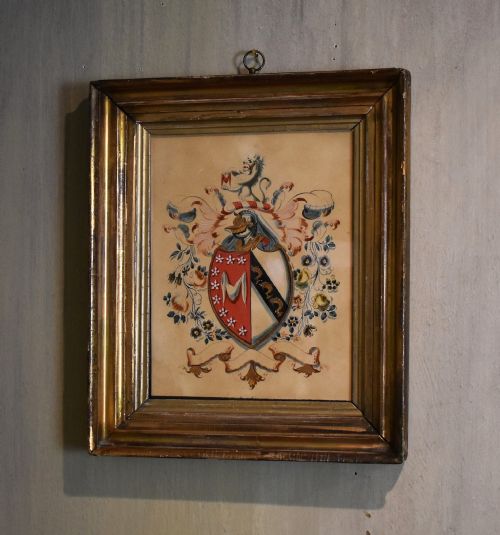
An antique armorial crest carries the heraldic identity of an aristocratic family through painted porcelain, carved timber, and gleaming silver.
Antique Armorial Crest
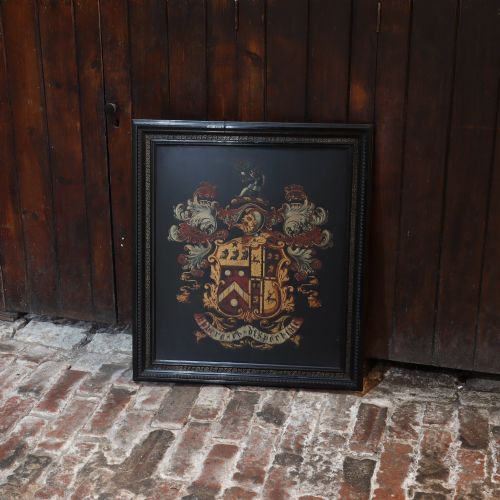
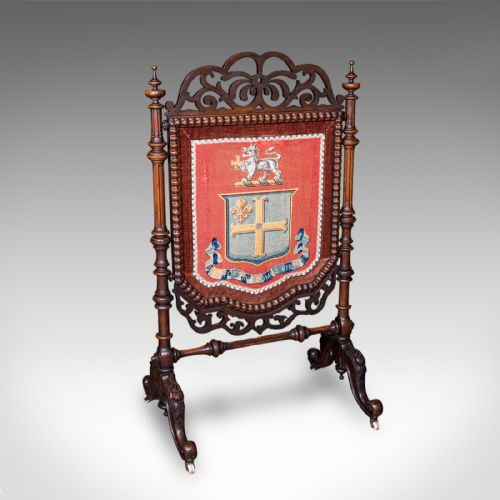
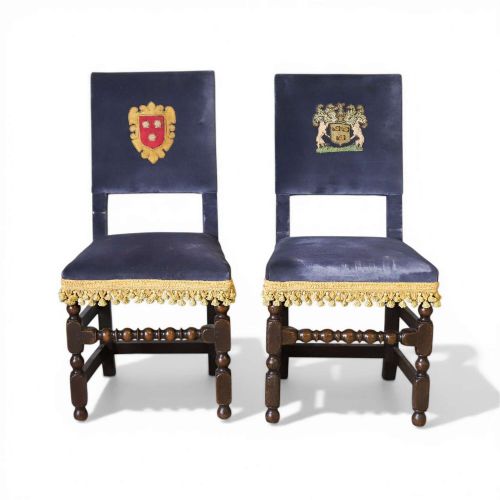
The search for an antique armorial crest reveals a diverse group of objects commissioned to display family lineage, military honours, and noble alliances. These pieces range from substantial mahogany hall chairs and oak armorial shields to delicate porcelain plates and intricate silver serving ware.
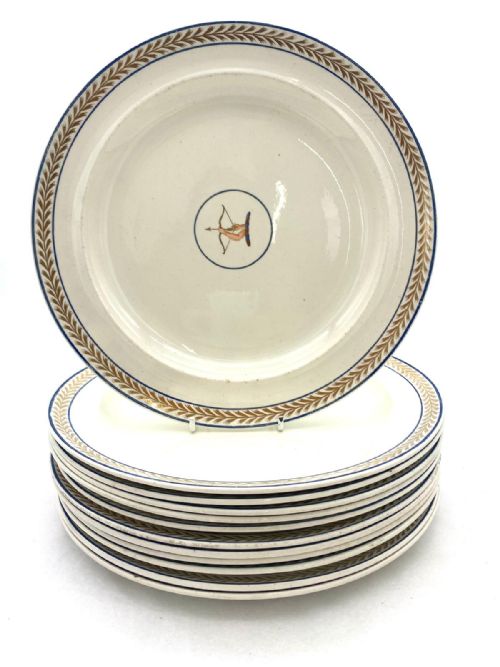
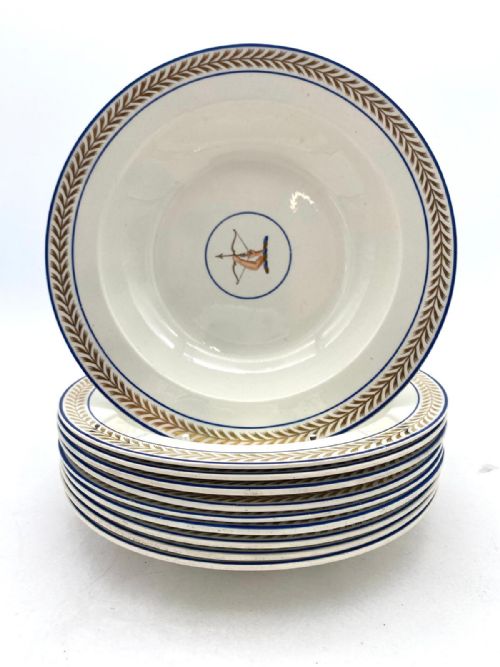
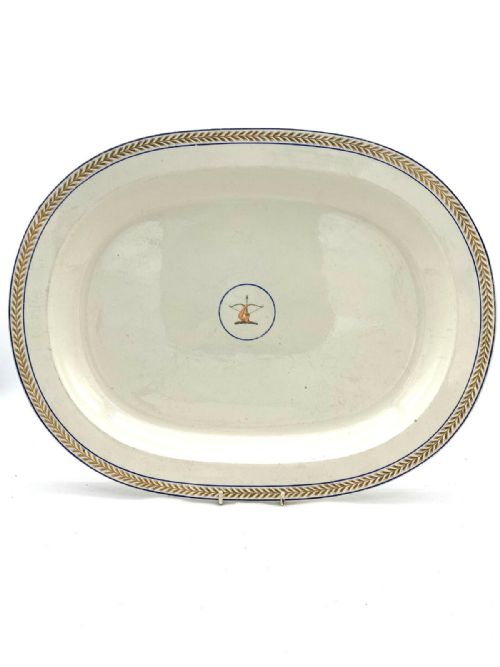
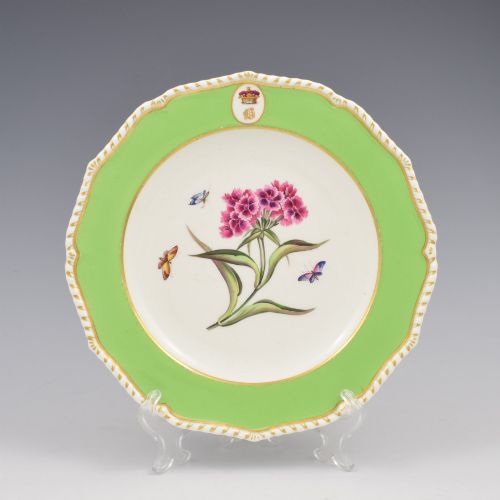
Ceramic services form a prominent category, featuring creamware dinner plates, porcelain dessert plates, and armorial jugs painted with specific family crests. Dining pieces from Staffordshire, Worcester, and Derby potteries frequently appear alongside heavy cast iron wall plaques and carved wooden marriage panels.
Items span several centuries, with Georgian and Regency pieces sitting alongside Victorian heraldic work and early twentieth century items. Whether carved into wood or enamelled onto glass, each piece serves as a tangible record of historical lineage and social status.
Materials and Methods
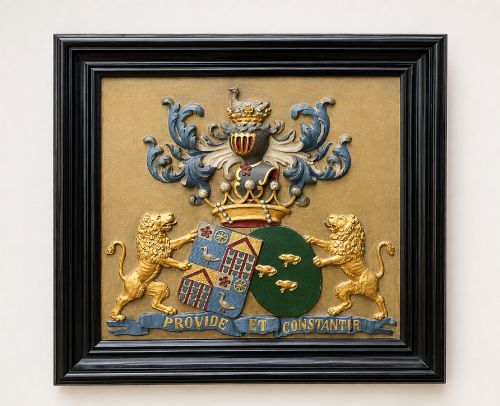
Makers utilised durable hardwoods such as mahogany, walnut, and oak to carve robust armorial shields, decorative wall panels, and substantial hall chairs. Artisans shaped these timbers with deep relief carving to accentuate intricate family mottos and heraldic beasts.
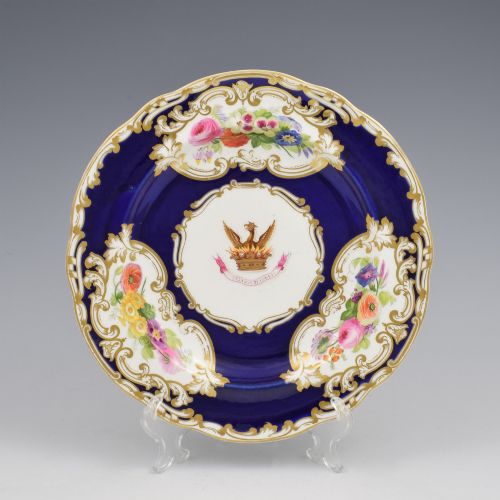
Ceramic and glass pieces relied on precise painting, enamelling, and gilding techniques to render complex coats of arms in permanent colour. Porcelain manufacturers applied gold leaf and hand-painted enamel details to creamware dinner plates, pudding bowls, and teacups.
Silversmiths engraved sterling silver trays, snuff boxes, and salvers with sharp burins to score detailed crests into the metal surface. Old Sheffield plating methods fused thin sheets of silver over copper bases to create substantial wine ewers and dinner plates.
Several crests feature remarkably determined phoenixes rising from flames, ensuring the family motto stood out through any household disaster.
The Measure of Quality
Execution of the heraldic design dictates the standard of the piece, distinguishing finely rendered brushwork or deep wood carving from routine production. Superior items display meticulous attention to anatomical details on heraldic animals and precise lettering on family mottoes.
The integrity of the material and the preservation of the original surface finish influence the standing of any armorial object. Intact gilding on porcelain, crisp edges on carved walnut shields, and unblemished enamel retain the historical intent of the maker.
Wedgwood·Bloor Derby·Copeland·Loetz Witwe·James Spackman·Matthew Boulton·Gillows·Chamberlain Worcester·Flight Barr And Barr·Dresden
The Antique Armorial Crest Glossary
- Armorial
- Relating to heraldry or a coat of arms. Pieces bearing these designs identify specific noble or gentry families.
- Creamware
- A fine-grained, light-coloured earthenware developed in the eighteenth century. Wedgwood famously produced armorial services in this versatile ceramic.
- Intaglio
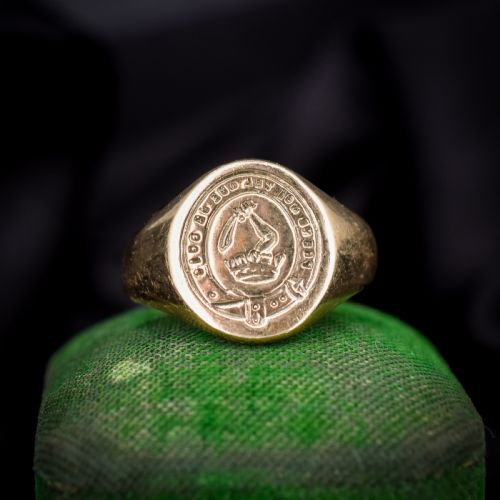
- A design engraved into the surface of a hard material or gemstone. Signet rings utilise this technique to press crests into sealing wax.
- Historismus
- A nineteenth-century artistic movement reviving historical styles. German glassmakers frequently applied this aesthetic to enamelled roemers.
- Salver
- A flat plate or tray typically made of silver or plated metal. These items often feature a centrally engraved family crest.
Antique Armorial Crest: Frequently Asked Questions
What is an armorial crest on antiques?
An armorial crest is a distinct heraldic symbol belonging to a specific family, often painted, carved, or engraved onto household objects. These designs served as visual signatures of noble lineage and social standing.
Craftsmen applied these crests to ceramics, silver, and furniture to mark important commissions, marriages, and ancestral estates.
How can I identify the family on a crest?
Identifying the family requires cross-referencing the specific heraldic charges, colours, and mottoes with historical armorial records. Expert reference books document the registered coats of arms for British and European gentry.
Many listings name the specific historical family associated with the piece, providing a direct starting point for genealogical research.
Are armorial plates safe for dining?
Most antique armorial plates and ceramics are intended for display rather than daily culinary use due to their age and delicate enamels. Washing these pieces by hand protects the fragile gold leaf and painted crests from damage.
Using them as decorative wall art or cabinet display pieces preserves their historical finish for the future.
What periods do these pieces come from?
Armorial items span several centuries, with prominent examples originating from the Georgian, Regency, and Victorian eras. Earlier pieces from the seventeenth century and later twentieth-century plaques also appear within the tradition.
Stylistic shifts in furniture design and ceramic painting help collectors date individual pieces to specific decades.