


Antique Fox Painting
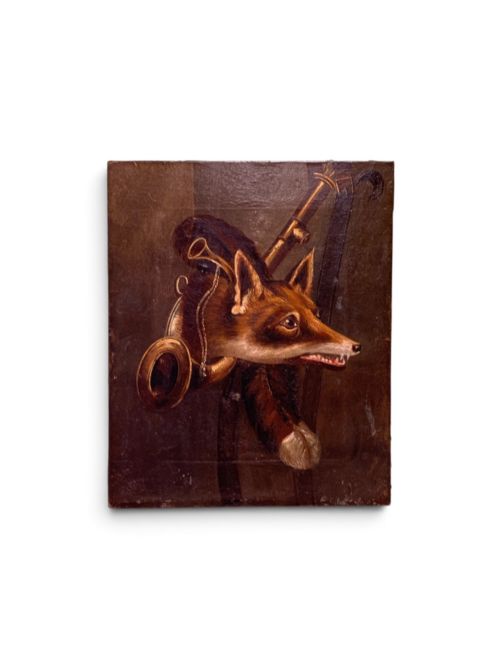
An antique fox painting captures the enduring appeal of the hunt and the English countryside, bringing historic sporting traditions directly into a room.
Antique Fox Painting
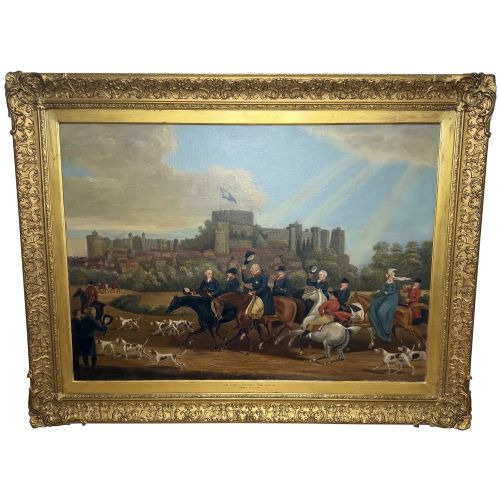
An antique fox painting encompasses works created during the eighteenth and nineteenth centuries, alongside Edwardian and early twentieth-century examples. These pieces typically document rural pursuits, wildlife, and canine portraits related to the chase.
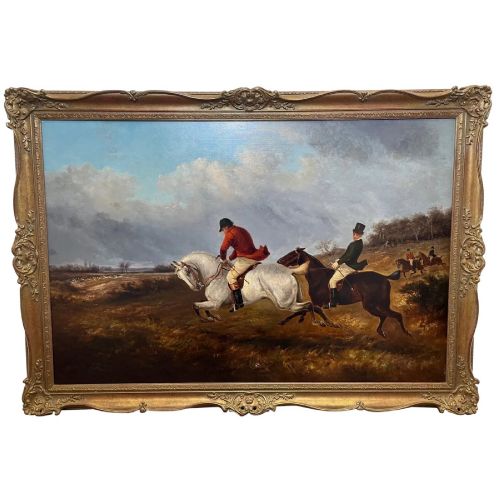
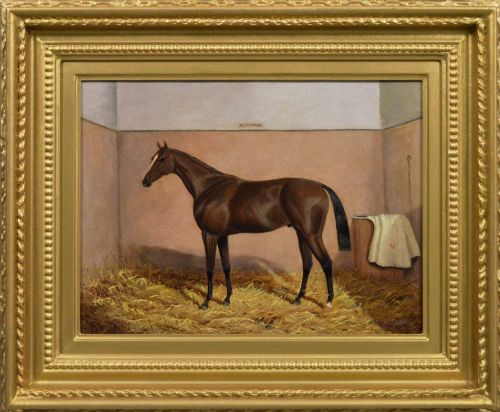
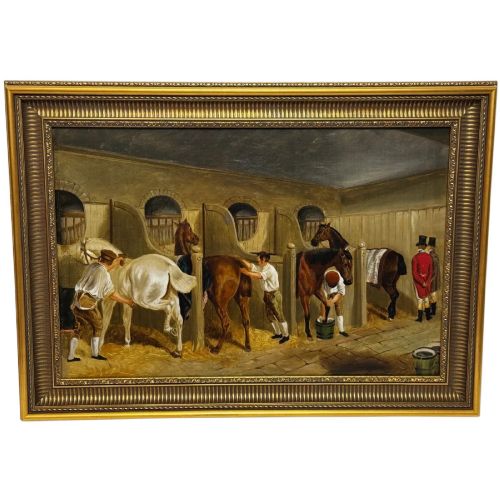
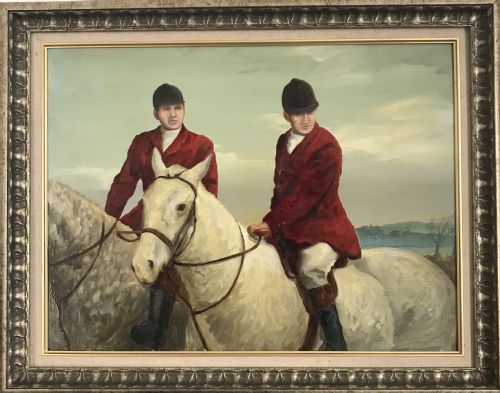
The selection ranges from expansive oil canvases depicting hounds in full cry across country landscapes to intimate watercolours capturing quiet pastoral moments. Equestrian subjects and portraits associated with specific hunts frequently appear within this category.
Artisans and painters of the British and European schools dominate the record, working within established traditions of sporting art. Buyers encounter both signed compositions by named artists and atmospheric works by accomplished anonymous hands.
Materials and Methods
Painters utilised oil on canvas and wood panel for robust sporting scenes, applying rich pigments to capture the movement of horses, hounds, and riders. Watercolour on paper was equally common, favoured for lighter rural landscapes and detailed studies.
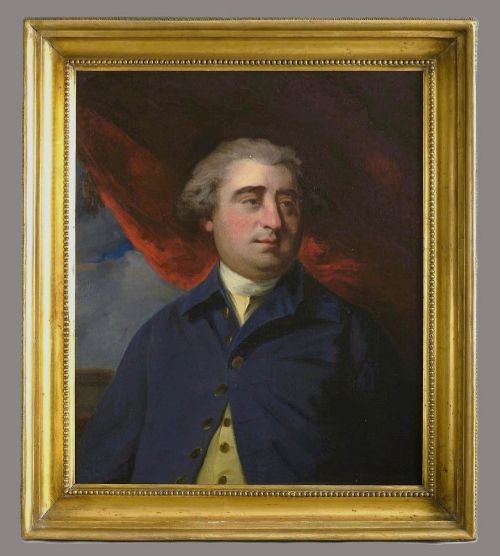
Framing played a fundamental role in presentation, with period giltwood and carved wood frames designed to complement the scale and subject matter of the artwork. Many surviving pieces retain their original surrounds, preserving the integrity of the period.
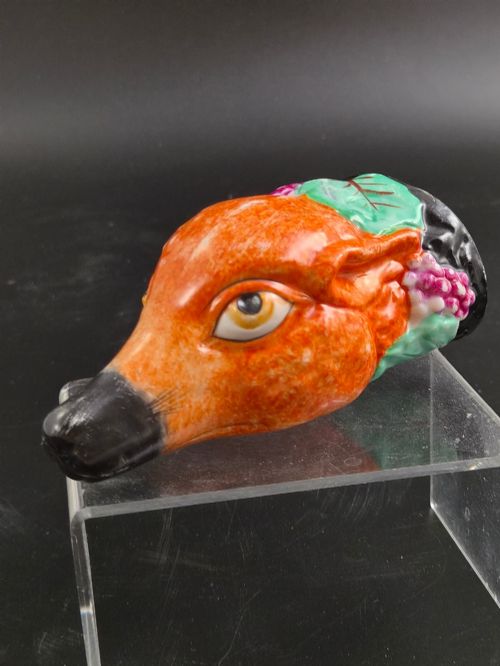
A painted fox occasionally peers out from an unexpected glass vase or porcelain cup, proving that the quarry could outsmart the canvas and inhabit the mantelpiece too.
Distinctions in Quality
Quality rests upon the artist's command of anatomy, movement, and light, particularly in the rendering of horses and hounds in motion. Superior works display confident brushwork and a balanced composition that anchors the narrative within the landscape.
The preservation of the pigment and the condition of the original support surface distinguish finer examples from heavily restored pieces. Original period framing also contributes significantly to the integrity and character of the work.
Henry Charles Fox·Thomas Smythe·Albert Clark·Philip Henry Rideout·John Sanderson Wells·Charles Johnson Payne Snaffles·George Armfield·Alfred Steinacker
The Antique Fox Painting Glossary
- Full Cry
- The intense phase of a hunt when the hounds are actively tracking and voicing their pursuit of the quarry. This moment is frequently depicted in dynamic nineteenth-century canvases.
- Sporting Art
- A genre of painting dedicated to documenting rural pastimes, equestrian sports, and wildlife. It forms the primary category for works featuring hounds, horses, and countryside pursuits.
- Trumeau Mirror
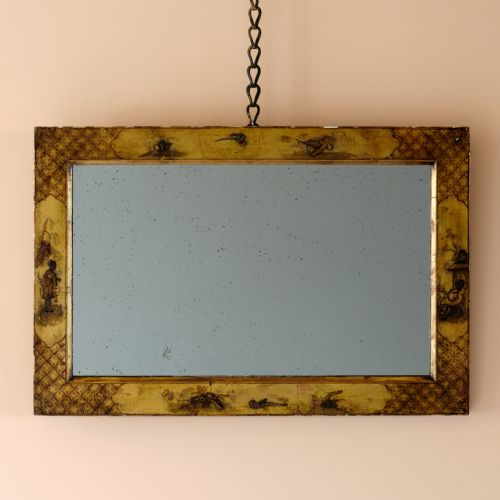
- An architectural wall mirror incorporating a painted panel or artwork above the glass plate. These decorative items often utilise gilt wood and painted surfaces.
- Oil on Canvas
- A traditional painting medium utilising pigments suspended in a drying oil applied to stretched fabric. This technique allowed artists to create textured and enduring sporting scenes.
- Watercolour Painting
- A method where water-soluble pigments are applied to paper to produce translucent washes of colour. It was widely employed for detailed rural landscapes and preparatory studies.
Antique Fox Painting: Frequently Asked Questions
What subjects appear in these paintings?
The compositions generally focus on rural pursuits, featuring mounted riders, hounds, and horses traversing open countryside. Wildlife studies and portraits of specific animals also form part of the tradition.
Many works record specific hunts or pastoral scenes from the nineteenth and early twentieth centuries, reflecting the cultural significance of sporting life during those periods.
How do I date an antique painting?
Dating relies upon stylistic evidence, costume details, artist signatures, and the physical construction of the canvas or paper support. Framing materials often provide additional clues to the era of creation.
Comparative analysis with documented works by known painters helps narrow the period of execution. Archival records further assist in verifying the timeline of the piece.
Where should I hang these artworks?
These pieces suit traditional drawing rooms, studies, and hallways where historic sporting art complements period interiors. Their rich colour palettes pair well with wood-panelled walls and neutral heritage paint tones.
Placement should avoid direct sunlight to protect delicate watercolours and oil pigments from fading over time. Proper wall anchoring ensures heavier framed canvases are displayed securely.
What distinguishes watercolour from oil works?
Watercolour paintings utilise paper supports and offer a lighter, more transparent quality suited to pastoral landscapes and detailed studies. They are traditionally displayed behind glass for protection.
Oil paintings utilise canvas or wood panels, allowing for heavier impasto textures and deeper tonal ranges. These durable surfaces were traditionally chosen for large-scale action scenes.