

Antique Food Painting
These antique food painting works capture domestic provisions and market catches across centuries on canvas.
Antique Food Painting
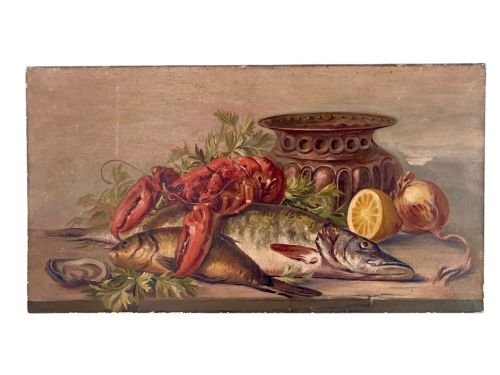
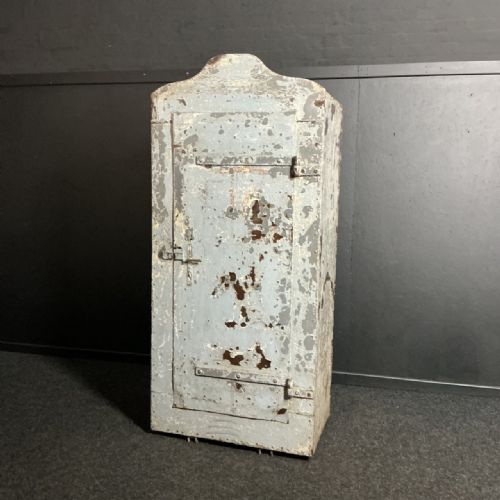
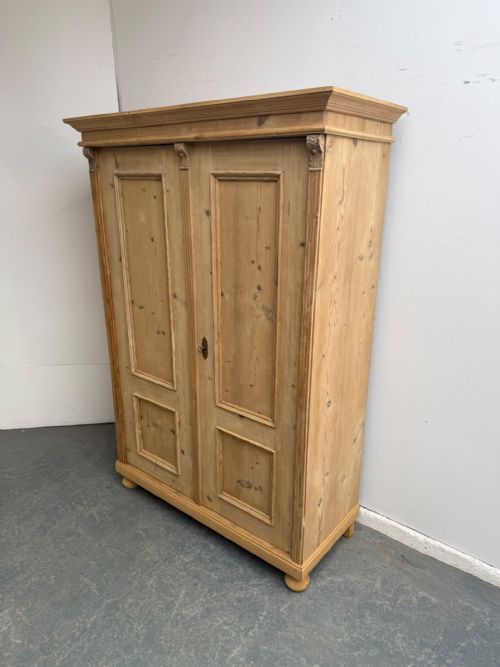
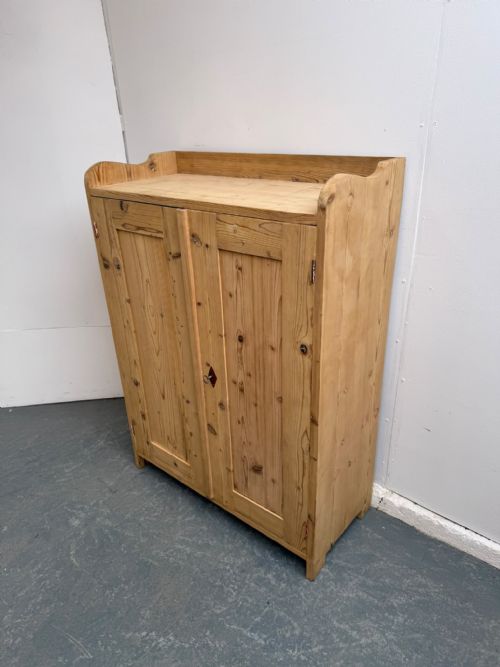
When you search for antique food painting, you encounter oil on canvas works depicting still life subjects, larder scenes, and culinary items spanning from the seventeenth century through the early twentieth century. The selection blends formal still life oil paintings of lobsters, vegetables, and bread displays with functional painted pine food cupboards and storage furniture from various European regions.
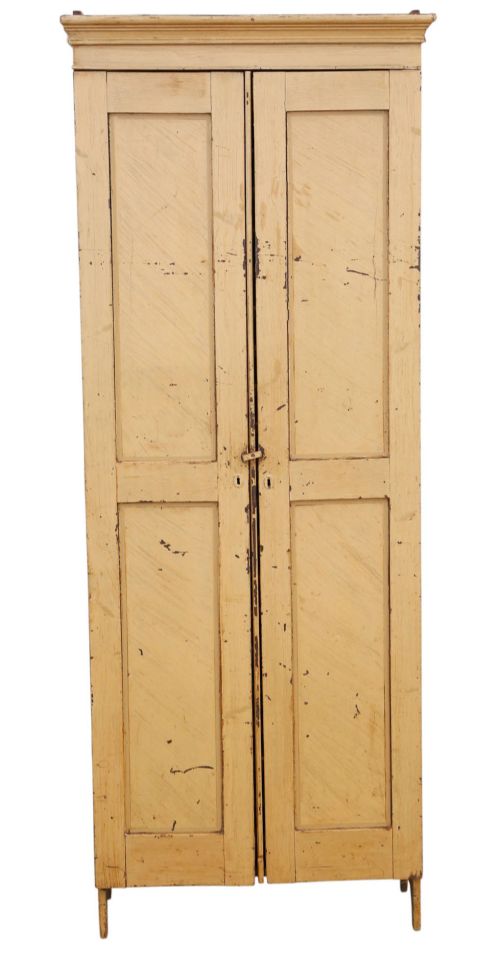
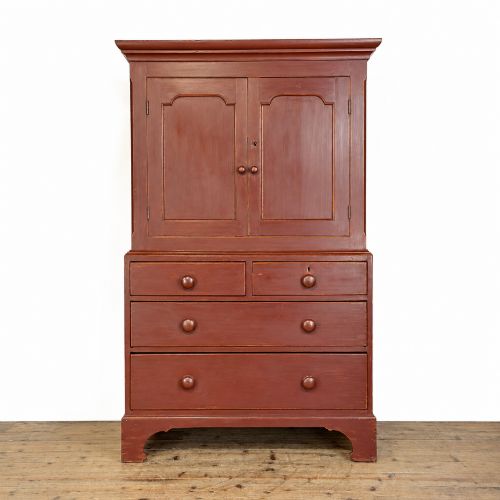
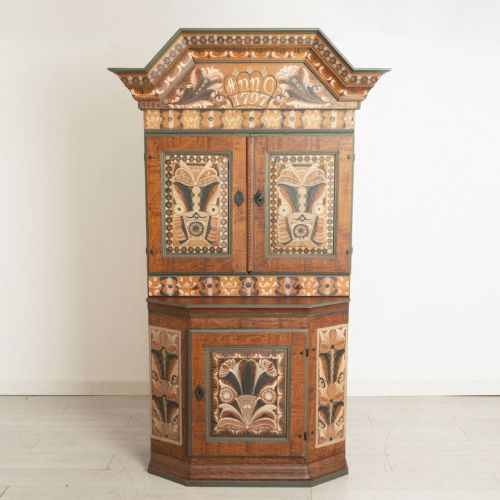
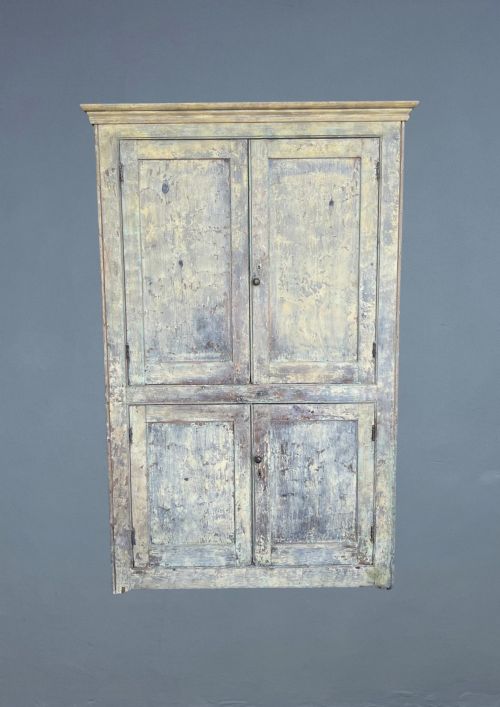
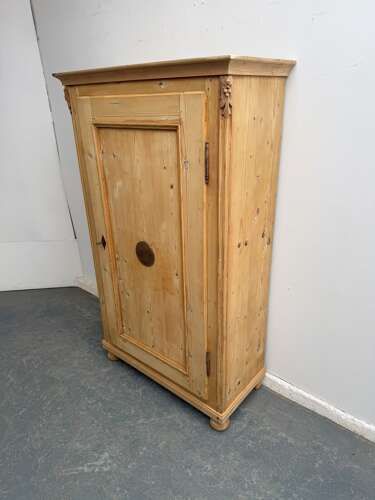
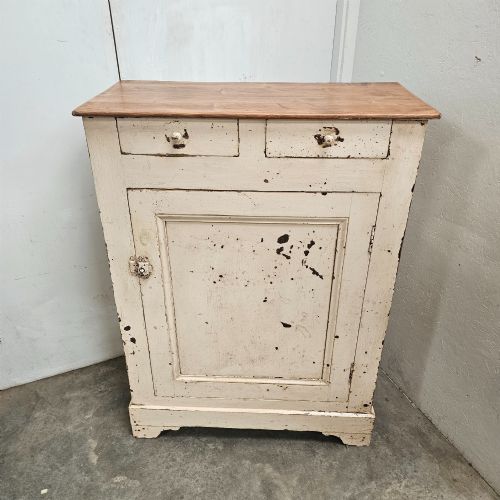
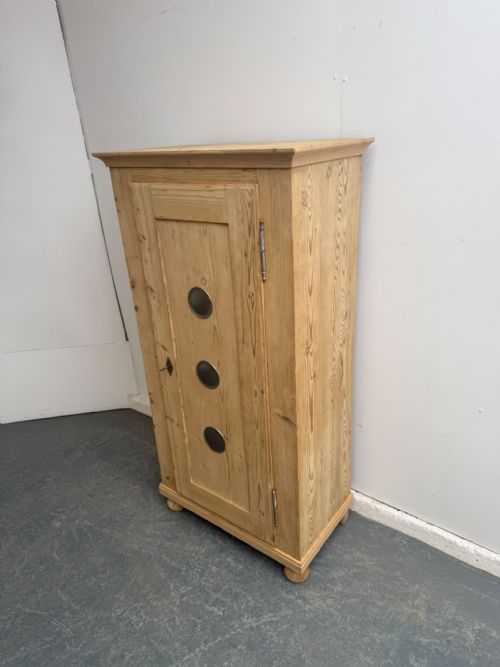
You are most likely to meet nineteenth century oil paintings alongside Victorian, Georgian, and Scandinavian country cupboards that relate to the storage and depiction of provisions. The grouping brings together canvas paintings of food with the very pantry cupboards and confituriers used to store actual provisions in historic kitchens.
Distinctions in quality
Quality in the oil paintings depends upon the handling of light, brushwork finesse, and the realism achieved in rendering textures like crusts, shells, and produce. Finer canvases show careful composition and depth, whereas simpler works remain more decorative or rudimentary.
For the painted cupboards and food storage forms, quality is determined by the preservation of original paint surfaces, structural integrity of the pine timber, and the subtlety of regional folk decoration or scumble effects.
Antique Food Painting Retail Price Guide 2026
Typical asking prices for food painting among the pieces listed under this phrase on Sellingantiques today, from the lower quarter to the upper quarter. They describe what is for sale here now, not the wider market.
Materials recorded across the selection include oil on canvas, pine, painted steel, brass, iron, and gold leaf.
William Henry Ward·Frans Snyders
The Antique Food Painting Glossary
- Oil on Canvas
- A painting medium where pigments are suspended in a drying oil, commonly applied to a primed canvas support. This method allowed artists to achieve rich colour depth and blending in still life compositions.
- Confiturier
- A small French storage cupboard traditionally utilised for preserving and storing confit and other foodstuffs. These pine pieces often feature single doors and painted finishes.
- Scumble Paint
- A painting technique involving the application of a thin, translucent layer of colour over a lighter opaque base to create textured, mottled surface effects. It appears on nineteenth century furniture to imitate more expensive woods or add rustic character.
- Larder Cupboard
- A tall storage cabinet designed for keeping perishable food items ventilated and secure before the advent of mechanical refrigeration. They frequently incorporate perforated metal or wooden vents.
- Folk Art
- Artistic work created within a traditional culture by self-trained makers, often utilising local materials like pine and traditional pigments. Pieces display regional decorative patterns rather than academic fine art conventions.
Antique Food Painting: Frequently Asked Questions
What subjects appear in these food paintings?
The canvases show lobsters, vegetables, baskets of food, larder interiors, and bakery items rendered in oil. Artists captured domestic provisions and market displays across the seventeenth, eighteenth, and nineteenth centuries.
Alongside the paintings, the category includes physical food cupboards, confituriers, and storage furniture made to house provisions in historic kitchens.
How do I date a painted food cupboard?
Dating relies on construction methods, timber type, and the characteristics of the paint surface. Eighteenth and nineteenth century pieces utilise solid pine with hand-cut joins and period hardware.
Original paint layers, scumble decoration, and regional folk art finishes provide further clues to the precise era of manufacture.
Where were these cupboards and paintings made?
The items originate from across Britain, France, and Scandinavia, reflecting distinct regional cabinet-making and painting traditions. French confituriers and Scandinavian folk-painted cupboards sit alongside English housekeeper cupboards.
European artists from various schools produced the oil paintings, capturing local culinary and market subjects.
How should I care for antique painted furniture?
Protect painted pine surfaces by keeping them out of direct sunlight and away from rapid humidity fluctuations. Dust gently with a dry cloth and avoid harsh chemical cleaners that can strip historic paint.
Wax finishes can be maintained periodically with appropriate natural furniture waxes to preserve the timber and paint layers.