
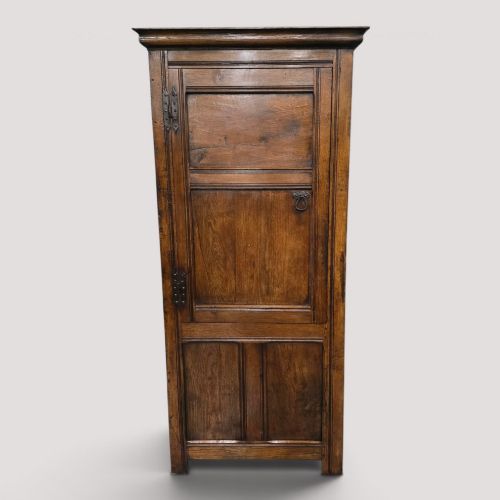
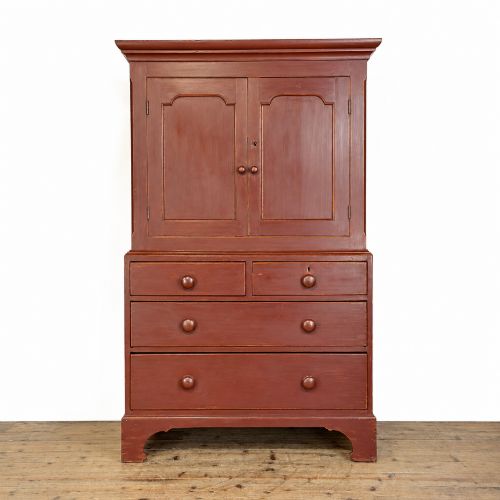
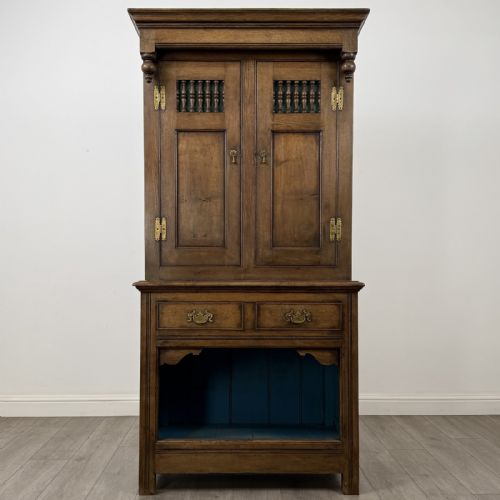
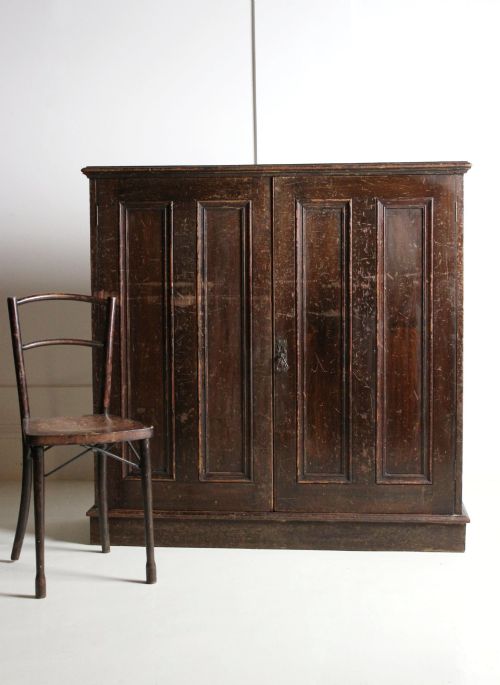
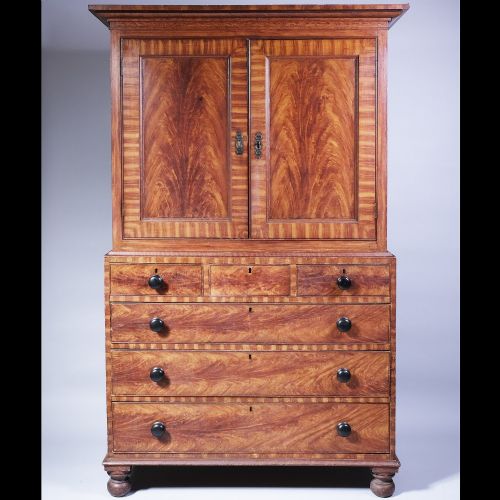
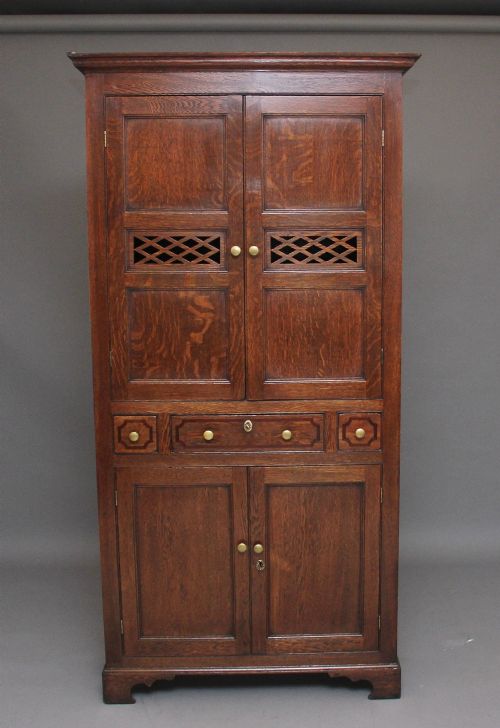
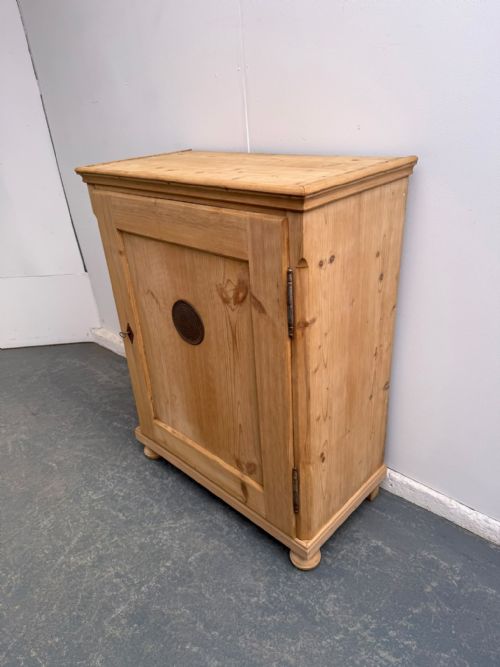
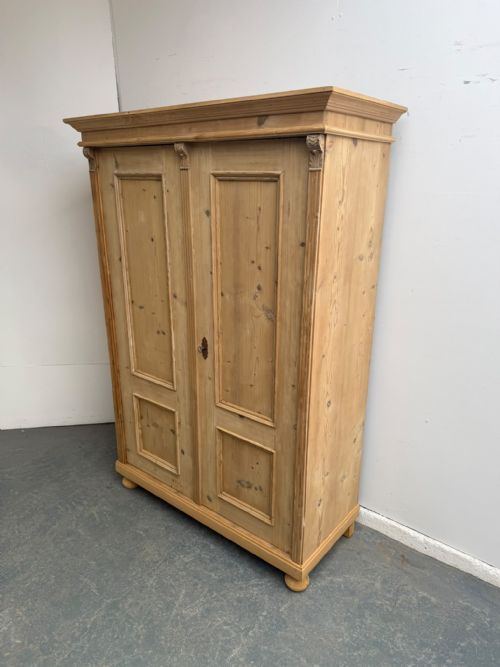
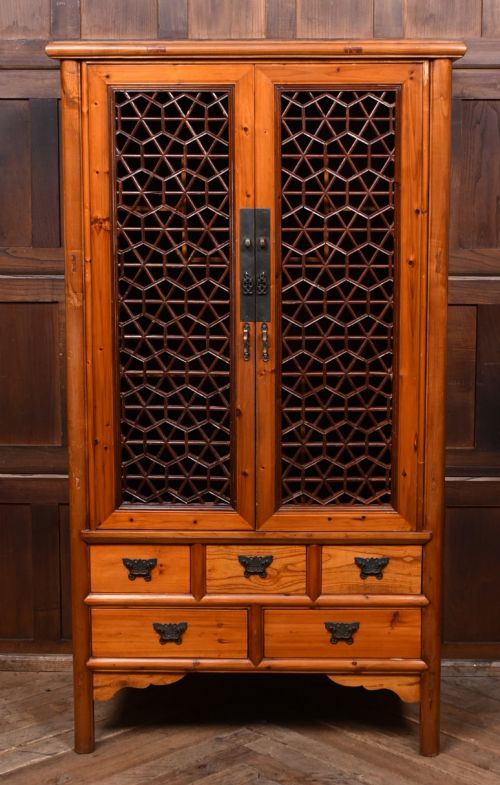
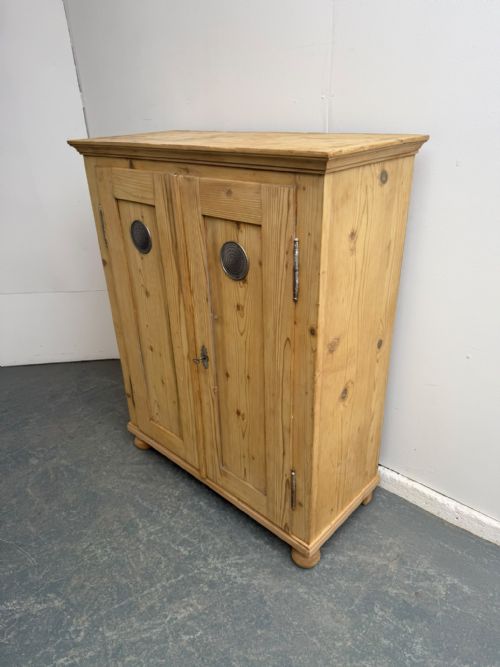
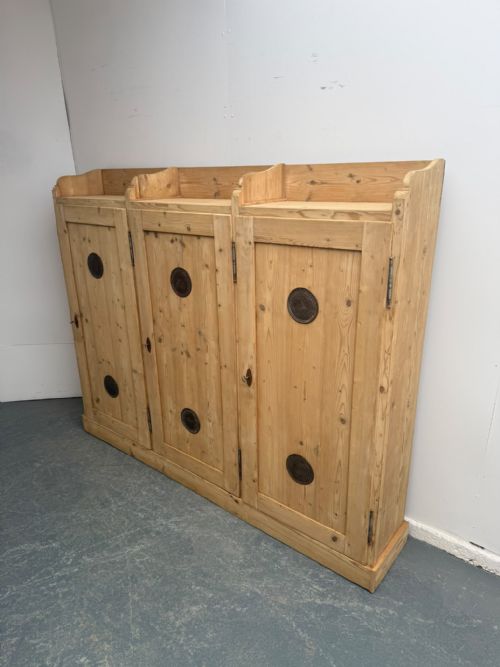
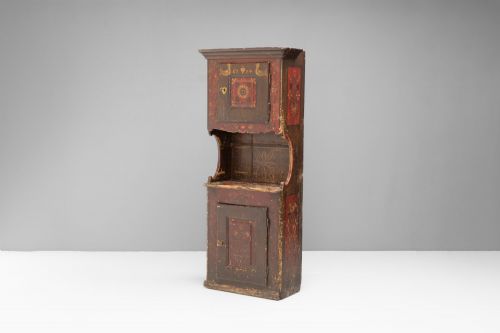
Antique Food Cupboard Pantry
An antique food cupboard pantry is a domestic storage essential offering rustic charm and deep historical character for modern interiors.
Antique Food Cupboard Pantry
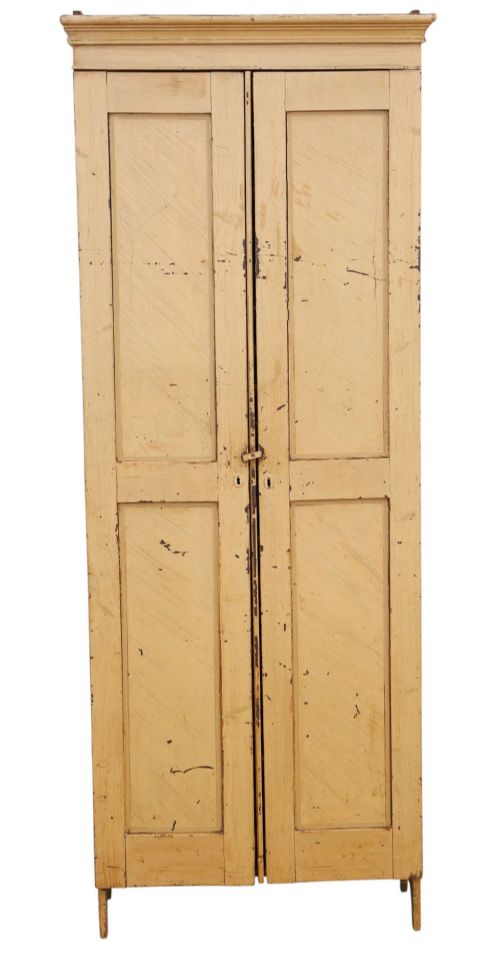
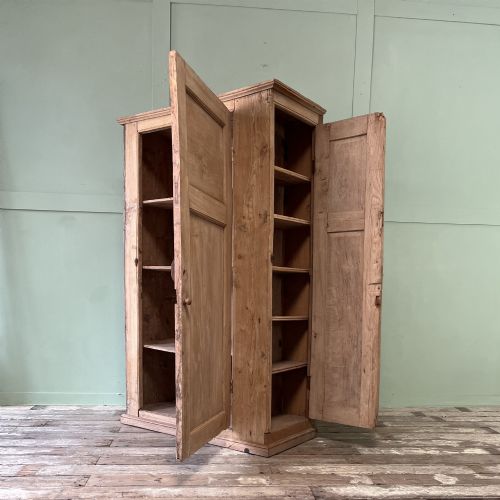
When you search for an antique food cupboard pantry, you are looking at utilitarian storage furniture originally designed to preserve provisions before modern refrigeration. These pieces span the eighteenth, nineteenth, and early twentieth centuries, reflecting the domestic habits of various regions.
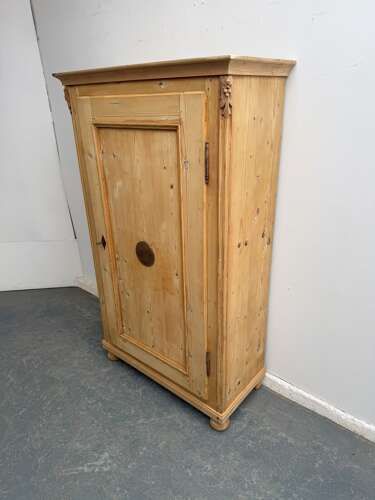
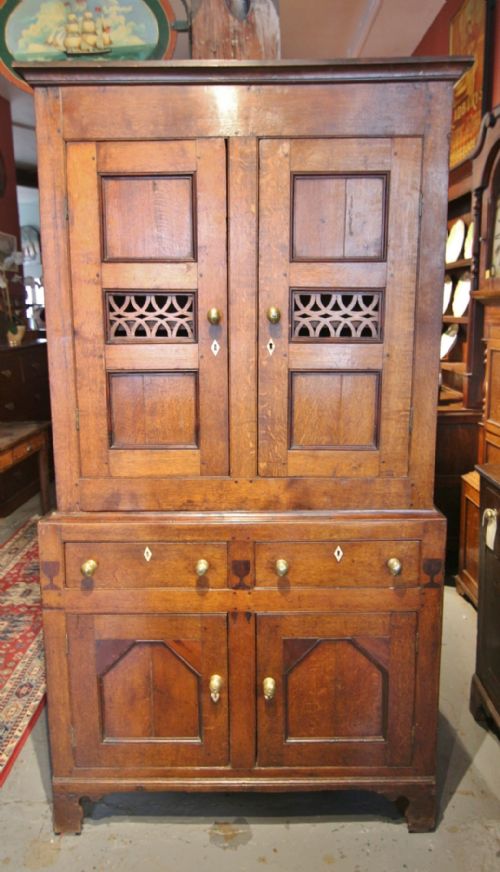
The versions you are most likely to meet on this page are pine examples from the Victorian period or the nineteenth century, often configured as tall kitchen storage or housekeeper's cupboards. Alongside these, regional forms such as Welsh bread and cheese cupboards and French provincial pieces appear regularly.
Makers built these items for function, ranging from single-door ventilated cupboards to large larder cabinets. Their forms reflect regional vernacular traditions across Britain, Scandinavia, and continental Europe.
How they were made
Carpenters constructed these cupboards primarily using solid timber such as pine, oak, and elm. Surfaces frequently display historic finishes including paint, scumble paint, stain, or plain waxed wood.
Hardware details typically involve iron and brass for hinges, latches, and handles. Ventilation panels and pierced timber were integrated into doors to maintain airflow around stored foodstuffs.
Regional styles represented include Welsh vernacular, French provincial, and Scandinavian country traditions.
What varies in quality
Proportion and scale distinguish finer examples from standard utility pieces. Taller housekeeper's cupboards and specialised forms like bread and cheese cupboards show thoughtful joinery that elevates them above basic storage boxes.
The Antique Food Cupboard Pantry Glossary
- Scumble paint
- A decorative surface technique involving translucent glazes dragged or brushed over a base coat to imitate finer grain. This finish was common in nineteenth-century country furniture.
- Housekeeper's cupboard
- A large storage cabinet traditionally used for linens, dry goods, and household provisions. These tall pieces often combined upper shelving with lower drawers or cupboards.
- Vernacular furniture
- Domestic pieces made by local craftsmen using regional styles and readily available local timbers rather than following metropolitan fashion. Oak, elm, and pine are typical materials.
- Vented cupboard
- A cabinet featuring pierced panels, mesh, or slatted doors designed to allow air circulation. This ventilation kept perishables fresh in domestic pantries.
Antique Food Cupboard Pantry: Frequently Asked Questions
What is an antique food cupboard pantry used for?
These cupboards originally stored provisions, dry goods, and household stores in domestic kitchens and pantries before the advent of refrigeration.
Today, buyers use them in modern kitchens and living spaces as statement storage furniture for crockery, dry goods, or linens.
How do I date an antique food cupboard?
Dating relies on examining the timber construction, tool marks, hardware, and overall style characteristics associated with periods like the Georgian and Victorian eras.
Regional variations and traditional joinery techniques also provide strong indicators of whether a piece originates from the eighteenth or nineteenth century.
What wood are these cupboards made from?
The majority of these pieces utilise solid pine, often found painted, stained, or prepared for waxing.
Earlier examples from the eighteenth century frequently employ oak and elm, reflecting local timber availability in regional workshops.
How should I care for a painted pine cupboard?
Maintain painted and waxed surfaces by dusting gently with a dry cloth and avoiding harsh chemical cleaners that can strip historic finishes.
Keep the timber away from direct heat sources and extreme humidity fluctuations to prevent wood movement and cracking.