


Antique Folk Art Pottery
Antique folk art pottery gathers domestic vessels and figures carrying the direct touch of regional makers from past centuries.
Antique Folk Art Pottery
Antique folk art pottery comprises utilitarian vessels and decorative objects created outside academic artistic traditions to serve everyday domestic life. These pieces reflect regional identities and local customs across Britain and continental Europe from the seventeenth century onward.
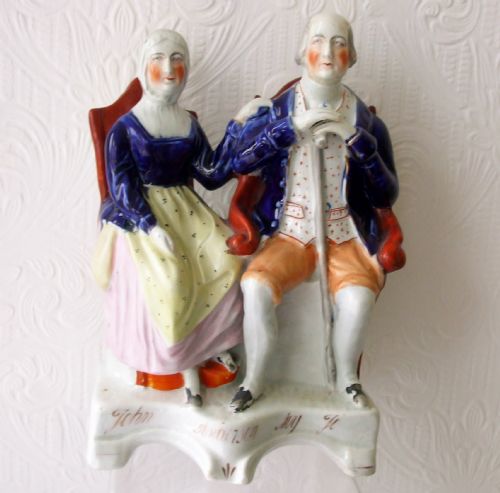
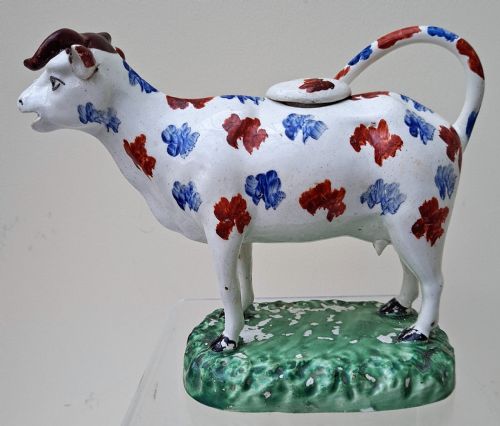
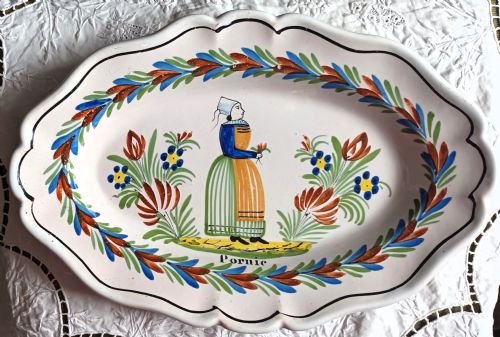
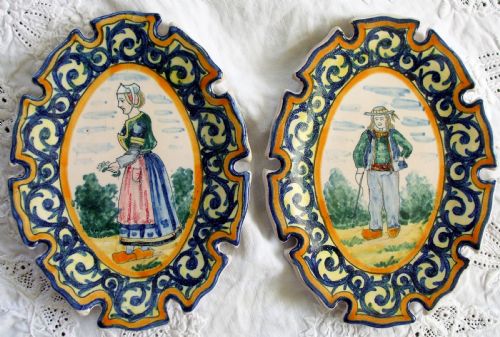
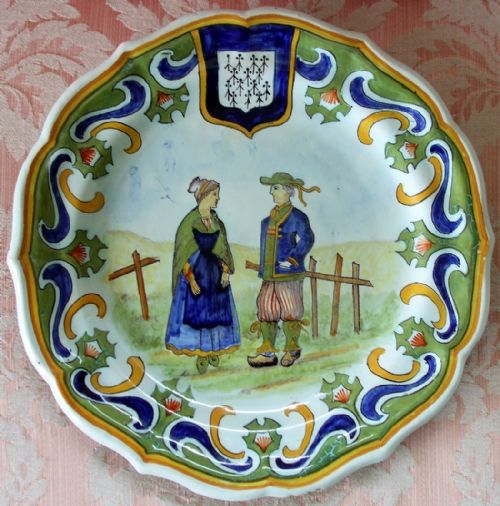
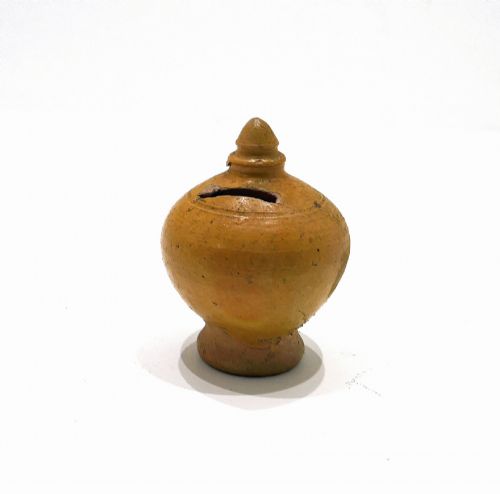
The selections encountered here range from sturdy earthenware dairy bowls and tavern jugs to Staffordshire portrait figures, French Quimper faience dishes, and whimsical animal sculptures. Common forms include teapots, money boxes, wall plaques, and figural creamers made for ordinary households rather than grand estates.
Makers drew on local clay beds and traditional potting techniques handed down through generations of regional potteries. Their output prioritises practical utility and straightforward charm over refined classical proportion.
Materials and Making Techniques
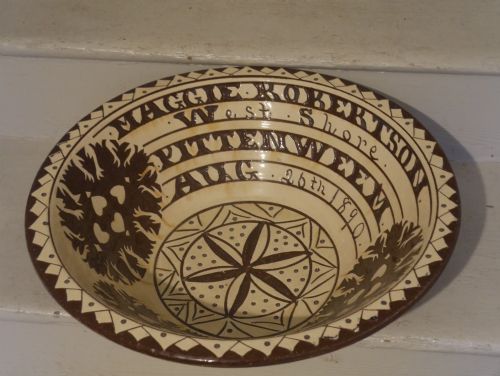
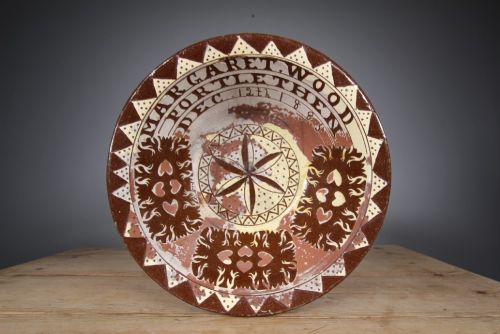
Potters relied primarily on local earthenwares and terracotta, shaped by hand or on simple wheels before receiving lead glazes or tin enamels. Slip decoration, involving liquid clay trailed over a contrasting body, created expressive patterns on seventeenth-century Dutch jugs and nineteenth-century slipware bowls.
Faience production in France involved coating porous earthenware bodies with an opaque white tin glaze that accepted hand-painted polychrome pigments directly onto the surface. Staffordshire and Scottish works utilised moulded earthenware finished with enamel paint, salt glaze, or pearlware finishes.
A pottery roof tile in Normandy found new life as a terracotta cat figure, proving that practical building materials make excellent feline companions.
Distinctions in Quality
Quality rests on the directness of the modelling and the confidence of the hand-painted or slip-trailed decoration. Stronger pieces display bold, unhesitating brushwork and deep, lustrous glazes that pool naturally in the recesses of the form.
Proportion and character separate exceptional sculptural figures from routine production. The best examples capture movement and personality in faces and animals with minimal strokes, whereas weaker pieces rely on stiff moulds and flat colour application.
Seaton Pottery·Quimper·Desvres·Verwood Pottery·Bavent·Portobello·Rozenburg
The Antique Folk Art Pottery Glossary
- Slipware
- Pottery decorated with slip, a liquid mixture of clay and water, applied through trailing or brushing before firing. This technique creates raised linear patterns common on seventeenth-century jugs and dairy bowls.
- Faience
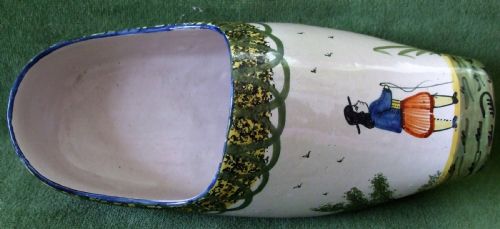
- Tin-glazed earthenware produced across France and Europe, featuring an opaque white surface painted with coloured enamels. It appears frequently in regional forms such as Quimper pin trays and sabots.
- Staffordshire
- Earthenware figures and vessels manufactured in the pottery districts of Staffordshire during the Georgian and Victorian eras. These range from flatback mantel ornaments to portrait figures and cow creamers.
- Pearlware
- A refined fine earthenware developed in Staffordshire featuring a bluish-tinted transparent glaze over a pale body. It gained popularity around the turn of the nineteenth century for figures and tableware.
- Bargeware
- Highly decorated brown-glazed teapots and jugs traditionally produced on English canals for narrowboat households. They often feature applied modelled flowers, swans, and moulded inscriptions.
Antique Folk Art Pottery: Frequently Asked Questions
How were cow creamers used?
Cow creamers served as utilitarian tabletop vessels where milk or cream was poured through an opening on the cow's back and dispensed via the animal's mouth.
Potters across Staffordshire and Wales shaped these whimsical pieces for domestic dining, combining humour with practical service.
What defines bargeware pottery?
Bargeware consists of heavy brown-glazed teapots and jugs adorned with intricate applied clay motifs like flowers, hearts, and anchors.
Canal boatmen commissioned these robust pieces, often personalising them with names and dates for family use.
How can you spot French faience?
French faience displays an opaque tin glaze over earthenware, painted by hand with floral or figural motifs in blues, yellows, and greens.
Workshops in Quimper and Desvres produced these distinctive dishes, sabots, and pin trays for regional markets.
What are Staffordshire flatback figures?
Staffordshire flatbacks are mantelpiece ornaments modelled in the front and left largely unpainted and flat at the back.
Victorian households displayed these theatrical figures, depicting royalty, highwaymen, and literary characters, against living room walls.