

Antique Folding Stand
When you seek an antique folding stand, you enter a domain of clever, space-saving designs spanning butler's trays, cake tiers, and book rests.
Antique Folding Stand
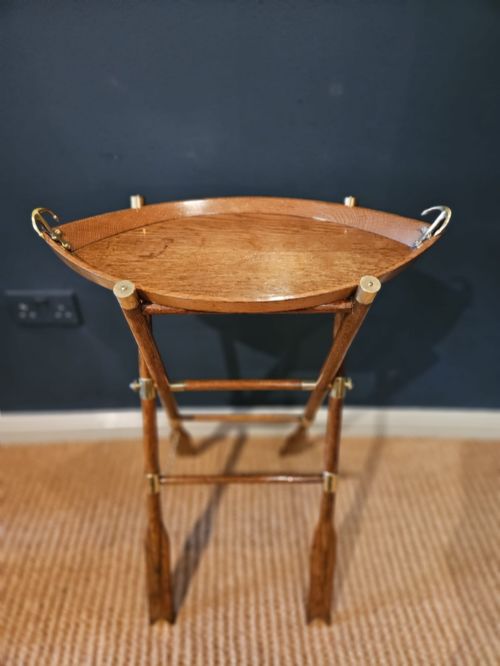
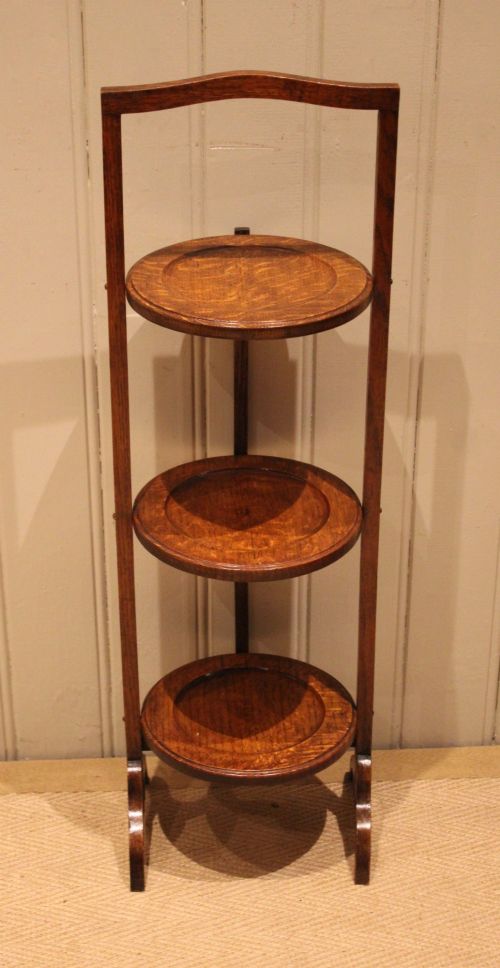
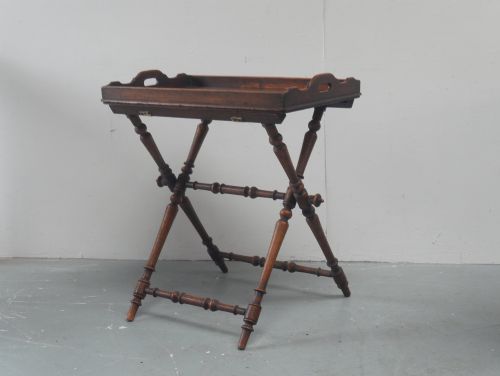
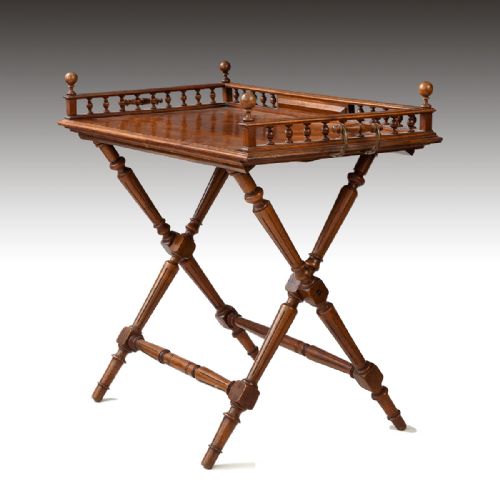
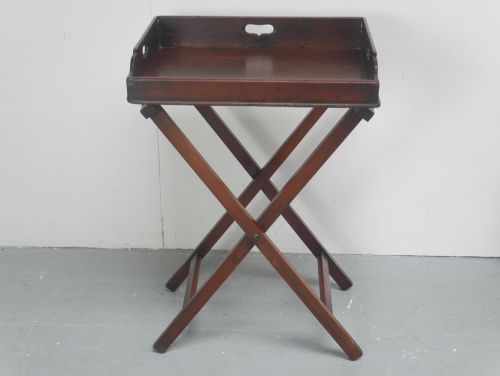
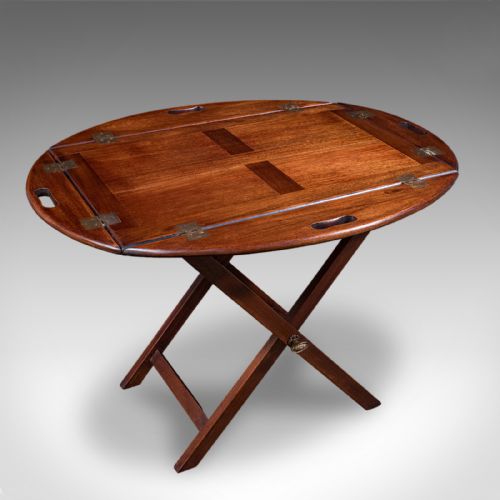
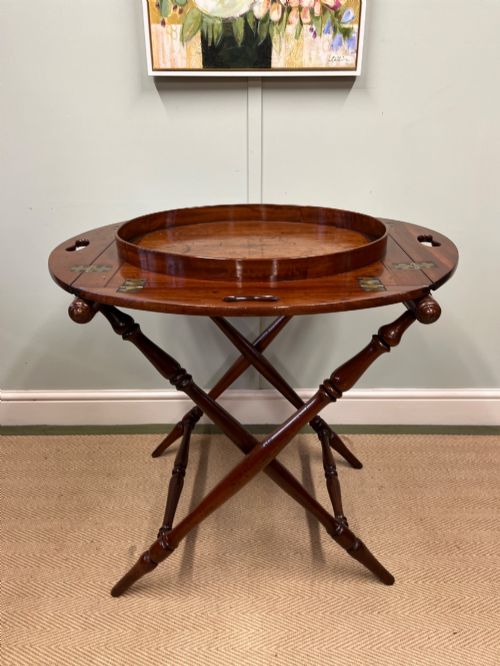
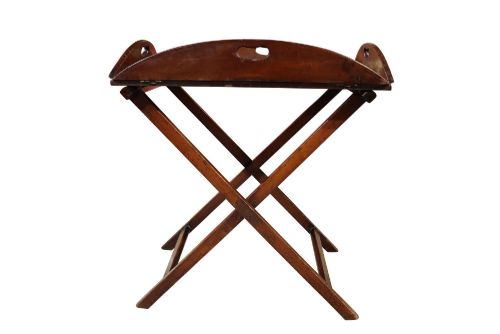
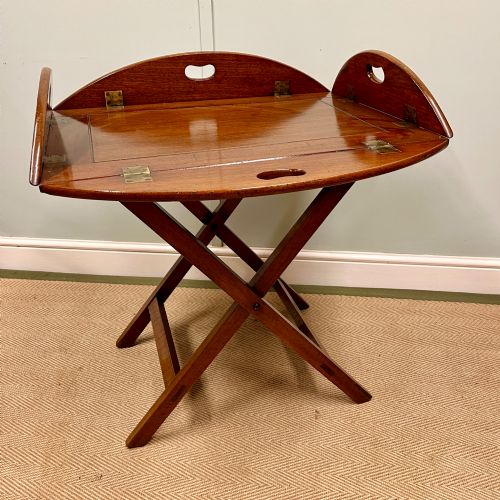
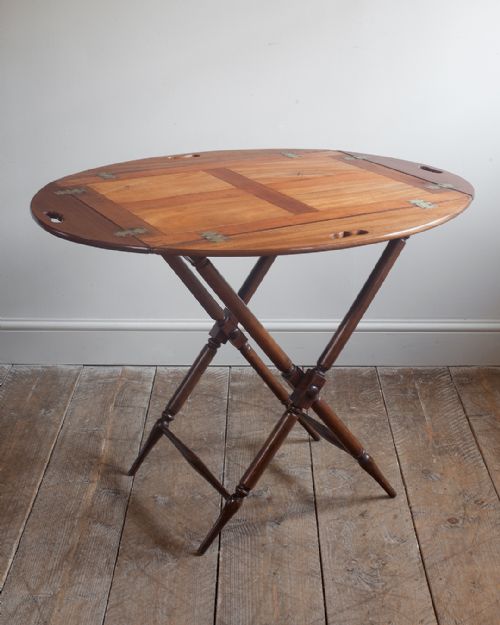
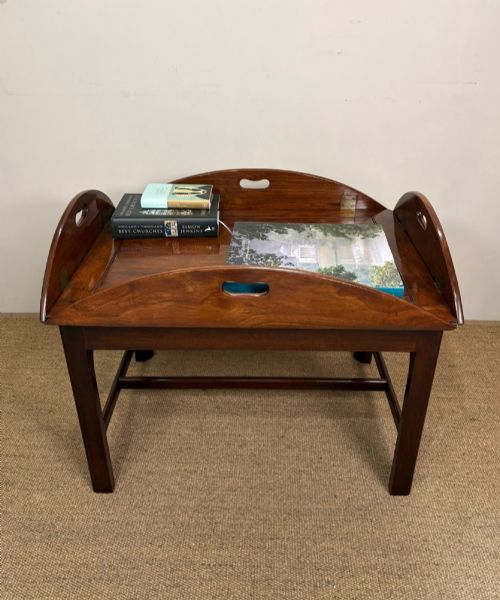
An antique folding stand encompasses a wide assortment of collapsible portable furniture designed for serving, reading, and display across multiple centuries. Buyers most frequently encounter multi-tiered cake stands from the Edwardian era, alongside sturdy mahogany and oak butler's trays resting on X-frame supports.
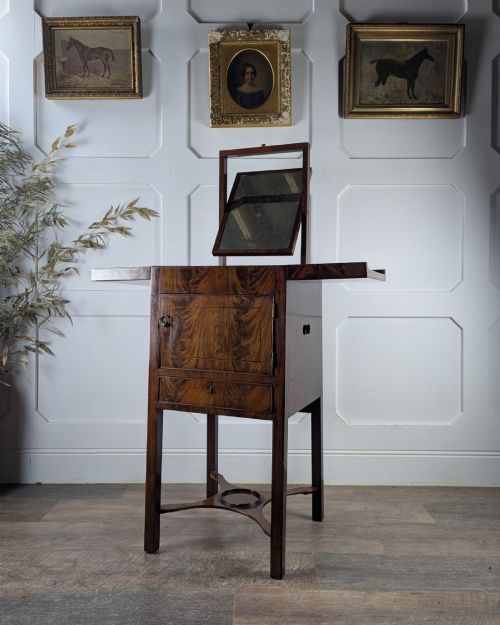
The selection also spans utilitarian washstands from the Georgian period, alongside travelling book slides and music rests from the Victorian decades. These pieces served domestic and campaign purposes alike, built to pack flat or fold away when not in active use.
How They Were Made
Cabinetmakers relied heavily on dense hardwoods such as mahogany, oak, and walnut, frequently selecting satinwood and rosewood for refined decorative surfaces. Brass hinges, pins, and mounts provided the necessary articulation for folding actions while adding structural resilience to mobile joints.
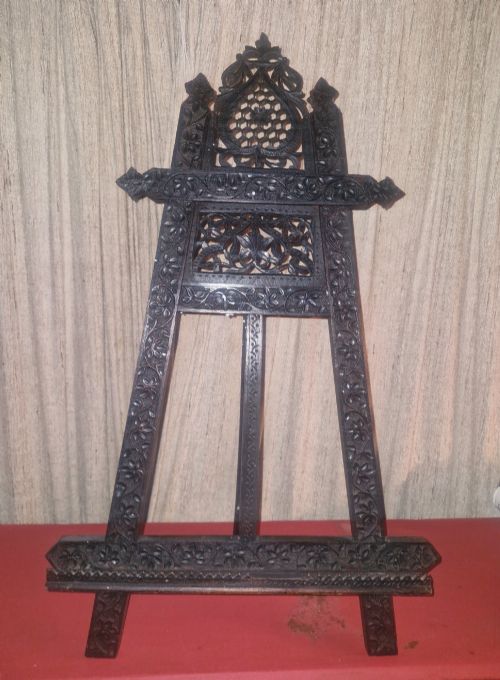
Inlaid details incorporated mother-of-pearl and contrasting timber veneers, particularly on late Victorian and Edwardian examples. Carved teak and brass trays reflect regional craftsmanship from Anglo-Indian workshops, joined by hand-turned wooden supports and clever pivoting brackets.
Among the folding items, a Black Forest ladies pocket watch stand offers a miniature resting place for winding timepieces.
What Varies In Quality
Superior examples demonstrate smooth, reliable articulation in their folding hinges and cross-frames without excessive play or loose joints. The choice of timber grain, whether figured mahogany or select walnut, dictates the visual prestige of the upper tray or tiers.
Execution of inlaid brass, carved foliage, and structural dovetailing separates standard utilitarian pieces from high-status drawing-room furnishings. Rigidity when fully extended remains vital, ensuring the stand supports weight securely despite its collapsible nature.
The Antique Folding Stand Glossary
- Butler's tray
- A removable rectangular or oval serving tray designed to drop onto a folding wooden X-frame stand. These versatile surfaces were standard in large country houses for transporting meals.
- Cake stand
- A tiered wooden framework, commonly featuring three pivoting levels, used in Edwardian parlours for afternoon tea service. They fold flat vertically for compact storage.
- Campaign style
- Portable furniture engineered for military officers or travellers, characterised by folding frames, brass corners, and knock-down construction. These items prioritize durability and ease of transit.
- Book slide
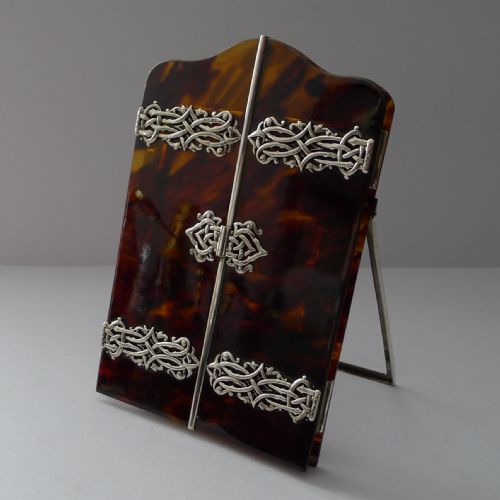
- An adjustable tabletop rack featuring expanding wooden ends, often fitted with silver or brass mounts to hold folios upright. They reflect Victorian and Edwardian study habits.
- Washstand
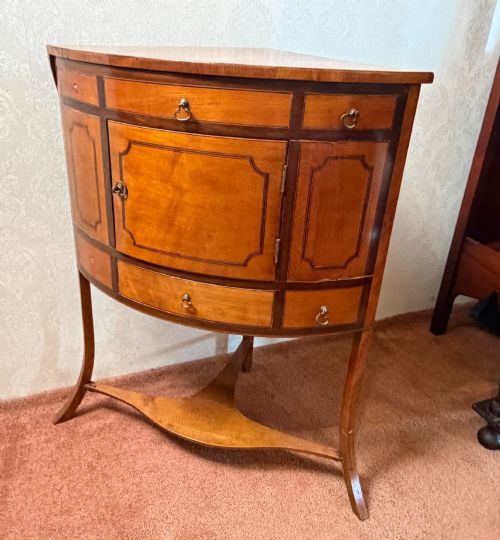
- A specialised piece featuring cut-outs for basins and jugs, sometimes configured with folding leaves and cabinet doors. Georgian and 18th-century versions often utilised satinwood or mahogany.
Antique Folding Stand: Frequently Asked Questions
What is an antique folding stand used for?
These versatile items served various domestic roles, from holding afternoon tea on multi-tiered cake stands to supporting heavy serving trays in dining rooms. Many were built as portable furniture for travel, reading, or washing.
Today, buyers utilise them as flexible occasional tables, plant stands, or compact display surfaces in smaller modern rooms.
How do I identify a Victorian folding stand?
Victorian examples frequently employ dense timbers like mahogany and walnut, often featuring robust turned supports and brass hardware. Look for practical military campaign configurations or elaborately carved book and music rests.
Makers of this era also incorporated mother-of-pearl inlay and ebonised finishes, pointing towards the decorative arts movements of the late 19th century.
Are Edwardian cake stands stable?
Edwardian three-tier cake stands are engineered with pivoting wooden arms that swing out to form a stable triangular footprint when fully opened. While designed to hold light plates of pastries and afternoon tea items, they require gentle handling.
Checking the central hinge pin and vertical shaft ensures the tiers remain level and secure during everyday use.
What is an Anglo-Indian folding stand?
Anglo-Indian folding stands are distinguished by exotic timbers such as teak and heavily carved surface decoration featuring regional motifs. They often incorporate inlaid brass wire and geometric patterns created by specialist artisans.
These pieces arrived in British homes via trade and colonial connections during the late 19th and early 20th centuries, offering an ornate alternative to domestic English styles.