
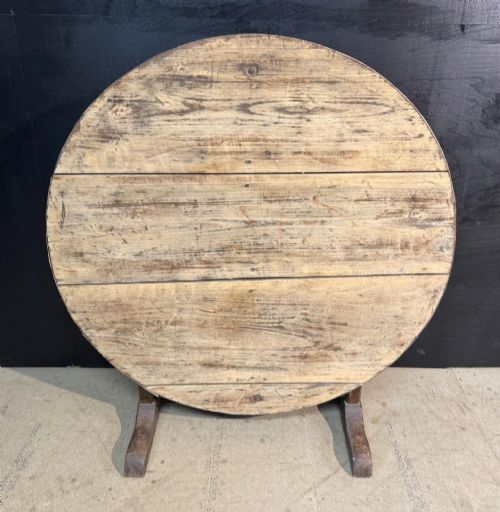
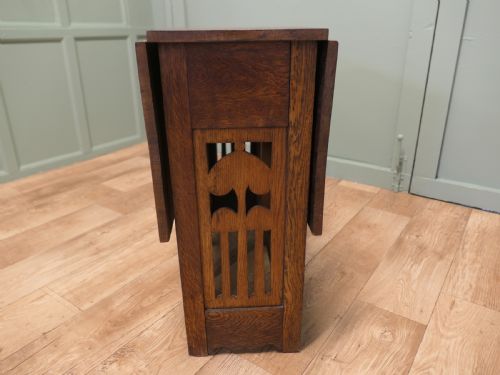
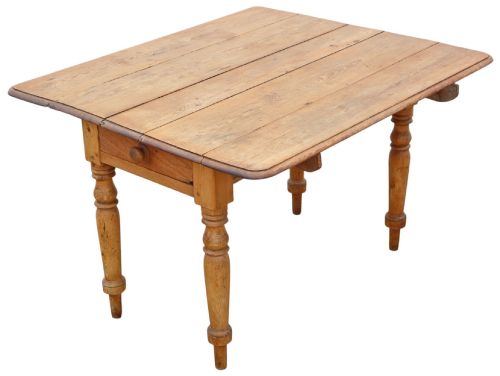
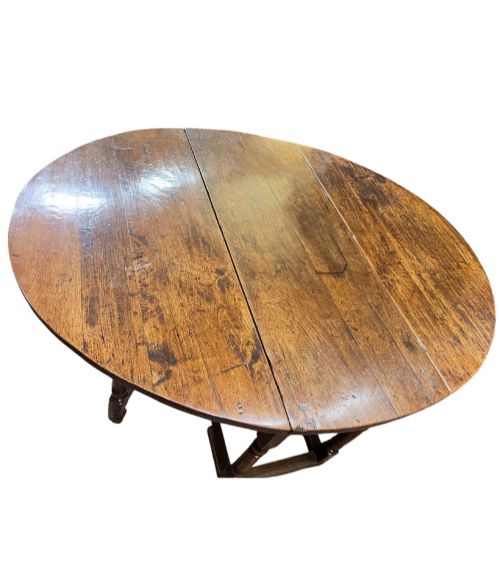
Antique Folded Dining Table
An antique folded dining table offers ingenious space-saving design, expanding smoothly from a compact footprint to seat a gathering.
Antique Folded Dining Table
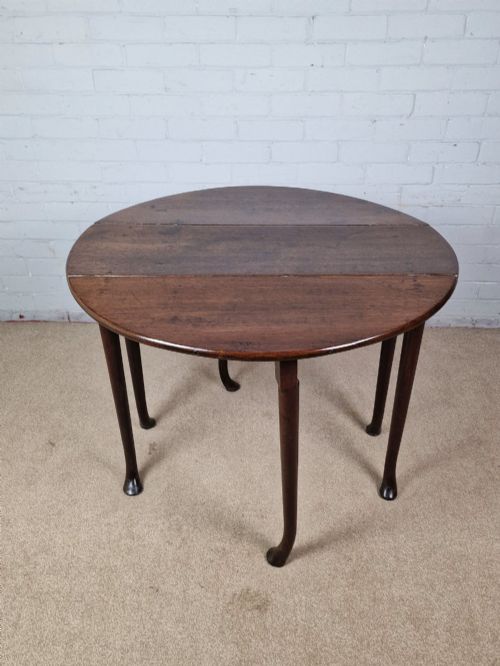
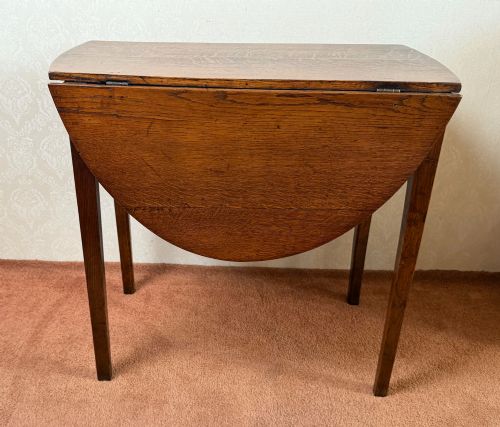
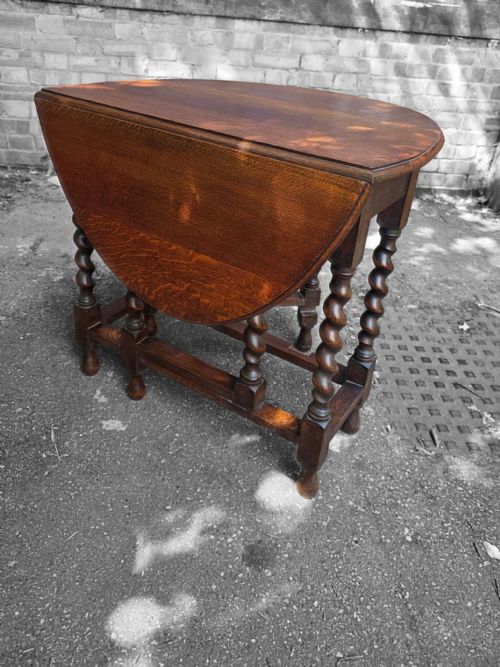
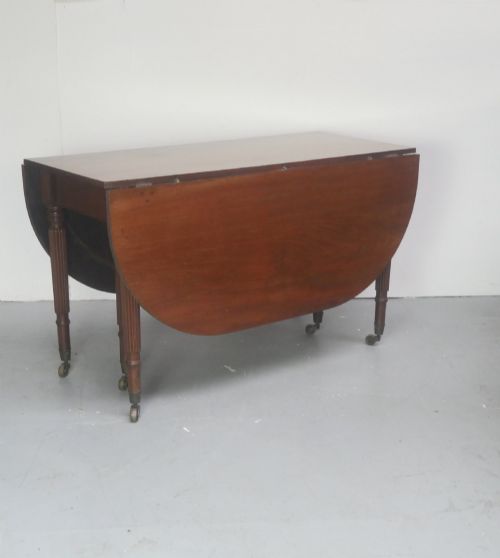
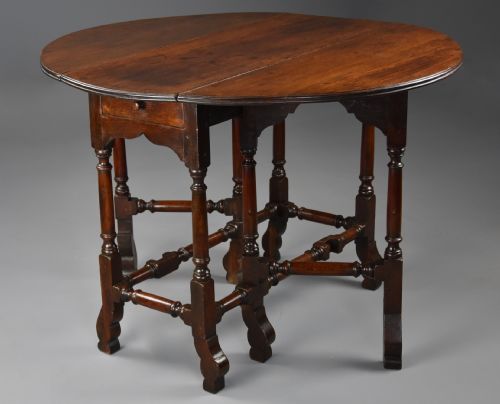
When you search for an antique folded dining table, you encounter practical surfaces engineered to adapt to changing room layouts through hinged leaves or folding actions. The selection relies heavily on traditional gateleg and drop-leaf configurations that date from the seventeenth century through the Edwardian period.
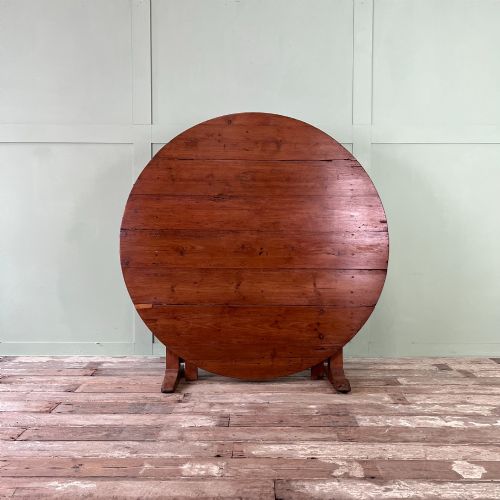
Oak and mahogany dominate the offerings, spanning regional English country workshops and continental European traditions such as French wine tasting tables and Swedish slagbord. These surfaces range from substantial six-leg dining pieces intended for large rooms down to smaller drop-leaf variations built for versatile domestic use.
Materials and Technique
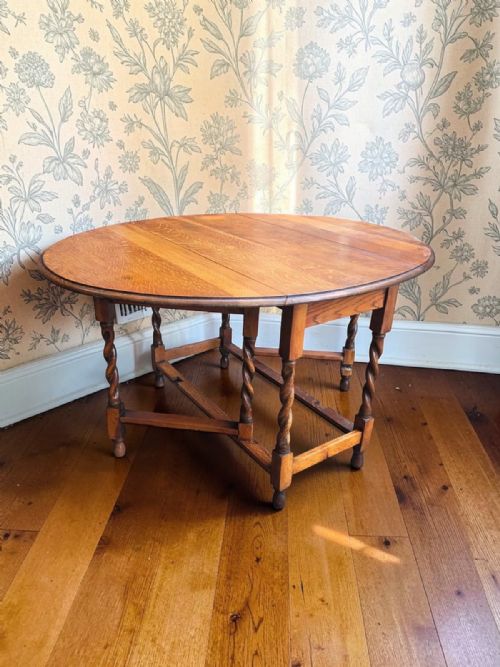
Cabinet makers utilised solid timbers including oak, walnut, mahogany, and pine, selecting planks with figured grain or smooth patination for the primary surfaces. Frames rely on sturdy joinery, incorporating turned baluster legs, barley twist supports, or delicate spider legs to hold the folding leaves.
Hinges and gate mechanisms allow the hinged flaps to swing outward securely, resting on pivoted legs that bear the weight of extended meals. Finish details encompass polished wood surfaces, inlaid walnut veneers, and occasional painted treatments suited to provincial contexts.
Early wine tasting tables arrived from French vineyards ready to fold up between harvests.
Evaluating Execution
The standard of an antique folded dining table depends upon the selection of timber and the stability of the folding mechanism under daily use. Superior examples display carefully matched grain patterns across the leaves and solid timber joints that maintain alignment when the table stands fully extended.
Proportion and patination distinguish finer workmanship, where turned legs and gate supports integrate harmoniously with the main frame rather than appearing heavy or mismatched. Original hardware and sound structural integrity demonstrate proper preservation over centuries of domestic service.
The Antique Folded Dining Table Glossary
- Gateleg table
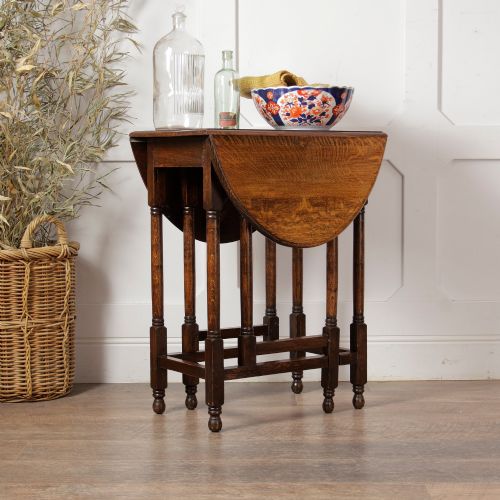
- A table with hinged leaves supported by one or more legs that swing outward like a gate. This construction provides robust support for drop leaves.
- Drop leaf table
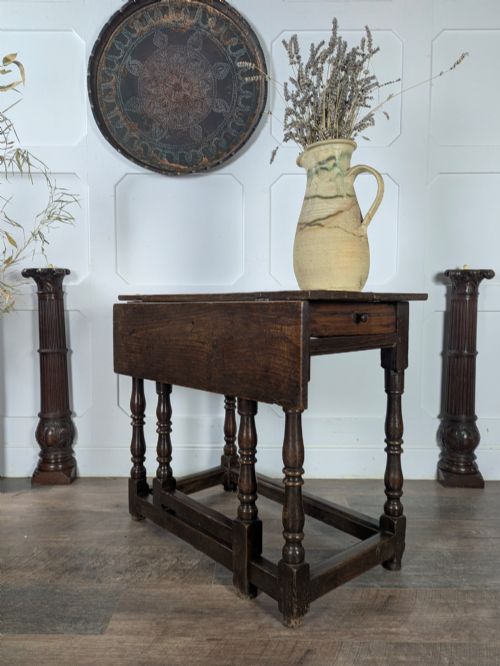
- A table featuring a fixed central section and movable flaps that lower when not in use. It allows the furniture to sit flat against a wall.
- Sutherland table
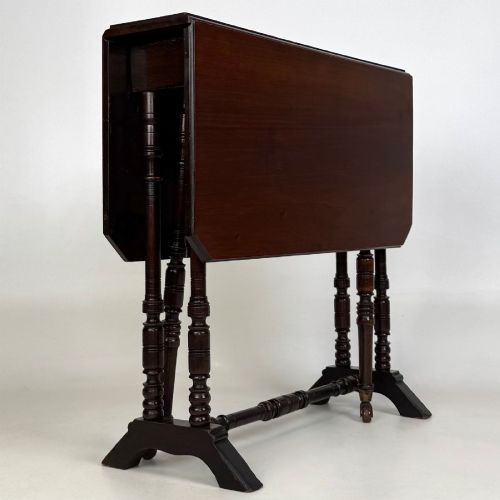
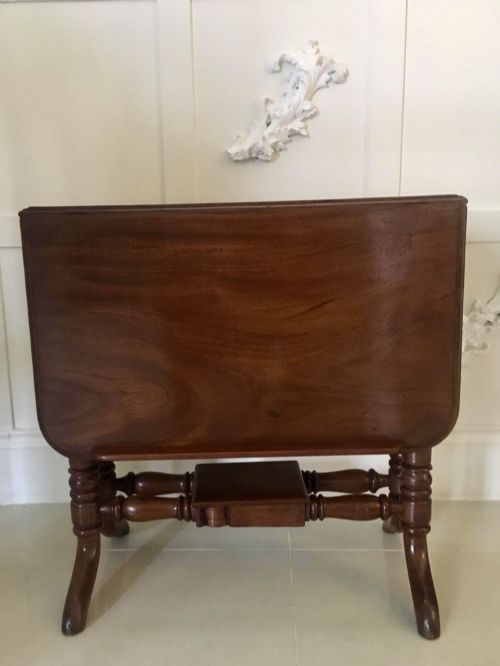
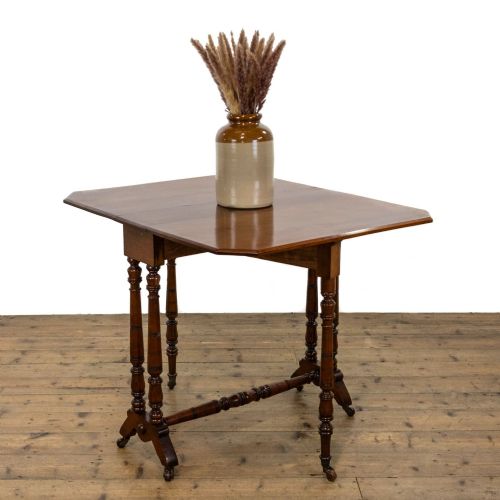
- A narrow drop-leaf table with exceptionally slender leaves and folding legs. The design originated in the Victorian era for flexible drawing room use.
- Patina
- The surface sheen and mellowing developed by wood over long periods of handling and age. It signals authentic historical use.
- Baluster leg
- A turned column leg shaped with a swell or bulbous profile. Craftspeople frequently carved these supports on seventeenth and eighteenth-century frames.
Antique Folded Dining Table: Frequently Asked Questions
How do gateleg tables support weight?
Gateleg tables utilise pivoting leg frames that swing outward from the centre base to hold up the drop leaves. This mechanical action transfers downward pressure safely to the floor.
When closed, the gate swings back inward, allowing the leaves to drop vertically and reducing the floor space occupied by the furniture.
What is a Sutherland table?
A Sutherland table is a compact drop-leaf design characterised by exceptionally narrow central leaves and very slender folding legs. Victorians favored them for occasional tea service and easy repositioning.
Because the leaves fold down almost flat, the table tucks neatly away against a wall when not in service.
How do I identify oak pieces?
Oak furniture displays prominent grain markings and distinctive ray flecks across the timber surface. The wood provides exceptional structural rigidity for heavy dining tables.
Early examples often feature pegged joinery and dark patination developed through centuries of exposure.
Can these tables seat many guests?
Large gateleg and wake tables expand significantly when both leaves are raised and supported by the swinging leg frames. Seventeenth and eighteenth-century versions often accommodated family dining in communal settings.
Smaller variants offer intimate seating while maintaining the flexibility to fold down for daily room clearance.