
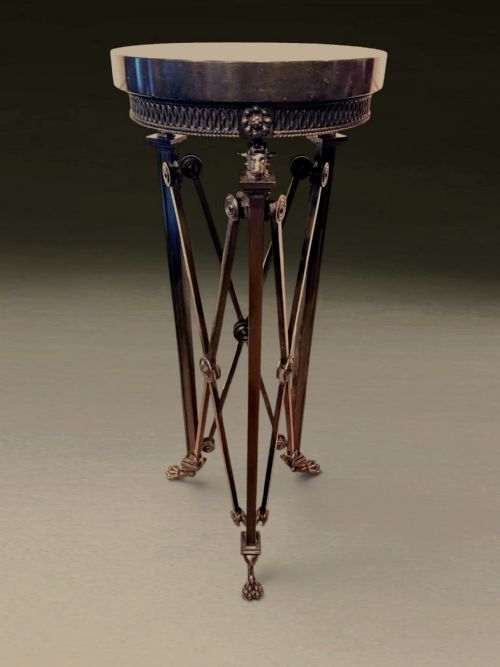
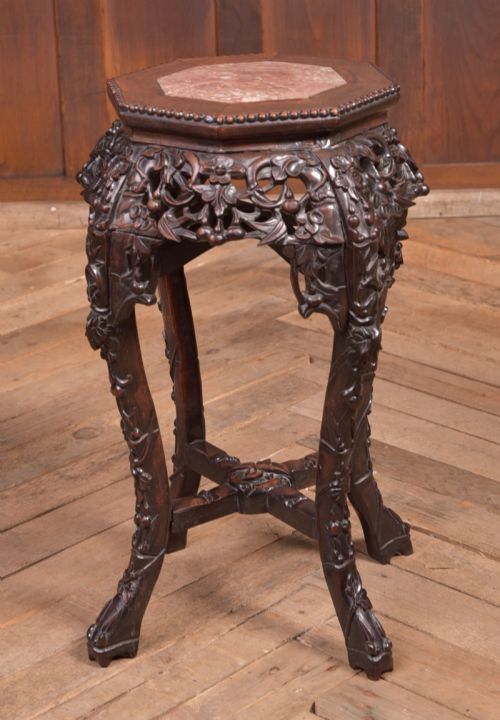
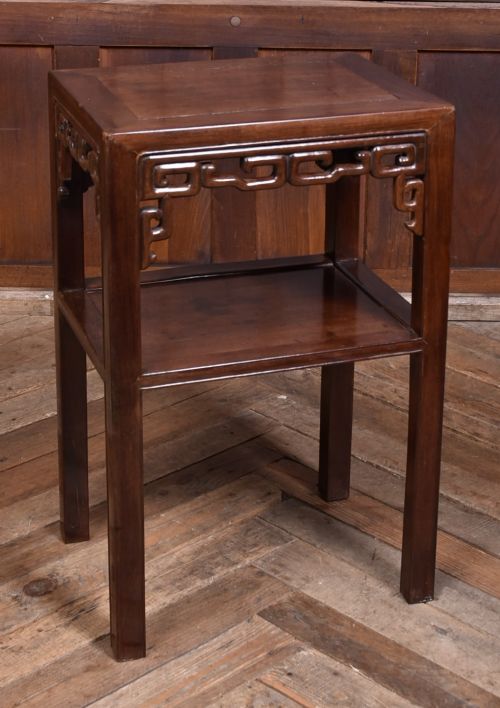
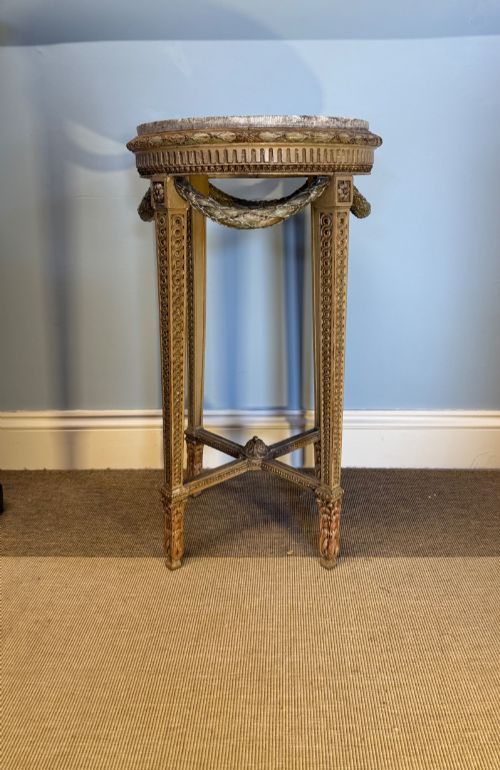
Antique Flower Pedestal
An antique flower pedestal raises a bloom or plant above the floor, bringing height and structure to a room.
Antique Flower Pedestal
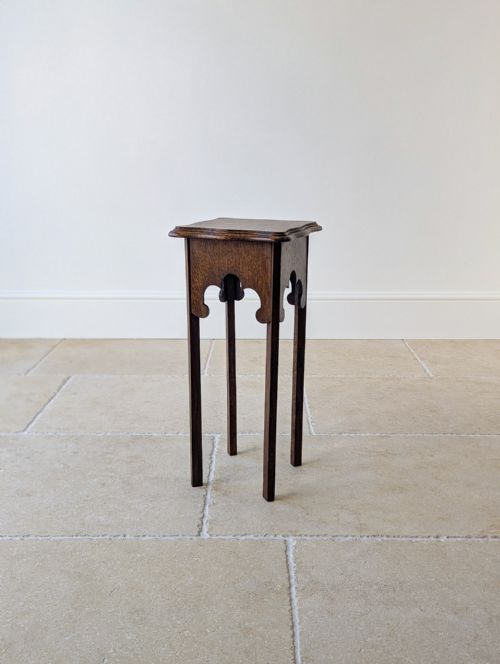
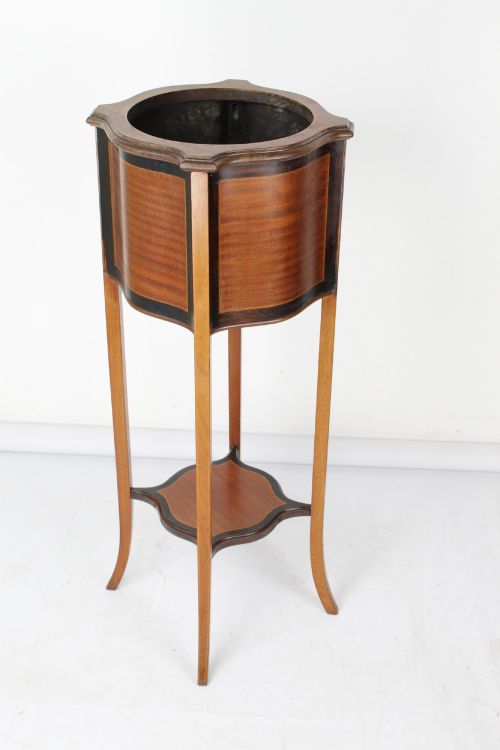
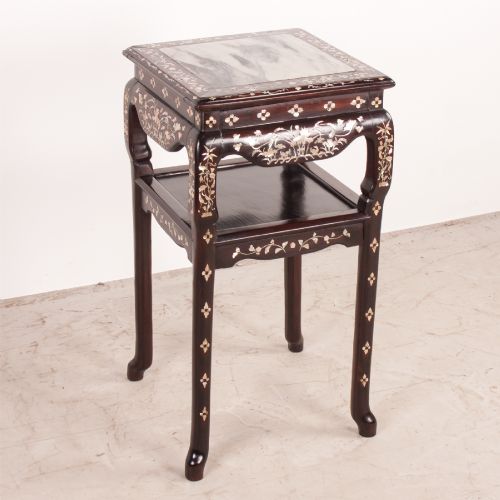
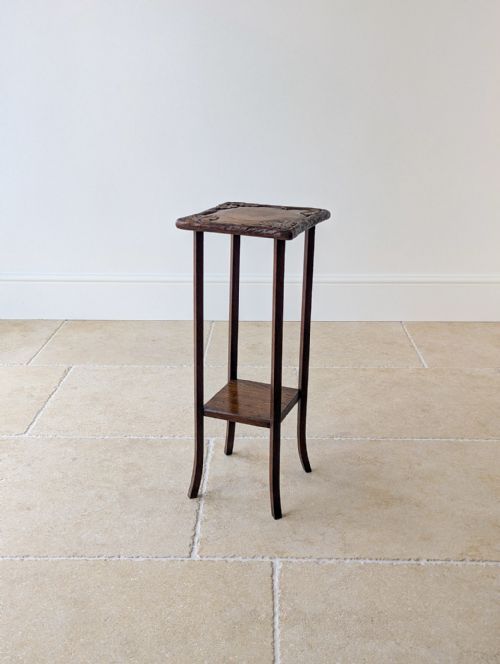
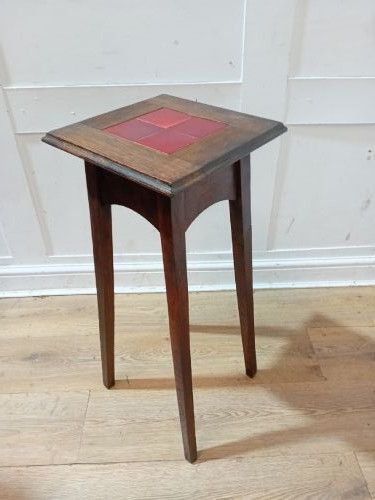
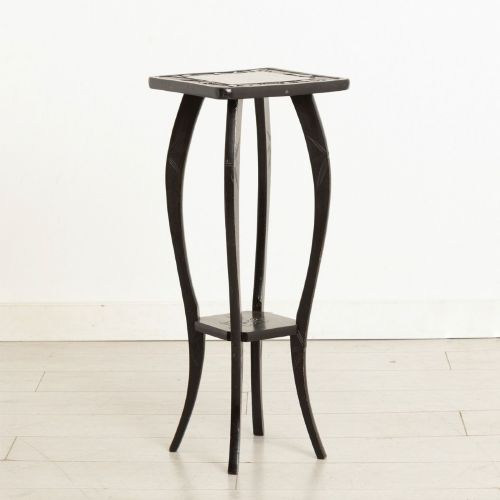
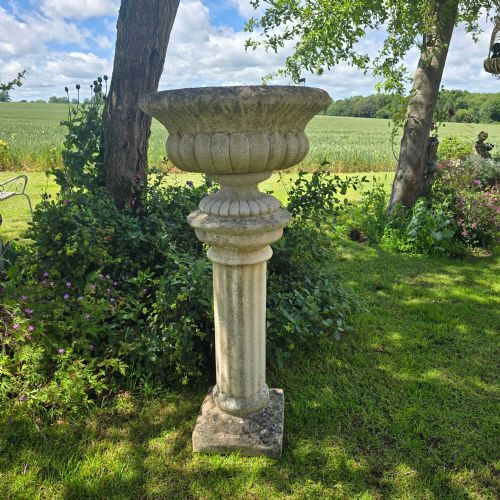
An antique flower pedestal encompasses plant stands, jardiniere stands, and occasional tables designed to hold greenery, urns, or vases. These pieces serve to elevate botanical displays within domestic and conservatory spaces.
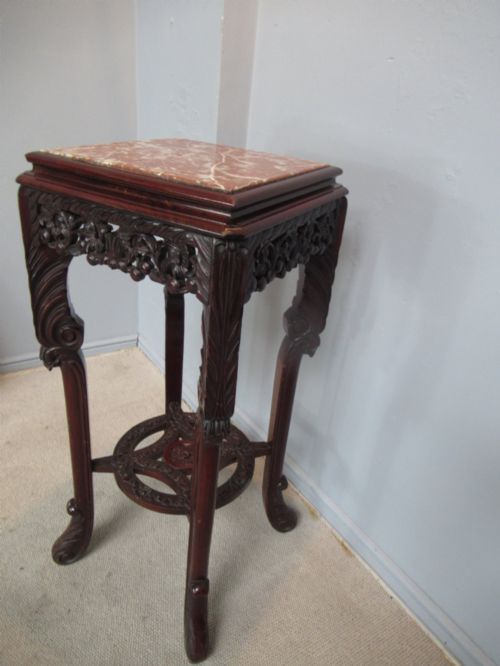
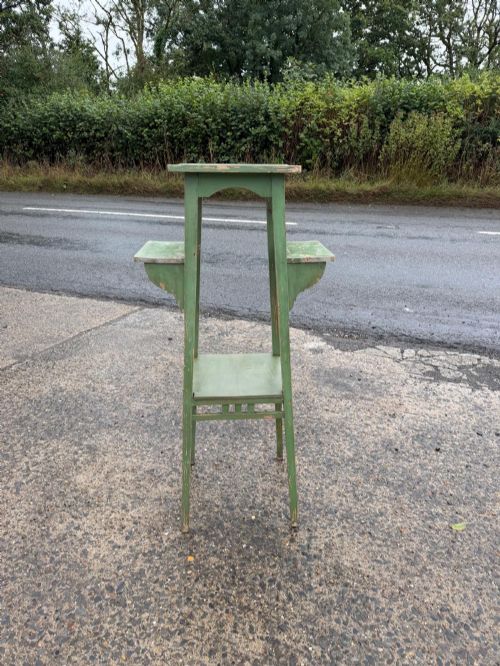
The versions most commonly met on this page span the Victorian, Edwardian, and nineteenth-century periods. They take the form of tall wooden columns, multi-tiered stands, and marble-topped tables intended for heavy pots.
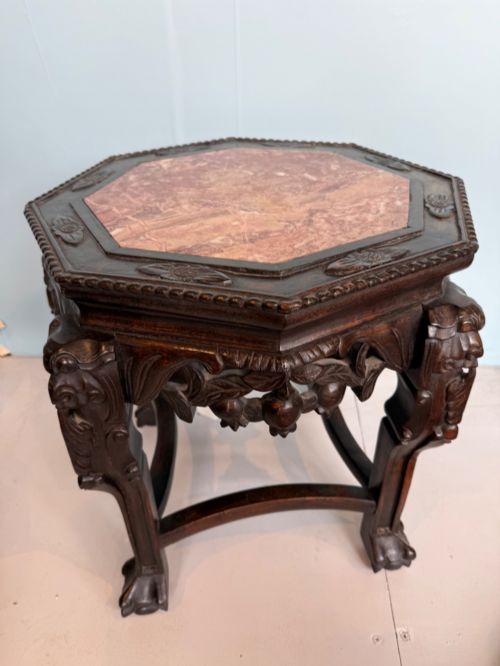
Makers and workshops from diverse origins contributed to this category, ranging from English oak designs to Chinese hardwood and Qing dynasty imports. Buyers select them to anchor floral arrangements or support decorative garden urns indoors.
How they were made
Carpenters and cabinetmakers utilised native and exotic timbers such as mahogany, oak, padouk, and rosewood for the structural frames. Many items incorporated carved details, barley twist legs, or mother of pearl inlay.
Insets of white or coloured marble provided durable surfaces capable of supporting damp terracotta pots and heavy stone garden urns without water damage. Brass, bronze, and wrought iron also appeared in mounts, stands, and jardiniere frames.
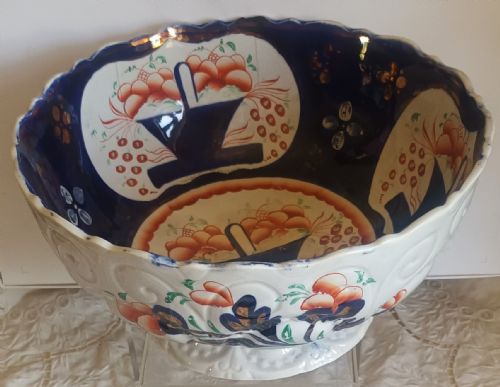
Porcelain and earthenware versions relied on moulded clay, applied floral motifs, and hand-painted glazes. Workshops in Germany and Asia contributed specialised ceramic bodies and carved stone tops.
A nineteenth-century still life canvas once recorded an antique pewter pedestal vase overflowing with summer roses, pansies, cornflowers, and honeysuckle.
What varies in quality
The depth and crispness of hand carving separate standard commercial items from superior examples. Finely articulated floral mouldings, pierced aprons, and precise joinery indicate skilled workshop production.
Materials dictate the calibre of the piece, particularly the density of the hardwood and the grade of the marble insert. Sound structural integrity in tall, narrow proportions ensures the stand supports heavy loads safely.
Original surfaces, such as untouched paint, patinated bronze, or polished mahogany, preserve the integrity of the object. Subsequent alterations or mismatched replacement tops diminish the historical coherence of the piece.
Liberty of London·Schierholz Plaue·C.G. Schierholz & Sohn
The Antique Flower Pedestal Glossary
- Jardiniere
- An ornamental pot or stand designed to hold a plant or flower arrangement. These containers frequently rest upon dedicated pedestals or low tables.
- Padouk
- A dense tropical hardwood valued for its deep red coloration and durability. Cabinetmakers utilised this timber for carved oriental plant stands.
- Marble top
- A polished stone slab fitted into the surface of a stand. This material resisted moisture from watering potted plants.
- Posy vase
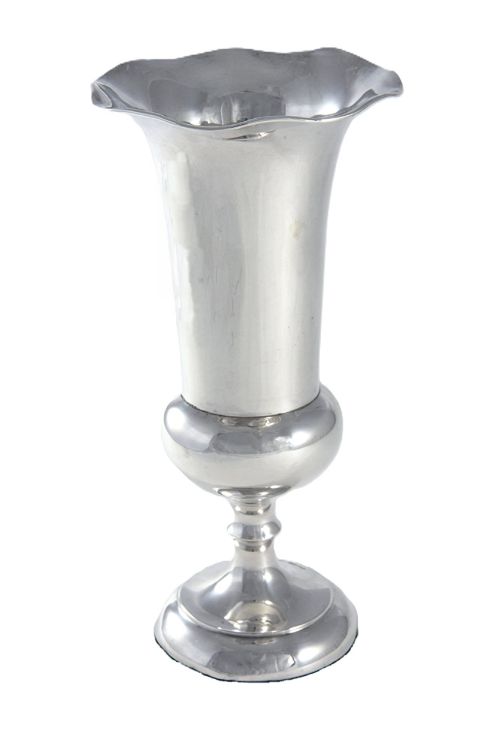
- A small vessel intended for a compact gathering of cut flowers. Examples appear in silver and glass from the Edwardian era.
- Two-tier
- A furniture configuration featuring a primary display surface above a secondary lower shelf. This layout provided additional stability and space in plant stands.
Antique Flower Pedestal: Frequently Asked Questions
What is a jardiniere stand?
A jardiniere stand is a raised piece of furniture built specifically to support a heavy plant container or flower bowl. These stands elevate greenery above floor level to improve visibility and light exposure.
They appear in various heights and materials, including oak, wrought iron, and carved hardwood. Their primary function was to protect interior floors while displaying indoor flora.
How do I choose the right height?
Selecting the correct height depends on the plant or urn you intend to place upon the top. Taller pedestals suit trailing plants, while shorter tables accommodate heavy ceramic bowls or large floral arrangements.
Consider the surrounding furniture scale to ensure the stand integrates harmoniously into the room. Stability remains essential when placing heavy marble or stone vessels at higher elevations.
Were these stands used indoors?
Many of these pieces served within nineteenth-century parlours, drawing rooms, and glazed conservatories. Marble-topped and metal designs handled damp soil and watering spills without rotting.
Sturdier iron and stone variations also functioned outdoors in sheltered garden spaces. Interior examples prioritized polished wood finishes and delicate decorative inlays.
How do I care for wooden stands?
Maintain wooden plant stands by applying appropriate wax polish to nourish the grain. Prevent standing water from sitting on the timber by using protective saucers beneath plant pots.
Keep them away from direct heat sources to avoid wood splitting or veneer lifting. Regular dusting preserves the original surface patina.