
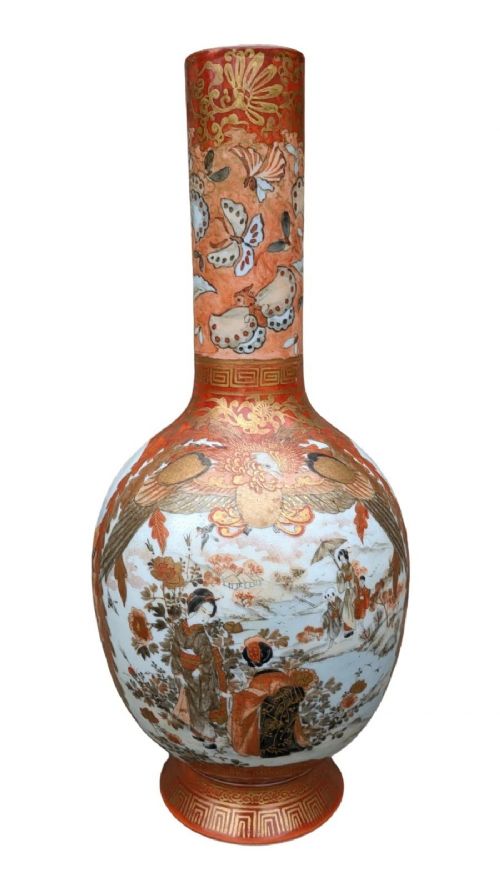


Antique Flower Display Vase
An antique flower display vase holds stems with poise, offering substance and historical craft for any room.
Antique Flower Display Vase
The term antique flower display vase brings together a diverse assortment of vessels designed specifically to showcase blooms, including traditional vases, epergnes, centrepieces, and associated stands.
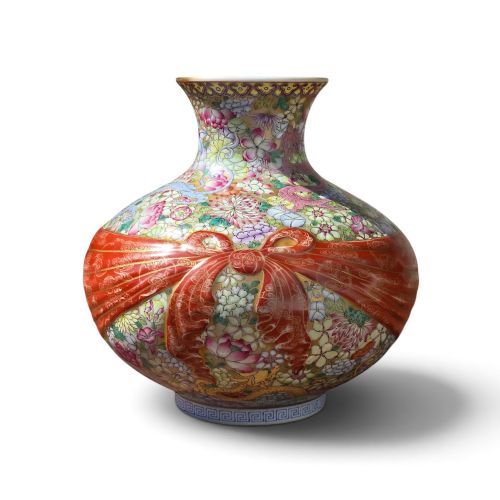
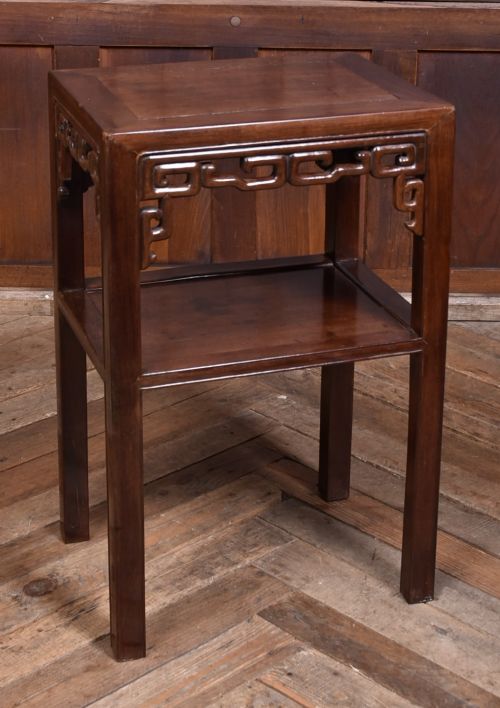
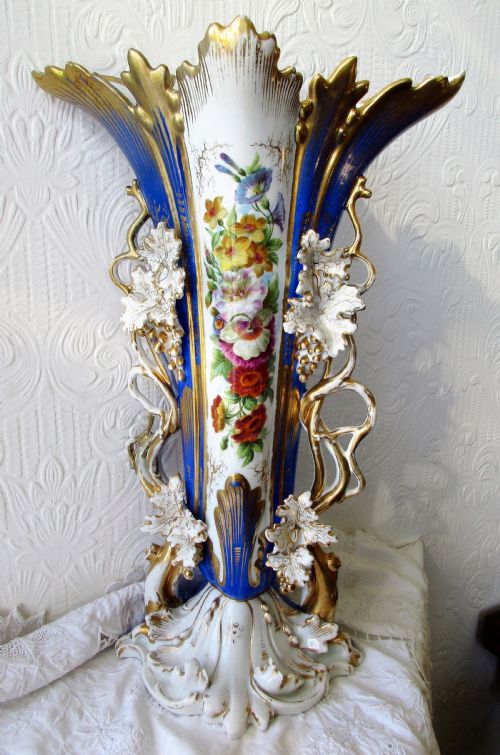
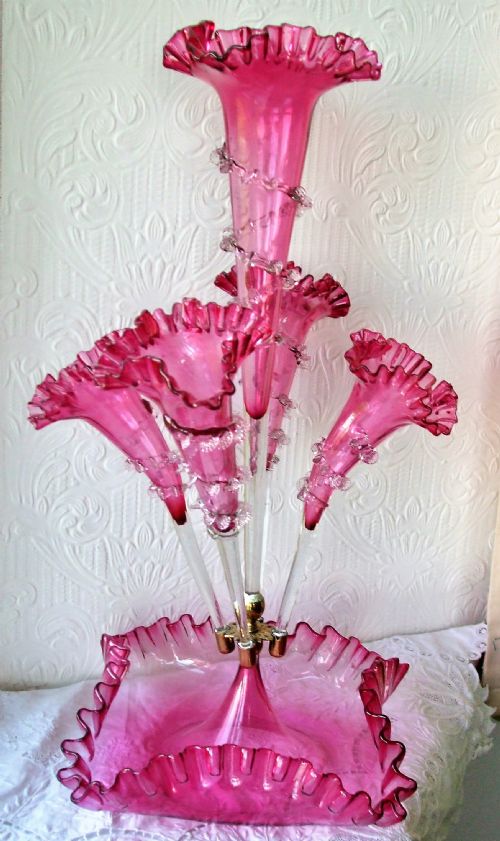
Buyers encountering this group will find pieces ranging from Victorian cranberry glass epergnes and English porcelain to carved hardwood plant stands and detailed Chinese export ceramics.
Origins span widely across English, French, Japanese, and Chinese workshops, covering periods from the nineteenth century through the art deco era.
Materials and construction methods
Maker techniques rely heavily on the shaping of porcelain, crystal glass, bronze, and hardwood, often finished with hand painting, enamel work, or gold leaf.
Glass pieces utilise blowing and etching methods to achieve cranberry or opalescent effects, while wooden stands showcase intricate carving and lacquer work.
Listings feature items spanning the nineteenth century through the nineteen-thirties, incorporating materials such as porcelain, marble, bronze, and cranberry glass.
Judging quality in display vessels
Quality rests upon the precision of the hand-painted details, the clarity of the crystal or glass, and the depth of carving in wooden stands.
Superior examples demonstrate refined control over materials such as enamel, gilt bronze, and porcelain, reflecting the distinct standards of their period of origin.
St Louis glassworks·R Lalique·Charlotte Rhead·Royal Worcester·Kinkozan Satsuma
The Antique Flower Display Vase Glossary
- Epergne
- A centrepiece dish featuring multiple branching holders or trumpets designed for displaying flowers, fruit, or sweetmeats. These multi-part glass items are frequently seen in Victorian settings.
- Jardiniere
- A large ornamental pot or stand typically used to house live plants or floral displays. They appear in ceramic, metal, and carved hardwood.
- Millefleurs
- A pattern style translating to a thousand flowers, densely covering the surface of ceramics. This decorative scheme appears on fine Chinese export pieces.
- Cranberry glass
- A rich red-pink glass created by adding gold chloride to the molten batch. It is characteristic of nineteenth-century decorative tableware and epergnes.
Antique Flower Display Vase: Frequently Asked Questions
How do I use an epergne?
An epergne serves as a dramatic table centrepiece, with its central trumpet and hanging baskets filled with cut flowers or fruit.
Position it where guests can appreciate the arrangement from multiple angles, ensuring the delicate glass trumpets remain clear of heavy contact.
Where should I place a plant stand?
Carved hardwood plant stands elevate vases or potted greenery to eye level, creating focal points in reception rooms or hallways.
Ensure the weight of the display vessel matches the stability and proportions of the wooden base.
How are different glass types identified?
Victorian cranberry glass displays a distinctive pinkish-red tone achieved through gold-based colouring techniques, while later art deco pieces often utilise opalescent or etched crystal.
Examining the weight, surface texture, and decorative enamel details helps distinguish between production periods.
What defines Chinese export ceramics?
Chinese export ceramics encompass pieces made in China specifically for Western markets, often featuring detailed hand-painted scenes, millefleurs patterns, or ribbon-wrapped motifs.
These items span various dynasties and periods, reflecting a blend of traditional eastern forms and international tastes.