

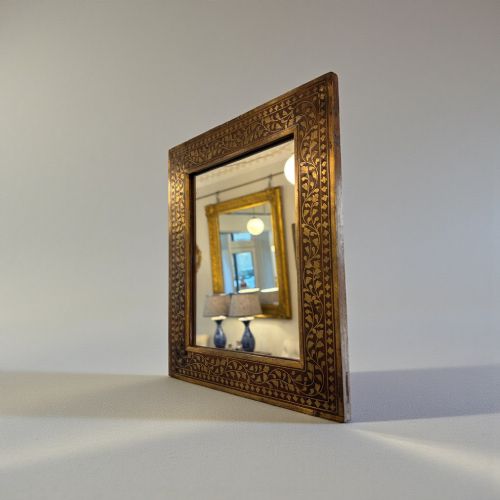
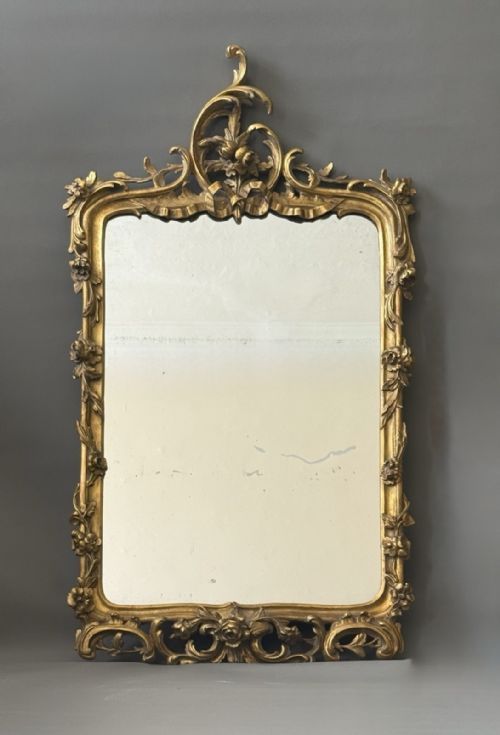
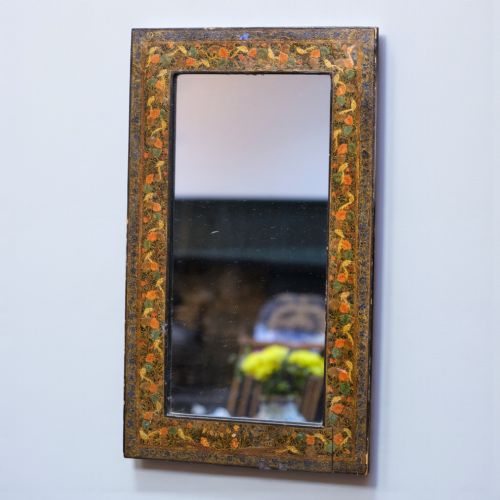
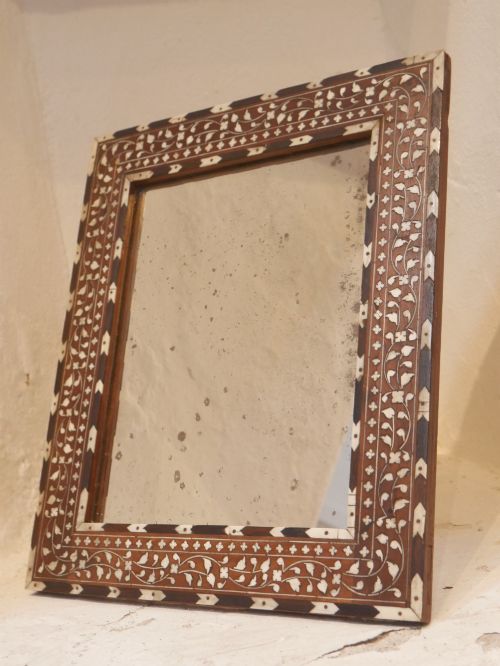
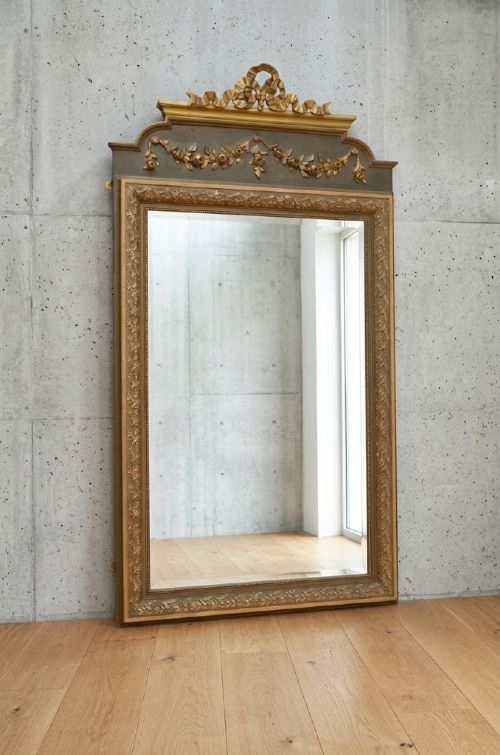
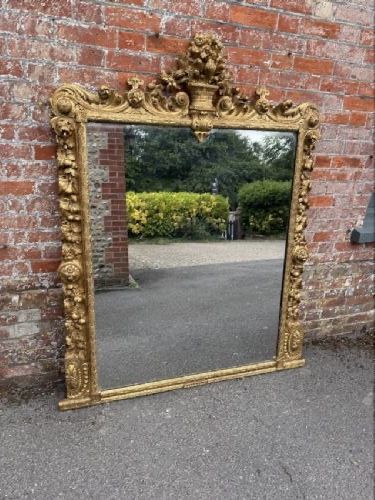
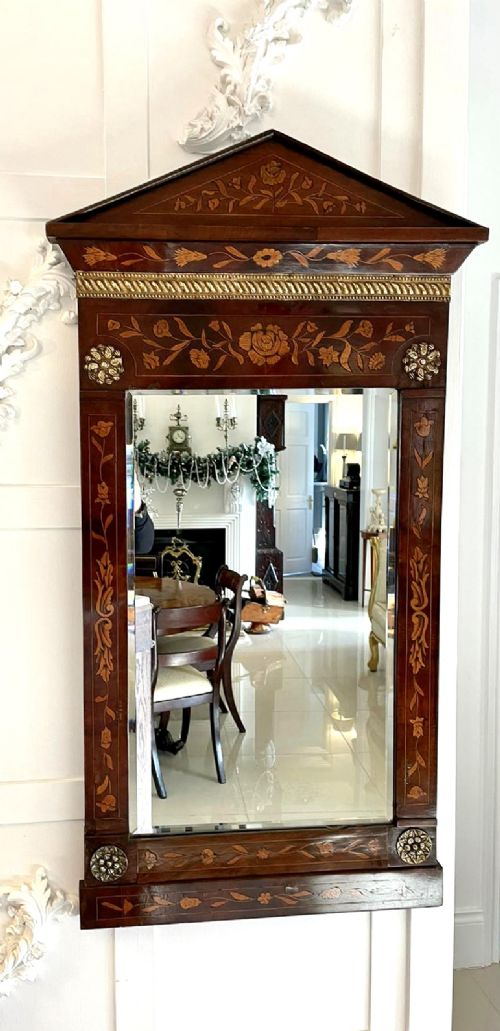
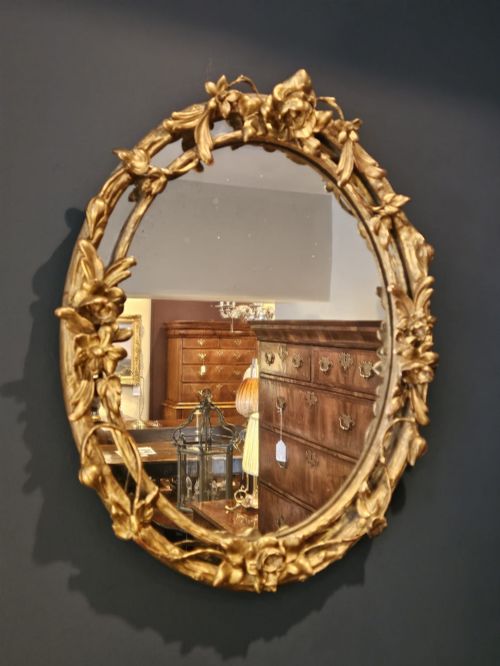
Antique Floral Wall Mirror
An antique floral wall mirror brings organic grace into a room through carved petals, painted blooms and botanical frames.
Antique Floral Wall Mirror
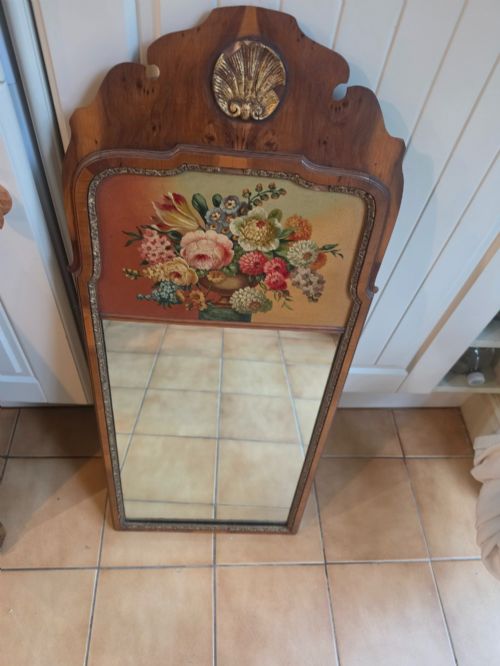
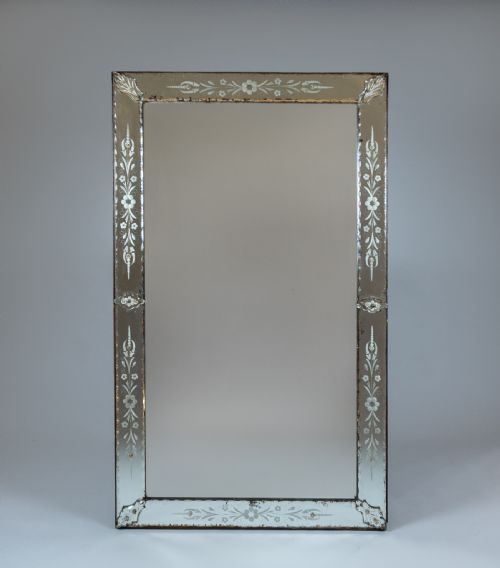
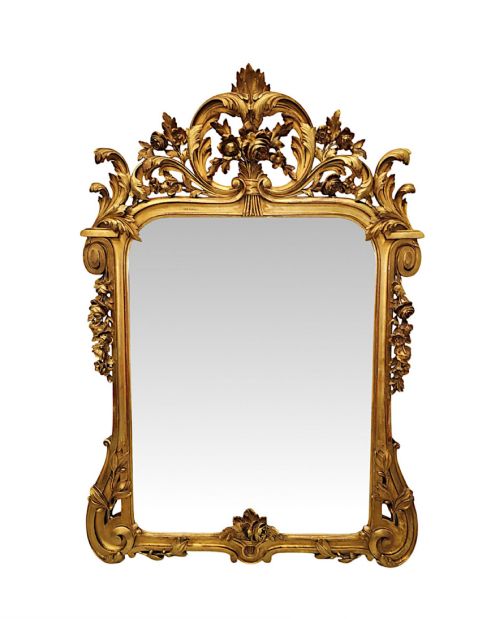
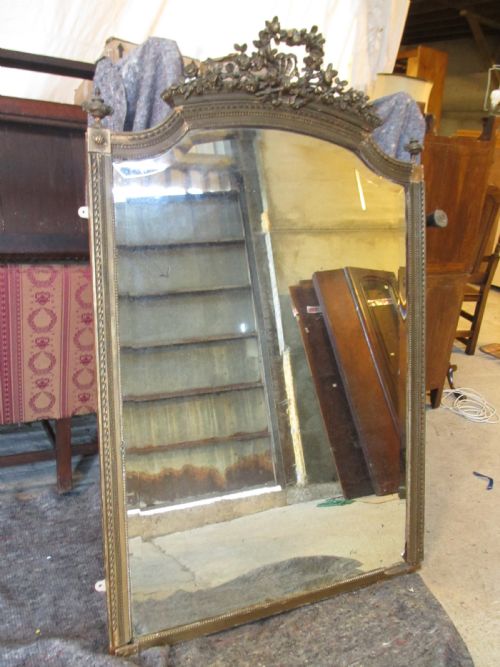
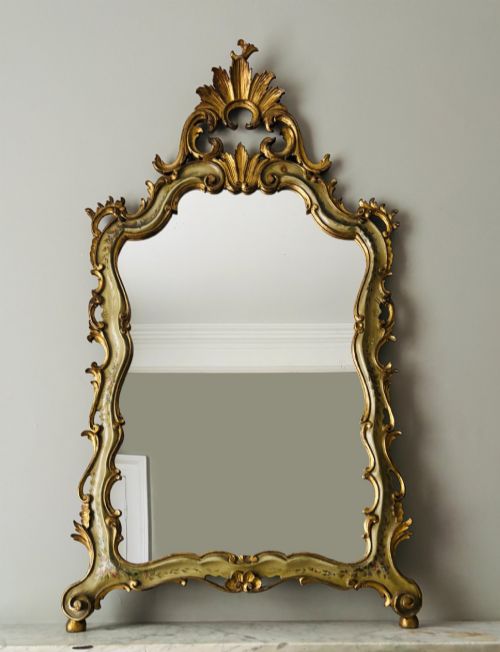
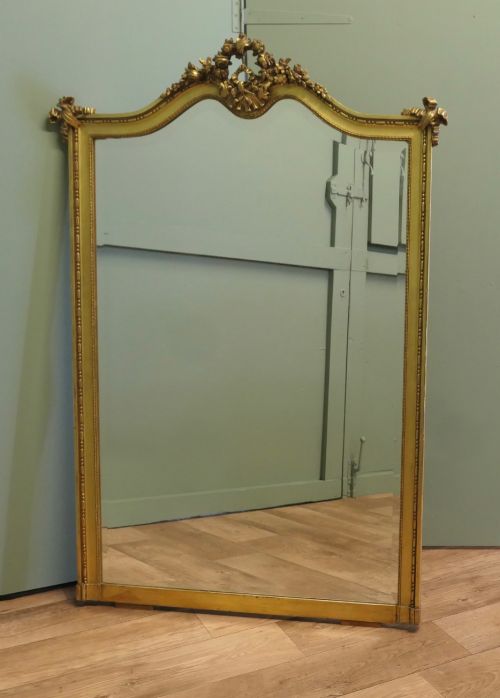
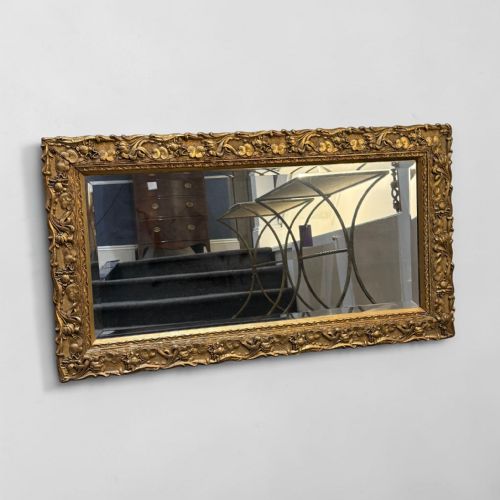
An antique floral wall mirror encompasses pieces shaped by natural forms, featuring carved wooden roses, painted garden sprays and moulded vine motifs. You encounter numerous French Rococo and Victorian examples alongside Venetian productions and twentieth-century interpretations.
The selections span wall mirrors, overmantel mirrors and pier mirrors designed to catch the light and reflect interior spaces. Materials range from traditional giltwood and gesso to carved timber, brass and painted surfaces.
Origins stretch from eighteenth-century workshops to the art nouveau and art deco eras of the twentieth century. These pieces serve practical daily use while introducing sculptural botanical ornament to a wall.
How they were made
Craftsmen shaped frames from wood such as walnut, beech, mahogany and rosewood, often applying layers of gesso to build up intricate relief details. Carvers then rendered flowers, leaves and ribbons by hand before finishing the surface with gold leaf, metallic paint or coloured pigments.
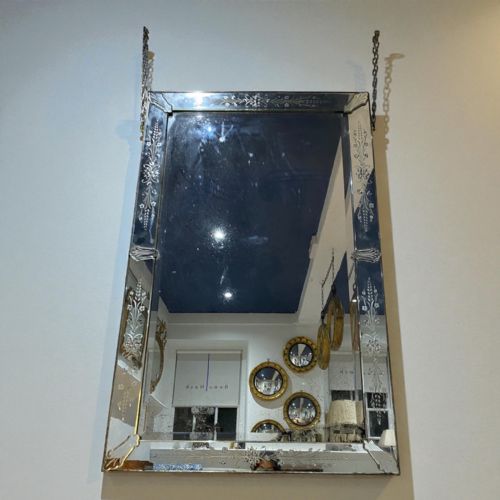
Venetian makers utilised specialised glass plates, sometimes incorporating peach-tinted glass or micro mosaic elements into the surrounding borders. Gilders and painters achieved varied textures by combining burnished gold with matte paint or oil gilding.
Antique Floral Wall Mirror Retail Price Guide 2026
Typical asking prices for floral wall mirror among the pieces listed under this phrase on Sellingantiques today, from the lower quarter to the upper quarter. They describe what is for sale here now, not the wider market.
What varies in quality
The depth and crispness of the hand-carved floral ornament distinguish finer pieces from simpler moulded versions. Skilled carving reveals distinct petal formations and naturalistic leaf undulations rather than soft, uniform contours.
The integrity of the frame construction and the preservation of original gilding or paint layers determine the standing of a piece. The presence of period mirror plates with authentic foxing adds considerable character compared to modern replacement glass.
The Antique Floral Wall Mirror Glossary
- Giltwood
- Wood that has been coated with a thin layer of gold leaf over a prepared gesso ground. This technique creates a luminous, warm metallic finish common on antique frames.
- Gesso
- A mixture of gypsum or chalk and animal glue applied to wooden frames as a smooth base for gilding and paint. It allows artisans to carve or stamp fine relief details.
- Overmantel mirror
- A large wall mirror specifically proportioned to hang above a fireplace mantelpiece. These pieces often feature extended horizontal formats to fill the wall space.
- Pier mirror
- A tall, narrow mirror designed to hang on the wall space between two windows. They make efficient use of narrow architectural sections.
- Marquetry
- The art of applying decorative veneer pieces to a wooden structure to form geometric or floral patterns. It requires precise cutting of various contrasting woods.
Antique Floral Wall Mirror: Frequently Asked Questions
How do I hang a heavy antique mirror?
Heavy frames require sturdy fixings screwed directly into wall studs or masonry using appropriate wall anchors. The weight of giltwood and carved timber demands professional installation to ensure security.
Check the stability of the original wooden frame joints before hanging to make sure the structure supports the weight of the glass safely.
Can I clean original antique mirror glass?
Clean original glass gently using a soft cloth and mild, chemical-free solution applied to the cloth rather than directly to the mirror. Avoid harsh commercial cleaners that might seep behind the plate and damage the silvering.
Take care around areas of foxing or age spots, as aggressive wiping can remove the historic backing of the mirror plate.
How do I identify a Victorian floral mirror?
Victorian examples frequently display robust carved rose vines, embossed brass details or heavy giltwood frames with deep botanical relief. The materials often include dense timbers like rosewood and walnut alongside traditional gesso.
Look for construction marks and backboards consistent with nineteenth-century manufacturing methods to confirm the period.
Are Venetian mirrors fragile?
Venetian glass mirrors feature delicate applied glass elements, floral crests and engraved borders that require careful handling during transport and placement. The thin components need stable indoor environments away from heavy vibrations.
Position these pieces where they avoid accidental impacts from doors or high-traffic household movement.