

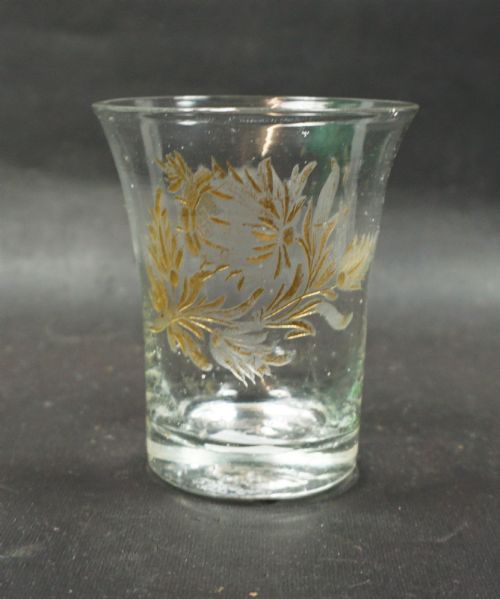
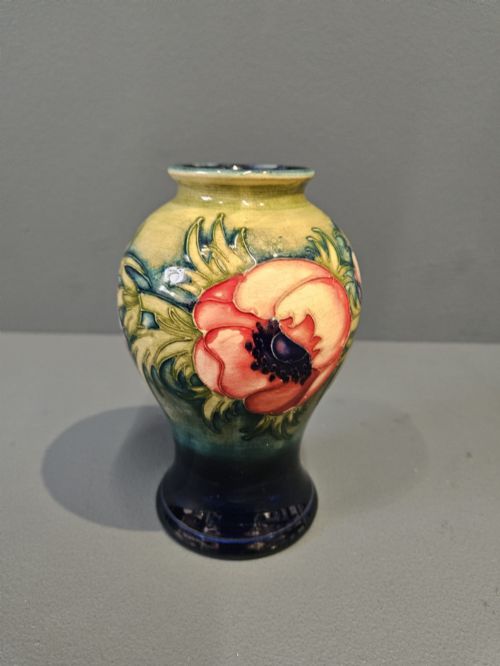
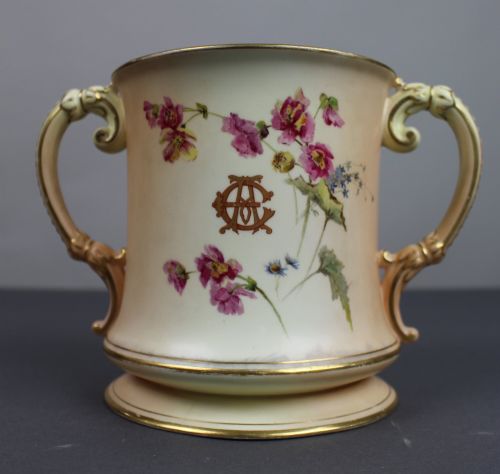
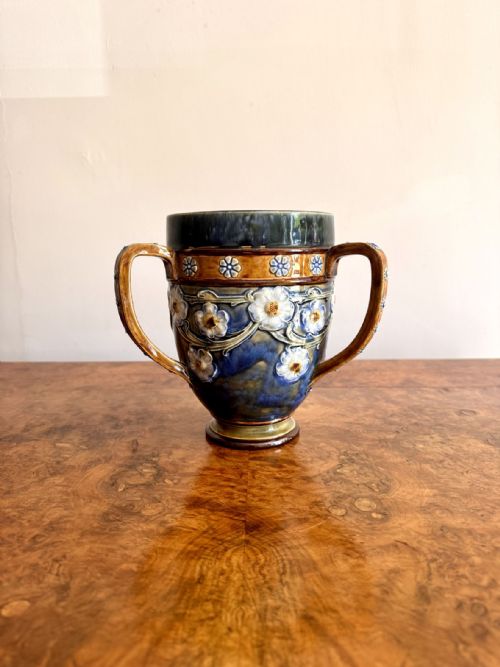





Antique Floral Vessels
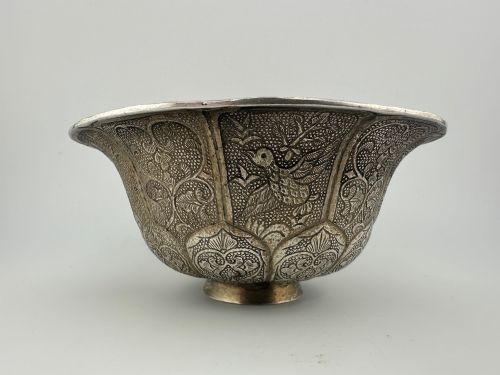
Antique floral vessels bring botanical motifs and historic craftsmanship together, offering decorative containers shaped from porcelain, glass, and cloisonne enamel.
Antique Floral Vessels
Antique floral vessels comprise vases, ginger jars, jardiniere bowls, and decorative pots produced across various international workshops from the seventeenth century through the early twentieth century. These pieces display hand-painted or enamelled plant and flower designs, reflecting distinct regional tastes from English potteries to Japanese Meiji period studios.
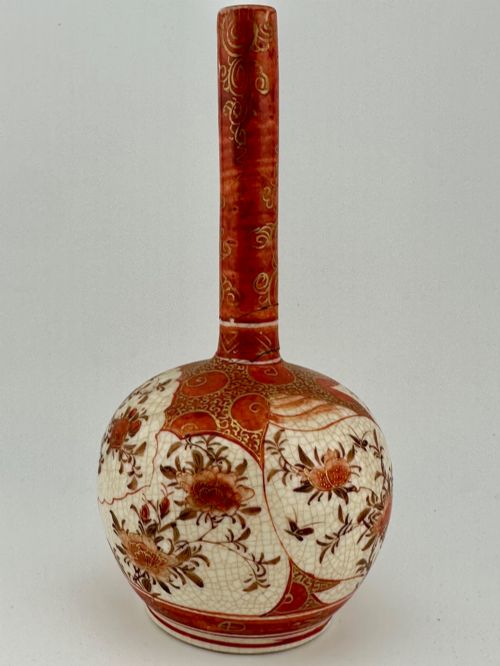
The most common examples on this page are nineteenth and early twentieth-century ceramic and cloisonne pieces, including works from major English manufacturers and East Asian export creators. Buyers encounter ginger jars, bottle vases, and stoneware vessels that integrate floral ornamentation into their core forms.
Vessels span diverse historic movements, taking shape as Art Nouveau stoneware, delicate porcelain rose water sprinklers, and vibrant copper-bodied enamel censors. Each item serves as both a functional container and a display piece centred on botanical subjects.
How they were made
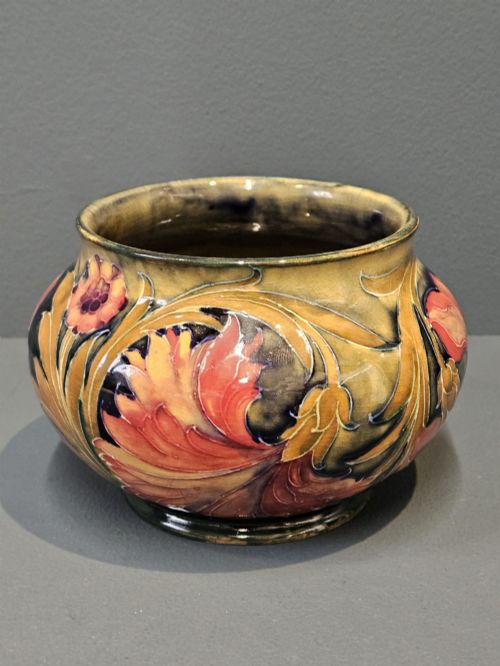
Materials span earthenware, porcelain, glass, and metals such as copper and brass, often enriched with enamel, glaze, and gold leaf. Makers applied these substances using distinct regional techniques, from tube-lined glazes on English stoneware to delicate acid-etching on European glass.
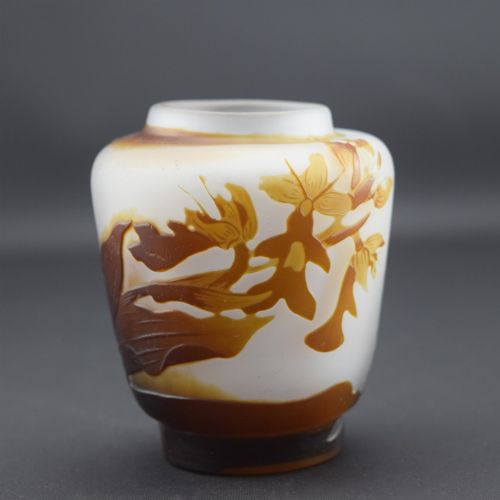
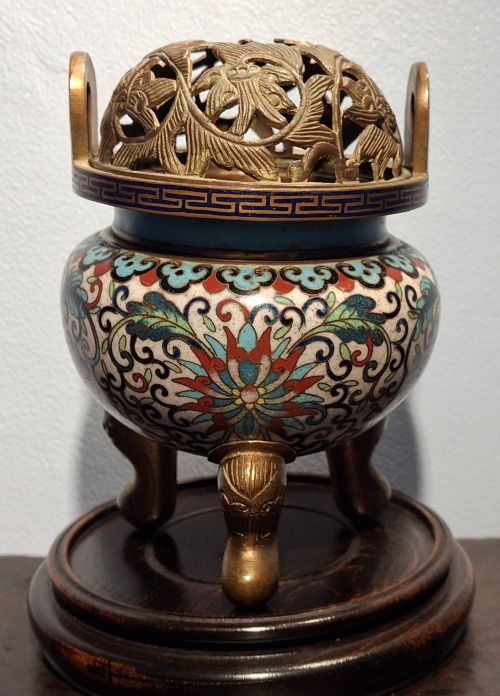
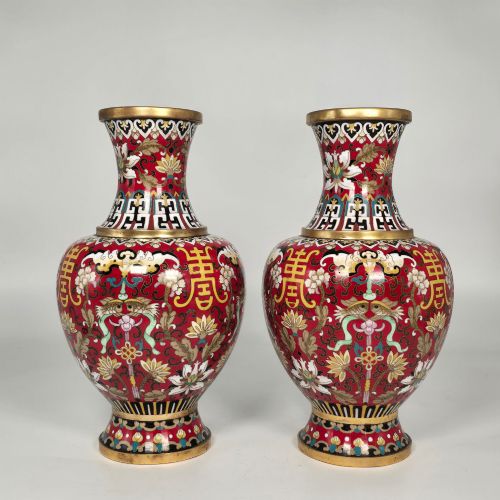
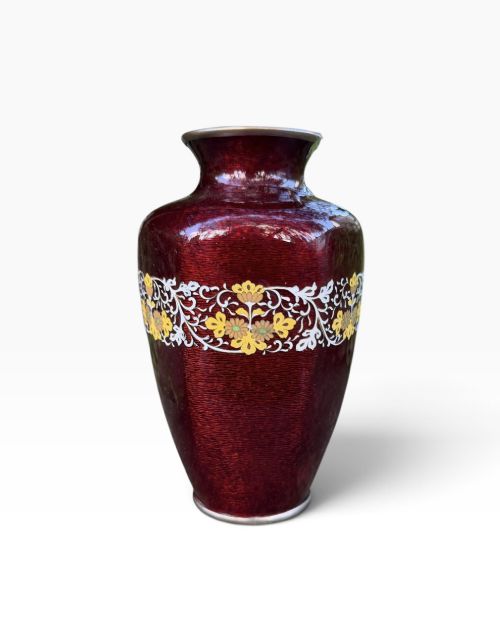
Cloisonne pieces rely on thin metal wires soldered to a copper or bronze base to create cellular partitions that are subsequently filled with coloured enamel pastes and fired. Glass vessels utilise cameo carving, wheel-carving, or layered glass layering to produce raised floral reliefs against contrasting backgrounds.
Antique Floral Vessels Retail Price Guide 2026
Typical asking prices for floral vessels among the pieces listed under this phrase on Sellingantiques today, from the lower quarter to the upper quarter. They describe what is for sale here now, not the wider market.
Listings feature vessels spanning the 17th to the 20th centuries, created in materials ranging from copper and brass to delicate porcelain.
What varies in quality
Quality rests upon the precision of the hand-applied decoration and the clarity of the material, whether examining the crispness of cloisonne wirework or the fine detail of hand-painted porcelain flora. Superior examples demonstrate confident brushwork, balanced composition, and flawless firing without glaze distortion.
The reputation of the maker or workshop influences the standing of a piece, with documented works from notable factories or recognised artisans commanding closer attention. Execution depth, such as multi-layered cameo glass or intricate metal inlay, distinguishes standard utility items from masterwork display vessels.
Royal Doulton·Baccarat·Moorcroft·Georg Adam Scheid·Daum·Flight Barr And Barr·Royal Worcester
The Antique Floral Vessels Glossary
- Cloisonné
- An enamelling technique where metal wire is soldered to a metal base to form compartments filled with paste and fired. This method creates detailed cellular patterns across vases and jars.
- Cameo glass
- Glass formed with multiple layers of different colours carved away to reveal a contrasting design in relief. This technique produces detailed botanical motifs on turn-of-the-century vessels.
- Tube-lining
- A ceramic decoration method where a thin line of clay slip is squeezed through a nozzle onto a pot body to outline a pattern. The raised channels are then filled with coloured glazes.
- Jardiniere
- A large decorative ceramic or metal pot designed to hold growing plants or flowers. These vessels often feature prominent floral relief or painted botanical scenes.
- Ginger jar
- A high-shouldered ceramic container with a domed lid, originally made in China for spices and later produced widely for decorative use. They frequently display hand-painted prunus blossoms and floral designs.
Antique Floral Vessels: Frequently Asked Questions
How do I display antique floral vessels?
These pieces suit placement on mantelpieces, side tables, or open shelving where their botanical motifs and forms remain visible.
Keep them away from direct sunlight and heavy foot traffic to protect delicate glazes, glass surfaces, and fine enamel work.
Were these vessels used for cut flowers?
Many forms, such as bottle vases and jugs, served to hold fresh stems, while lidded jars and pots held dried herbs or potpourri.
Water should be used with caution in unglazed or porous historic ceramics to prevent interior staining or moisture damage.
How do I tell Japanese and Chinese cloisonne apart?
Japanese pieces from the Meiji period often feature fine, neat brass wires and naturalistic floral asymmetry against dark grounds.
Chinese examples frequently employ thicker wirework with symmetrical designs and vibrant turquoise or blue enamel interiors.
What is cameo glass?
Cameo glass involves fusing multiple coloured glass layers together before carving away the surface to leave a raised floral motif.
This labor-intensive technique gained prominence during the Art Nouveau period through makers who utilised acid-etching and wheel-carving.