




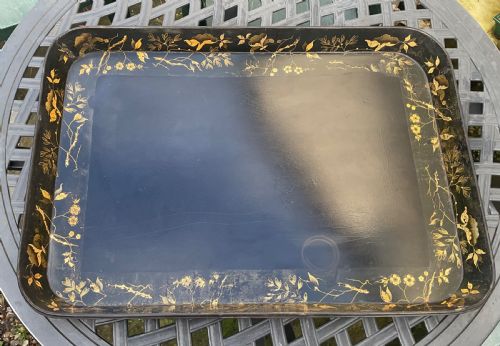


Antique Floral Tea Tray
An antique floral tea tray brings botanical hand-painting and marquetry into daily service, combining utility with decorative art.
Antique Floral Tea Tray
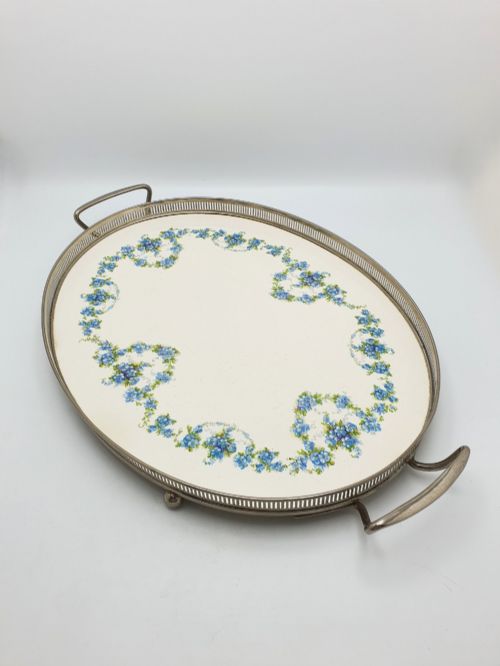
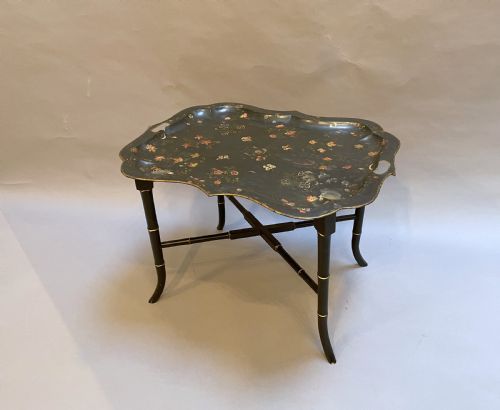
An antique floral tea tray serves as both a functional tabletop accessory and a decorative centrepiece for hosting. When searching this phrase, buyers encounter pieces designed for carrying china and beverages or mounted onto stands to function as occasional tables.
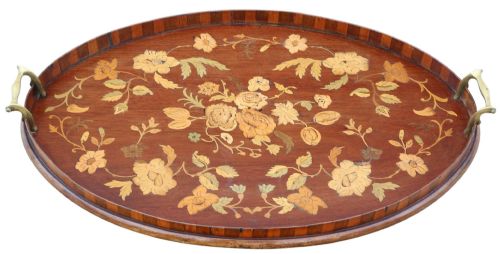
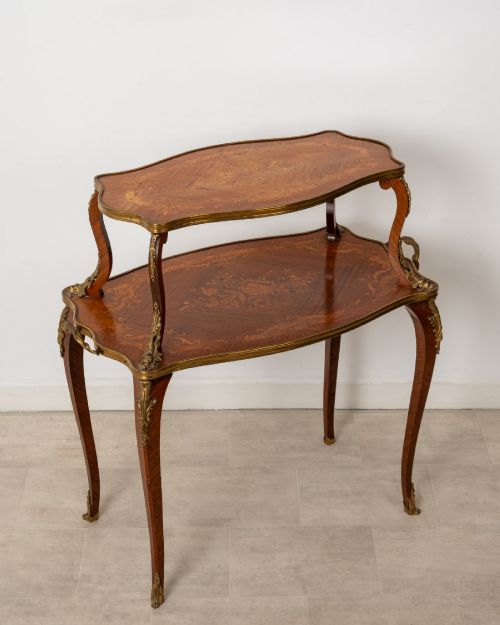
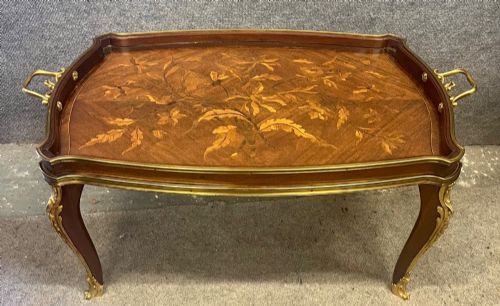
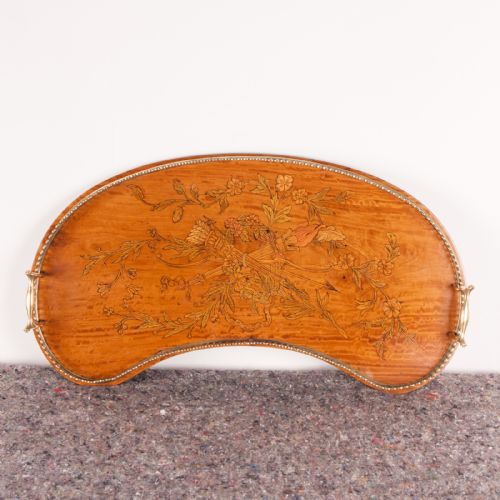
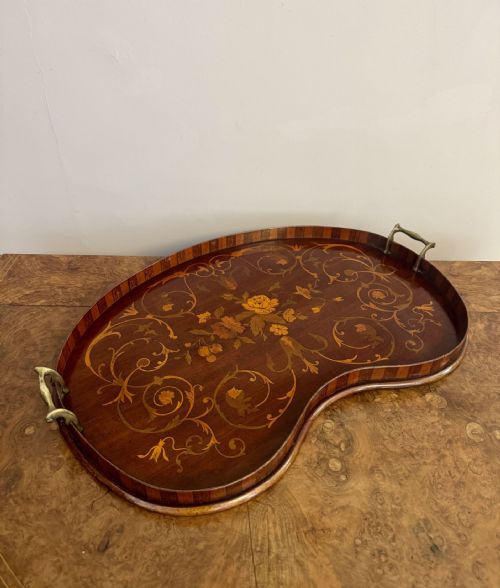
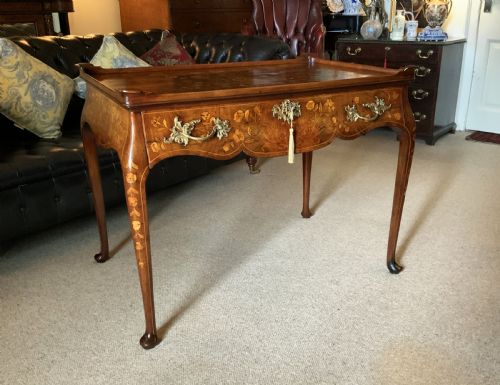
Many items display floral motifs as hand-painted centrepieces, while others utilise intricate marquetry wood inlays to depict botanical scenes. Buyers will find both flat serving trays intended for butler service and elevated tray tables equipped with folding or fixed legs.
How they were made
Papier-mâché trays required building thick layers of paper pulp mixed with glue and resin, pressed in iron moulds, and then stove-dried to achieve a rigid board. Artisans applied multiple coats of dark lacquer before hand-painting floral sprays and adding gilt embellishments.
Wooden trays relied on cabinetmaking techniques using solid mahogany, satinwood, or kingwood, frequently enhanced with contrasting wood marquetry. Inlayers cut delicate veneers of various timbers to form floral petals and leaves, setting them flush into the primary timber ground.
Toleware pieces utilised sheet metal, typically iron or tinplate, shaped into serving vessels and coated with heavy dark varnishes. Painters then applied detailed botanical compositions directly onto the prepared metal surface using oil-based pigments.
Victorian butlers carefully balanced heavy porcelain breakfast sets on these trays long before anyone thought to turn them into coffee tables.
What varies in quality
The precision of the botanical artwork separates standard decorative items from superior examples. Skilled artists rendered floral details with fine brushwork, delicate shading, and realistic depth, whereas lower-quality pieces rely on simpler stencilled patterns or hurried execution.
Material preparation and structural integrity dictate the grade of a piece. High-grade papier-mâché retains a smooth, even lacquer without extensive crazing, and marquetry trays display tight joints with no lifting veneers across the floral inlays.
The presence of maker attribution or specialised regional techniques elevates certain items, such as documented Pontypool toleware or finely executed English and continental marquetry. Original stands and mounts, where present, should demonstrate craftsmanship equal to the tray itself.
Pontypool·H Meeson
The Antique Floral Tea Tray Glossary
- Papier-mâché
- A composite material made from paper pulp, binding agents, and oils, pressed and dried to form a durable, lightweight base for lacquer and painting. It provides a smooth dark surface ideal for detailed floral decoration.
- Toleware
- Painted or lacquered sheet metal utensils and serving items produced in Britain and Europe during the eighteenth and nineteenth centuries. Pontypool and Usk served as notable manufacturing centres for this varnished metalware.
- Marquetry
- The art of applying small pieces of wood veneer to a structural panel to create decorative pictures or geometric patterns. Makers used various tinted timbers to render naturalistic floral designs.
- Chinoiserie
- European interpretations of Chinese artistic traditions, popular in furniture and decorative trays during the Victorian period. These designs often feature stylised landscapes, pavilions, and floral elements set against ebonised backgrounds.
- Gilt embellished
- Decorated with fine gold leaf, gold dust, or gold paint applied to surfaces to highlight borders, handles, and floral motifs. This technique adds contrast to dark lacquer or toleware bases.
Antique Floral Tea Tray: Frequently Asked Questions
How do I care for papier-mâché trays?
Papier-mâché trays require gentle handling to protect their delicate lacquer and hand-painted floral surfaces. Keep them away from direct sunlight, excessive heat, and moisture to prevent the lacquer from cracking.
Dust them periodically with a soft, dry cloth rather than using liquid polishes or chemical cleaners. If mounted on a stand, ensure the tray rests securely without bearing excessive weight.
Were these trays used on stands originally?
Many trays were made strictly as flat serving boards with raised edges for carrying items from the kitchen to the parlour. However, numerous period examples were paired with folding wooden or iron stands to serve as tea tables.
Some trays show evidence of being mounted onto later stands during the twentieth century to adapt them for use as coffee tables or side tables.
How can I tell toleware from papier-mâché?
Toleware is constructed from sheet metal, such as iron or tinplate, which makes it heavier and magnetic. Papier-mâché is made from compressed paper pulp and resin, giving it a much lighter weight and a warmer feel to the touch.
Both materials typically feature dark lacquered finishes, but metal pieces may show oxidation around any chipped areas, whereas paper-based items reveal a fibrous interior matrix.