
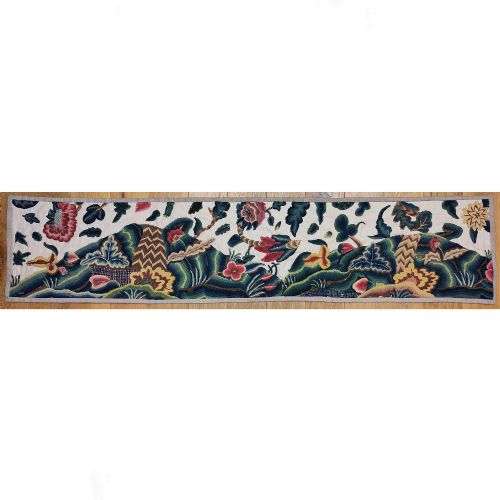


Antique Floral Tapestry Panel
These antique floral tapestry panel pieces bring hand-stitched botanical artistry to interior spaces through centuries of textile heritage.
Antique Floral Tapestry Panel
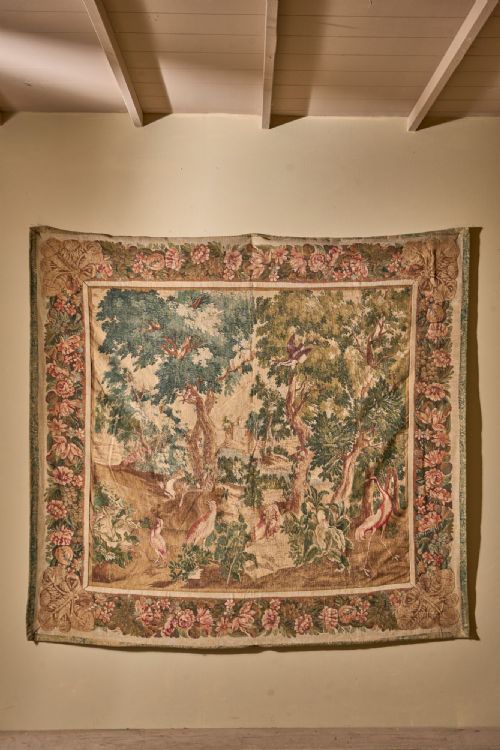
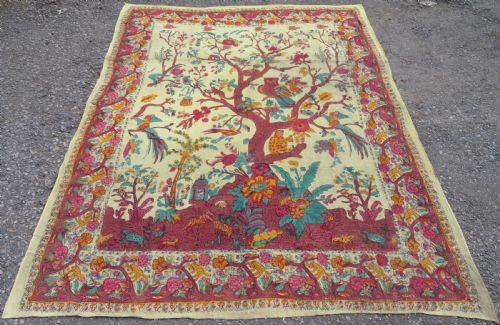
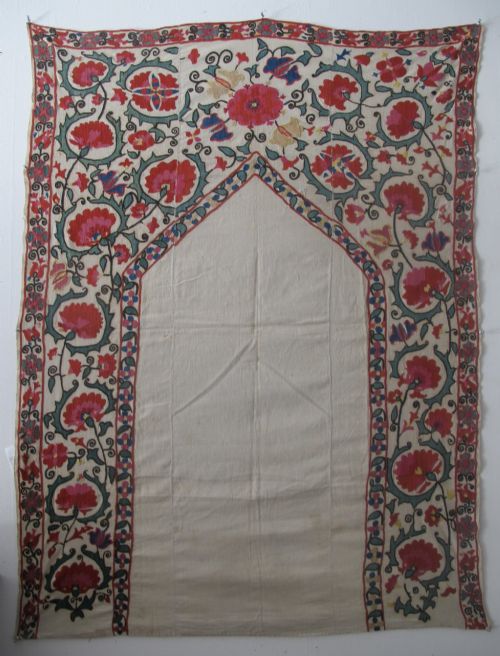
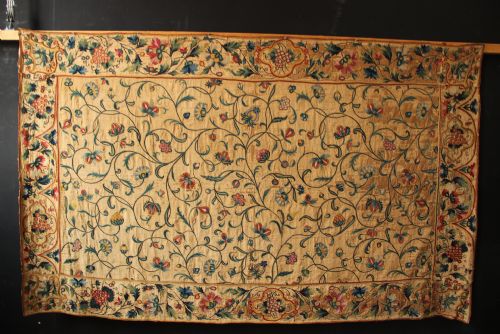
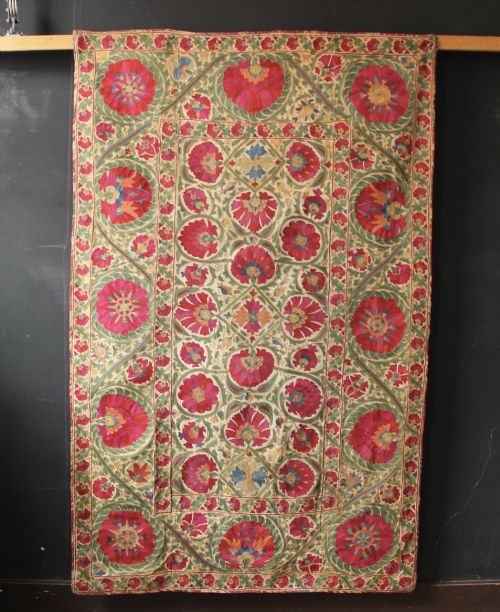
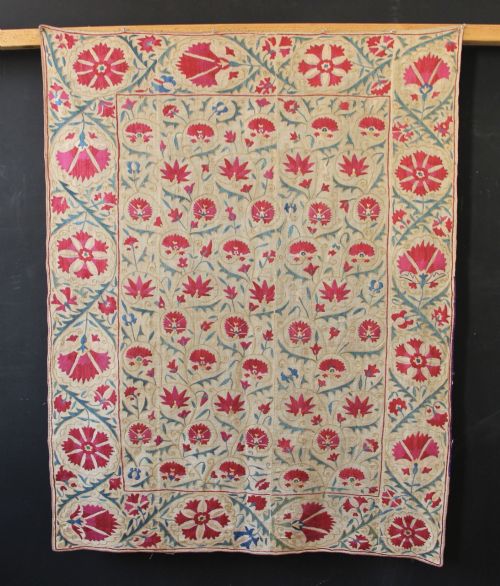
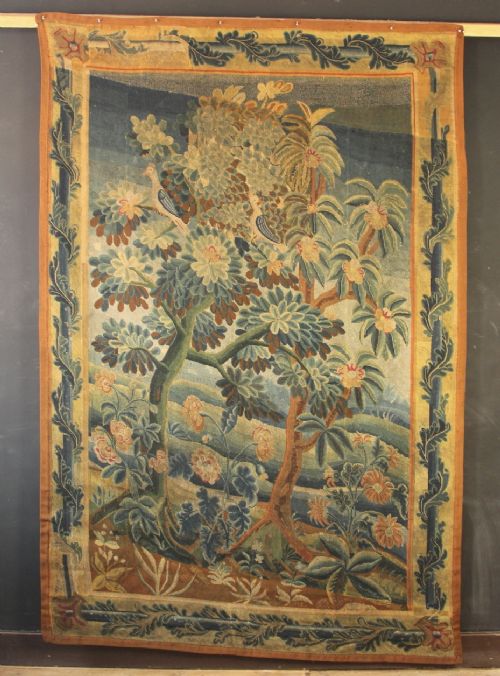
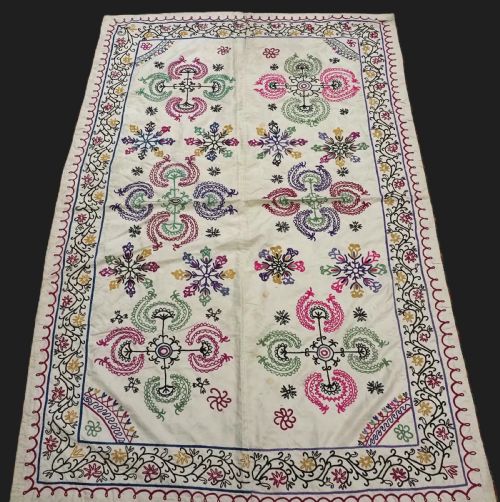
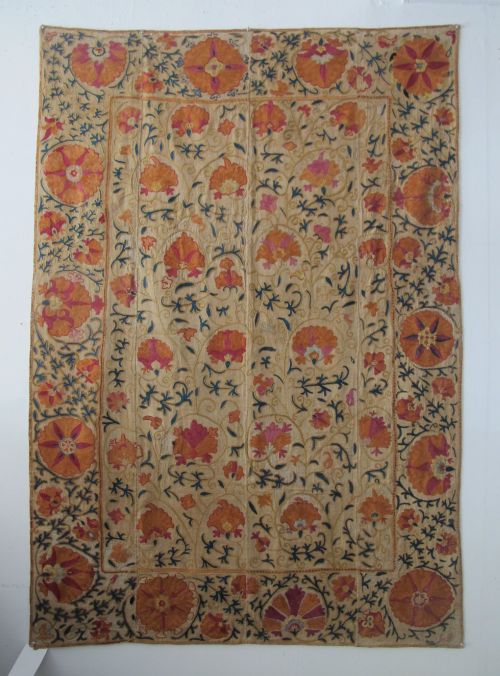
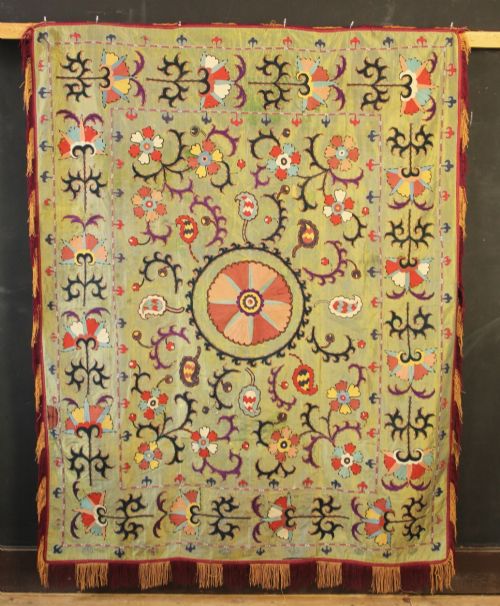
An antique floral tapestry panel encompasses hand-worked textiles, wall hangings, and needlework pictures created across the seventeenth, eighteenth, and nineteenth centuries. You will frequently encounter framed English crewelwork, French needlepoint panels, and Central Asian embroidered suzanis featuring botanical motifs.
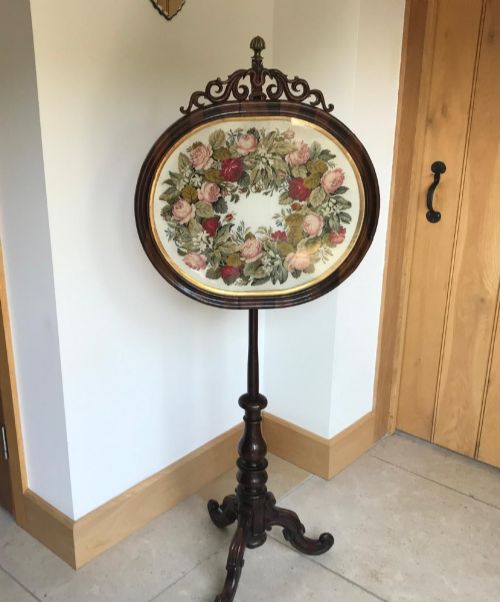
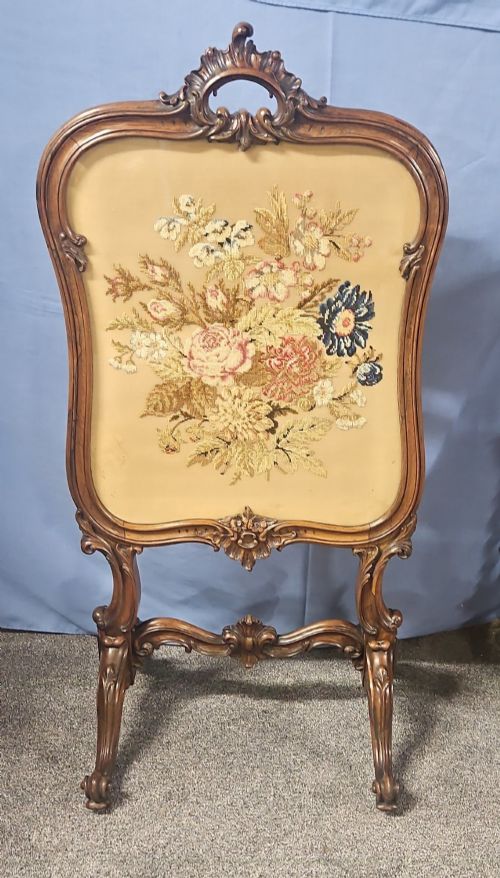
The selection ranges from large European wall hangings and verdure tapestries to smaller decorative items mounted within fire screens, armchairs, and pole screens. These textiles served both decorative and functional roles in domestic interiors, utilising floral designs handed down through generations of makers.
How they were made
Craftsmen and embroiderers utilised natural textiles including silk, wool, cotton, and linen as the base foundation for their needlework. Artisans applied fine silk threads, wool yarn, and felt applique work to build complex floral patterns.
Wooden frames, rosewood, walnut, and brass hardware frequently support these textile panels when incorporated into furniture items like fire screens and armchairs. Specialised embroidery techniques, such as those seen in Central Asian suzanis and English crewelwork, relied on dense stitchery to create lasting botanical imagery.
Listings feature textiles spanning the sixteenth century through the twentieth century, incorporating silk, wool, cotton, linen, rosewood, walnut, and brass.
What varies in quality
The sophistication of the needlework and the fineness of the execution separate ordinary examples from exceptional pieces. Superior items display meticulous stitch density, harmonious colour palettes, and intricate botanical detailing.
The preservation of the underlying textiles, the integrity of the natural fibres, and the quality of the supporting wooden frames or mountings heavily influence the standing of each piece.
The Antique Floral Tapestry Panel Glossary
- Suzani
- An embroidered tribal textile originating from Central Asia, typically featuring bold floral and botanical motifs on a silk or cotton ground.
- Crewelwork
- A traditional form of embroidery utilising wool yarn on linen or cotton twill fabric, frequently depicting scrolling floral vines and leaves.
- Verdure tapestry
- A European woven wall hanging dominated by stylized foliage, trees, and landscape elements, often produced in French and Flemish workshops.
- Pole screen
- A freestanding wooden furniture piece featuring an adjustable vertical panel designed to shield a person's face from the heat of a fireplace.
- Needlepoint
- Stitched embroidery executed on an open-weave canvas foundation, completely covering the backing material with dense decorative wool or silk thread.
Antique Floral Tapestry Panel: Frequently Asked Questions
How were fire screens used?
Fire screens held needlework tapestry panels to protect people from the intense radiant heat of open hearths. They were positioned near fireplaces in period rooms.
As heating methods changed, these framed textile panels survived primarily as decorative furnishings within period interiors.
Where did suzani panels originate?
Suzani panels originated in Central Asia, including regions of Uzbekistan and Bokhara. Local makers embroidered these textiles by hand using silk threads on cotton or silk foundations.
Traditional designs frequently incorporate large floral medallions, vines, and regional decorative patterns passed down through generations.
How do I care for textile panels?
Protect textile panels from direct sunlight to prevent the fading of natural silk and wool threads. Keep them in stable indoor environments away from excessive moisture.
Dust the surface gently with a soft brush and avoid harsh chemical cleaners to preserve the historic fabric fibres.