
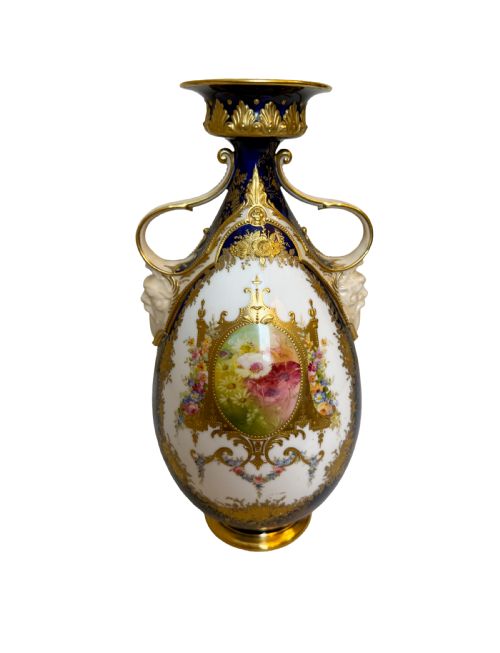

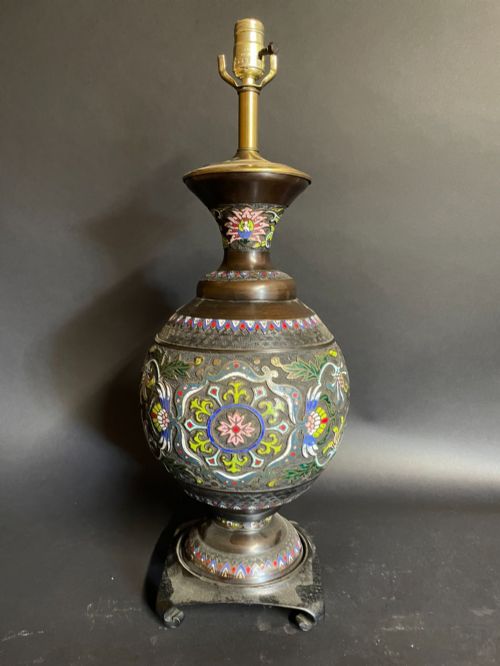


Antique Floral Table Vase
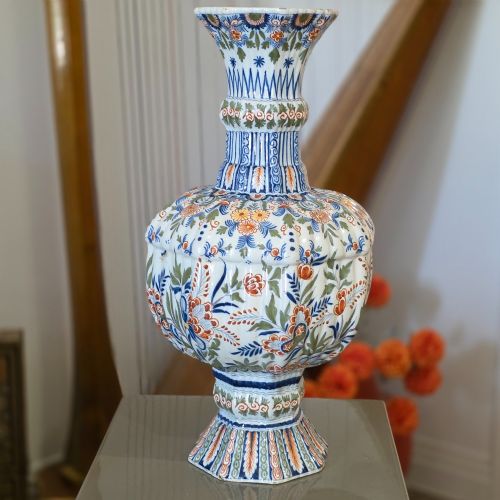
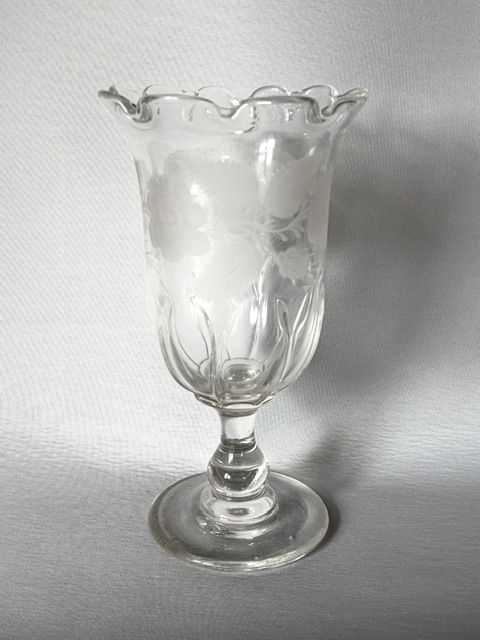
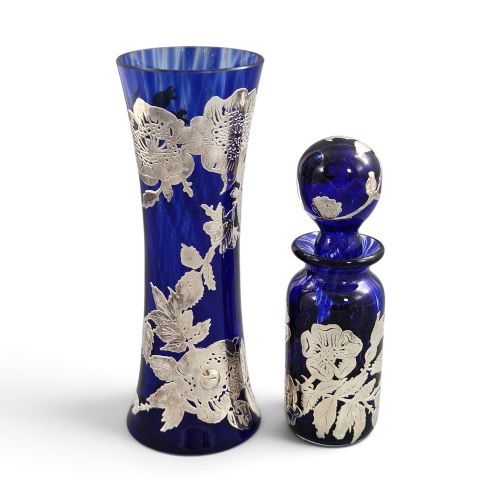
An antique floral table vase brings botanical colour to a room through painted porcelain, enamelled glass or cloisonné brass.
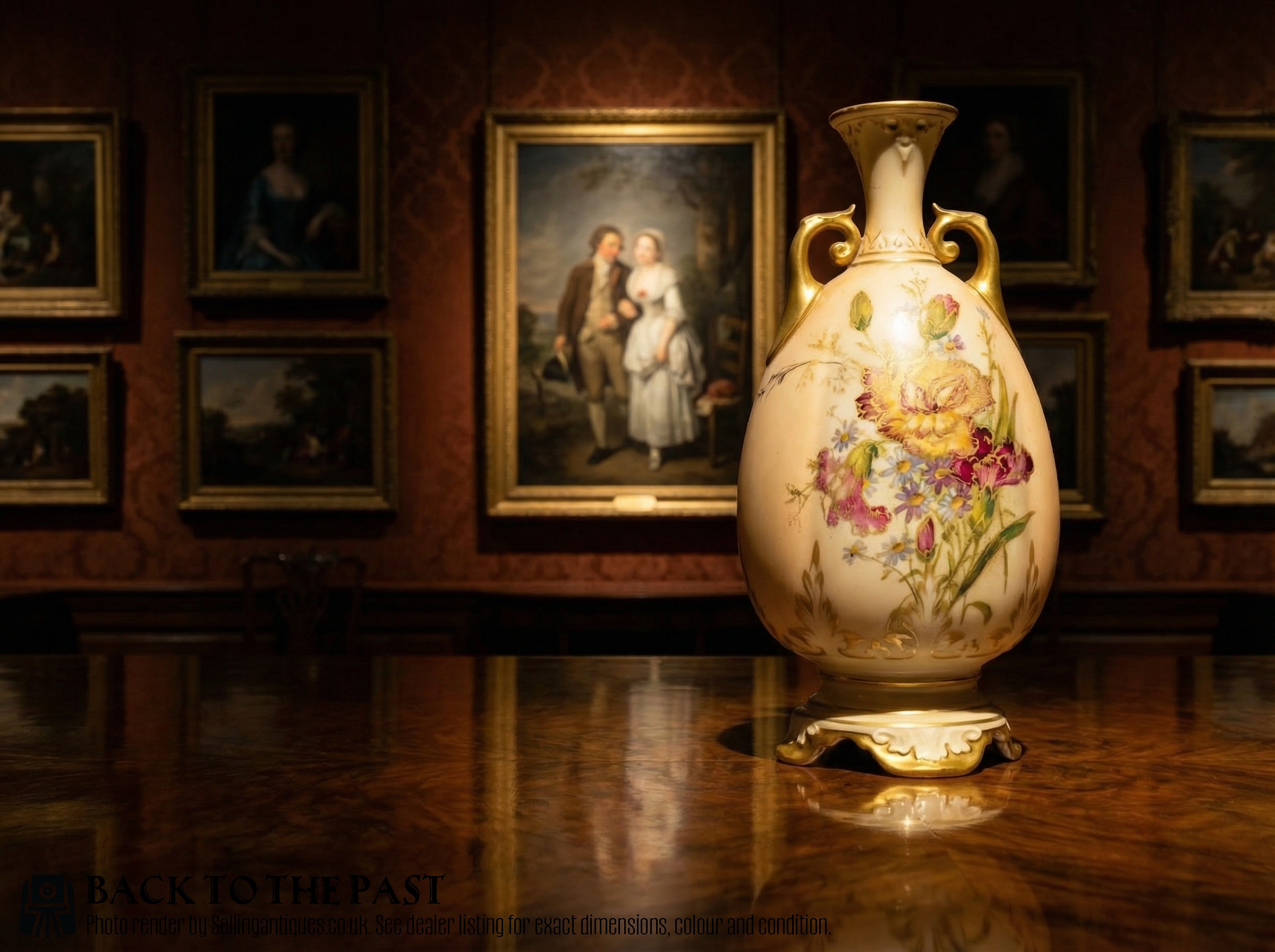
Antique Floral Table Vase
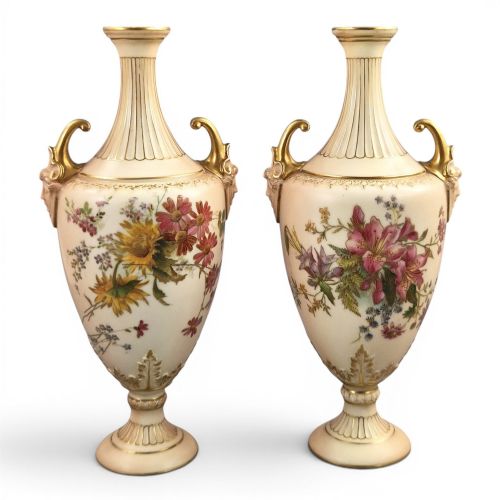
An antique floral table vase is a decorative vessel designed to hold cut flowers or stand alone on a surface, drawing on centuries of botanical motifs. These pieces span the nineteenth century and the early twentieth century, taking forms such as ovoid porcelain bodies, slender glass vessels, and ginger jars.
The selections on this page encompass English factories, European houses, and East Asian workshops. Buyers encounter everything from hand-painted porcelain to cloisonné enamel and etched glass.
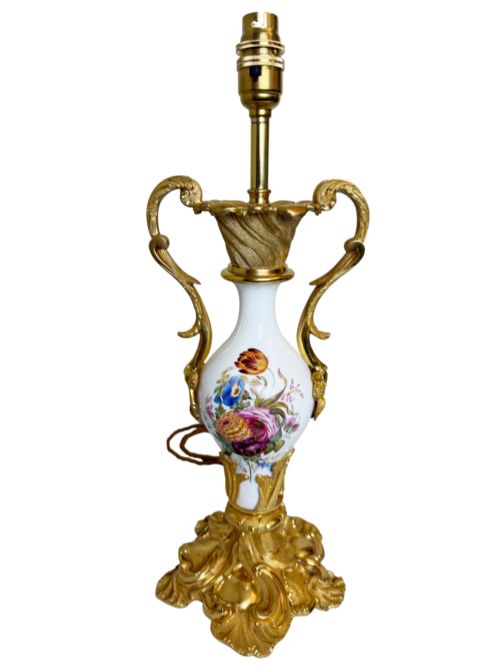
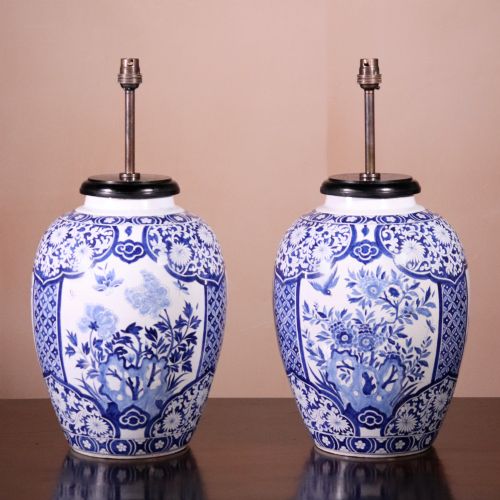
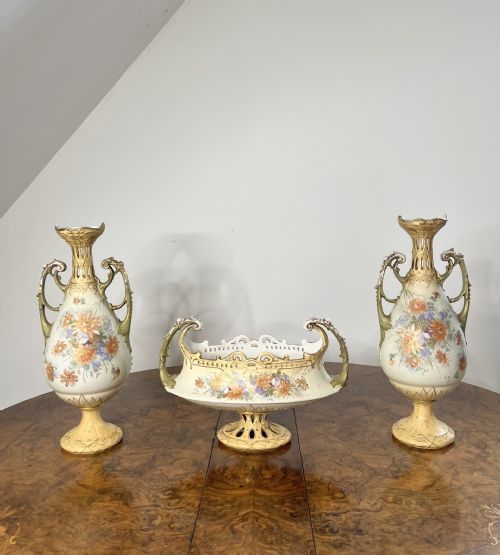
Vases frequently double as lamps or sit alongside matching centrepieces and epergnes. Plant and vase stands in marble-topped wood also support these decorative items within domestic interiors.
How They Were Made
Potters and glassmakers utilised diverse materials including porcelain, stoneware, bronze, copper, brass, and glass. Decoration relied heavily on hand painting, polychromatic enamelling, gilding, and copper-wire cloisonné work.
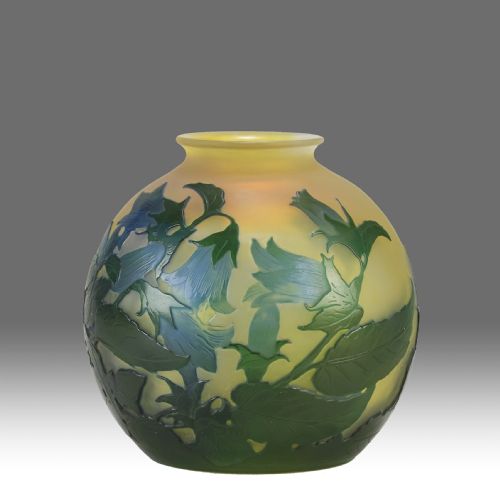
Techniques such as pâte-sur-pâte built up raised porcelain designs in white slip on coloured grounds, while cameo glass involved carving through layered glass to reveal contrasting hues underneath.
Some nineteenth-century vessels spent decades moonlighting as table lamps before reclaiming their botanical duties.
What Varies in Quality
Quality rests upon the precision of the hand painting and the crispness of the modelled or chased detail on metal and ceramic bodies. Finer examples display meticulous brushwork in floral motifs and securely mounted gilt bronze or brass fittings.
Makers known for exceptional composition and technical execution elevate certain pieces above standard production wares, distinguishing standard domestic items from exhibition-grade achievements.
Emile Galle·Royal Vienna·Royal Worcester·Royal Doulton·Spode China·Charlotte Rhead·Miles Mason
The Antique Floral Table Vase Glossary
- Cloisonne
- Enamelwork in which thin metal wires form compartments on a metal base to hold coloured pastes before firing.
- Famille Verte
- A Chinese porcelain palette dominated by green enamels, developed during the Qing dynasty and widely imitated later.
- Epergne
- A large table centrepiece with multiple branching holders for fruit or flowers, often executed in cranberry glass.
- Pate-sur-pate
- A ceramic technique where liquid porcelain slip is painted in successive layers to create a low relief cameo effect.
- Garniture
- A set of three or more matching vases and urns designed to be displayed together on a mantelpiece or sideboard.
Antique Floral Table Vase: Frequently Asked Questions
How do I clean an antique vase?
Dust surfaces gently with a soft dry cloth to protect delicate gilt or enamel decoration. Avoid submerging antique metal mounts or water-sensitive materials in liquid.
For ceramic interiors, use lukewarm water without harsh detergents and dry thoroughly immediately afterwards.
Can I use these vases for fresh flowers?
Many ceramic and glass vessels remain fully watertight and suit regular use with fresh floral arrangements. Inspect glazed interiors and historical repairs before introducing water to prevent damage.
Metal and cloisonne pieces function best with dry botanicals or as standalone decorative objects on tables.
How do I date an antique vase?
Examine the base for factory stamps, painted pattern numbers, or impressed potter marks that correspond to known production periods. Stylistic cues such as Victorian floral painting or Edwardian blush ivory finishes also narrow down the timeframe.
Consider the manufacturing technique, as hand-blown glass methods and early slip-casting differ between the nineteenth and twentieth centuries.
Where should I place a table vase?
Position these vessels on side tables, mantels, or dedicated marble vase stands where adequate light highlights their floral decoration. Ensure sturdy placement away from busy household pathways to protect fragile porcelain or glass.
Paired pieces work effectively on either side of a fireplace or balanced symmetrically upon a large sideboard.